



When considering a full mouth restoration, many people ask: how many dental implants do you need for whole mouth? The answer depends on several factors, including your jaw structure, bone density, and the type of restoration you choose. At Albania Dental Implants, we provide comprehensive solutions for restoring your smile and oral health using cutting-edge techniques and high-quality materials. Our dental tourism options allow you to achieve a beautiful, functional smile at an affordable price.
What Are Full Mouth Dental Implants?
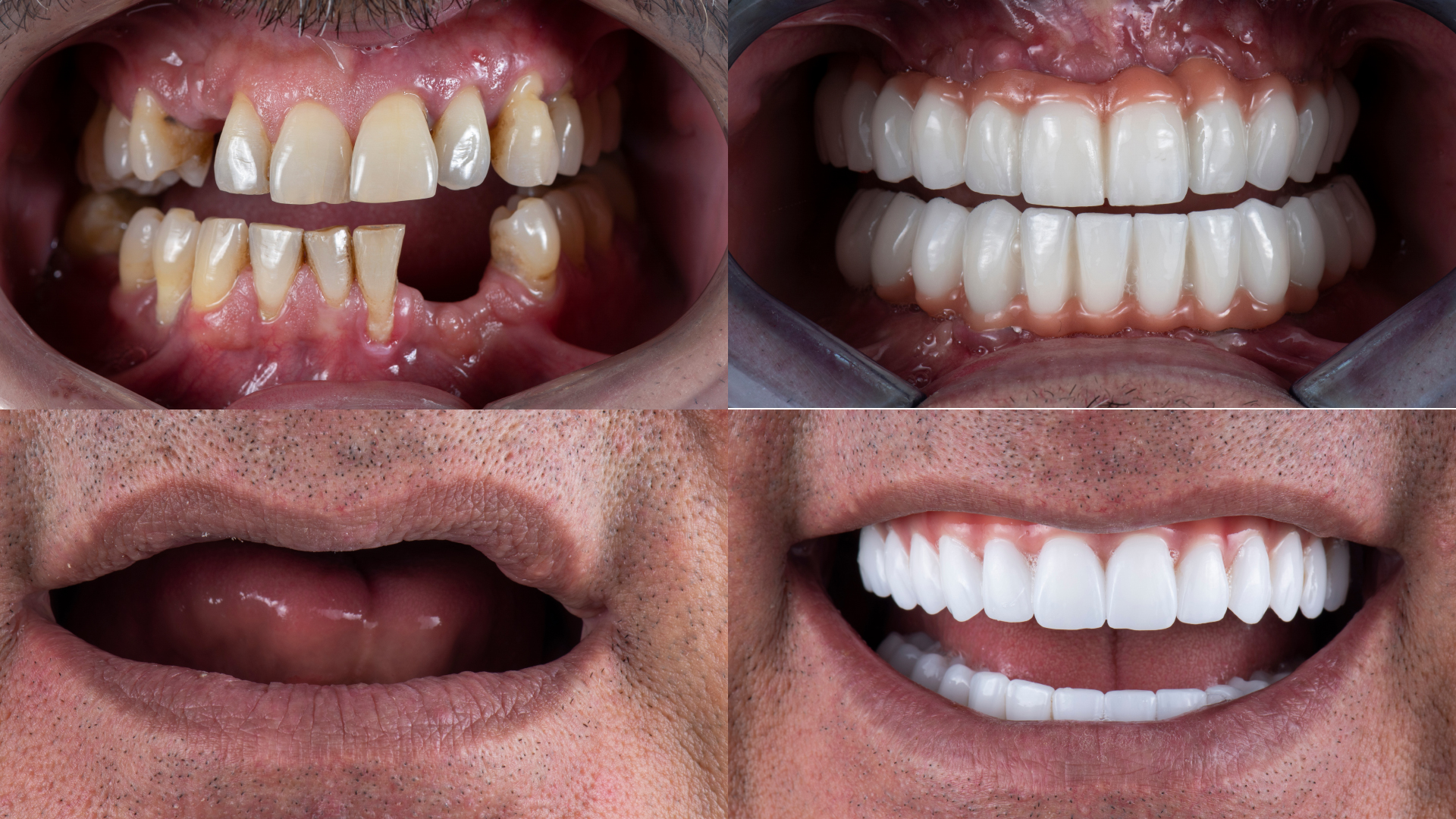
Full mouth dental implants, also known as full arch dental implants, are a comprehensive solution designed to replace all teeth in either the upper or lower jaw, or both. This restorative procedure offers a permanent and stable alternative to traditional dentures, providing improved function, aesthetics, and overall quality of life. This also falls under the category of full mouth reconstruction in Albania, with experienced specialists.
Purpose and Common Reasons
The primary purpose of full mouth dental implants is to restore a complete set of teeth, addressing issues caused by extensive tooth loss. Common reasons for choosing full mouth implants include:
- Tooth Loss: Significant tooth loss due to decay, gum disease, or trauma.
- Gum Disease: Advanced periodontal disease leading to tooth extraction.
- Trauma: Injuries resulting in irreparable damage to multiple teeth.
- Failed Restorations: Previous dental treatments (e.g., bridges, dentures) that have failed or are no longer viable.
Opting for dental implants in Albania can be a great option as well, with options to combine dental tourism with it.
How Many Dental Implants Are Needed for a Full Mouth Restoration?
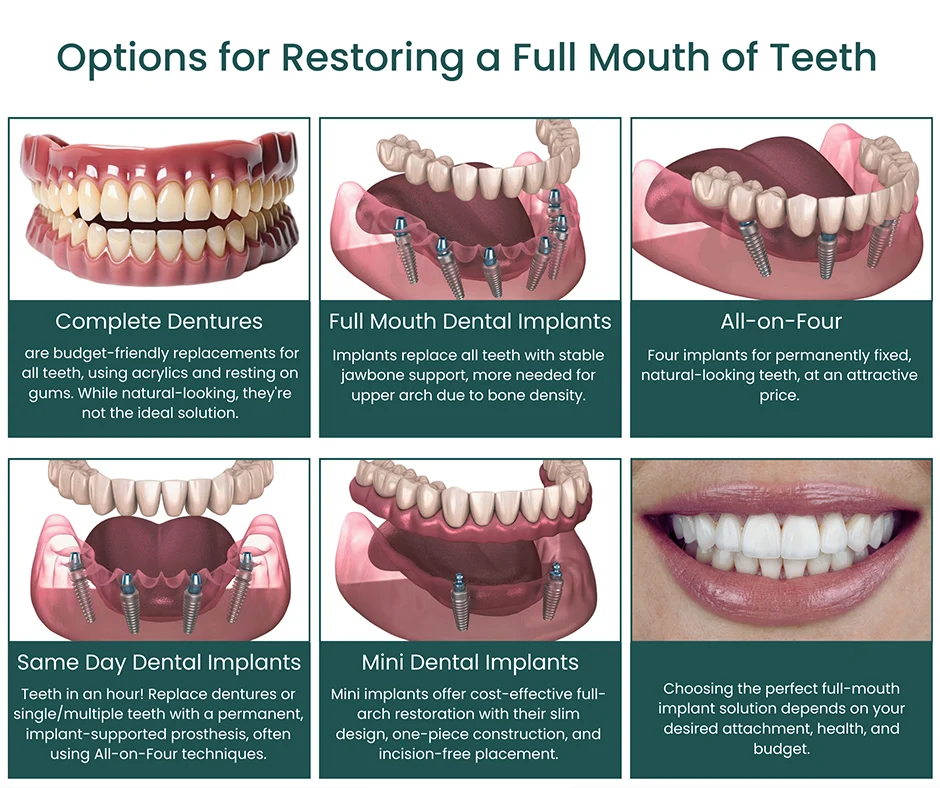
The number of implants required for a full mouth restoration, or a full arch dental implants, typically ranges from 4 to 8 per arch. The exact number depends on several factors, including bone density, jaw structure, and the chosen restoration approach. The All-on-4 and All-on-6 techniques are common methods used in full mouth implant procedures.
All-on-4 and All-on-6 Approaches
The All-on-4 technique involves placing four dental implants in the jawbone to support a full arch of replacement teeth. This method is often suitable for patients with sufficient bone density in specific areas of the jaw. The All-on-6 technique uses six implants per arch, potentially offering increased stability and support. While cost of dental implants in Albania is a big factor, stability and longevity are important to consider.
Some cases may require more than six implants depending on individual needs and anatomical considerations. A thorough evaluation by a qualified dentist is essential to determine the optimal number of implants for your specific situation.
All-on-4 vs All-on-6 Dental Implants
The All-on-4 and All-on-6 dental implant techniques are both popular options for full mouth restoration, but they differ in the number of implants used and their respective benefits.
Comparing the Two Techniques
All-on-4: Utilizes four dental implants per arch, strategically placed to provide maximum support. This technique is often more cost-effective and requires less bone grafting. The all on 4 dental implants in Albania procedure is known for its efficiency and relatively shorter treatment time.
All-on-6: Employs six dental implants per arch, which can offer increased stability and support, particularly for patients with lower bone density or those who prefer a more robust restoration. Consider all on 6 dental implants in Albania for enhanced structural integrity.
Pros and Cons of Each
All-on-4 Pros:
- Lower cost
- Shorter treatment time
- Less invasive (often requires less bone grafting)
All-on-4 Cons:
- Potentially less stable than All-on-6
- May not be suitable for patients with significant bone loss
All-on-6 Pros:
- Increased stability and support
- Better for patients with lower bone density
- Potentially longer-lasting restoration
All-on-6 Cons:
- Higher cost
- Longer treatment time
- More invasive (may require more extensive bone grafting)
Which Is Better for Different Patient Needs?
The best technique depends on the patient’s individual needs, bone density, overall health, and budget. Patients with good bone density and a desire for a cost-effective solution may benefit from All-on-4. Those with lower bone density or who prioritize maximum stability may find All-on-6 more suitable. Consulting with a qualified dentist is crucial to determine the most appropriate approach for your specific case.
Factors That Affect the Number of Implants Needed
Several factors influence the number of implants needed for a successful full mouth restoration. These include bone density and jaw health, the type of restoration chosen, and the patient’s overall health and lifestyle.
Bone Density and Jaw Health
Adequate bone density is essential for supporting dental implants. If the jawbone is weak or has deteriorated, a bone graft may be necessary to increase bone volume and density. The health of the jawbone directly impacts the stability and longevity of the implants.
Type of Restoration
The type of restoration, whether fixed or removable, also influences the number of implants needed. Fixed restorations, such as implant-supported bridges, generally require more implants for stability compared to removable options like implant-supported dentures.
Patient’s Overall Health and Lifestyle
A patient’s overall health and lifestyle habits, such as smoking or certain medical conditions, can affect the success of dental implants. Smokers, for example, may require more implants due to the negative impact of smoking on bone healing and implant integration. Certain medical conditions, such as diabetes, can also influence the number of implants needed and the overall treatment plan.
Full Mouth Dental Implants Procedure Overview
The full mouth dental implant procedure involves several steps, from initial consultation to final restoration, and typically requires several months to complete. Understanding the process can help alleviate anxiety and ensure you are well-prepared for each stage.
Step-by-Step Explanation of the Process
- Consultation and Evaluation: A thorough examination, including X-rays and 3D scans, to assess bone density, jaw structure, and overall oral health.
- Treatment Planning: Development of a customized treatment plan, including the number of implants needed, the type of restoration, and any necessary preparatory procedures.
- Bone Grafting (if needed): If bone density is insufficient, a bone grafting procedure may be performed to augment the jawbone.
- Implant Placement: Surgical placement of the dental implants into the jawbone. This is done under local anesthesia or sedation.
- Healing Period (Osseointegration): A period of 3-6 months is required for the implants to fuse with the jawbone (osseointegration).
- Abutment Placement: After osseointegration, abutments (connectors) are attached to the implants.
- Final Restoration: Custom-made crowns, bridges, or dentures are attached to the abutments, completing the restoration.
Timeline: From Consultation to Final Restoration
The entire process typically takes between 6 to 12 months, depending on individual factors such as healing time and the need for additional procedures like bone grafting or sinus lifts.
What to Expect During Surgery and Recovery
During surgery, you can expect to be under local anesthesia or sedation to minimize discomfort. After the procedure, some pain and swelling are normal. Pain medication and a soft food diet are usually recommended during the initial recovery period. Regular follow-up appointments are crucial to monitor healing and ensure the success of the implants.
At Albania Dental Implants, we use cutting-edge technology and techniques to minimize discomfort and ensure a smooth recovery process. Our skilled team will provide comprehensive support and guidance throughout your entire journey, including post-operative care instructions and follow-up appointments.
Cost of Full Mouth Dental Implants in the UK
The cost of full mouth dental implants, along with full mouth restoration options, in the UK can vary significantly based on several factors. Understanding these costs can help you budget and explore financing options.
Average Price Range for Full Mouth Implants
The average price range for full mouth dental implants in the UK typically falls between £15,000 to £30,000 per arch. This cost includes the implants, abutments, and the final restoration (crowns, bridges, or dentures). With options to travel abroad, you may find that the dental tourism in Albania path can save you thousands.
Factors That Influence Cost
Several factors influence the cost of full mouth implants, including:
- Number of Implants: More implants generally increase the overall cost.
- Clinic Location: Prices can vary depending on the location of the dental clinic (e.g., London vs. other regions).
- Materials Used: The type of materials used for the implants and restorations (e.g., titanium, zirconia) can affect the price. Consider zirconia implants in Albania as an option.
- Complexity of the Case: Additional procedures like bone grafting or sinus lifts can add to the total cost. A sinus lift in Albania may be required in some cases to ensure adequate bone support.
Insurance and Financing Options
Dental insurance may cover a portion of the cost of dental implants, but it’s essential to check your policy for specific coverage details. Many dental clinics offer financing options or payment plans to help make the procedure more affordable.
Benefits and Risks of Full Mouth Dental Implants
Full mouth dental implants offer numerous advantages, but it’s also important to be aware of the potential risks and complications. Weighing these factors can help you make an informed decision about whether this treatment is right for you.
Advantages of Full Mouth Implants
- Improved Chewing: Restored ability to eat a wide range of foods without discomfort.
- Enhanced Speech: Improved speech clarity and confidence.
- Aesthetic Appeal: Natural-looking smile that enhances overall appearance. For a drastic improvement in look, consider a hollywood smile in Albania.
- Long-Term Durability: Dental implants are a long-lasting solution that can last for decades with proper care. If taken care of properly, how long do dental implants last is not something to worry about.
- Bone Health: Implants help stimulate bone growth and prevent bone loss in the jaw.
Potential Risks and Complications
- Infection: Risk of infection at the implant site.
- Implant Failure: Implants may fail to integrate with the jawbone.
- Nerve Damage: Potential for nerve damage during implant placement.
- Bone Loss: Bone loss around the implant can occur over time. If bone loss is a concern, bone grafting in Albania might be a solution to look into.
- Need for Additional Procedures: Additional surgeries or treatments may be needed to address complications.
Recovery and Aftercare for Full Mouth Implants
Proper recovery and aftercare are crucial for the success and longevity of full mouth dental implants. Following your dentist’s instructions and maintaining good oral hygiene can help prevent complications and ensure optimal healing.
Typical Recovery Timeline
The initial recovery period typically lasts 1-2 weeks, during which you may experience some pain, swelling, and bruising. A soft food diet is recommended during this time. Complete osseointegration (fusion of the implants with the jawbone) takes 3-6 months.
Tips for Aftercare and Maintaining Oral Hygiene
- Maintain Good Oral Hygiene: Brush and floss regularly using a soft-bristled toothbrush and implant-friendly floss.
- Use Antimicrobial Mouthwash: Rinse with an antimicrobial mouthwash to prevent infection.
- Avoid Hard and Sticky Foods: These can damage the implants or restorations.
- Regular Dental Check-ups: Attend regular check-ups and cleanings with your dentist.
- Quit Smoking: Smoking can impair healing and increase the risk of implant failure.
When to Contact Your Dentist
Contact your dentist if you experience any of the following:
- Severe pain or swelling
- Signs of infection (e.g., fever, redness, pus)
- Loose or shifting implants
- Difficulty chewing or speaking
Alternatives to Full Mouth Dental Implants
While full mouth dental implants offer a permanent and stable solution for tooth loss, alternative options are available, each with its own advantages and disadvantages.
Traditional Dentures
Traditional dentures are removable appliances that replace missing teeth. They are a more affordable option than dental implants but can be less stable and may affect speech and chewing ability.
Implant-Supported Dentures
Implant-supported dentures combine the benefits of dentures and dental implants. These dentures are attached to a few strategically placed implants, providing increased stability and support compared to traditional dentures.
Other Restorative Options
Other restorative options include dental bridges, which can replace one or more missing teeth by anchoring to adjacent natural teeth. Bridges are less invasive than implants but may require altering the structure of the adjacent teeth.
Frequently Asked Questions (FAQs)
How many dental implants are needed for a full mouth restoration?
The number of dental implants needed for a full mouth restoration typically ranges from 4 to 8 per arch, depending on factors like bone density, jaw structure, and the chosen restoration technique (e.g., All-on-4, All-on-6). A proper implantology in Albania specialist will be able to tell you more.
What is the difference between All-on-4 and All-on-6 dental implants?
All-on-4 uses four implants per arch, while All-on-6 uses six. All-on-6 generally provides greater stability and is suitable for patients with lower bone density, but it is more expensive and invasive than All-on-4.
Can you get full mouth dental implants in one day?
Yes, in some cases, it’s possible to receive full mouth dental implants in one day using techniques like Teeth-in-a-Day or All-on-4. However, not all patients are suitable candidates for this approach. It is essential to consult with your dentist to determine if you qualify.
How much does a full mouth dental implant procedure cost in the UK?
The cost of a full mouth dental implant procedure in the UK ranges from £15,000 to £30,000 per arch, depending on the number of implants, materials used, and clinic location.
Are full mouth dental implants worth it?
Full mouth dental implants can be a worthwhile investment for those seeking a permanent, stable, and natural-looking solution for extensive tooth loss. They offer improved function, aesthetics, and long-term durability compared to other options.
What are the risks and benefits of full mouth dental implants?
Benefits include improved chewing, speech, appearance, and long-term durability. Risks include infection, implant failure, nerve damage, and bone loss. It’s essential to discuss these with your dentist.
How long do full mouth dental implants last?
With proper care and maintenance, full mouth dental implants can last for decades, often 20 years or more. Regular dental check-ups and good oral hygiene are crucial for their longevity.
What is the recovery time for full mouth dental implants?
The initial recovery period is typically 1-2 weeks, with complete osseointegration taking 3-6 months. A soft food diet and pain medication are usually recommended during the initial recovery.
Can you get dental implants if you have bone loss?
Yes, you can still get dental implants if you have bone loss. A bone grafting procedure may be necessary to augment the jawbone and provide sufficient support for the implants.
What are the alternatives to full mouth dental implants?
Alternatives include traditional dentures, implant-supported dentures, and dental bridges. Each option has its own advantages and disadvantages in terms of cost, stability, and function.
Conclusion: Is a Full Mouth Dental Implant Right for You?
Deciding on full mouth dental implants is a significant decision that requires careful consideration. Full mouth dental implants offer a transformative solution for restoring your smile, improving your oral health, and enhancing your quality of life. The number of implants needed varies depending on individual factors, and techniques like All-on-4 and All-on-6 provide effective options for full arch restoration.
If you are considering full mouth dental implants, we encourage you to contact Albania dental implants for personalized advice. Our team of experienced professionals can assess your needs, discuss your options, and develop a customized treatment plan to help you achieve a healthy, beautiful smile. With our dental tourism options, you can receive high-quality dental care at an affordable price. Contact us today to schedule a consultation and take the first step towards a confident, radiant smile.