



How Many Teeth Can One Implant Replace? A Complete Guide to Dental Implant Solutions
Tooth loss affects millions, but modern dentistry offers effective solutions. The primary question for many is: How many teeth can one implant replace? While a single dental implant is typically designed to replace one tooth, strategic implant placement and advanced prosthetic techniques allow implants to support multiple teeth. In this comprehensive guide, we’ll explore the possibilities, cost implications, and factors influencing candidacy for dental implant solutions at Albania Dental Implants.
Understanding Single Dental Implants and Tooth Replacement
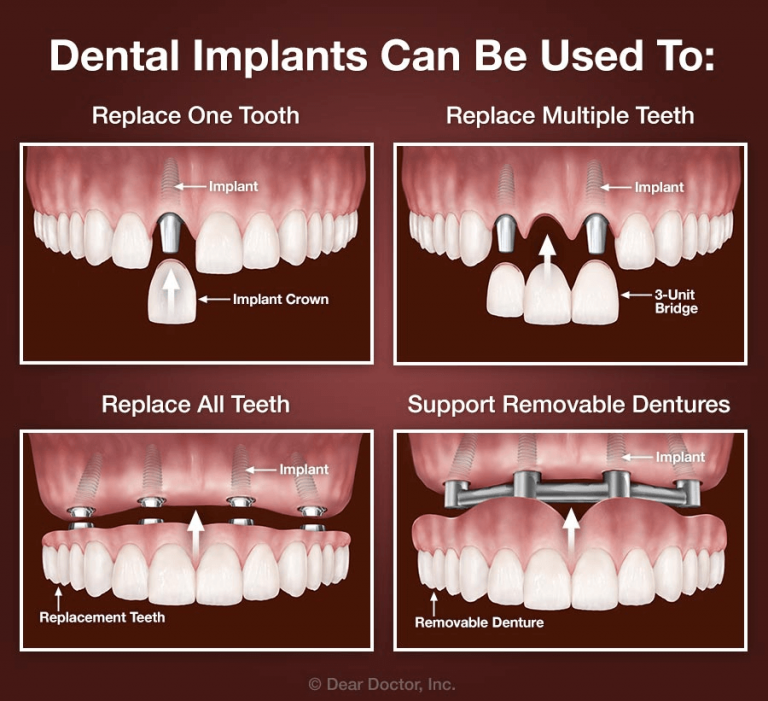
When considering tooth replacement, understanding the fundamentals is key. Single tooth implants, also known as “one implant one tooth,” are a standard solution. A dental implant consists of three main components: the fixture (the implant itself, surgically placed in the jawbone), the abutment (which connects the fixture to the crown), and the crown (the artificial tooth that is visible). A standard single implant is designed to replace one missing tooth, acting as an artificial tooth root that provides stability and function comparable to natural teeth. Single implants boast high success rates, with many lasting decades with proper care.
How a Single Implant Works
The magic behind a single implant lies in osseointegration, a biological process where the implant bonds directly with the jawbone. The titanium implant integrates with the surrounding bone tissue, creating a secure and stable foundation. This integration is what allows a single-tooth implant to function like a natural tooth root. This solid foundation offers superior results compared to other tooth replacement methods, as it prevents bone loss and provides unparalleled stability.
Can One Implant Support Multiple Teeth?
While the “one implant one tooth” approach is the standard, strategic placement can allow a single implant to support more. Is “multiple teeth one implant” a viable solution? One dental implant can support multiple adjacent teeth through an implant-supported bridge or partial denture. The number of teeth a single implant can realistically support depends on biomechanical principles related to load distribution, bone quality, and implant design. Compromising these factors can lead to implant failure, so careful planning is essential.
Implant-Supported Bridges Explained
An implant-supported bridge consists of one or more artificial teeth (pontics) anchored to one or more dental implants. The implants act as the support for the bridge, filling the gap created by missing teeth. Generally, a bridge can span 2-3 missing teeth with proper implant support. The precise number depends on several factors, including the patient’s bone quality, the diameter of the implant, and the location of the missing teeth. For example, replacing molars, which endure significant chewing force, may require more implants than replacing front teeth.
Load-Bearing Capacity and Implant Diameter
Implant diameter significantly impacts load-bearing capacity. Wider implants (5-6mm) can withstand greater chewing forces than narrower ones (3.5-4.5mm). Bone density also plays a crucial role. Dense, healthy bone provides a more stable foundation. When multiple teeth are supported by a single implant or a small number of implants, lateral forces increase. Careful planning and force distribution are critical to prevent implant overload and potential failure. This careful planning is a large part of the implantology in Albania process.
Different Implant Configurations for Multiple Missing Teeth
Replacing multiple missing teeth requires careful consideration of various treatment approaches. What are the available “implant treatment options”? Here’s an outline of the most common approaches:
- Individual implants for each tooth: Considered the gold standard for optimal function and longevity. Each missing tooth is replaced with its own implant, providing maximum stability and bone preservation.
- Implant-supported bridges: An economical option for spanning 2-3 missing teeth. The bridge is anchored to one or more implants.
- All-on-4 and All-on-6 systems: Specialized approaches for full-arch replacement, using 4-6 strategically placed implants to support an entire arch of teeth (12-14 teeth).
- Implant-supported dentures: Removable prosthetics stabilized by 2-4 implants. These dentures provide more stability than traditional dentures.
All-on-4 Technology
The All-on-4 implants system revolutionizes full-arch tooth replacement. It uses only four strategically angled implants to support a full set of teeth (12-14 teeth). The angled posterior implants provide biomechanical advantages, maximizing bone contact and reducing the need for bone grafting. This approach reduces the number of implants required, making it a more cost-effective and less invasive option compared to individual implants for each tooth.
All-on-6 and Beyond
While All-on-4 is effective, All-on-6 implants systems (6 implants supporting full arch) offer increased stability and longevity. Additional implants further distribute the biting forces, reducing stress on individual implants. In cases of poor bone quality or high bite forces, additional implants may be recommended to ensure long-term success. The dental team at dental clinic in Albania will consider all of these factors when deciding which configuration is best for each individual.
Factors Affecting Implant Load-Bearing Capacity
The success of any implant-supported restoration depends on various factors influencing implant success factors. Jawbone quality and density are paramount. Denser bone provides greater stability and support. Implant length and diameter are also important. Larger implants resist lateral forces more effectively. The implant material and design play a role. Modern titanium alloys and surface treatments optimize osseointegration. Angulation of the implant is crucial for force distribution. Finally, patient factors such as bite force, grinding habits, and overall health significantly impact implant longevity.
Bone Assessment and Planning
Bone density implants require careful assessment using cone-beam computed tomography (CBCT) scans, which provide detailed 3D images of the jawbone, allowing dentists to assess bone volume and density accurately. Bone augmentation procedures, such as bone grafts or sinus lifts, may be necessary to expand implant possibilities for patients with inadequate bone. Sinus lifts are very common with sinus lift in Albania procedures.
Single Implant vs. Multiple Implants: Benefits and Trade-offs
Choosing between treatment approaches requires weighing the benefits and trade-offs. What are the key considerations when deciding on “one implant vs multiple”?
| Aspect | Single Implant | Implant Bridge (1 implant, 2-3 teeth) | Multiple Individual Implants |
|---|---|---|---|
| Cost | Higher per-tooth | Moderate | Highest overall |
| Maintenance | Easier | Moderate | Easier |
| Longevity | Excellent (95%+ at 10 years) | Good | Excellent |
| Function | Natural feeling | Good | Most natural |
| Bone preservation | Optimal | Moderate | Optimal |
| Treatment time | 4-6 months | 4-6 months | Longer with multiple implants |
Individual implants are considered the gold standard due to their superior long-term outcomes, but bridges or consolidated implant solutions offer practical advantages in certain situations. Ultimately, financial feasibility and clinical needs guide the decision.
Frequently Asked Questions About Implant Capacity
Many questions arise when considering dental implants. Let’s address some frequently asked questions (“implant questions”) about implant capacity:
Can a Single Implant Replace 2 Teeth?
Yes, technically one implant can support a two-tooth bridge. However, this approach is generally not recommended for posterior teeth due to increased lateral forces. The bridge would be cantilevered from a single implant, concentrating stress. For anterior teeth with minimal bite force, single-implant bridges are occasionally used, although two implants remain the preferred standard.
What’s the Maximum Number of Teeth One Implant Can Support?
In practice, one implant should not support more than 2-3 teeth maximum. Attempting to support more teeth creates excessive cantilever stress and dramatically increases failure risk. The All-on-4 or All-on-6 approaches distribute the load across multiple implants for greater stability.
Is It Better to Get One Implant or Multiple Implants?
Individual implants provide superior long-term outcomes and are preferred when financially feasible. Multiple implants better distribute biting forces, preserve more jawbone, and offer independent functionality. However, implant bridges may be appropriate for specific clinical situations where 2-3 consecutive teeth are missing.
How Do Dentists Determine Implant Placement?
Prosthodontists and implant specialists use CBCT imaging and computer-aided design to plan optimal implant planning. They assess bone availability, determine implant size and number, and design prosthetics to distribute forces effectively. This personalized planning determines the implant’s capacity to support additional teeth.
Can Dental Implants Be Added Later?
Yes, additional implants can be placed in adjacent areas if initial treatment proves inadequate or if patient circumstances change. However, early comprehensive planning typically provides better long-term results and may reduce overall costs by avoiding subsequent procedures.
Cost Considerations for Implant Solutions
Understanding the cost implications is essential. What are the “dental implant cost” considerations? Single implants typically cost $1,500-$6,000, bridges span $3,000-$9,000+, and All-on-4/All-on-6 systems range from $15,000-$30,000+ depending on location and complexity. Insurance coverage varies, so checking your policy is vital. Dental tourism in Albania with Albania Dental Implants offers a cost-effective alternative. Long-term value calculations often favor implants over alternatives due to their durability and bone preservation benefits.
Maintenance and Longevity of Implant Restorations
Ensuring the longevity of your implants requires commitment. What does “implant maintenance” entail? Implant success depends on proper oral hygiene, regular professional cleanings, and avoiding excessive forces (grinding, hard foods). Well-maintained implants achieve 95%+ survival rates at 10 years, with many lasting 20+ years. The implant-supported restorations may require replacement or adjustment, but the implant fixture itself remains stable.
Alternatives to Dental Implants for Multiple Missing Teeth
While implants are a superior solution, alternatives exist. What are the “teeth replacement options”? Traditional options include fixed bridges (require tooth preparation) and removable dentures (require daily maintenance). Implants offer advantages in preserving bone, maintaining facial structure, and providing superior function. However, bridges and dentures may be suitable for individuals with specific medical conditions or financial constraints.
Conclusion
In conclusion, while one dental implant typically replaces one tooth, strategic planning and modern prosthetic techniques allow single implants to support 2-3 adjacent teeth through bridges. However, multiple individual implants remain the gold standard. For those interested in full arch replacement, all on 4 dental implants in Albania is a great option. Consulting with an implant specialist is crucial for determining the optimal treatment plan based on individual anatomy, bite force, aesthetic goals, and financial considerations. Schedule a professional evaluation with contact Albania Dental Implants today to explore personalized solutions for your specific tooth replacement needs and reclaim your confident smile.





