




How much do crowns cost in the UK? This is a question on the minds of many seeking dental restoration. The cost can vary significantly, depending on several factors including whether you opt for NHS treatment or private care, the type of material used, and the complexity of your individual case. Let’s delve into the details to provide a clear understanding of dental crown pricing in the UK.
What Is a Dental Crown and Why Might You Need One?
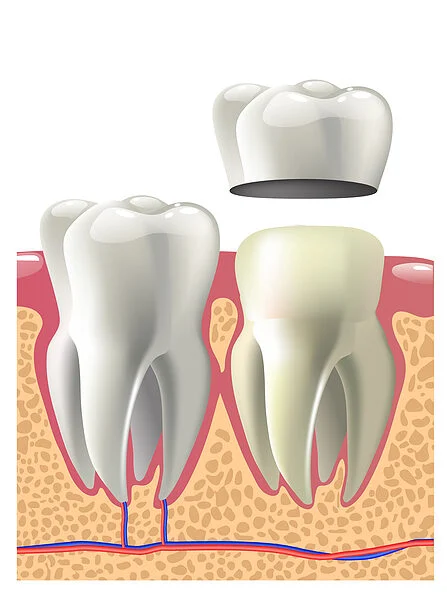
A dental crown, a popular dental restoration, is a custom-made cap that covers a damaged or weakened tooth. Think of it as a protective helmet for your tooth, restoring its shape, size, strength, and improving its appearance. Crowns are a long-term solution, making them a worthwhile investment for many.
Common Reasons for Needing a Crown
- Protecting a weak tooth: From decay or cracking.
- Restoring a broken tooth: Bringing back its original shape and function.
- Covering a dental implant: Securing the implant and providing a natural-looking tooth.
- Covering a discolored or poorly shaped tooth: Enhancing your smile’s aesthetics.
- After a root canal: Providing extra support and protection to the treated tooth.
Types of Materials Used for Crowns
The material used for your crown significantly impacts its cost and aesthetics. Here’s a breakdown of common options:
- Porcelain: Offers a natural look and is ideal for front teeth.
- Metal (Gold or Alloys): Extremely durable and can withstand biting forces, often used for back molars.
- Ceramic: A strong and biocompatible option, suitable for those with metal allergies.
- Porcelain-fused-to-metal (PFM): A combination of strength and aesthetics, offering a balance of both.
- Zirconia: Exceptionally strong and natural-looking, making it a popular choice for both front and back teeth.
How Much Do Dental Crowns Cost in the UK? (Average Price Breakdown)
The average cost of dental crowns UK varies substantially. The primary factors are whether you choose NHS or private treatment, and the materials utilized for the crown. Let’s break down the typical price ranges:
NHS vs Private Dental Crown Costs
Accessing dental care through the NHS offers a more affordable route for many. The NHS operates on a banded system of charges.
NHS Dental Crown Costs (2024):
- Band 3: £319.10 – This covers crowns, bridges, and dentures. This is a set price, regardless of the material used.
Private Dental Crown Costs:
Private dental practices offer a wider choice of materials and potentially shorter waiting times, but at a higher cost. Here’s a general price range:
- Porcelain Crowns: £500 – £1,200
- Metal Crowns (Gold or Alloys): £600 – £1,500
- Ceramic Crowns: £650 – £1,300
- Zirconia Crowns: £800 – £1,500
Typical Price Ranges for Different Types of Crowns
The price of a dental crown depends on the type of material used, reflecting differences in durability, aesthetics, and the complexity of the manufacturing process.
- Porcelain Crowns: Popular for their natural appearance, these typically range from £500 to £1,200.
- Gold Crowns: Known for their durability, gold crowns can cost between £600 and £1,500.
- Ceramic Crowns: Aesthetically pleasing and biocompatible, ceramic crowns generally range from £650 to £1,300.
- Zirconia Crowns: Offering excellent strength and aesthetics, zirconia crowns usually cost between £800 and £1,500.
Example Cost Breakdown by Region
Dental crown costs can vary across different regions in the UK. For example, London and the South East tend to have higher prices compared to the North of England or Wales. This is often due to higher overhead costs for dental practices in these areas.
While specific regional breakdowns are subject to individual clinic pricing, it’s advisable to compare quotes from several local dentists to get a clear understanding of the average cost in your area.
NHS vs Private: What Is the Difference in Crown Cost and Service?
Choosing between NHS and private dental care for a dental crown involves considering several factors beyond just the initial cost. The service, materials, and waiting times can differ significantly.
What is Included in NHS Band 3 vs Private Pricing?
NHS Band 3:
- Covers the cost of the crown itself, including fitting and necessary adjustments.
- Limited choice of materials; typically, a PFM (porcelain-fused-to-metal) crown is offered for back teeth and a composite or acrylic crown for front teeth.
- Does not usually include cosmetic enhancements or premium materials.
Private Pricing:
- Includes a wider range of materials like porcelain, ceramic, and zirconia.
- Often offers a more personalized service with detailed consultations and cosmetic considerations.
- May include additional services like digital impressions and advanced imaging.
Pros and Cons: Waiting Time, Choice of Materials, Aftercare
- Waiting Time: NHS waiting times can be longer, while private practices usually offer quicker appointments.
- Choice of Materials: Private care provides a greater selection of materials, allowing for better aesthetics and durability.
- Aftercare: Both NHS and private practices offer aftercare advice, but private practices may include more comprehensive follow-up appointments.
Eligibility and Access
NHS: Access is available to all UK residents, but availability may be limited depending on the area and demand.
Private: Open to anyone who can afford the fees. Dental insurance plans can help offset these costs.
What Factors Affect the Cost of Crowns in the UK?
Several factors can influence the ultimate cost of your dental crown in the UK. Understanding these elements can help you anticipate and manage expenses effectively.
Materials (Porcelain, Metal, Zirconia, Composite)
The type of material used is one of the biggest factors. Porcelain and zirconia crowns, prized for their natural appearance and durability, tend to be more expensive than metal or composite options. Material costs, manufacturing processes, and aesthetic qualities all contribute to these price differences.
Tooth Location (Front, Back, Molar, etc.)
The location of the tooth needing a crown can also affect the price. Front teeth, which require a more aesthetically pleasing result, often necessitate the use of premium materials like porcelain or ceramic. Molars, which endure greater biting forces, might benefit from stronger, more durable materials like metal or zirconia, influencing the overall cost.
Dentist/Clinic Reputation and Location
Highly reputable dentists and clinics, particularly those in affluent areas, often charge more due to their expertise, advanced technology, and higher overhead costs. Clinics in major cities like London tend to be pricier than those in smaller towns or rural areas.
Any Extra Treatment Needed (Root Canal, X-Rays, etc.)
Additional treatments, such as a root canal, tooth extraction, or X-rays, will add to the overall cost. A root canal, often necessary before placing a crown on a decayed tooth, can significantly increase the total expense. Similarly, comprehensive X-rays are essential for assessing the tooth’s condition and planning the crown placement.
Are Payment Plans or Dental Insurance Accepted for Crowns?
Managing the cost of a dental crown can be easier with payment plans and dental insurance. Understanding these options helps make necessary dental care more accessible.
Overview of Typical Payment Plans
Many dental practices offer payment plans that allow you to spread the cost of treatment over several months or years. These plans may be offered directly by the practice or through third-party finance providers. It’s essential to check the interest rates and terms before committing to a payment plan. Interest-free options are often available, making them an attractive choice.
Major Dental Insurance Providers and Coverage for Crowns
Dental insurance can significantly reduce the out-of-pocket expenses for crowns. Major providers in the UK include:
- Bupa Dental Care
- Denplan
- Simplyhealth
Coverage varies depending on the plan, so it’s crucial to review the policy details. Most policies have a waiting period before you can claim for major treatments like crowns. Some plans may cover a percentage of the cost, while others offer a fixed amount.
How to Choose the Right Dentist for Your Dental Crown
Selecting the right dentist for your dental crown is a crucial step in ensuring a successful and satisfactory outcome. Here’s what to look for.
What to Look for in a Dental Provider
- Qualifications and Experience: Ensure the dentist is fully qualified and has extensive experience in placing crowns.
- Technology and Equipment: Modern dental practices use advanced technology like digital X-rays and CAD/CAM systems, which can improve the precision and fit of your crown.
- Range of Materials: A good dentist will offer a variety of crown materials to suit your needs and budget.
- Clear Communication: The dentist should clearly explain the procedure, material options, and costs involved.
Importance of Experience and Qualifications
An experienced dentist is more likely to deliver a high-quality crown that fits well and lasts longer. Check the dentist’s credentials, read reviews, and ask about their experience with crown placements.
Checking Reviews and Before/After Cases
Online reviews and testimonials can provide valuable insights into other patients’ experiences. Before-and-after photos can give you an idea of the dentist’s aesthetic skills and the quality of their work. Take the time to research and choose a dentist with a proven track record.
Alternatives to Dental Crowns: Are There Cheaper Options?
While dental crowns are a reliable solution for damaged teeth, there are alternative, often cheaper, options to consider. The suitability of these alternatives depends on the extent of the damage and your individual needs.
Brief Description of Onlays, Inlays, Large Fillings
- Onlays and Inlays: These are similar to fillings but cover a larger portion of the tooth. They are made in a lab and then bonded to the tooth. Onlays cover one or more cusps (the pointed parts) of the tooth, while inlays fit within the cusps.
- Large Fillings: For smaller areas of decay or damage, a large filling might be sufficient. Fillings are a more direct and less invasive option than crowns.
When These May Be Appropriate Instead of Crowns
Alternatives like onlays, inlays, and large fillings are suitable when the tooth has moderate damage but is still structurally sound. If the tooth is severely cracked or decayed, a crown is usually the better option for long-term protection and stability.
For those seeking to save on costs without compromising on quality, consider exploring options for dental tourism in Albania. At Albania Dental Implants, we provide affordable and high-quality dental crown services. Feel free to contact Albania Dental Implants to learn more about our services.
FAQ Section
How much do crowns cost in the UK on the NHS?
On the NHS, crowns are included in Band 3 treatments, which cost £319.10 (as of 2024). This price is fixed regardless of the type of crown material used.
How much do private dental crowns cost in the UK?
Private dental crown costs in the UK vary depending on the material used. Porcelain crowns range from £500 to £1,200, metal crowns from £600 to £1,500, ceramic crowns from £650 to £1,300, and zirconia crowns from £800 to £1,500.
What is included in the price of a dental crown?
The price typically includes the consultation, preparation of the tooth, the crown itself, fitting, and any necessary adjustments. Private options may also include additional cosmetic considerations and advanced imaging.
Does dental insurance cover the cost of crowns?
Many dental insurance plans cover a portion of the cost of crowns, but the extent of coverage varies depending on the policy. Review your policy details for specific coverage amounts and waiting periods.
Is it cheaper to get a crown abroad?
Yes, getting a crown abroad, such as in Albania, can be significantly cheaper. Combined with the cost of dental implants in Albania, the overall savings can be substantial.
How long do dental crowns last?
Dental crowns typically last between 5 and 15 years, depending on the material, oral hygiene, and lifestyle habits.
Can I spread the cost of a dental crown?
Yes, many dental practices offer payment plans or financing options to spread the cost of a dental crown over several months or years.
What affects the price of a dental crown?
The price is affected by the material used, the location of the tooth, the dentist’s reputation, and any additional treatments needed.
Are there any hidden fees with dental crown treatment?
It’s essential to ask for a detailed treatment plan and cost breakdown to avoid any unexpected fees. Common additional costs may include X-rays, root canals, or temporary crowns.
What’s the difference between porcelain and metal crowns in price?
Porcelain crowns generally cost between £500 and £1,200, while metal crowns range from £600 to £1,500. Porcelain is more aesthetically pleasing, while metal is known for its durability.
Final Tips for Managing the Cost of Dental Crowns in the UK
Managing the cost of dental crowns requires a strategic approach. Here are some practical tips to help you find affordable options without compromising on quality.
Tips on Finding Affordable Options
- Compare Quotes: Get quotes from multiple dentists to compare prices and treatment plans.
- Consider NHS Treatment: If you’re eligible, NHS treatment can be a more affordable option.
- Explore Dental Insurance: Look into dental insurance plans that cover a portion of the cost of crowns.
- Look for Payment Plans: Many dental practices offer payment plans to spread the cost over time.
- Consider Dental Tourism: Exploring options abroad, such as dental crowns in Albania, can offer significant savings.
Questions to Ask Your Dentist
- What type of material do you recommend for my crown, and why?
- What is the total cost of the treatment, including all associated fees?
- Do you offer any payment plans or financing options?
- What is your experience with placing crowns, and can I see before-and-after photos?
Importance of Comparing Quotes
Comparing quotes from different dentists is crucial for finding the best price. Be sure to compare the treatment plans and materials offered, not just the bottom-line cost. This ensures you’re making an informed decision based on both price and quality.
Considering all your options, including potentially travelling abroad for more affordable treatment, could be a game-changer. Our services in Albania can provide you with significant savings while ensuring top-quality dental work. Don’t hesitate to contact Albania Dental Implants to learn more and discuss your specific needs. If you are interested in cosmetic dentistry in Albania then give us a call. For affordable and reliable dental services, many are turning to dental tourism in Albania Also, if you are searching for more options such as full mouth reconstruction in Albania we can help. Moreover, we can offer dental implants in Albania if you are looking for other options. If you want a perfect smile we can offer you dental veneers in Albania





