



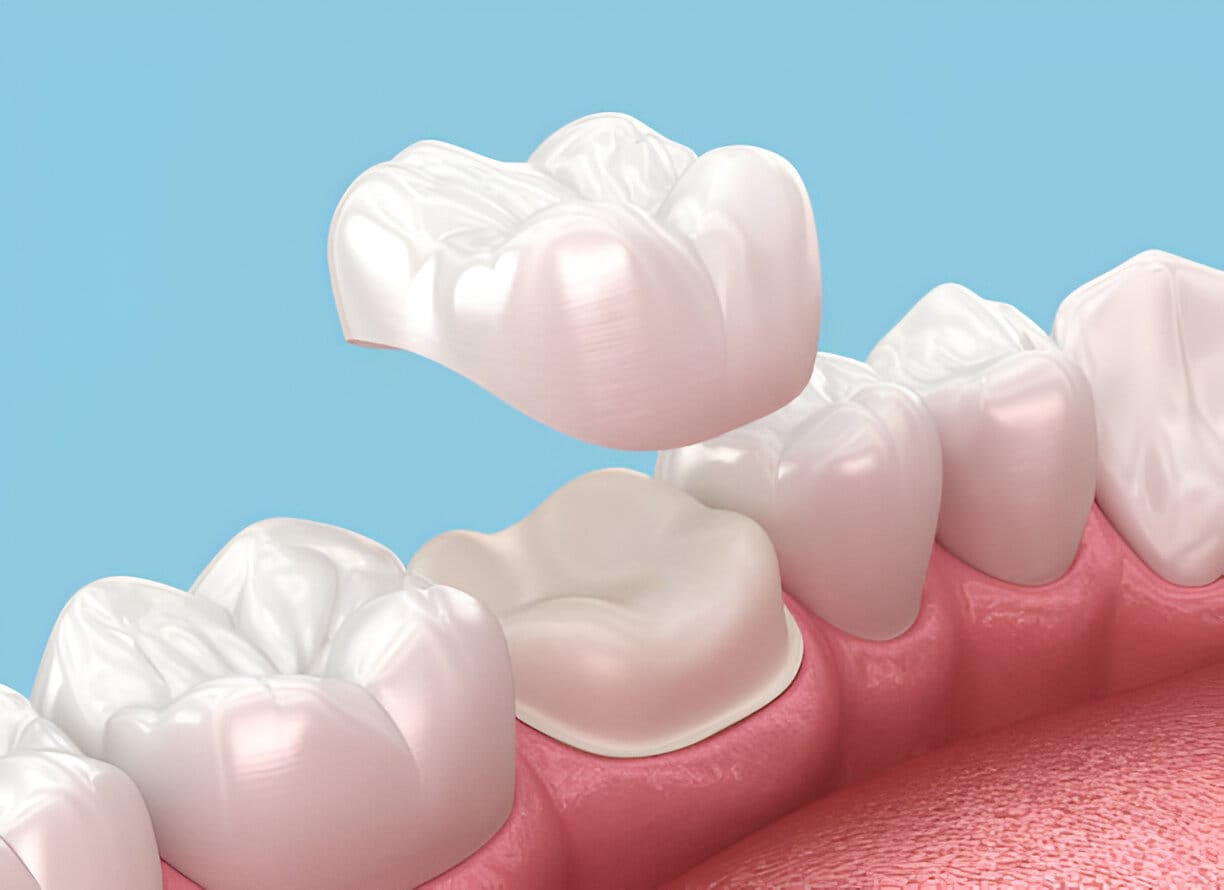

How much is a crown on the NHS? This is a common question for individuals in the UK needing dental restoration but concerned about costs. Understanding the NHS dental charges, available treatments, and potential exemptions is essential for making informed decisions about your oral health.
NHS dental charges explained
The NHS provides dental care based on a banding system, where treatments are grouped into different bands, each with a set price. Understanding these NHS dental charges is key to knowing what you’ll pay for your dental care.
NHS dental bands overview
NHS dental charges are divided into three main bands:
- Band 1: This covers examinations, diagnosis, advice, and preventative care like scale and polish.
- Band 2: Includes everything in Band 1, plus further treatment such as fillings, root canal work, and extractions.
- Band 3: This covers everything in Bands 1 and 2, along with more complex procedures like crowns, dentures, and bridges.
What is included in NHS Band 3 dental treatment?
NHS Band 3 treatment includes all the services covered in Bands 1 and 2, in addition to more complex restorative treatments such as:
- Crowns
- Dentures
- Bridges
- Inlays
- Onlays
For example, at Albania Dental Implants, we offer various dental crowns in albania, a popular choice for restoring damaged teeth, with high-quality materials that suit your preferences. This comprehensive care ensures your oral health needs are fully addressed within the NHS framework.
The cost of a crown on the NHS
When considering getting a crown, the dental crown cost UK can be a significant factor. The NHS offers crowns under its Band 3 treatment, making them more accessible than private options.
Current NHS crown price (2025)
As of 2025, the NHS Band 3 treatment, which includes crowns, is priced at £319.10 in England. This price covers the entire procedure, from initial assessment to fitting the crown. It’s important to note that prices may vary slightly in Wales, Scotland, and Northern Ireland.
What affects the cost?
The NHS crown price is fixed for Band 3 treatments, so the specific type of crown (within NHS options) doesn’t usually affect the price. The complexity of your individual case shouldn’t alter the Band 3 charge either. However, additional treatments needed alongside the crown fitting may influence the final bill.
How does NHS crown cost compare to private?
The cost of a crown on the NHS is considerably lower than private dental care. Private dental crown costs can range from £500 to over £1000 per crown, depending on the material and the clinic’s location. This makes the NHS a more affordable option for many, although there may be differences in materials and waiting times.
Types of crowns available on the NHS
Understanding the types of crowns available on NHS is crucial for making informed decisions about your dental treatment. While the NHS offers affordable options, the materials and choices may differ from private dentistry.
Which materials are offered?
The NHS generally provides the following crown materials:
- Metal Crowns: Typically made from non-precious alloys, these are strong and durable, making them suitable for back teeth.
- Porcelain-fused-to-metal (PFM) Crowns: These offer a balance between aesthetics and strength, with a metal base covered by a porcelain layer.
- Acrylic or Composite Crowns: These are less common due to their lower durability, but may be used as temporary crowns.
According to the NHS, the choice of material is usually based on clinical need and the dentist’s assessment of the most suitable option for your specific situation. You can usually get a white or tooth-coloured crown on the NHS, especially for front teeth, but the specific type may depend on availability and clinical suitability.
When might you not be eligible for a certain type?
While the NHS aims to provide aesthetically pleasing options, certain restrictions may apply. For example, a specific type of white crown might not be available if it’s deemed not clinically necessary for a back tooth, where appearance is less critical. If you desire a specific material that isn’t typically offered, your dentist might refer you to private treatment. It is also possible to consider cosmetic dentistry in albania to restore your dental health and wellness.
Who can get a crown on the NHS?
Patient eligibility for NHS dental treatments, including crowns, depends on several factors. Understanding these criteria ensures you know whether you qualify for NHS dental care and any potential NHS dental charges exemptions.
Patient eligibility
To be eligible for NHS dental treatment, including crowns, you generally need to be a resident in the UK. However, there are also specific eligibility criteria based on individual circumstances:
- You must be registered with an NHS dentist.
- Your dentist must deem the crown clinically necessary to maintain or restore your oral health.
NHS dental charge exemptions and help with costs
Certain groups are automatically exempt from NHS dental charges. These include:
- People under 18.
- Pregnant women and those who have had a baby in the last 12 months.
- People receiving certain benefits like Income Support, income-based Jobseeker’s Allowance, income-related Employment and Support Allowance, or Universal Credit (if meeting specific criteria).
Additionally, those receiving Pension Credit Guarantee Credit are also entitled to free NHS dental treatment. Individuals who receive Personal Independence Payment (PIP) do not automatically qualify for free treatment, but they may be eligible if they also receive one of the qualifying benefits mentioned above.
How do I get a crown on the NHS?
The process of getting a crown on the NHS involves several steps, from the initial consultation to the final fitting. Knowing what to expect can help ease any anxiety and ensure a smooth experience.
The process: step by step
- Initial Consultation: Your dentist will examine your tooth to determine if a crown is necessary. This may involve X-rays to assess the tooth’s root and surrounding bone.
- Treatment Planning: If a crown is deemed appropriate, your dentist will discuss the available options, materials, and the overall treatment plan.
- Tooth Preparation: The tooth will be prepared by removing any decay and shaping it to properly fit the crown.
- Impressions: An impression of your tooth will be taken to create a custom-made crown in a dental laboratory.
- Temporary Crown: A temporary crown may be fitted to protect the prepared tooth while the permanent crown is being made.
- Fitting the Permanent Crown: Once the permanent crown is ready, you’ll return to have it fitted and adjusted for a comfortable and secure fit.
What to expect at your appointment
During your appointment, your dentist will administer a local anaesthetic to numb the area around the tooth, ensuring a pain-free experience. The tooth preparation involves carefully shaping the tooth to create space for the crown. Impressions are taken using a putty-like material that hardens quickly. The fitting process involves checking the crown’s fit, bite, and appearance, making any necessary adjustments for optimal comfort and function. If you need oral surgery in albania, our professional team can provide you with the best treatment.
NHS vs. private crowns
Choosing between NHS and private crowns involves considering several factors, including cost, materials, and waiting times. Understanding the differences can help you make the best decision for your needs and budget.
Differences in cost and materials
The most significant difference between NHS and private crowns is the cost. NHS crowns are significantly cheaper due to the subsidised pricing structure. However, this often means fewer material options. Private crowns offer a wider range of materials, including:
- All-ceramic Crowns: Known for their natural appearance, these are a popular choice for front teeth.
- Zirconia Crowns: Highly durable and aesthetically pleasing, zirconia crowns are a premium option.
- Gold Crowns: While not as common, gold crowns are incredibly strong and biocompatible.
NHS crowns typically include metal, porcelain-fused-to-metal, and sometimes composite materials. The NHS prioritises clinical need and functionality, while private options focus more on aesthetic preferences. You may also consider Albania Dental Implants Services, where we offer high-quality dental services at affordable prices.
Advantages and disadvantages
NHS Crowns:
- Advantages: More affordable, accessible, and cover clinical needs.
- Disadvantages: Limited material choices, longer waiting times, and less emphasis on aesthetics.
Private Crowns:
- Advantages: Wider range of materials, shorter waiting times, and greater focus on aesthetics.
- Disadvantages: Significantly more expensive and may not be accessible for everyone.
Frequently asked questions (FAQ)
Here are answers to some common questions about getting a crown on the NHS.
How much is a crown on the NHS in 2025?
As of 2025, a crown on the NHS costs £319.10 in England. This price falls under Band 3 of NHS dental charges.
What is included in the price of an NHS crown?
The NHS Band 3 charge includes all necessary appointments, including the initial examination, tooth preparation, impressions, fitting of a temporary crown (if needed), and the fitting of the permanent crown.
Do NHS dental charges cover all types of crowns?
NHS dental charges cover the provision of a clinically appropriate crown. The specific type of crown depends on the dentist’s assessment and the available materials within the NHS system. If you are searching for dental tourism in albania, please check out our services.
Can anyone get an NHS crown, or are there restrictions?
Anyone who is a UK resident and registered with an NHS dentist can be considered for a crown. However, the dentist must deem the crown clinically necessary for maintaining or restoring oral health.
What is the process for getting a crown on the NHS?
The process involves an initial examination, treatment planning, tooth preparation, impressions, temporary crown (if needed), and fitting the permanent crown.
Are there exemptions for the cost of NHS crowns?
Yes, exemptions apply to those under 18, pregnant women, new mothers (within 12 months of giving birth), and individuals receiving certain benefits like Income Support, income-based Jobseeker’s Allowance, income-related Employment and Support Allowance, Pension Credit Guarantee Credit or Universal Credit (if meeting specific criteria).
What’s the difference between NHS crowns and private crowns?
NHS crowns are more affordable but offer fewer material options and may have longer waiting times. Private crowns provide a wider range of materials and focus more on aesthetics but are significantly more expensive. This is something to note when comparing are private crowns better than NHS.
How long does it take to get a crown on the NHS?
Waiting times for NHS dental treatment can vary depending on the demand and the dentist’s availability. It may take several weeks or months to complete the entire process.
Are NHS crowns permanent?
NHS crowns are designed to be durable and long-lasting, but they may need replacement in the future due to wear and tear or other dental issues.
Why might my dentist refer me to private treatment?
Your dentist may refer you to private treatment if you require a specific material or aesthetic outcome not available on the NHS, or if your case is particularly complex.
What types of NHS crowns are available for back/front teeth?
For back teeth, metal or porcelain-fused-to-metal crowns are common due to their strength. For front teeth, porcelain-fused-to-metal or composite crowns may be used to provide a more natural appearance.
Can you get a white crown on the NHS?
Yes, you can often get a white crown on the NHS, especially for front teeth. The specific type will depend on clinical suitability and availability.
Will my NHS crown look natural?
NHS crowns aim to provide a functional and aesthetically acceptable result. While they may not match the natural appearance of premium private options, they are designed to blend in with your surrounding teeth.
Can I choose the material for my NHS crown?
The choice of material is usually based on clinical need and the dentist’s assessment. While you can express your preferences, the final decision rests with the dentist to ensure the best outcome for your oral health.
Ultimately, whether you choose an NHS crown or opt for private treatment, remember that maintaining good oral hygiene and attending regular check-ups are essential for the long-term health and success of your dental restoration. If you’re exploring affordable options for restoring your smile, consider the high-quality and cost-effective dental treatments available at Albania Dental Implants. Contact us today to learn more about our services and how we can help you achieve a healthy, confident smile.