



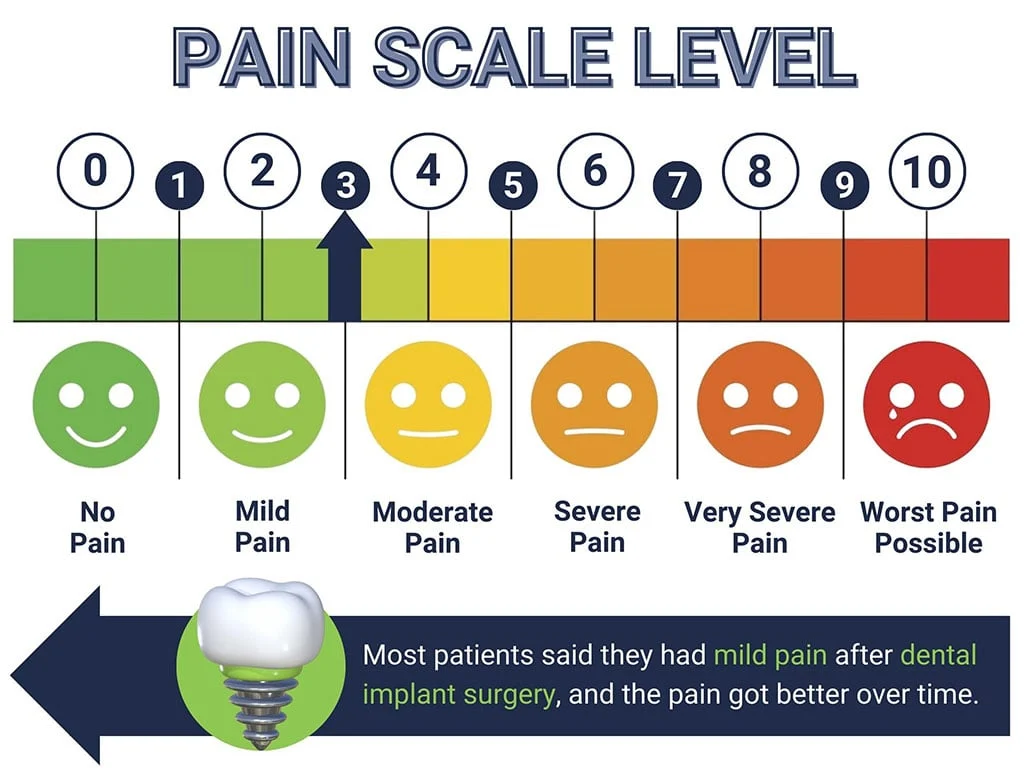

How painful are dental implants? Many people considering tooth replacement worry about the pain associated with dental implant surgery, the recovery process, and what to expect afterwards. This comprehensive guide, brought to you by Albania Dental Implants, aims to address those concerns and provide a clear understanding of what to expect before, during, and after the procedure. We believe everyone deserves a confident smile, and understanding the process is the first step.
Dental Implant Pain Explained
Let’s delve into the intricacies of dental implant pain. It’s natural to wonder about the level of dental implant discomfort you might experience. The good news is that modern techniques and pain management strategies have significantly reduced discomfort associated with dental implants. It’s important to distinguish between discomfort and pain, and to understand when each might occur.
What is a Dental Implant and When Might Pain Occur?
A dental implant is essentially an artificial tooth root, typically made of titanium, that is surgically placed into the jawbone. Over time, the bone fuses with the implant in a process called osseointegration, providing a stable base for a replacement tooth (crown), bridge, or denture. Dental implants in Albania, offered by Albania Dental Implants, offer a permanent and aesthetically pleasing solution for missing teeth. The stages where pain or discomfort might occur are:
- During the procedure: This is usually minimised with local anaesthesia or sedation.
- Immediately after the procedure: Some soreness and discomfort are expected as the anaesthesia wears off.
- During the healing process: Mild discomfort may persist for a few days as the tissues heal.
- In rare cases, due to complications: Infection or nerve damage could cause more significant pain, which requires prompt attention.
Differences in Sensations: During and After the Procedure
During the dental implant procedure, patients should not feel any sharp pain thanks to local anaesthetic. You might feel pressure or vibrations, but it should not be painful. Post-operative sensations will vary. Most patients report mild to moderate discomfort, often described as soreness, aching, or throbbing. This is generally well-managed with over-the-counter or prescription pain medication. The type of implant procedure can impact the level of pain. For instance, immediate loading dental implants in Albania could have a different pain profile compared to traditional implants.
How painful are dental implants compared to tooth extractions?
Many patients find that dental implant placement is comparable to, or even less painful than, a tooth extraction. Extractions often involve more trauma to the surrounding tissues, leading to increased post-operative pain. With modern implant techniques and effective pain management, implant surgery can be a relatively comfortable experience. Also, it’s important to choose an experienced clinic to ensure high-quality services. For example, Albania Dental Implants Services offers you an exceptional experience.
What Happens During Dental Implant Surgery?
Understanding what happens during the procedure can alleviate dental implant anxiety and help you feel more prepared. At Albania Dental Implants, we prioritize patient comfort and ensure a stress-free experience. Local anaesthetic dental implants are the norm, but we also offer various sedation options to cater to individual needs.
Numbing Agents and Sedation Options
The cornerstone of a pain-free dental implant procedure is effective anaesthesia. Local anaesthetic is used to numb the area surrounding the implant site, ensuring that you don’t feel any pain during the surgery. Different types of local anaesthetics are available, and your dentist will choose the most appropriate one based on your individual needs. For those with dental implant anxiety, sedation options are also available:
- Nitrous oxide (laughing gas): This mild sedative helps you relax during the procedure.
- Oral sedation: A pill taken before the procedure to reduce anxiety.
- Intravenous (IV) sedation: A deeper level of sedation administered through a vein, allowing you to be completely relaxed or even fall asleep during the surgery.
Will I Feel Pain During the Procedure?
With proper anaesthesia and sedation, you should not feel any pain during the dental implant procedure. Some patients report feeling pressure or vibrations, but this is generally not painful. If you experience any discomfort, it’s important to communicate with your dentist, who can adjust the anaesthesia or sedation as needed. Albania Dental Implants places high emphasis on ensuring that the patient feels comfortable and at ease during the process.
Managing Anxiety and Expectations
Dental anxiety is common, and it’s important to address it before undergoing any dental procedure. Here are some tips for managing anxiety:
- Communicate with your dentist: Discuss your fears and concerns, and ask any questions you have.
- Choose a dentist with experience and a calming demeanor: A good dentist will be patient and understanding, and will take the time to explain the procedure in detail.
- Listen to music or watch a movie during the procedure: This can help distract you from any anxiety you may be feeling.
- Consider sedation options: As mentioned earlier, sedation can help you relax and feel more comfortable during the procedure.
Setting realistic expectations is also important. While you shouldn’t feel pain during the procedure, it’s normal to experience some discomfort afterwards. Understanding this can help you manage your expectations and prepare for the recovery process.
Are you put to sleep for dental implants?
While local anaesthesia is typically sufficient to eliminate pain during the dental implant procedure, various sedation options are available to manage anxiety and ensure patient comfort. These range from mild sedation, such as nitrous oxide, to deeper sedation methods like IV sedation, where you may feel sleepy or completely unaware of the procedure. The choice depends on the individual’s anxiety level and the complexity of the case. For patients who would like to sleep during the procedure, IV Sedation is an option.
What Does Pain Feel Like After Dental Implant Surgery?
Understanding what to expect in terms of pain after dental implant surgery can help you prepare for the recovery process. The dental implant healing process involves a period of adjustment as the tissues around the implant site heal. It’s important to distinguish between normal post-surgical symptoms and warning signs that may require professional attention.
Typical Pain Timeline: First Hours, First Week, and Beyond
The pain timeline after dental implant surgery typically follows this pattern:
- First few hours: As the anaesthesia wears off, you may experience some soreness, throbbing, or aching. This is usually mild to moderate and can be managed with pain medication.
- First week: The discomfort may persist for the first few days, gradually decreasing over the course of the week. Swelling and bruising are also common during this time.
- Beyond the first week: Most patients experience significant improvement in their pain levels after the first week. Any residual discomfort is usually mild and easily managed.
Normal Post-Surgical Symptoms Versus Warning Signs
It’s important to be aware of the normal post-surgical symptoms and to recognize warning signs that may indicate a complication. Normal symptoms include:
- Mild to moderate pain
- Swelling
- Bruising
- Slight bleeding
- Tenderness around the implant site
Warning signs that require immediate attention from your dentist include:
- Severe pain that is not relieved by pain medication
- Excessive bleeding
- Signs of infection, such as fever, chills, or pus
- Numbness or tingling that persists beyond the first few days
- Implant mobility (feeling the implant move)
If you experience any of these warning signs, contact Albania dental implants immediately.
How long does pain last after dental implants?
The duration of pain after dental implant surgery varies from person to person. Typically, most patients experience the most intense discomfort within the first 24 to 72 hours, which then gradually subsides over the next week. Some mild soreness or sensitivity may persist for a few weeks, but it is usually manageable with over-the-counter pain relievers or prescribed medication. If pain persists for longer than expected or worsens, it’s important to consult with your dentist.
Dental Implant Recovery and Aftercare
Proper dental implant recovery is crucial for successful osseointegration and long-term implant success. Following the recommended aftercare for dental implants instructions can significantly reduce pain and swelling, and promote healing. At Albania Dental Implants, we provide detailed post-operative instructions and support to ensure a smooth recovery.
Tips to Reduce Pain and Swelling
Here are some tips to help reduce pain and swelling after dental implant surgery:
- Apply ice packs to the affected area: Apply ice packs for 20 minutes at a time, several times a day, for the first 24-48 hours.
- Take pain medication as prescribed: Follow your dentist’s instructions for taking pain medication.
- Rest and avoid strenuous activities: Allow your body to rest and heal by avoiding strenuous activities for the first few days.
- Eat soft foods: Avoid hard, crunchy, or chewy foods that could irritate the implant site.
- Maintain good oral hygiene: Gently brush and floss around the implant site, being careful not to disturb the healing tissues.
- Rinse with warm salt water: Rinse your mouth with warm salt water several times a day to promote healing and reduce inflammation.
- Avoid smoking and alcohol: Smoking and alcohol can impair healing and increase the risk of complications.
Medications and At-Home Care
Your dentist may prescribe pain medication to help manage discomfort. Over-the-counter pain relievers, such as ibuprofen or paracetamol, can also be effective. In addition to medication, proper at-home care is essential. This includes:
- Gentle brushing and flossing
- Warm salt water rinses
- Avoiding smoking and alcohol
- Eating soft foods
Timeline for Returning to Normal Activities
The timeline for returning to normal activities varies depending on the individual and the extent of the surgery. Most patients can return to work or school within a few days, but it’s important to avoid strenuous activities for at least a week. Complete osseointegration, the process of the bone fusing with the implant, can take several months. During this time, it’s important to follow your dentist’s instructions and attend all follow-up appointments. Albania Dental Implants offers you high-quality dental services with long-lasting implants.
What can I do if the pain gets worse or doesn’t go away?
If your pain worsens or does not subside as expected, it’s crucial to contact your dentist immediately. Persistent or increasing pain could be a sign of complications such as infection, nerve damage, or implant failure. Prompt intervention can help address the issue and prevent further problems.
Managing and Preventing Dental Implant Pain
Effective managing dental implant pain involves a combination of medication, home care, and communication with your dentist. Understanding potential complications with dental implant pain can help you recognize warning signs and seek prompt treatment. At Albania Dental Implants, we prioritize patient comfort and offer comprehensive pain management strategies.
Pain Management Techniques
Several pain management techniques can be used to alleviate discomfort after dental implant surgery:
- Over-the-counter pain relievers: Ibuprofen and paracetamol can be effective for mild to moderate pain.
- Prescription pain medication: Your dentist may prescribe stronger pain medication for more severe pain.
- Cold compresses: Applying cold compresses to the affected area can help reduce swelling and pain.
- Warm salt water rinses: Rinsing with warm salt water can promote healing and reduce inflammation.
What’s Normal Versus When to Call Your Dentist
It’s important to distinguish between normal post-operative discomfort and warning signs that require professional attention. As mentioned earlier, normal symptoms include mild to moderate pain, swelling, and bruising. However, if you experience any of the following, contact your dentist immediately:
- Severe pain that is not relieved by pain medication
- Excessive bleeding
- Signs of infection
- Numbness or tingling
- Implant mobility
Possible Complications That May Cause Excessive or Prolonged Pain
While dental implants are generally safe and successful, complications can occur in rare cases. These complications may cause excessive or prolonged pain:
- Infection: Infection around the implant site can cause pain, swelling, and redness.
- Nerve damage: Damage to nearby nerves can cause numbness, tingling, or pain.
- Sinus problems: Implants placed in the upper jaw can sometimes protrude into the sinus cavity, causing pain and sinus problems. Sinus lift in Albania can help avoid such issue.
- Implant failure: In rare cases, the implant may not fuse properly with the bone, leading to implant failure and pain.
What are the signs of infection or implant failure?
Signs of infection after dental implant surgery include persistent throbbing pain, redness and swelling around the implant site, pus or discharge, fever, and a foul taste in the mouth. Signs of implant failure may include increased implant mobility, difficulty chewing, pain or discomfort when biting down, and gum recession around the implant. If you suspect an infection or implant failure, it’s essential to seek immediate dental care.
What pain medications are safe after dental implant surgery?
Both over-the-counter and prescription pain medications can be used safely after dental implant surgery. Over-the-counter options such as ibuprofen (Nurofen) and paracetamol (Panadol) are often sufficient for managing mild to moderate pain. If the pain is more severe, your dentist may prescribe stronger pain relievers such as codeine or tramadol. Always follow your dentist’s instructions regarding dosage and frequency of medication use.
How can I reduce my anxiety about dental implant pain?
Reducing anxiety about dental implant pain involves understanding the procedure, communicating openly with your dentist, and exploring relaxation techniques. Before the procedure, research the steps involved and ask your dentist any questions you have about potential discomfort. During the procedure, focus on deep breathing exercises or listen to calming music to help you relax. Sedation options can also significantly reduce anxiety and improve your overall experience.
FAQ Section
Are there people for whom dental implant pain lasts longer?
Yes, certain individuals may experience prolonged pain after dental implant surgery due to various factors. These include individuals with pre-existing medical conditions such as diabetes or autoimmune disorders, smokers, those with poor oral hygiene, or individuals undergoing more complex implant procedures such as bone grafting or sinus lifts. Adhering to postoperative instructions and maintaining good oral hygiene can help minimize pain and promote faster healing.
Can dental implant pain be prevented?
While some discomfort is expected after dental implant surgery, several steps can be taken to minimize and prevent excessive pain. These include choosing an experienced and qualified dentist, following postoperative instructions carefully, maintaining good oral hygiene, avoiding smoking and alcohol, and managing anxiety through relaxation techniques or sedation. Proactive pain management can significantly improve your overall experience with dental implants.
Conclusion
While the thought of dental implant surgery might seem daunting, understanding the process and knowing what to expect in terms of pain can significantly alleviate your concerns. Dental implants in Albania, through Albania Dental Implants, offer a long-lasting and aesthetically pleasing solution for missing teeth, and with modern techniques and pain management strategies, the procedure can be a relatively comfortable experience. Don’t let fear of pain hold you back from achieving a confident and healthy smile. Contact us today to schedule a consultation and learn more about how dental implants can transform your life. Let us help you regain your smile and confidence!