



“How painful are full mouth dental implants?” is a top concern for anyone considering this treatment. Understanding the potential discomfort, pain management options, and the overall recovery process is crucial for making an informed decision about whether this procedure is right for you. We aim to provide you with a comprehensive overview, addressing your concerns and guiding you toward a comfortable and successful dental implant experience with Albania Dental Implants.
What are full mouth dental implants?
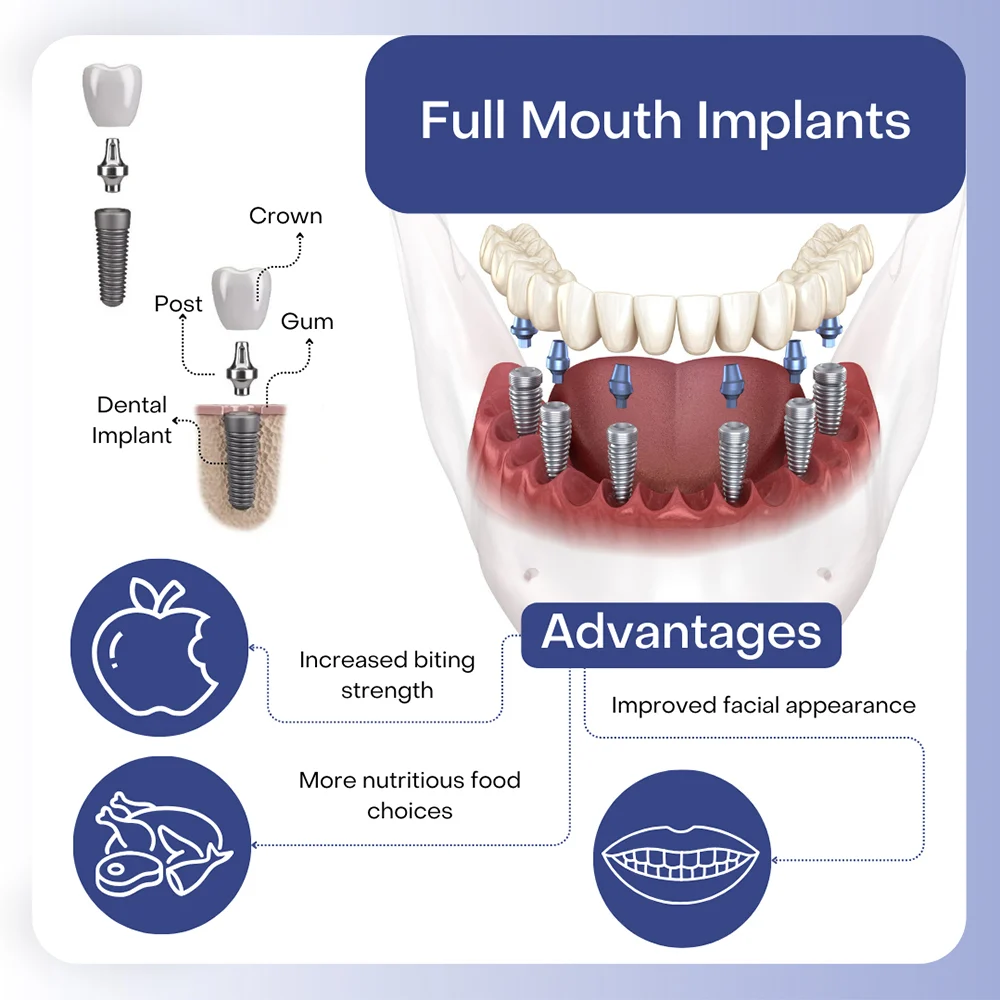
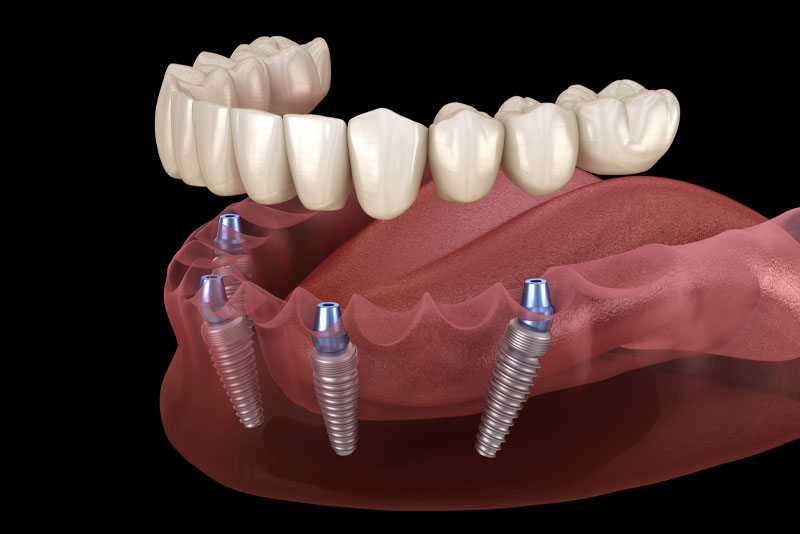
Full mouth dental implants are a transformative solution for individuals who have lost most or all of their teeth. Unlike traditional dentures, which sit on top of the gums, full mouth dental implants are surgically anchored into the jawbone, providing a permanent, stable, and natural-looking set of teeth. This stability significantly reduces concerns about full mouth dental implants pain related to slippage or discomfort often associated with dentures.
Benefits of Full Mouth Dental Implants
- Improved Stability: Implants fuse with the jawbone, providing a secure foundation for replacement teeth.
- Enhanced Comfort: No slipping or movement, ensuring a comfortable fit.
- Natural Appearance: Implants look and feel like natural teeth.
- Increased Confidence: Restore your smile and self-esteem.
- Improved Oral Health: Easier to clean and maintain compared to dentures.
At Albania Dental Implants, we understand that investing in your smile is a significant decision. Our expert team is dedicated to providing top-quality full mouth dental implants services using state-of-the-art technology and techniques. Our clinic is a leading dental clinic in Albania, offering a full mouth reconstruction in Albania.
What is the typical pain level during dental implant surgery?
The perceived level of dental implant surgery discomfort varies from person to person, but most patients report that the procedure is far less painful than they initially anticipated. This is largely due to the use of anaesthesia during the surgery. A skilled oral surgeon will ensure that you are completely numb and comfortable throughout the entire process.
During the procedure
Local anaesthesia is typically used to numb the treatment area, eliminating any sharp pain during the implant placement. Some patients may opt for sedation dentistry, which can range from mild sedation (like nitrous oxide) to IV sedation, allowing you to feel relaxed and drowsy or even sleep through the entire procedure.
After the procedure
Following the surgery, some discomfort is normal, but it is usually manageable with over-the-counter pain relievers or prescription medication, if necessary. The discomfort is typically described as soreness, aching, or throbbing, rather than sharp pain. Following post-operative care for dental implants carefully will allow you to manage any pain you have.
Is getting full mouth dental implants painful during the procedure?
No, getting full mouth dental implants is generally not painful during the procedure. Local anaesthesia is used to numb the entire treatment area, ensuring you feel no sharp pain. Sedation options are also available for enhanced comfort.
How is pain managed during and after full mouth dental implant placement?
Anaesthesia for dental implants is a critical aspect of ensuring a comfortable experience. During the procedure, various types of anaesthesia can be used, depending on the patient’s needs and preferences. Post-operative pain management is also crucial for a smooth recovery.
Types of Anaesthesia
- Local Anaesthesia: Numbs the treatment area to eliminate pain during surgery.
- Nitrous Oxide (Laughing Gas): Provides mild relaxation and reduces anxiety.
- Oral Sedation: Medication taken before the procedure to induce relaxation.
- IV Sedation: Administered intravenously, allowing for deeper relaxation and drowsiness.
- General Anaesthesia: Reserved for complex cases or patients with severe anxiety, rendering them completely unconscious during the procedure.
Post-operative pain management
After the surgery, your dentist will provide specific instructions for managing discomfort. This may include:
- Pain Medication: Over-the-counter pain relievers (such as ibuprofen or paracetamol) are often sufficient. In some cases, prescription pain medication may be necessary.
- Cold Compresses: Applying ice packs to the face can reduce swelling and numb the area.
- Soft Food Diet: Eating soft foods can minimise irritation to the surgical site.
- Salt Water Rinses: Gentle rinsing with warm salt water can promote healing and keep the area clean.
Our skilled team at Albania Dental Implants will create a tailored pain management plan to ensure your comfort throughout the entire process. You can also contact Albania dental implants if you have any concerns.
What pain relief options are available during and after the procedure?
Pain relief options include local anaesthesia, nitrous oxide, oral sedation, IV sedation, general anaesthesia (during), and over-the-counter or prescription pain medication, cold compresses, soft food diet, and salt water rinses (after).
What is dental implant recovery time and healing process?
The dental implant recovery time varies depending on individual factors, such as overall health, bone density, and adherence to post-operative instructions. However, understanding the typical healing process after dental implants can help you prepare for what to expect.
Initial Healing (1-2 weeks)
During the first week or two, you can expect some swelling, bruising, and mild discomfort. Pain medication, cold compresses, and a soft food diet can help manage these symptoms. Stitches, if any, will typically be removed within 7-10 days.
Osseointegration (3-6 months)
This is the crucial phase where the dental implants fuse with the jawbone. While there may be no noticeable discomfort during this time, it is essential to avoid putting excessive pressure on the implants. Regular dental check-ups are necessary to monitor the healing progress.
Final Restoration (1-2 months)
Once osseointegration is complete, the final restoration (abutments and replacement teeth) can be placed. This process may involve additional appointments for adjustments and refinements to ensure a perfect fit and comfortable bite.
How long does the pain last after full mouth dental implant surgery?
The most intense pain typically lasts for the first 2-3 days after surgery and gradually subsides over the next week. Mild soreness or discomfort may persist for a few weeks, but it is usually manageable with over-the-counter pain relievers.
What are common dental implant side effects and long-term discomforts?
While full mouth dental implants are generally safe and successful, it’s important to be aware of potential dental implant side effects and long-term discomfort from dental implants. Understanding these issues can help you make an informed decision and take preventive measures.
Common side effects
- Swelling and bruising: Normal after surgery, usually subsides within a week.
- Mild discomfort or soreness: Manageable with pain medication.
- Bleeding: Minor bleeding can occur in the first few days.
Potential long-term discomforts and complications
- Infection: Although rare, infection around the implant site can occur. It is crucial to maintain good oral hygiene and follow your dentist’s instructions.
- Peri-implantitis: Inflammation of the gum and bone around the implant, which can lead to bone loss and implant failure if left untreated. Regular dental check-ups and professional cleanings are essential for prevention.
- Nerve damage: In rare cases, nerve damage can occur during implant placement, leading to numbness or tingling in the gums, lips, or chin.
- Implant failure: Although dental implants have a high success rate, they can fail due to various factors, such as poor bone quality, infection, or excessive pressure.
Are there any long-term pain issues with dental implants?
Long-term pain issues with dental implants are rare. However, potential issues like peri-implantitis or nerve damage can cause discomfort. Regular dental check-ups and proper oral hygiene are crucial for preventing these complications.
How does pain from full mouth dental implants compare to dentures or bridges?
When considering tooth replacement options, it’s natural to compare the pain vs dentures vs dental bridges. Full mouth dental implants, dentures, and bridges each have their own advantages and disadvantages in terms of discomfort and long-term outcomes.
Dentures
Dentures can initially cause discomfort due to pressure on the gums and potential irritation. Sore spots and difficulty speaking or eating are common during the adjustment period. However, dentures do not involve surgery, so there is no surgical pain. Long-term, dentures can cause gum irritation and bone loss, leading to further discomfort. Snap-in dentures are cheaper than implants.
Bridges
Dental bridges require altering adjacent healthy teeth to support the replacement tooth, which can cause sensitivity or discomfort in those teeth. The procedure itself is generally not painful, but some patients may experience mild soreness afterward. Bridges do not address bone loss and may need to be replaced over time.
Full Mouth Dental Implants
While full mouth dental implants involve surgery, the pain is typically well-managed with anaesthesia and pain medication. Although there is initial discomfort, implants provide a permanent and stable solution that eliminates the long-term discomfort associated with dentures. They also prevent bone loss, contributing to better oral health and comfort in the long run. A dental bridge can be better than an implant depending on the patients individual needs.
How does dental implant soreness compare to tooth extraction pain?
Dental implant soreness is often comparable to tooth extraction pain. Both procedures involve some level of discomfort in the days following the surgery, which can be managed with pain medication and proper aftercare.
What can you do to minimise discomfort and aid recovery after full mouth dental implants?
Effective managing dental implant pain and diligent post-operative care for dental implants are key to a smooth recovery and comfortable experience. Following these tips for a comfortable implant experience will help minimise discomfort and promote healing.
Immediate post-operative care
- Follow Your Dentist’s Instructions: Adhere to all post-operative instructions provided by your dentist or oral surgeon.
- Medication: Take prescribed or over-the-counter pain medication as directed to manage discomfort.
- Cold Compresses: Apply ice packs to your face for 15-20 minutes at a time, several times a day, to reduce swelling and numb the area.
- Rest: Get plenty of rest in the first few days after surgery.
- Soft Food Diet: Stick to a soft food diet to avoid putting excessive pressure on the surgical site.
- Salt Water Rinses: Gently rinse your mouth with warm salt water several times a day to keep the area clean and promote healing.
Long-term care
- Maintain Excellent Oral Hygiene: Brush your teeth gently twice a day and floss daily, paying careful attention to the implant area.
- Use Antimicrobial Mouthwash: An antimicrobial mouthwash can help prevent infection.
- Regular Dental Check-ups: Schedule regular dental check-ups and professional cleanings to monitor the health of your implants and prevent complications like peri-implantitis.
- Avoid Smoking: Smoking can impair healing and increase the risk of implant failure.
- Be Mindful of Your Diet: Avoid hard, sticky, or chewy foods that could damage your implants.
What should you do if pain persists beyond the normal recovery time?
If pain persists beyond the normal recovery time (more than a week or two), contact your dentist or oral surgeon immediately. Persistent pain could indicate a complication such as infection, nerve damage, or implant failure, which requires prompt attention.
Frequently Asked Questions
How effective is anaesthesia for full mouth dental implant procedures?
Anaesthesia is highly effective for full mouth dental implant procedures. Local anaesthesia completely numbs the treatment area, while sedation options can further reduce anxiety and discomfort. General anaesthesia is also available for complex cases.
Can everyone tolerate full mouth dental implant pain?
Pain tolerance varies from person to person. However, with proper pain management strategies and careful adherence to post-operative instructions, most individuals can tolerate the discomfort associated with full mouth dental implants.
Which factors influence individual pain experience with dental implants?
Several factors can influence individual pain experience with dental implants, including:
- Pain tolerance: Individual sensitivity to pain varies.
- Overall health: Underlying medical conditions can affect healing and pain levels.
- Bone density: Adequate bone density is crucial for implant stability and healing.
- Surgical technique: The skill and experience of the surgeon can impact the level of trauma and discomfort.
- Adherence to post-operative instructions: Following instructions carefully promotes healing and minimises complications.
What side effects or complications can cause pain after full mouth implants?
Potential side effects or complications that can cause pain after full mouth implants include infection, peri-implantitis, nerve damage, and implant failure. It’s important to seek prompt dental attention if you experience persistent or severe pain.
Ready to transform your smile and regain your confidence? Contact Albania Dental Implants today to schedule a consultation and learn more about our full mouth dental implant services! You can also find more details at our Albania dental implants reviews page.