


How painful is All-on-4 dental implants? In this article, we explore the pain levels and comfort expectations of the All-on-4 dental implant procedure, providing you with a clear understanding of what to expect and how to manage any discomfort. The All-on-4 dental implant procedure offers a revolutionary solution for those seeking a full arch of replacement teeth, but it’s natural to be concerned about potential pain. We’ll delve into every aspect of the process, from the surgery itself to post-operative care, ensuring you’re fully informed and confident in your decision. At Albania Dental Implants, we understand these concerns and are dedicated to providing comfortable, effective, and long-lasting solutions.
What is the All-on-4 dental implant procedure? All-on-4 dental implants explained
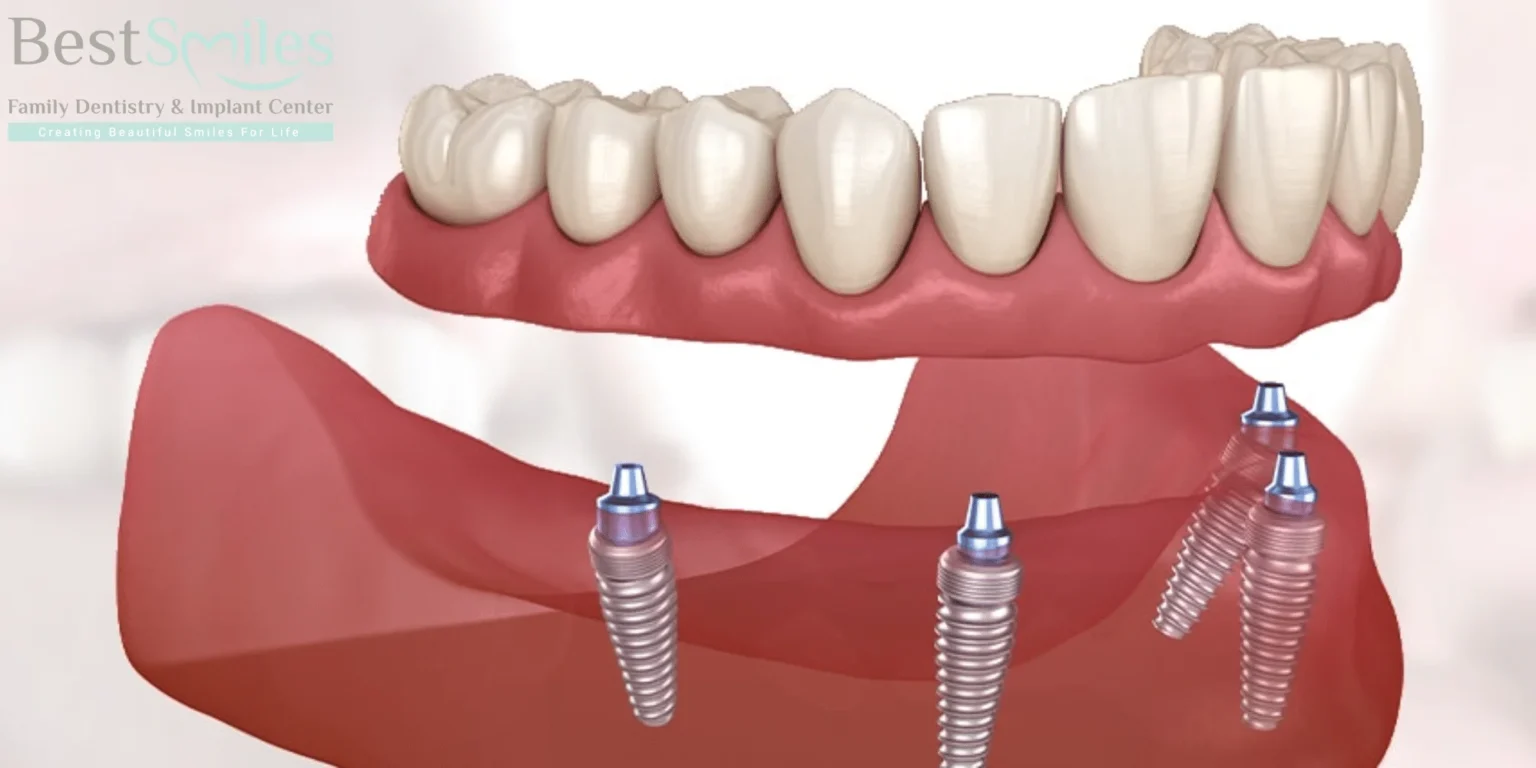
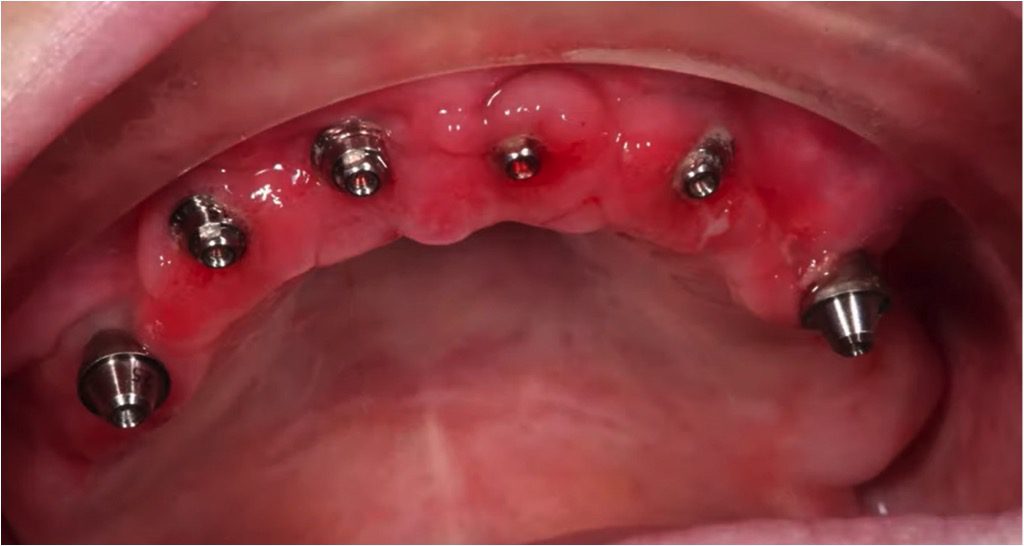
The All-on-4 dental implant procedure is a groundbreaking technique that provides a full set of teeth using only four dental implants per arch. This innovative approach offers a quicker, less invasive, and more cost-effective alternative to traditional dental implants, making it an appealing option for many. The All-on-4 method is designed to maximise the use of available bone, often eliminating the need for bone grafting. The treatment provides immediate function with a fixed set of teeth, improving aesthetics and restoring chewing function quickly.
Who is the All-on-4 procedure for?
The All-on-4 procedure is ideal for individuals who have lost most or all of their teeth in one or both jaws. Common candidates include those with dentures who seek a more stable and permanent solution, as well as those with significant tooth decay or gum disease that necessitates the removal of multiple teeth. Patients who have been told they are not candidates for traditional implants due to bone loss may also find the All-on-4 technique suitable.
Why do people choose All-on-4 dental implants?
People choose All-on-4 dental implants for a variety of reasons, including:
- Improved Stability: All-on-4 implants provide a stable and secure base for replacement teeth, eliminating the discomfort and slippage often associated with dentures.
- Immediate Results: Patients can often receive a functional set of teeth on the same day as their implant placement, providing immediate aesthetic and functional benefits.
- Reduced Need for Bone Grafting: The All-on-4 technique is designed to utilise existing bone, often negating the need for bone grafting procedures.
- Cost-Effectiveness: By using fewer implants, the All-on-4 procedure can be more cost-effective than traditional full arch implant solutions.
- Enhanced Quality of Life: All-on-4 implants restore the ability to eat, speak, and smile with confidence, significantly improving quality of life.
How painful is the All-on-4 procedure itself? Dental implant anesthesia
Understanding the potential discomfort during the All-on-4 procedure is crucial for alleviating anxiety. Modern techniques and anaesthesia options ensure that patients experience minimal pain during the surgery. The procedure is typically performed under local anaesthetic, with options for sedation to further enhance comfort. The expertise of the dental team at Albania Dental Implants ensures that every precaution is taken to minimise discomfort and provide a positive experience.
What to expect for pain levels during surgery
During the All-on-4 surgery, patients can expect minimal to no pain due to the use of local anaesthesia. This numbs the treatment area, preventing any sensation of pain during the implant placement. For those who experience anxiety, sedation options such as intravenous (IV) sedation or oral sedatives can be used to promote relaxation and further reduce any potential discomfort. These options allow patients to remain comfortable and at ease throughout the entire procedure.
Comparison to tooth extractions or traditional implants
Many patients find that the discomfort associated with All-on-4 implants is comparable to that of multiple tooth extractions or traditional implant procedures. While some pressure and vibration may be felt during the surgery, sharp pain is rare. Post-operative discomfort is generally well-managed with pain relief medication, and many patients report that the initial discomfort is less than they anticipated. The All-on-4 procedure often results in less overall trauma compared to traditional full arch implants because it typically avoids extensive bone grafting.
What is All-on-4 recovery time and pain like after surgery? All-on-4 recovery time
Knowing what to expect during the All-on-4 recovery period can help you prepare and manage any discomfort effectively. While some discomfort is normal, it is usually manageable and temporary. At Albania Dental Implants, we provide comprehensive aftercare instructions and support to ensure a smooth and comfortable recovery.
Description of immediate post-procedure discomfort
Immediately following the All-on-4 procedure, it’s normal to experience some discomfort. This may include soreness, swelling, and minor bleeding in the treated area. The intensity of these symptoms varies from person to person, but they are typically most pronounced in the first 24-48 hours. Your dentist will provide specific instructions on how to manage these immediate post-operative effects.
Expected pain in the first 24-72 hours
The first 24-72 hours after All-on-4 surgery are usually when you’ll experience the most pain. This can be effectively managed with prescribed or over-the-counter pain medication. Swelling and bruising may also be present during this time. Applying ice packs to the face can help reduce swelling and alleviate discomfort. It’s essential to follow your dentist’s instructions closely during this period.
Typical timeline for pain relief
Most patients find that their pain begins to subside significantly after the first three days. By the end of the first week, discomfort is usually minimal and well-controlled with medication. Swelling and bruising may take a bit longer to fully resolve, but they should gradually improve over the course of one to two weeks. Full healing and integration of the implants can take several months, but the initial discomfort is relatively short-lived.
Common side effects (swelling, bruising, minor bleeding)
Besides pain, common side effects after All-on-4 dental implant surgery include:
- Swelling: Swelling is a normal response to surgery and typically peaks within the first 48 hours. Applying ice packs can help reduce swelling.
- Bruising: Bruising may occur around the jawline and neck. This is usually temporary and will fade over time.
- Minor Bleeding: Some minor bleeding is expected in the first 24 hours after surgery. This can be controlled by applying gentle pressure with gauze.
These side effects are generally mild and manageable with proper aftercare.
How is pain managed after All-on-4 dental implants? Managing pain after dental implants
Effective pain management is a crucial part of the All-on-4 recovery process. There are several strategies, both medicinal and non-medicinal, to help you stay comfortable. At Albania Dental Implants, we provide comprehensive guidance on managing pain and ensuring a smooth recovery.
Pain relief medications (what’s prescribed, what’s recommended)
Your dentist will likely prescribe pain relief medication to manage discomfort after the All-on-4 procedure. Common options include:
- Prescription Painkillers: Stronger pain relievers, such as opioids, may be prescribed for the first few days after surgery to manage more intense pain.
- Over-the-Counter Pain Relievers: Non-prescription options like ibuprofen or paracetamol can be effective for managing mild to moderate pain.
Always follow your dentist’s instructions regarding dosage and frequency of medication.
Non-medicinal relief methods
In addition to medication, several non-medicinal methods can help alleviate pain and promote healing:
- Ice Packs: Applying ice packs to the face for 15-20 minutes at a time can help reduce swelling and numb the area.
- Warm Saltwater Rinses: Gently rinsing your mouth with warm salt water several times a day can help keep the area clean and reduce inflammation.
- Rest: Getting plenty of rest allows your body to heal and recover more quickly.
Aftercare instructions to minimise pain
Following aftercare instructions diligently is essential for minimising pain and preventing complications:
- Soft Diet: Stick to a soft diet to avoid putting excessive pressure on the implant area.
- Oral Hygiene: Gently clean the area around the implants to prevent infection, following your dentist’s specific instructions.
- Avoid Smoking and Alcohol: These can interfere with healing and increase the risk of complications.
When to contact your dentist
It’s important to contact your dentist if you experience any of the following:
- Severe Pain: Pain that is not controlled by medication.
- Signs of Infection: Such as fever, increased swelling, or pus.
- Excessive Bleeding: Bleeding that cannot be controlled with pressure.
- Numbness: Prolonged numbness in the face or mouth.
Promptly addressing these issues can prevent further complications and ensure a successful recovery. We at Albania Dental Implants provide contact Albania Dental Implants details so that our staff can assist you with any issues.
All-on-4 dental implants vs. traditional implants: Is there a difference in pain? All-on-4 vs. traditional implants pain
When considering dental implants, it’s natural to wonder about the differences in pain levels between All-on-4 and traditional implant approaches. While both procedures involve implant placement, there are variations in technique and recovery that can affect the overall experience.
Comparison of recovery pain and duration
Generally, All-on-4 dental implants are considered to have a shorter recovery period and potentially less pain compared to traditional full arch implants. This is primarily due to the following factors:
- Fewer Implants: All-on-4 uses only four implants per arch, while traditional methods may require six or more. This reduces the amount of surgical trauma.
- Reduced Need for Bone Grafting: The All-on-4 technique often avoids the need for extensive bone grafting, which can be a significant source of post-operative pain and prolong recovery.
- Immediate Loading: In many cases, All-on-4 implants can be immediately loaded with a temporary set of teeth, providing stability and reducing movement that can cause discomfort.
However, individual experiences can vary, and some patients may find traditional implants more suitable based on their specific needs and oral health.
Tips for a comfortable All-on-4 recovery Pain relief tips for dental implants
A comfortable recovery after All-on-4 dental implants involves a combination of proper at-home care, dietary adjustments, and adherence to your dentist’s instructions. These tips can help minimise discomfort and promote faster healing.
At-home care
Effective at-home care is essential for a smooth recovery:
- Maintain Oral Hygiene: Gently brush your teeth and rinse your mouth with warm salt water as directed by your dentist.
- Use Ice Packs: Apply ice packs to your face for the first 24-48 hours to reduce swelling.
- Get Plenty of Rest: Allow your body to heal by getting adequate rest.
- Avoid Strenuous Activities: Refrain from strenuous activities that could increase swelling or bleeding.
Foods to eat and avoid
Dietary adjustments play a crucial role in your recovery:
- Eat Soft Foods: Stick to a soft diet for the first few weeks to avoid putting pressure on the implants. Good options include soup, yogurt, mashed potatoes, and smoothies.
- Avoid Hard, Crunchy, or Chewy Foods: These can irritate the implant area and delay healing.
- Stay Hydrated: Drink plenty of fluids to keep your mouth moist and aid in healing.
Dos and don’ts after surgery
Following these dos and don’ts can help ensure a successful recovery:
- Do: Take pain medication as prescribed.
- Do: Keep your mouth clean with gentle rinsing and brushing.
- Do: Attend all follow-up appointments with your dentist.
- Don’t: Smoke or use tobacco products.
- Don’t: Drink alcohol.
- Don’t: Use straws, as they can dislodge blood clots.
By following these guidelines, you can optimise your recovery and enjoy the long-term benefits of your All-on-4 dental implants. At Albania Dental Implants Services we provide detailed guidance on these matters to ensure you are comfortable.
Frequently Asked Questions (FAQs)
How painful is All-on-4 dental implants compared to single implants?
All-on-4 dental implants generally involve more extensive work than single implants, but the perceived pain can be similar. Single implants target a single tooth, while All-on-4 involves placing four implants to support an entire arch of teeth. The post-operative discomfort for All-on-4 might be slightly higher initially due to the larger surgical area, but it is typically manageable with pain medication. The specific experience varies depending on individual pain tolerance and the dentist’s technique. If you want to know the Albania dental implants cost, then contact us today!
Do you feel pain during the implant surgery?
During the All-on-4 implant surgery, you should not feel any pain. Local anaesthesia is administered to numb the entire treatment area, ensuring a pain-free experience. For patients who experience anxiety or prefer to be more relaxed, sedation options are available. These options can range from mild oral sedatives to IV sedation, depending on the patient’s needs and preferences.
How long does the pain last after All-on-4 implants?
The duration of pain after All-on-4 implants varies, but most patients experience the most significant discomfort in the first 24-72 hours following the procedure. By the end of the first week, the pain typically subsides to a manageable level, often controlled with over-the-counter pain relievers. Some residual soreness or sensitivity may persist for a few weeks, but this should gradually decrease over time.
What is the worst day for pain after All-on-4?
The worst day for pain after All-on-4 implants is usually the day after the surgery (day 1). This is when the effects of the anaesthesia wear off, and swelling and inflammation begin to develop. It’s crucial to take pain medication as prescribed and follow all aftercare instructions to manage pain effectively during this period. Remember to rest and apply ice packs to minimise discomfort.
Is All-on-4 more painful than dentures?
Initially, the All-on-4 procedure involves surgery, which can cause temporary pain and discomfort. However, in the long term, All-on-4 implants are generally considered less painful than traditional dentures. Dentures can cause irritation, rubbing, and sore spots, requiring frequent adjustments. All-on-4 implants, once fully healed, provide a stable and comfortable solution without these issues. Many patients find the stability of All-on-4 leads to a better quality of life compared to dentures.
Can I avoid pain completely with sedation or anaesthetic?
While it’s impossible to guarantee complete avoidance of pain, sedation and anaesthesia significantly reduce discomfort during the All-on-4 procedure. Local anaesthesia numbs the treatment area, preventing pain during the surgery. Sedation options, such as IV sedation, can help you feel relaxed and unaware of the procedure. Post-operative pain can be managed with medication, but the combination of anaesthesia and sedation ensures a more comfortable experience.
What painkillers are safe after dental implants?
After dental implants, several painkillers are considered safe and effective for managing pain. Common options include:
- Ibuprofen: An over-the-counter NSAID that reduces inflammation and pain.
- Paracetamol: An over-the-counter pain reliever that can be used alone or in combination with ibuprofen.
- Prescription Painkillers: Your dentist may prescribe stronger pain relievers, such as codeine or oxycodone, for the first few days after surgery if needed.
Always follow your dentist’s instructions and inform them of any other medications you are taking to avoid potential interactions. We can also look at oral surgery in Albania if needed.
When should I worry about pain after All-on-4?
While some pain is normal after All-on-4 implants, you should worry if you experience any of the following:
- Severe Pain: Pain that is not controlled by medication.
- Signs of Infection: Such as fever, increased swelling, redness, or pus.
- Excessive Bleeding: Bleeding that cannot be controlled with pressure.
- Numbness: Prolonged numbness in the face or mouth.
If you encounter any of these symptoms, contact your dentist immediately to prevent complications and ensure proper healing.
Are there long-term pain risks or complications?
While All-on-4 dental implants have a high success rate, there are potential long-term risks and complications to be aware of:
- Implant Failure: Although rare, implants can fail to integrate with the bone.
- Infection: Peri-implantitis, an infection around the implant, can lead to bone loss and implant failure.
- Nerve Damage: Nerve damage can cause chronic pain or numbness.
- Mechanical Issues: Problems with the prosthetic teeth or supporting structures can occur.
Regular dental check-ups and proper oral hygiene are crucial for preventing these issues and maintaining the long-term health of your implants. You may also wish to consider Zirconia implants in Albania.
Conclusion
While concerns about pain are natural when considering All-on-4 dental implants, the procedure is generally well-managed with modern techniques and anaesthesia. The initial discomfort is temporary and can be effectively controlled with medication and proper aftercare. The long-term benefits of All-on-4 implants, including improved stability, function, and quality of life, often outweigh the short-term discomfort. The cost of dental implants in Albania is affordable, so if you’re seeking a permanent solution for missing teeth and want to restore your smile with confidence, consider All-on-4 dental implants at Albania Dental Implants. Our experienced team is dedicated to providing comfortable, effective, and long-lasting results. Contact us today to schedule a consultation and learn more about how All-on-4 implants can transform your smile and your life. We can also discuss dental tourism in Albania to help you receive the best dental care.