




How serious is getting a crown? Getting a dental crown is a common procedure designed to restore and protect damaged teeth, but like any medical treatment, it’s essential to understand the implications. At Albania Dental Implants, we believe in providing our patients with comprehensive information to make informed decisions about their oral health, and we also offer dental tourism in Albania, providing high-quality and affordable dental care. This guide explores the procedure, its benefits, potential risks, and alternatives, with a focus on practical advice for UK residents.
What Is a Dental Crown and Why Might You Need One?
Dental crowns procedure, Benefits of dental crowns
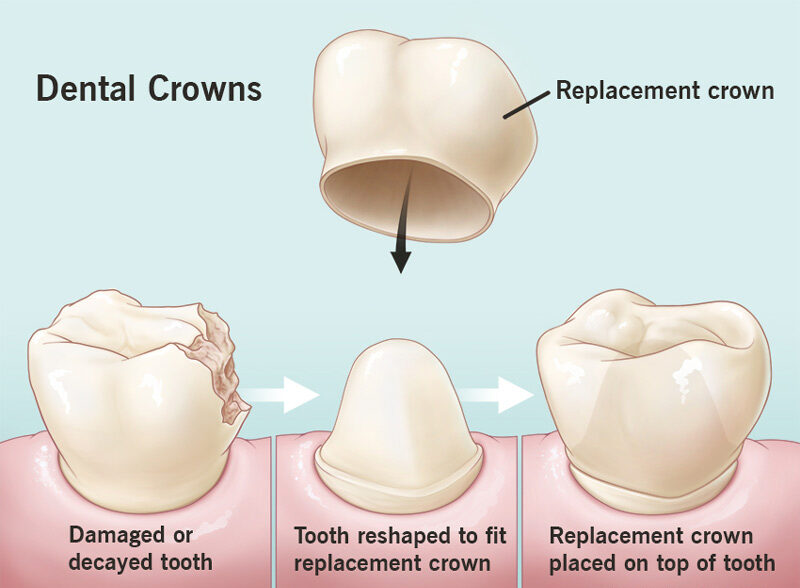
A dental crown is a custom-made cap that covers a damaged tooth, restoring its shape, size, strength, and appearance. Think of it as a protective helmet for your tooth. Crowns are typically made from materials like porcelain, metal, or zirconia and are cemented onto the prepared tooth.
Common Reasons for Needing a Crown
- Protecting a weak tooth: From decay or cracking.
- Restoring a broken tooth: Or one that has been severely worn down.
- Covering a dental implant: To provide a tooth-like shape and function.
- Holding a dental bridge in place: Attaching the bridge to adjacent teeth.
- Covering a discolored or poorly shaped tooth: For aesthetic improvement.
- Protecting a tooth after a root canal: To strengthen the tooth after the procedure.
Situations When a Crown Is Recommended
Dentists often recommend crowns when a tooth has undergone significant damage that can’t be fixed with a simple filling or other less invasive procedures. If you have a large filling that compromises the tooth’s structure, a crown can provide the necessary support. Also, if you’ve had a root canal, a crown is often advised to protect the now-weakened tooth from fracture.
How Serious Is Getting a Crown? Understanding the Procedure and Its Impact
How serious is getting a crown?, Risks of getting a dental crown, Dental crown complications
The “seriousness” of getting a crown can vary depending on individual circumstances and the overall health of the patient. While it’s generally a safe and effective procedure, understanding the potential risks and complications is crucial. The seriousness varies from patient to patient.
Overview of the Dental Crown Procedure
The dental crown procedure typically involves two visits. During the first visit, the dentist will examine and prepare the tooth by removing any decay and shaping it to properly fit the crown. An impression is then taken and sent to a dental lab to create the custom crown. A temporary crown is placed to protect the tooth until the permanent crown is ready.
At the second visit, the temporary crown is removed, and the permanent crown is fitted and cemented onto the tooth. The dentist will ensure the crown fits properly and makes necessary adjustments.
Why Seriousness Varies by Situation
For many patients, getting a crown is a straightforward procedure with minimal complications. However, for individuals with underlying health conditions or specific dental issues, the seriousness may increase. Factors such as pre-existing infections, weakened immune systems, or severe tooth decay can influence the outcome and potential risks.
Medical and Dental Risks
- Tooth sensitivity: Some patients may experience temporary sensitivity to hot or cold after getting a crown.
- Crown dislodgement: Though rare, crowns can sometimes become loose or fall out, especially if the cement washes away.
- Allergic reactions: Allergic reactions to crown materials are rare but possible.
- Nerve damage: In rare cases, nerve damage can occur during tooth preparation.
- Infection: Infection can occur if the tooth is not properly cleaned and sealed before placing the crown.
Who Is Most at Risk for Complications?
Patients with compromised immune systems, uncontrolled diabetes, or those who smoke are at a higher risk for complications. Individuals with poor oral hygiene habits are also more prone to issues such as decay or gum disease around the crown.
What Are the Benefits and Drawbacks of Dental Crowns?
Benefits of dental crowns, Dental crown alternatives, Best material for dental crowns
Dental crowns offer numerous benefits, but they also have certain drawbacks. Weighing these pros and cons is crucial in deciding if a crown is the right solution for your dental needs.
Advantages of Dental Crowns
- Restoration of Function: Crowns allow you to bite and chew properly, restoring normal dental function.
- Aesthetic Improvement: Crowns can enhance the appearance of damaged or discolored teeth, improving your smile.
- Protection of Weakened Teeth: Crowns provide a protective barrier, preventing further damage to weakened teeth.
- Longevity: With proper care, dental crowns can last for many years, offering a durable solution.
Disadvantages and Limitations
- Tooth Preparation: Placing a crown requires removing a portion of the natural tooth structure.
- Cost: Crowns can be more expensive than other restorative options like fillings.
- Potential Sensitivity: Some patients experience temporary tooth sensitivity after getting a crown.
- Chipping or Cracking: Though durable, crowns can sometimes chip or crack, requiring repair or replacement.
Comparing Crown Materials
- Porcelain: Offers the most natural appearance and is ideal for front teeth.
- Metal: Strong and durable but less aesthetically pleasing; often used for back teeth.
- Zirconia: Combines strength and aesthetics, making it a popular choice for both front and back teeth. You could also get zirconia implants in albania for example.
- Porcelain-fused-to-metal (PFM): Provides a balance of aesthetics and durability.
How Long Do Dental Crowns Last and What Affects Their Longevity?
Longevity of dental crowns, Dental crown complications
The lifespan of a dental crown can vary, but with proper care, they typically last between 5 to 15 years. Understanding the factors that influence their longevity can help you maximize their lifespan.
Typical Lifespan of Crowns
On average, dental crowns last about 10 years. However, some can last much longer with excellent oral hygiene and regular dental check-ups. The material of the crown also plays a role in its lifespan.
Factors That Impact Longevity
- Oral Hygiene: Regular brushing and flossing are crucial for preventing decay and gum disease around the crown.
- Diet: Avoiding hard or sticky foods can prevent chipping or dislodgement.
- Grinding or Clenching: Bruxism (teeth grinding) can put excessive pressure on the crown, shortening its lifespan.
- Regular Dental Check-ups: Routine visits to the dentist can help detect and address potential issues early on.
- Material: Different materials have varying degrees of durability; zirconia and metal crowns generally last longer.
Signs Your Crown Needs Replacement
- Visible Cracks or Chips: Any visible damage to the crown.
- Loose Crown: If the crown feels loose or moves when you bite down.
- Sensitivity or Pain: Persistent sensitivity or pain around the crown.
- Gum Inflammation: Redness, swelling, or bleeding around the crown.
- Bad Breath: Persistent bad breath that doesn’t go away with brushing.
What Should You Expect During and After the Procedure?
Recovery after dental crown, Dental crowns procedure
Knowing what to expect during and after the dental crown procedure can alleviate anxiety and help you prepare for a smooth experience. From the initial visit to the aftercare, understanding each step is essential.
Step-by-Step Overview
- Initial Visit: Examination, X-rays, and treatment planning.
- Tooth Preparation: Removing decay and shaping the tooth.
- Impression: Taking a mold of the prepared tooth.
- Temporary Crown Placement: Protecting the tooth while the permanent crown is made.
- Permanent Crown Placement: Fitting and cementing the final crown.
Anesthesia and Pain Expectations
Local anesthesia is typically used to numb the tooth and surrounding area during the preparation and placement of the crown. You may feel some pressure but should not experience significant pain. After the procedure, mild discomfort or sensitivity is normal and can be managed with over-the-counter pain relievers.
Aftercare, Recovery Time, Common Sensations
- Avoid Chewing Hard Foods: For the first few days after the procedure.
- Maintain Good Oral Hygiene: Brush and floss regularly, paying special attention to the area around the crown.
- Use a Soft-Bristled Toothbrush: To avoid irritating the gums.
- Manage Sensitivity: Use toothpaste designed for sensitive teeth if needed.
- Recovery Time: Most patients recover fully within a few days.
Who Should Avoid Crowns, If Any
While dental crowns are generally safe, certain individuals may need to consider alternative options or take extra precautions. Patients with severe gum disease or uncontrolled bruxism may face increased risks and should discuss these concerns with their dentist. In some cases, if you have enough bone you could also consider dental implants in albania.
Are There Alternatives to Getting a Dental Crown?
Dental crown alternatives
While dental crowns are a common and effective solution, there are several alternatives that may be suitable depending on the extent of tooth damage and individual needs. Understanding these options can help you make an informed decision.
Inlays, Onlays, Veneers, Fillings
- Fillings: Suitable for small cavities or minor damage.
- Inlays and Onlays: Used to repair larger areas of decay or damage, often made from porcelain or composite resin.
- Veneers: Thin shells placed over the front of teeth to improve their appearance; best suited for cosmetic issues.
When Alternatives May Be Recommended
If the tooth damage is minimal, a simple filling may be sufficient. Inlays and onlays are good options for moderate damage, while veneers are primarily used for cosmetic enhancements. Crowns are typically recommended when the tooth has significant structural damage or after a root canal.
What Does a Dental Crown Cost in the UK?
Cost of dental crowns UK
The cost of a dental crown in the UK can vary widely depending on several factors, including whether you choose NHS or private treatment and the material used for the crown. Understanding these costs can help you budget and plan for your dental care.
NHS Pricing
NHS dental treatment is divided into different bands, each with a set price. Dental crowns typically fall under Band 3, which includes more complex procedures. As of 2024, the Band 3 charge is around £282.80. However, this price covers the entire course of treatment, not just the crown itself.
Private Cost Ranges
Private dental crown costs can range from £500 to £1200 or more, depending on the material and the dentist’s fees. Porcelain crowns tend to be on the higher end, while metal crowns may be more affordable. Zirconia crowns often fall in the middle range.
Factors Affecting Price
- Material: Porcelain and zirconia crowns are generally more expensive than metal or PFM crowns.
- Location: Dental fees can vary depending on the location of the dental practice, with London and other major cities often having higher costs.
- Dentist’s Expertise: Highly experienced or specialized dentists may charge higher fees.
- Technology Used: Practices using advanced technology, such as CAD/CAM systems, may have higher costs.
Consider dental tourism in albania to reduce your costs.
Frequently Asked Questions About Dental Crowns
How serious is getting a crown? (Impact on health, pain level, risk factors)
For most people, getting a crown is not a serious procedure. It’s a routine dental treatment that can significantly improve the function and appearance of a damaged tooth. The impact on health is generally positive, as it protects the tooth from further decay or damage. While there may be some discomfort during and after the procedure, it is usually manageable with local anesthesia and over-the-counter pain relievers. Risk factors are minimal but can include tooth sensitivity, crown dislodgement, or rare allergic reactions.
Is getting a crown painful?
The procedure itself is generally not painful because local anesthesia is used to numb the tooth and surrounding area. You may feel some pressure or vibration during the preparation process, but significant pain is unlikely. After the anesthesia wears off, you might experience mild discomfort or sensitivity, which can be alleviated with pain medication. Is a tooth crown painful? No, it does not have to be.
What are the most common problems after getting a crown?
The most common problems after getting a crown include tooth sensitivity, particularly to hot or cold temperatures. This usually resolves within a few weeks. Other potential issues include a loose crown, chipped or cracked crown, or an allergic reaction to the crown material. Maintaining good oral hygiene and avoiding hard or sticky foods can help prevent these problems.
How long does it take to recover after getting a dental crown?
The recovery period after getting a dental crown is typically short. Most people can resume their normal activities the same day or the next day. You may experience some sensitivity or discomfort for a few days, but this can be managed with pain medication. It’s essential to follow your dentist’s aftercare instructions to ensure proper healing.
Can you avoid getting a dental crown?
Whether you can avoid getting a dental crown depends on the extent of the tooth damage. In cases of minor decay or damage, alternative treatments like fillings, inlays, or onlays may be sufficient. However, if the tooth has significant structural damage or has undergone a root canal, a crown may be the best option to protect and restore the tooth. It’s best to discuss your options with your dentist to determine the most appropriate treatment.
How do I care for my dental crown?
Caring for your dental crown is similar to caring for your natural teeth. Brush and floss regularly, paying special attention to the area around the crown. Use a soft-bristled toothbrush and fluoride toothpaste to prevent decay and gum disease. Avoid chewing hard or sticky foods that could damage or dislodge the crown. Regular dental check-ups are also essential for monitoring the health of your crown and the surrounding teeth.
What happens if I don’t get a crown when it’s recommended?
If you don’t get a crown when it’s recommended, the underlying tooth may be at risk for further damage or decay. A weakened tooth can fracture or crack, leading to more extensive and costly treatment in the future. Additionally, if the tooth has undergone a root canal, it may become vulnerable to infection. In some cases, if you do not proceed promptly, it is better to pull a tooth or crown it?
Are dental crowns safe for everyone?
Dental crowns are generally safe for most people, but certain individuals may need to take extra precautions. Patients with severe gum disease, uncontrolled diabetes, or those who grind their teeth may face increased risks. Allergic reactions to crown materials are rare but possible. It’s essential to discuss any health concerns with your dentist before getting a crown.
Is a crown a permanent solution?
While dental crowns are durable, they are not a permanent solution. With proper care, they can last for many years, but they may eventually need to be replaced due to wear and tear, damage, or other issues. Regular dental check-ups can help identify potential problems early on and extend the lifespan of your crown. How long does a dental crown last? The lifespan of a crown is an important factor to consider.
Conclusion
Getting a dental crown is a common and generally safe procedure that can significantly improve your oral health and quality of life. While it’s essential to be aware of the potential risks and complications, the benefits of restoring and protecting a damaged tooth often outweigh the drawbacks. At Albania Dental Implants, we offer high-quality and affordable dental crown services, including the option of dental tourism in Albania, allowing you to receive top-notch care at a fraction of the cost compared to the UK. Don’t let tooth damage compromise your smile and well-being. Contact us today to schedule a consultation and explore your options. If you are missing teeth, perhaps you can get dental implants on nhs.