



Implant Procedure – Everything You Need to Know
The implant procedure is a revolutionary solution for replacing missing teeth, offering a permanent and natural-looking alternative to dentures and bridges. In this guide, we’ll cover every aspect of the implant procedure, from preparation to aftercare, so you can make an informed decision.
Introduction
Missing teeth can affect your confidence, your ability to eat comfortably, and even your speech. Thankfully, modern dentistry offers a solution: dental implants. An implant procedure involves surgically placing a titanium post into your jawbone, which then fuses with the bone over time. This creates a stable foundation for a replacement tooth that looks, feels, and functions like a natural tooth.
People choose implants for tooth replacement because they offer a long-term, stable solution that doesn’t rely on neighboring teeth for support, unlike bridges. Implants can also help prevent bone loss in the jaw, which can occur after tooth extraction.
At Albania Dental Implants, we understand the impact that missing teeth can have on your life. We offer comprehensive dental implant services in Albania, combining high-quality care with affordable prices. Our experienced team uses the latest techniques and technology to ensure successful and long-lasting results. Consider dental tourism in albania for cost-effective, quality dental care.
What Is the Implant Procedure?
The dental implant procedure is a multi-stage process designed to replace missing teeth with artificial tooth roots and natural-looking replacement teeth. It’s a sophisticated and effective solution that can dramatically improve your oral health and quality of life.
Definition and Basic Description
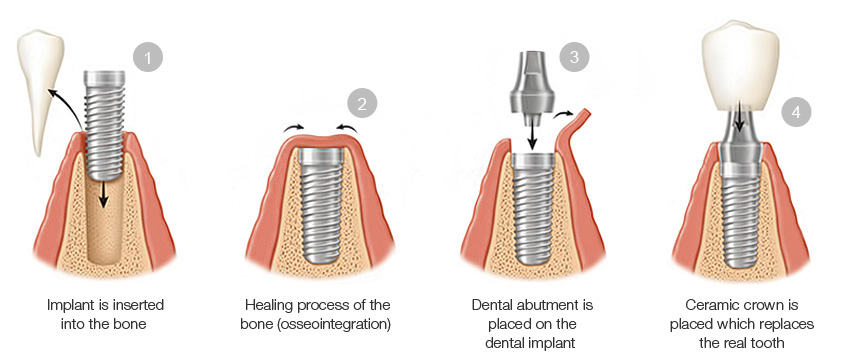
The dental implant procedure involves surgically placing a titanium implant into your jawbone. This implant acts as an artificial tooth root, providing a stable base for a crown, bridge, or denture. Over time, the implant fuses with the jawbone through a process called osseointegration, creating a strong and permanent foundation.
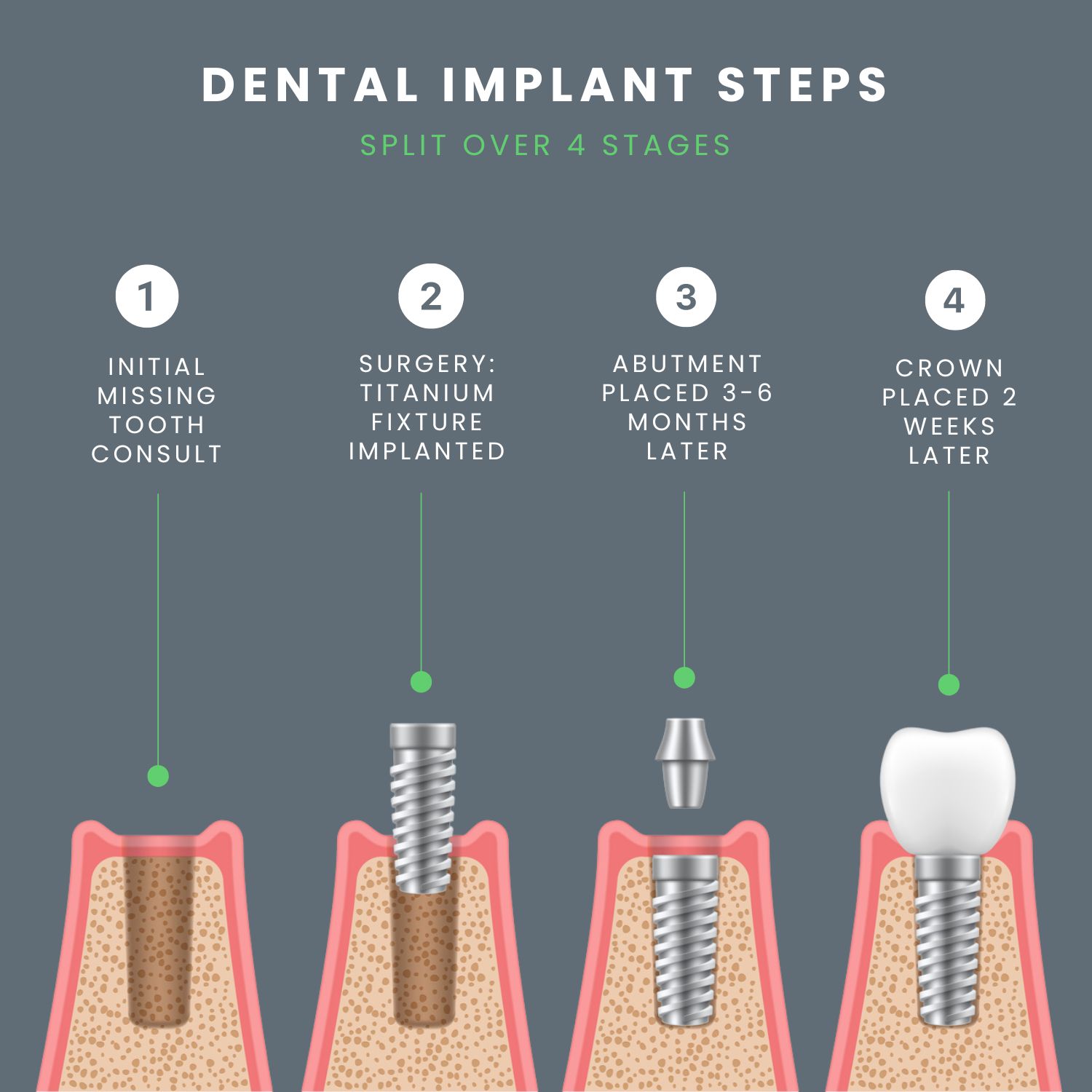
The implant procedure typically involves several steps, including initial assessment, implant placement, healing period, abutment placement, and final restoration. Each step is carefully planned and executed to ensure the best possible outcome.
Why and When Is the Implant Procedure Recommended?
The implant procedure is recommended in various situations, including:
- Replacing a single missing tooth without affecting adjacent teeth.
- Replacing multiple missing teeth with implant-supported bridges.
- Replacing all teeth in a jaw with all on 4 dental implants in albania or implant-supported dentures.
- Providing support for dentures, making them more stable and comfortable.
The implant procedure is often preferred over other tooth replacement options because it offers several advantages, including:
- Longevity: Dental implants can last a lifetime with proper care. How long do dental implants last?
- Stability: Implants are anchored in the jawbone, providing a stable and secure base for replacement teeth.
- Natural Look and Feel: Implant-supported teeth look and feel like natural teeth, restoring your smile and confidence.
- Bone Preservation: Implants stimulate bone growth, preventing bone loss in the jaw.
- Improved Function: Implants restore your ability to chew and speak properly.
If you’re considering a permanent and reliable solution for missing teeth, the implant procedure might be the right choice for you.
Types of Dental Implants
When considering the types of dental implants, it’s essential to understand the different options available to suit your specific needs and circumstances. There are various types of dental implants, each designed for specific situations and offering unique benefits.
Overview of Main Types
The main types of dental implants include:
- Single Tooth Implants: Used to replace a single missing tooth, providing a natural-looking and functional replacement. More about single tooth implants in albania.
- Multiple Implants with Bridges: Used to replace multiple missing teeth in a row, with implants supporting a bridge that spans the gap. Consider multiple implants with bridges in albania.
- Full Arch Implants: Used to replace all teeth in a jaw, with implants supporting a full denture or a fixed bridge.
Within these main categories, there are also variations in implant placement techniques, such as:
- Endosteal Implants: Placed directly into the jawbone and are the most common type of implant.
- Subperiosteal Implants: Placed on top of the jawbone but under the gum tissue. These are used when there is not enough bone to support endosteal implants.
- Zygomatic Implants: A longer implant that anchors into the cheekbone, used when bone loss in the upper jaw is severe. More about zirconia implants in albania.
Implant Materials Commonly Used
Dental implants are typically made from titanium or titanium alloys, which are biocompatible materials that fuse well with bone. Titanium implants have a long history of successful use in dentistry and are known for their strength, durability, and resistance to corrosion.
In recent years, zirconia implants in albania have emerged as an alternative to titanium implants. Zirconia is a ceramic material that is also biocompatible and aesthetically pleasing, as it is tooth-colored. Zirconia implants may be a good option for patients who are allergic to titanium or prefer a metal-free option.
The choice of implant material depends on various factors, including your individual needs, preferences, and any allergies or sensitivities you may have.
Table: Types of Implants and Typical Scenarios
| Type of Implant | Typical Scenario | Benefits |
|---|---|---|
| Single Tooth Implant | Replacing one missing tooth | Natural look and feel, preserves adjacent teeth |
| Multiple Implants with Bridge | Replacing several adjacent missing teeth | Cost-effective, stable support |
| All-on-4 Implants | Replacing all teeth in one or both jaws | Full arch restoration with minimal implants, quick recovery |
| Implant-Supported Denture | Improving stability and comfort of dentures | Enhanced stability, improved chewing ability |
Steps of the Implant Procedure
Understanding the implant procedure steps can help you prepare for the process and feel more confident about your treatment. The implant surgery process involves several stages, each of which is crucial for successful implant placement and long-term stability.
Initial Assessment and Planning
The first step is a comprehensive assessment of your oral health, including:
- Dental Examination: To evaluate the condition of your teeth, gums, and jawbone.
- X-rays and CT Scans: To assess bone density and identify the best location for implant placement.
- Medical History Review: To ensure you are a suitable candidate for the procedure.
Based on this assessment, your dentist will develop a personalized treatment plan that outlines the steps involved in your implant procedure.
Tooth Extraction (If Necessary)
If the tooth being replaced is still present, it will need to be extracted. In some cases, the implant can be placed immediately after extraction, known as immediate implant placement. However, in other cases, it may be necessary to wait for the extraction site to heal before placing the implant. Can you get teeth pulled and implants the same day?
Implant Placement
The next step is the surgical placement of the implant into your jawbone. This is typically done under local anesthesia, although sedation or general anesthesia may be used in some cases.
During the procedure, your dentist will make a small incision in your gum tissue to expose the jawbone. A pilot hole is then created, and the implant is carefully placed into the bone. The gum tissue is then stitched back together, and a healing cap is placed over the implant.
Abutment Placement
After the implant has fully integrated with the jawbone (osseointegration), which typically takes several months, the healing cap is removed, and an abutment is attached to the implant. The abutment is a connector piece that serves as a base for the final restoration.
Final Restoration
The final step is the placement of the restoration, which can be a crown, bridge, or denture, depending on the number of teeth being replaced. The restoration is custom-made to fit your mouth and match the color of your natural teeth.
The restoration is then attached to the abutment, completing the implant procedure and restoring your smile.
Candidacy for Dental Implants
Determining candidacy for dental implants is a crucial step in ensuring the success of the procedure. While dental implants are a viable option for many, not everyone is an ideal candidate. Several factors, including health considerations, age, and lifestyle, can affect your eligibility.
Health Considerations
Good overall health is essential for successful dental implant placement. Certain medical conditions can increase the risk of complications and affect the healing process. These conditions include:
- Uncontrolled Diabetes: Can impair healing and increase the risk of infection.
- Heart Disease: Certain heart conditions may require special precautions during surgery.
- Smoking: Impairs blood flow and can hinder osseointegration.
- Autoimmune Disorders: Can affect the body’s ability to heal and accept the implant.
Adequate jawbone condition and healthy gums are also essential. Dental implants require sufficient bone density to provide a stable foundation. If you have experienced bone loss due to missing teeth or other factors, you may need a bone graft to augment the jawbone before implant placement. Similarly, gum disease can compromise the health of the gums and bone, increasing the risk of implant failure.
Age, Lifestyle, and Existing Conditions
While there is no upper age limit for dental implants, certain age-related factors can affect candidacy. Older adults may have underlying health conditions or take medications that can increase the risk of complications. However, with careful planning and management, many older adults can successfully undergo dental implant procedures. More about what is the best age for dental implants?
Lifestyle factors, such as smoking and alcohol consumption, can also affect candidacy. Smoking impairs blood flow and can hinder osseointegration, while excessive alcohol consumption can increase the risk of complications.
Existing dental conditions, such as untreated tooth decay or gum disease, must be addressed before implant placement. These conditions can compromise the health of the gums and bone, increasing the risk of implant failure.
Who is not suitable for implants? Individuals with certain uncontrolled medical conditions, severe bone loss, or active infections may not be suitable candidates for dental implants. A thorough evaluation by a qualified dentist or oral surgeon is necessary to determine your candidacy.
Risks and Complications
Like any surgical procedure, the dental implant risks and potential complications associated with dental implants should be considered. While dental implants have a high success rate, it’s essential to be aware of the possible issues that can arise.
Common and Rare Complications
Some of the most common complications associated with dental implants include:
- Infection: Infection at the implant site can occur during or after surgery.
- Nerve Damage: Damage to nerves in the jaw can cause pain, numbness, or tingling in the gums, lips, or chin.
- Sinus Problems: Implants placed in the upper jaw can sometimes protrude into the sinus cavity, causing sinus problems.
- Implant Failure: The implant may not fuse properly with the jawbone, leading to implant failure.
- Peri-implantitis: Inflammation and bone loss around the implant, which can lead to implant failure.
Rare complications can include:
- Allergic Reaction: Although rare, some individuals may have an allergic reaction to the implant material.
- Bleeding: Excessive bleeding during or after surgery can occur, especially in individuals with certain medical conditions or taking certain medications.
How Dentists Minimise Risks
Dentists take several steps to minimize the risks associated with dental implants, including:
- Thorough Evaluation: A comprehensive assessment of your oral health and medical history to identify any potential risk factors.
- Precise Planning: Careful planning using advanced imaging techniques to determine the best location and angle for implant placement.
- Sterile Techniques: Strict adherence to sterile techniques during surgery to minimize the risk of infection.
- Proper Aftercare Instructions: Providing detailed aftercare instructions to promote healing and prevent complications.
What to Do If Issues Arise After Surgery
If you experience any issues after dental implant surgery, it’s essential to contact your dentist immediately. Some of the signs that you may need to seek medical attention include:
- Severe pain or swelling
- Fever
- Excessive bleeding
- Numbness or tingling in the gums, lips, or chin
- Loose or wobbly implant
Early detection and treatment of complications can help prevent implant failure and ensure a successful outcome.
Recovery and Aftercare
Proper dental implant recovery and dental implant aftercare are critical for ensuring the long-term success of your dental implants. Following your dentist’s instructions carefully can help promote healing, prevent complications, and ensure the longevity of your implants.
Typical Timeline for Healing
The healing process after dental implant surgery varies from person to person, but a typical timeline includes:
- Initial Healing (1-2 weeks): During this time, you can expect some swelling, bruising, and discomfort. Pain medication can help manage the discomfort.
- Osseointegration (3-6 months): This is the process of the implant fusing with the jawbone. During this time, it’s essential to avoid putting too much pressure on the implant.
- Final Restoration (After Osseointegration): Once the implant has fully integrated with the jawbone, the final restoration (crown, bridge, or denture) can be placed.
Aftercare Tips for Optimal Recovery
To promote optimal recovery after dental implant surgery, follow these aftercare tips:
- Follow Your Dentist’s Instructions: Your dentist will provide you with specific instructions for caring for your implants, so follow them carefully.
- Take Pain Medication as Prescribed: Pain medication can help manage any discomfort you may experience.
- Use an Ice Pack: Applying an ice pack to your face for 15-20 minutes at a time can help reduce swelling and bruising.
- Eat Soft Foods: Stick to soft foods that are easy to chew, such as yogurt, soup, and mashed potatoes.
- Practice Good Oral Hygiene: Gently brush and floss around the implant site, being careful not to disturb the healing tissues.
- Use an Antibacterial Mouthwash: An antibacterial mouthwash can help prevent infection.
- Avoid Smoking: Smoking can impair blood flow and hinder osseointegration, so it’s best to avoid smoking during the healing process.
Foods and Activities to Avoid
During the recovery period, it’s essential to avoid certain foods and activities that can interfere with healing:
- Hard or Crunchy Foods: These can put too much pressure on the implant and damage the healing tissues.
- Sticky or Chewy Foods: These can get stuck around the implant site and increase the risk of infection.
- Smoking: As mentioned earlier, smoking can impair blood flow and hinder osseointegration.
- Strenuous Exercise: Strenuous exercise can increase swelling and discomfort.
Signs of a Successful vs. Problematic Recovery
Signs of a successful recovery include:
- Gradual reduction in swelling and bruising
- Decreased discomfort
- Stable implant
- Healthy gum tissue around the implant
Signs of a problematic recovery include:
- Severe pain or swelling
- Fever
- Excessive bleeding
- Numbness or tingling in the gums, lips, or chin
- Loose or wobbly implant
- Pus or discharge around the implant site
If you experience any of these signs, contact your dentist immediately.
Cost of Implant Procedure in the UK
Understanding the cost of dental implants is a crucial factor when considering this tooth replacement option. The cost can vary significantly based on several factors, including the type of implant, the complexity of the procedure, and the location of the clinic.
Average Price Ranges
In the UK, the average cost of a single dental implant ranges from £2,000 to £4,000. However, this is just an estimate, and the actual cost can be higher or lower depending on your individual circumstances.
The cost of multiple implants or full arch implants can range from £8,000 to £25,000 or more. For example, how much do All-on-4 dental implants cost in the UK?
What Affects Pricing
Several factors can affect the pricing of dental implants, including:
- Type of Implant: Different types of implants have different costs.
- Complexity of the Procedure: More complex procedures, such as bone grafting or sinus lifts, will add to the overall cost.
- Location of the Clinic: Clinics in larger cities or more affluent areas may charge more.
- Dentist’s Experience: More experienced dentists may charge more for their services.
- Materials Used: The type of materials used for the implant and restoration can also affect the cost.
What is the most expensive part of a dental implant? The implant post and associated surgical procedure.
NHS Provision versus Private Clinics
Dental implants are not routinely available on the NHS, as they are considered a cosmetic procedure. However, in some cases, the NHS may provide implants if there is a medical need, such as:
- Tooth loss due to trauma or cancer
- Congenital absence of teeth
Even in these cases, access to NHS-funded dental implants is limited, and you may have to meet strict eligibility criteria.
Most dental implants are performed in private clinics, where the cost is typically higher. However, private clinics may offer more flexible payment options, such as financing plans, to help you manage the cost.
Considering dental tourism in Albania with Albania Dental Implants can provide a cost-effective alternative to the high costs of dental implants in the UK. We offer high-quality dental implant services at affordable prices, allowing you to restore your smile without breaking the bank.
Frequently Asked Questions About Implant Procedure
How painful is the implant procedure?
Most patients report that the implant procedure is not as painful as they expected. Local anaesthesia is used during the surgery to numb the area, so you shouldn’t feel any pain during the procedure.
After the surgery, you may experience some discomfort, swelling, and bruising. However, this can be managed with pain medication prescribed by your dentist.
The level of pain you experience will depend on various factors, including your pain tolerance, the complexity of the procedure, and the dentist’s skill.
How long does the implant procedure take?
The duration of the implant procedure varies depending on the number of implants being placed and the complexity of the case.
A single implant placement typically takes about 1-2 hours. However, more complex cases, such as full arch implants or procedures requiring bone grafting, can take several hours.
In addition to the surgical procedure, there is also a healing period of several months to allow the implant to fuse with the jawbone. The entire implant procedure, from initial assessment to final restoration, can take anywhere from 6 months to a year or more.
Are there alternatives to dental implants?
Yes, there are several alternatives to dental implants, including:
- Dentures: Removable replacement teeth that are supported by the gums and surrounding tissues.
- Bridges: Fixed replacement teeth that are supported by adjacent teeth.
- Resin-bonded bridges: A type of bridge that is bonded to the back of adjacent teeth, requiring minimal preparation of the supporting teeth.
Each of these options has its own advantages and disadvantages. Your dentist can help you determine the best tooth replacement option for your individual needs and circumstances.
What is the best alternative to dental implants? It varies, bridges and dentures are common options.
Is sedation or general anaesthetic used?
Sedation or general anaesthetic can be used during the implant procedure to help you relax and feel more comfortable.
Local anaesthesia is always used to numb the area being treated, but sedation can be used in addition to local anaesthesia to reduce anxiety and discomfort.
The type of sedation used will depend on your anxiety level, the complexity of the procedure, and your dentist’s recommendation.
Your dentist can discuss the different sedation options with you and help you choose the one that is right for you.
How long do dental implants last?
With proper care, dental implants can last a lifetime. However, the lifespan of your dental implants will depend on various factors, including:
- Oral Hygiene: Good oral hygiene is essential for keeping your implants clean and preventing peri-implantitis.
- Regular Dental Checkups: Regular dental checkups can help detect and treat any problems early on.
- Lifestyle Factors: Smoking and excessive alcohol consumption can shorten the lifespan of your implants.
By following your dentist’s instructions and practicing good oral hygiene, you can help ensure that your dental implants last for many years to come. How long do dental implants last in the UK?
Can dental implants be done in a day?
In some cases, dental implants can be done in a day, also known as same-day implants. This involves extracting the tooth (if necessary), placing the implant, and attaching a temporary crown all in the same appointment.
However, not everyone is a candidate for same-day implants. Your dentist will need to evaluate your oral health and bone density to determine if this option is right for you. Can implants be done in one day?
Same-day implants can be a convenient option for those who want to restore their smile quickly.
Are dental implants right for me?
If you are in good general and oral health, and have adequate bone density in your jaw, then dental implants might be right for you. Certain medical conditions and lifestyle factors may influence your candidacy for the procedure so discuss these with your dentist.
With dental implants it is possible to achieve a long-lasting and aesthetically pleasing solution for missing teeth, enhancing both your smile and overall quality of life. Albania Dental Implants provides further guidance and personalised treatment plans, designed to determine if implants are an appropriate choice for your specific dental needs.
What lifestyle changes should I expect after getting implants?
Several lifestyle adjustments might be necessary following dental implant placement. Initial changes typically involve dietary modifications, as eating soft foods ensures that there is minimal stress on the implant site, promoting healing. In addition, adopting a more thorough oral hygiene routine, which includes gentle brushing and flossing around the implant, along with the use of antibacterial mouthwash, aids in preventing infection.
It’s also advisable to avoid smoking and limit alcohol consumption, as these habits can impair healing and compromise implant success. Regular check-ups with your dentist will become even more crucial so any issues may be identified and addressed in the early stages. With the right care and attention, most lifestyle adjustments are temporary and allow for the full integration and long-term functionality of the dental implant.
Conclusion
The implant procedure is a transformative solution for restoring your smile, confidence, and quality of life. By understanding the steps involved, the potential risks and benefits, and the importance of proper aftercare, you can make an informed decision about whether dental implants are right for you.
At Albania Dental Implants, we are committed to providing high-quality, affordable dental implant services in Albania. Our experienced team uses the latest techniques and technology to ensure successful and long-lasting results.
Contact us today to schedule a consultation and learn more about how dental implants can transform your smile. You can also learn more about cosmetic dentistry in albania. Don’t let missing teeth hold you back any longer. Restore your smile and confidence with Albania Dental Implants.





