




Implant Teeth Operation: An In-Depth Guide to Dental Implants
What Is an Implant Teeth Operation?
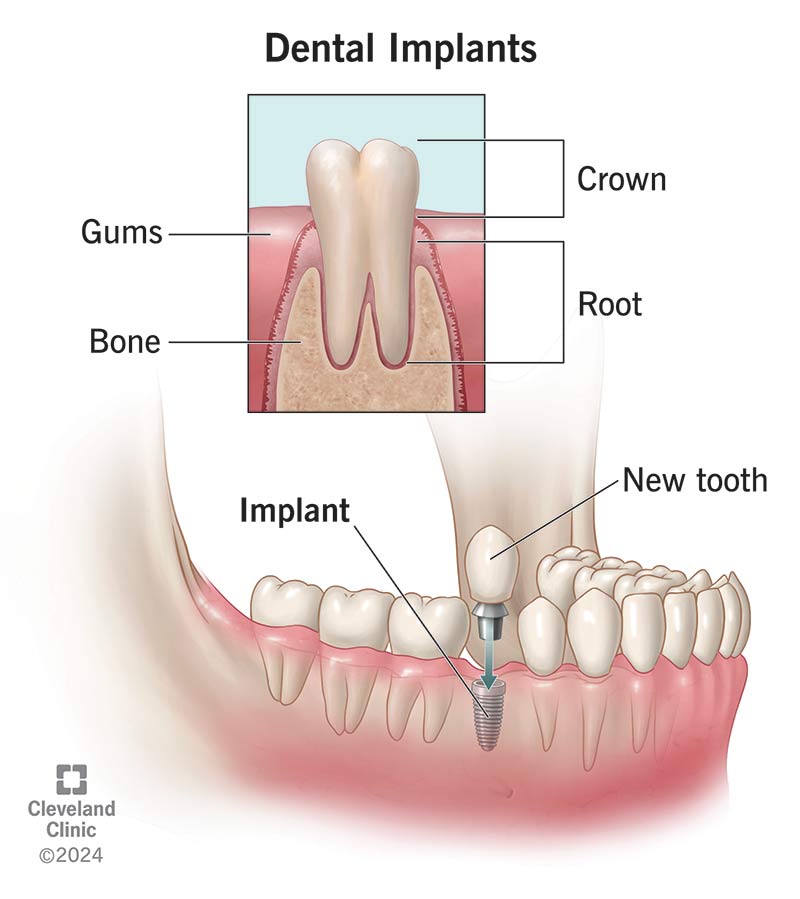
Understanding the basics of a dental implant is crucial before considering this tooth replacement option. But, what exactly is a dental implant? It is a small titanium or ceramic post surgically inserted into the jawbone to act as a replacement tooth root. Over time, the bone fuses with the implant, creating a strong and stable foundation for a replacement tooth or crown.
Who Is a Candidate for Dental Implants?
Not everyone is a suitable candidate for dental implants. Ideal candidates generally include:
- Individuals with good overall health.
- Those with sufficient bone density in the jaw to support the implant.
- Non-smokers or those willing to quit, as smoking can hinder healing.
- People committed to maintaining good oral hygiene.
Certain medical conditions, such as uncontrolled diabetes or severe immunodeficiency, may affect candidacy. A thorough evaluation by a dentist is essential to determine suitability. If you’re unsure if you qualify, schedule a consultation with Albania Dental Implants to assess your specific needs.
Overview of the Types of Dental Implants
Different types of dental implants are available to cater to various needs:
- Endosteal Implants: The most common type, placed directly into the jawbone.
- Subperiosteal Implants: Placed under the gum but on or above the jawbone; suitable for those with insufficient bone height.
- Zygomatic Implants: A longer implant that anchors into the cheekbone (zygomatic arch); used when there isn’t enough bone in the upper jaw for traditional implants. These are less common.
- Mini Dental Implants (MDIs): Smaller in diameter and often used to stabilize dentures.
The choice of implant depends on bone quality, location of the missing tooth, and overall oral health.
Step-by-Step Guide: The Dental Implant Procedure
The dental implant procedure is a multi-stage process designed to ensure a successful and long-lasting tooth replacement.
Initial Consultation and Diagnostics
The first step involves a comprehensive consultation with a dentist. This includes:
- Medical History Review: Discussing your overall health and any existing medical conditions.
- Oral Examination: Assessing the condition of your teeth, gums, and jawbone.
- X-rays and CT Scans: Obtaining detailed images of your jawbone to determine bone density and identify the best location for implant placement.
Based on the evaluation, the dentist will develop a customized treatment plan tailored to your specific needs.
Tooth Extraction (If Needed)
If the tooth to be replaced is still present, tooth extraction is often necessary. This is a straightforward procedure performed under local anesthesia. In some cases, a bone graft may be placed at the extraction site to preserve bone volume for future implant placement. If you are missing a tooth or several, you can consider Albania Dental Implants services for a low-cost safe and high-quality solution.
Bone Grafting (When Necessary)
Bone grafting is required when there isn’t enough bone in the jaw to support a dental implant. This procedure involves adding bone material to the area to increase bone density and volume. There are several types of bone grafts:
- Autograft: Bone taken from another part of your body.
- Allograft: Bone from a deceased donor.
- Xenograft: Bone from an animal source (typically bovine).
- Synthetic Graft: Man-made bone substitute.
The bone graft needs several months to heal and integrate with the existing jawbone before implant placement.
Implant Placement (Surgical Process, Anesthesia)
Implant placement is a surgical procedure performed under local anesthesia, with the option of sedation for anxious patients. The process involves:
- Making an incision in the gum tissue to expose the jawbone.
- Drilling a small hole in the bone at the precise location determined during the planning phase.
- Inserting the titanium or ceramic implant into the hole.
- Closing the gum tissue with sutures.
In some cases, a temporary healing abutment may be placed on top of the implant, protruding through the gum tissue. In other cases, the implant is fully submerged, and the gum tissue is closed over it. Our team at Albania Dental Implants has extensive experience in implantology in Albania.
Osseointegration (Bone Healing/Fusion)
Osseointegration is the critical process where the jawbone fuses with the dental implant. This process typically takes several months (3-6 months in the lower jaw and 4-8 months in the upper jaw). During this time, the implant becomes firmly anchored in the jawbone, providing a stable foundation for the replacement tooth.
Abutment Placement
Once osseointegration is complete, the abutment placement occurs. The abutment is a connector that attaches the implant to the crown. This procedure involves:
- Re-opening the gum tissue to expose the implant (if it was fully submerged).
- Attaching the abutment to the implant.
- Closing the gum tissue around the abutment.
The gum tissue needs a few weeks to heal around the abutment before the crown can be placed.
Crown Fitting (Final Restoration)
The final step is the crown fitting. The dentist will take impressions of your mouth to create a custom-made crown that matches the color, shape, and size of your natural teeth. The crown is then attached to the abutment, completing the dental implant procedure. With a secure, stable, and aesthetically pleasing restoration, you can confidently enjoy a fully functional smile.
Costs and Financing Dental Implants
Dental implant costs can be a significant consideration. Several factors affect the overall expense of the procedure.
Factors Affecting the Cost (Materials, Location, Clinic)
Several elements influence dental implant costs:
- Materials: Titanium implants are generally more affordable than ceramic implants.
- Location: Costs can vary widely depending on the geographical location and the clinic’s overhead expenses.
- Clinic: Experienced and reputable clinics may charge higher fees due to their expertise and advanced technology.
- Additional Procedures: Bone grafting, sinus lifts, or tooth extractions will add to the overall cost.
- Number of Implants: The more implants needed, the higher the total cost. Consider exploring options in Albania Dental Implants, where affordable solutions don’t compromise on quality.
Insurance and NHS Options
NHS dental implants are rare and typically only available in specific cases where there’s a medical need (e.g., cancer treatment or congenital defects). Most dental implant treatments are performed privately. Dental insurance may cover a portion of the cost, but coverage varies widely depending on the plan. It’s essential to check with your insurance provider to understand your benefits.
Financing and Payment Plans
Many dental clinics offer financing and payment plans to make dental implants more accessible. These options may include:
- In-house Financing: Payment plans offered directly by the dental clinic.
- Third-Party Financing: Loans from dental-specific financing companies with flexible payment terms.
- Credit Cards: Using a credit card may be an option, but consider interest rates and repayment terms.
Exploring these options can help you manage the cost of dental implants and achieve your desired smile. Don’t hesitate to ask Albania Dental Implants about affordable payment solutions to kickstart your journey.
What are the costs of dental implants in the UK, and are they covered by the NHS?
The costs of dental implants in the UK vary widely depending on several factors. The overall cost is generally higher than other solutions such as dentures. A single implant can range from £2,000 to £4,000, including the implant, abutment, and crown. Full-mouth implants can cost anywhere from £10,000 to £30,000 or more, depending on the complexity of the case and materials used. NHS coverage is very limited, generally only available if there’s a medical need, such as after cancer treatment or due to congenital disabilities. Most individuals pursue dental implants through private dental practices.
Risks and Complications
While dental implants are generally safe and effective, it’s essential to be aware of the potential risks of dental implants and complications.
Common and Rare Risks
Some of the common risks of dental implants include:
- Infection: Infection at the implant site can occur, especially if proper oral hygiene isn’t maintained.
- Nerve Damage: Damage to nearby nerves can cause pain, numbness, or tingling in the gums, lips, or chin.
- Sinus Problems: Implants in the upper jaw can sometimes protrude into the sinus cavity, causing sinus pain or congestion.
- Implant Failure: The implant may fail to integrate with the bone, leading to instability and the need for removal.
- Bleeding: Bleeding at the surgical site.
Rare but serious complications can include severe allergic reactions, fractures to the jaw, or systemic infections.
How to Reduce the Risk of Complications
You can take several steps to reduce the risk of complications:
- Choose an Experienced Dentist: Selecting a skilled and experienced dental implant surgeon can minimize the risk of complications.
- Maintain Good Oral Hygiene: Regular brushing, flossing, and dental checkups are essential for preventing infection and maintaining implant health.
- Follow Post-Operative Instructions: Adhering to your dentist’s instructions regarding medication, diet, and activity restrictions is crucial for proper healing.
- Avoid Smoking: Smoking can significantly impair healing and increase the risk of implant failure.
- Regular Check-Ups: Consistent follow-up appointments with your dentist will allow for early detection and management of any potential issues.
What risks or complications should I be aware of?
Potential risks and complications include infection at the implant site, nerve damage (which can cause numbness or tingling), sinus problems if upper implants protrude into the sinus cavity, and implant failure due to poor integration with the bone. Though rare, serious complications like allergic reactions or jaw fractures can occur. Following aftercare instructions carefully can help minimize these risks.
Implant Teeth Operation Recovery & Aftercare
Proper implant surgery recovery and aftercare are crucial for the success and longevity of your dental implants.
Immediate Aftercare Steps
Following the implant teeth operation, immediate aftercare steps include:
- Pain Management: Taking prescribed pain medication to manage discomfort.
- Ice Packs: Applying ice packs to the face to reduce swelling.
- Soft Diet: Consuming soft foods to avoid putting excessive pressure on the implant site.
- Oral Hygiene: Gently rinsing your mouth with an antiseptic mouthwash to keep the area clean.
- Rest: Getting plenty of rest to promote healing.
Expected Timeline for Healing
The expected timeline for healing typically involves:
- First Week: Initial healing with some swelling and discomfort.
- 2-3 Weeks: Gradual reduction in swelling and discomfort. Sutures may be removed.
- 3-6 Months: Osseointegration (bone fusion) occurs.
- 6+ Months: Abutment and crown placement, completing the restoration.
The exact timeline varies depending on individual factors such as overall health and bone quality.
Managing Pain and Swelling
Effective strategies for managing pain and swelling include:
- Medication: Taking prescribed pain relievers and anti-inflammatory medications.
- Cold Compresses: Applying ice packs to the affected area for 15-20 minutes at a time.
- Elevation: Keeping your head elevated while resting to reduce swelling.
Long-term implant care and maintenance
Long-term care involves regular brushing and flossing to prevent plaque buildup, using interdental brushes to clean around the implant, and attending regular dental check-ups. Avoiding hard or sticky foods can also extend the lifespan of your implants. At Albania Dental Implants, we provide detailed maintenance guidelines to all our patients.
Long-Term Implant Care and Maintenance
Long-term implant care is essential for maintaining the health and stability of your dental implants. Recommendations include:
- Regular Dental Checkups: Visiting your dentist every 6 months for professional cleanings and examinations.
- Proper Oral Hygiene: Brushing twice daily with a soft-bristled toothbrush and flossing daily to remove plaque and debris.
- Interdental Brushes: Using interdental brushes to clean between the implant and adjacent teeth.
- Avoid Smoking: Smoking can compromise the long-term success of dental implants.
- Dietary Considerations: Avoiding hard or sticky foods that can damage the crown or implant.
By following these guidelines, you can ensure your dental implants last for many years to come.
How soon can I eat and return to normal activities?
You can typically eat soft foods within a few days after surgery, gradually reintroducing firmer foods as healing progresses. Most patients can return to normal activities within a week, but strenuous activities should be avoided for at least a few days to prevent complications. Your dentist will provide specific instructions based on your individual recovery.
Implant Materials: Titanium vs. Ceramic
The choice of implant materials is an important consideration. The two most common materials are titanium and ceramic.
Comparison of Materials
A quick comparison of titanium dental implants and ceramic dental implants.
- Titanium:
- Strength and Durability: Known for its high strength and resistance to fracture.
- Osseointegration: Proven track record of successful osseointegration.
- Biocompatibility: Generally well-tolerated by the body.
- Cost: Typically more affordable than ceramic implants.
- Ceramic (Zirconia):
- Aesthetics: Tooth-colored, providing a more natural appearance.
- Biocompatibility: Excellent biocompatibility, with no risk of metal allergies.
- Corrosion Resistance: Highly resistant to corrosion and chemical degradation.
- Cost: Generally more expensive than titanium implants.
Albania Dental Implants also specializes in zirconia implants in Albania
Pros and Cons for Different Patients
- Titanium Implants:
- Pros: High strength, proven success, more affordable.
- Cons: Metal appearance may be a concern for some patients with thin gums.
- Ceramic Implants:
- Pros: Excellent aesthetics, biocompatible, suitable for patients with metal allergies.
- Cons: Higher cost, potentially less durable than titanium.
The choice between titanium and ceramic depends on individual preferences, aesthetic goals, and budget.
Success Rates and Longevity
Understanding the dental implant success rates and longevity is essential before undergoing the procedure.
Factors Influencing Success
Several factors influencing success of dental implants include:
- Patient Health: Good overall health and absence of underlying medical conditions.
- Bone Density: Sufficient bone density in the jaw to support the implant.
- Oral Hygiene: Meticulous oral hygiene practices.
- Smoking: Non-smokers have higher success rates.
- Implant Placement: Proper surgical technique and precise implant placement.
How to Make Implants Last Longer
To make implants last longer, consider the following:
- Maintain Excellent Oral Hygiene: Brush and floss daily.
- Regular Dental Checkups: Visit your dentist for professional cleanings and examinations.
- Avoid Smoking: Smoking reduces implant lifespan.
- Dietary Choices: Avoid hard and sticky foods.
- Protect Against Grinding: If you grind your teeth, wear a nightguard.
How often do dental implants need to be replaced?
While dental implants are designed to be a long-term solution, they may need replacement in certain cases. With proper care and maintenance, implants can last 25 years or even a lifetime. Factors like poor oral hygiene, smoking, or underlying medical conditions can reduce their lifespan. Regular dental check-ups and prompt attention to any issues are essential for maximizing the longevity of your dental implants.
Mini Dental Implants vs. Standard Implants
Mini dental implants offer an alternative to standard implants in certain situations.
When to Consider Each Type
- Standard Implants:
- Suitable for replacing individual teeth or supporting bridges and dentures.
- Require sufficient bone density.
- Provide excellent stability and long-term success.
- Mini Dental Implants:
- Often used to stabilize dentures, especially in the lower jaw.
- Can be placed in areas with limited bone density.
- Less invasive and more affordable than standard implants.
Pros and Cons
- Standard Implants:
- Pros: High stability, long-term success, versatile applications.
- Cons: More invasive, require sufficient bone density, higher cost.
- Mini Dental Implants:
- Pros: Less invasive, more affordable, can be used with limited bone density.
- Cons: Less stable than standard implants, limited applications.
How do mini implants differ from traditional ones?
Mini implants are smaller in diameter (typically less than 3mm) compared to standard implants (usually 3.5mm or larger). They are less invasive to place, often requiring less bone and a simpler surgical procedure. Mini implants are frequently used to stabilize dentures, whereas traditional implants are used for single tooth replacements, bridges, or full arch restorations. Mini implants generally have a lower upfront cost but might not be as durable or versatile as standard implants.
Choosing between mini and standard implants depends on your specific needs, bone density, and budget. If you want to find the best option and pricing, consider contacting us. Our professional staff at Albania Dental Implants Services can help you find a safe and low-cost solution with high-quality. Call us or visit our website today!
What is an implant teeth operation?
An implant teeth operation is a surgical procedure where artificial tooth roots, typically made of titanium, are inserted into the jawbone to replace missing teeth. Once the implant fuses with the bone (osseointegration), a replacement tooth or crown is attached, providing a long-lasting and natural-looking solution.
Am I a suitable candidate for dental implants?
Suitable candidates for dental implants generally have good overall health, adequate bone density in the jaw, and are committed to maintaining excellent oral hygiene. Non-smokers or those willing to quit smoking are also better candidates. A thorough evaluation by a dentist is necessary to determine if you are a good candidate based on your specific circumstances.
What does the dental implant procedure involve, from start to finish?
The dental implant procedure typically involves an initial consultation and diagnostics, tooth extraction (if needed), bone grafting (when necessary), implant placement, osseointegration (bone fusion), abutment placement, and finally, crown fitting. Each step is carefully planned to ensure a successful and long-lasting outcome.
How long does the implant teeth operation take?
The duration of the implant teeth operation varies depending on the complexity of the case. Implant placement surgery can take one to two hours per implant. However, the entire process, including consultation, bone grafting (if needed), osseointegration, and crown placement, can take several months.
What are the success rates for dental implants?
Dental implants generally have high success rates, often exceeding 95%. Factors such as patient health, bone density, oral hygiene, and the dentist’s experience can influence success. Proper maintenance and regular dental check-ups are crucial for long-term success.
How do you take care of dental implants?
Caring for dental implants involves maintaining excellent oral hygiene practices, such as regular brushing, flossing, and using interdental brushes. Attending regular dental check-ups for professional cleanings and examinations is also essential. Avoiding smoking and a diet that limits hard or sticky foods will help prolong the life of your implants.
Ready to Transform Your Smile?
Don’t let missing teeth hold you back any longer. Contact Albania Dental Implants today to schedule a consultation and discover how dental implants can restore your smile, confidence, and quality of life. Our experienced team is dedicated to providing personalized care and affordable solutions. Visit our website or call us now to take the first step towards a brighter, healthier smile.





