



Implant Tooth – Everything You Need to Know About Tooth Implants
If you are considering an implant tooth, this guide will help you understand your options, treatment steps, and costs. Missing teeth can impact your confidence and oral health, and dental implants offer a long-lasting, natural-looking solution. At Albania Dental Implants, we are dedicated to providing high-quality, affordable dental implant services.
What Is an Implant Tooth?
Understanding what an implant tooth is can help you decide if it’s the right choice for you. Let’s explore what constitutes a dental implant, the key components that make it work, and how it compares to other tooth replacement options.
Defining the Implant Tooth
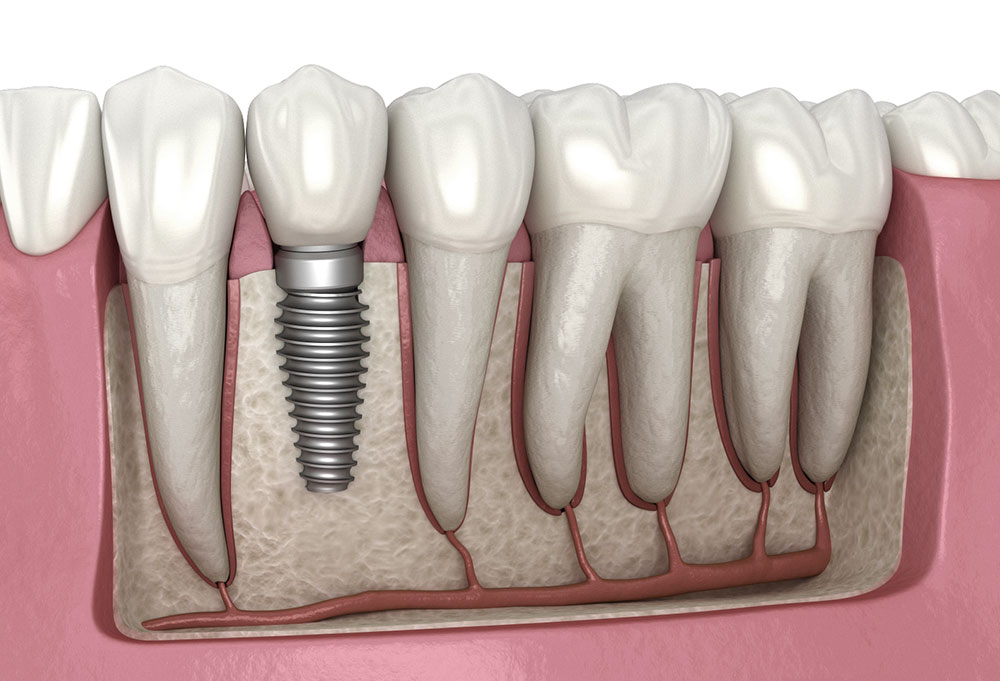
An implant tooth, also known as a dental implant, is a surgical component that interfaces with the bone of the jaw or skull to support a dental prosthesis such as a crown, bridge, denture, facial prosthesis or to act as an orthodontic anchor. In simple terms, it’s an artificial tooth root that provides a strong foundation for a replacement tooth. Unlike dentures, which rest on the gums, implants are anchored in the bone, offering superior stability and longevity.
Key Parts of a Dental Implant
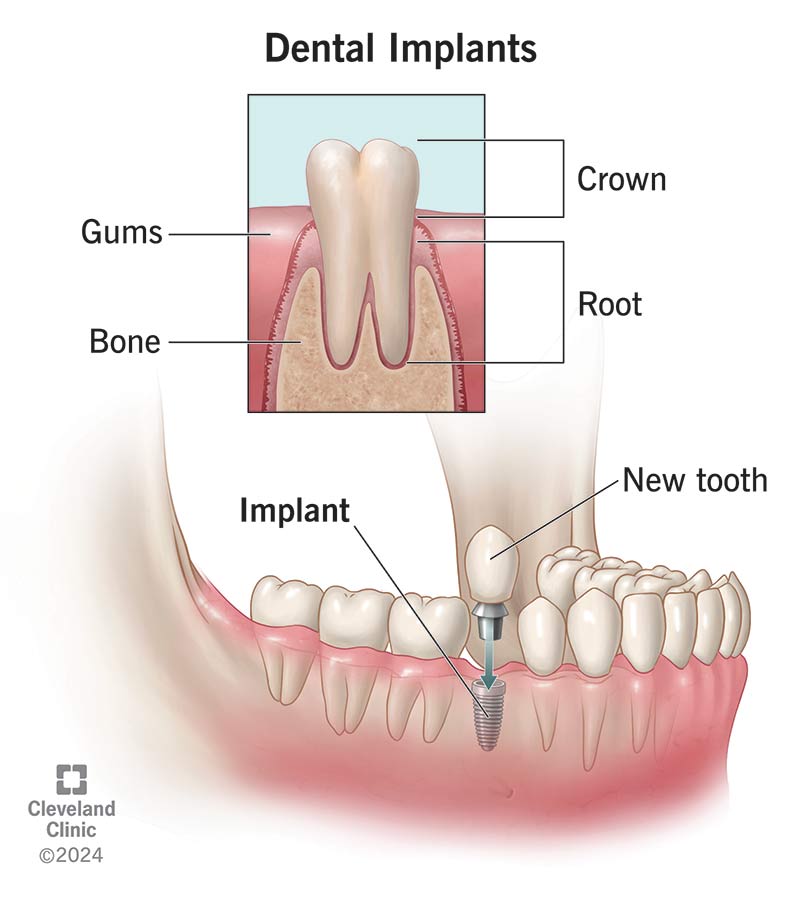
A dental implant typically consists of three main parts:
- The Implant: A titanium screw that is surgically placed into the jawbone. Titanium is biocompatible, meaning it fuses with the bone over time.
- The Abutment: A connector that is attached to the implant. It serves as a base for the crown.
- The Crown: A custom-made artificial tooth that is fitted onto the abutment. It is designed to match the color, size, and shape of your natural teeth.
The process of getting a dental implant is precise and requires careful planning to ensure successful integration with the jawbone.
How Is an Implant Tooth Different From Other Tooth Replacements?
When weighing up the most suitable approach, it’s essential to understand: what is an implant tooth and how does this compare to alternative remedies, such as dentures. Dental implants are permanently anchored into the jawbone, offering unmatched stability and preventing bone loss over time. Dentures, while more affordable upfront, rest on the gums and can shift, causing discomfort and requiring frequent adjustments. While dental tourism in albania is becoming an increasingly popular option for those seeking affordable dental implants, it’s important to consider the long-term benefits of choosing an implant for your overall oral health.
Benefits of Getting an Implant Tooth
Deciding on a dental solution? Considering the numerous implant tooth benefits can help make the choice clearer. From restoring your smile to improving your overall oral health, here’s why many people choose dental implants.
Why Choose an Implant?
Dental implants offer a range of advantages over other tooth replacement options. They are a permanent solution that can last a lifetime with proper care. Unlike dentures, implants do not slip or cause discomfort. They also preserve the integrity of adjacent teeth, unlike bridges, which require altering the neighboring teeth for support.
Health and Cosmetic Advantages
- Improved Smile: Dental implants look and feel like natural teeth, restoring your confidence and improved smile.
- Enhanced Chewing Function: Implants provide the same chewing force as natural teeth, allowing you to enjoy all types of food comfortably.
- Clearer Speech: Unlike dentures that can sometimes slip, implants stay firmly in place, enabling you to speak clearly and confidently.
The cosmetic advantages of an implant are not to be understated. Patients often report a significant boost in confidence due to their enhanced smile.
Preservation of Jawbone
One of the key advantages of dental implants is their ability to preservation of jawbone. When a tooth is lost, the jawbone in that area begins to deteriorate. Implants stimulate bone growth and prevent bone loss, maintaining the natural shape and density of your jaw. This not only supports your facial structure but also prevents future dental problems.
The Implant Tooth Procedure Step by Step
Understanding the tooth implant process can alleviate anxiety and help you prepare for treatment. Here’s a detailed walk-through of what to expect when getting a dental implant. The dental implant procedure involves several steps, from the initial consultation to the final fitting of the crown.
Step 1: Initial Consultation
Your journey begins with an initial consultation. During this appointment, the dentist will assess your oral health, review your medical history, and discuss your goals for tooth replacement. X-rays and CT scans may be taken to evaluate the bone density and identify the best placement for the implant.
Step 2: Implant Surgery
The next step is the implant surgery, where the implant surgery involves placing the titanium implant into the jawbone. This is typically done under local anesthesia. In some cases, a bone graft may be necessary if there is insufficient bone to support the implant.
How Long Does the Implant Tooth Procedure Take From Start to Finish?
The overall healing time can vary, but it generally takes 3-6 months for the jawbone to fuse with the implant. This process is called osseointegration. After this period, an abutment is attached to the implant, and a custom-made crown is fitted on top. The full implant process, from consultation to final crown placement, can take several months.
Step 3: Healing and Integration
After the surgery, it is crucial to allow the implant to heal and integrate with the bone. During this healing time, you may be given temporary tooth replacement options, such as a removable denture or a bridge.
Step 4: Abutment Placement
Once the implant has fully integrated with the bone, the abutment is attached. This may require a minor surgical procedure. The abutment serves as the connection between the implant and the final crown.
Step 5: Fitting the Crown
The final step is fitting the custom-made crown onto the abutment. The crown is designed to match your natural teeth and provide a comfortable, functional bite.
Are You a Candidate for an Implant Tooth?
Not everyone is automatically a suitable candidate for dental implants. Considering your implant tooth suitability is crucial for the success of the procedure. Several factors, including health conditions and dental considerations, can affect your eligibility.
Health and Dental Considerations
- Bone Density: Sufficient bone density is essential to support the implant. If you have experienced significant bone loss, a bone graft may be necessary.
- Overall Health: Certain health conditions, such as uncontrolled diabetes or autoimmune diseases, can affect the healing process and reduce the success rate of implants.
- Oral Hygiene: Good oral hygiene is crucial for the long-term success of implants. You must be committed to brushing, flossing, and regular dental check-ups.
Factors Impacting Candidacy
- Smoking: Smoking can significantly impair the healing process and increase the risk of implant failure.
- Age: While there is no specific age limits, younger patients may need to wait until their jawbone has fully developed before getting implants.
- Medical Conditions: Certain medical conditions and medications can affect your suitability for implants. A thorough medical evaluation is necessary.
Who Might Not Be Suitable for a Tooth Implant?
There are individuals for whom a tooth implant may not be the most suitable option. Patients with uncontrolled diabetes, severe autoimmune diseases, or those undergoing certain cancer treatments might face higher risks of implant failure. Heavy smokers and individuals with poor oral hygiene are also generally not considered ideal candidates. Consulting with a dental professional to assess your specific health situation is crucial. If implants aren’t suitable, exploring alternatives like dentures or bridges is essential for finding the right solution.
Risks and Possible Complications
While dental implants are generally safe and effective, it is important to be aware of potential implant tooth risks and complications. Understanding these issues can help you make an informed decision and take steps to minimize risks.
Infection and Implant Failure
- Infection: Infection at the implant site, known as peri-implantitis, can lead to bone loss and implant failure. Proper oral hygiene and regular dental check-ups are essential to prevent infection.
- Implant Failure Rates: Although dental implants have a high success rate, implant failure can occur. Factors such as poor bone density, smoking, and certain medical conditions can increase the risk of failure.
Long-Term Issues
- Nerve Damage: In rare cases, nerve damage can occur during implant placement, leading to pain, numbness, or tingling in the lips, chin, or tongue.
- Sinus Problems: Upper implants may protrude into the sinus cavity, causing sinus problems.
How to Reduce Risk
- Choose an Experienced Dentist: Selecting a qualified and experienced dentist can minimize the risk of complications.
- Follow Aftercare Instructions: Adhering to post-operative care instructions is crucial for proper healing and integration.
- Maintain Good Oral Hygiene: Regular brushing, flossing, and dental check-ups are essential for the long-term success of implants.
Implant Tooth Alternatives
If dental implants are not the right choice for you, there are several implant tooth alternatives to consider. Exploring these options can help you find a suitable solution for replacing missing teeth.
Dentures vs Implants
Dentures are removable artificial teeth that rest on the gums. They are a more affordable option than implants but may not provide the same level of stability and comfort. Dentures can also affect speech and chewing ability. However, are snap-in dentures cheaper than implants? For many patients this consideration alone makes dentures a much more attractive approach.
Dental Bridges
Dental bridges are fixed prosthetics that fill the gap created by a missing tooth. They are supported by the adjacent teeth, which are altered to accommodate the bridge. Bridges are less invasive than implants but do not prevent bone loss.
Removable Prosthetics
Removable partial dentures and flippers are other options for replacing missing teeth. These prosthetics are less expensive than implants and bridges but may not provide the same level of stability and comfort.
What is the Best Alternative to Dental Implants?
There’s no one-size-fits-all solution, as the “best” alternative depends on individual needs, preferences, and financial constraints. Dental bridges offer a fixed, less invasive option, but they require altering adjacent teeth. Dentures, on the other hand, are removable and more affordable but may not provide the same level of stability or comfort. Exploring the pros and cons of each solution with your dentist can help you make an informed decision.
Costs of an Implant Tooth in the UK
Understanding the implant tooth cost UK is an important part of the decision-making process. The cost of dental implants can vary depending on several factors, including the type of implant, the location of the clinic, and the complexity of the procedure.
Price Range for Single/Full Implants
In the UK, the implant tooth cost UK for a single implant can range from £2,000 to £4,000. Full mouth implants can cost between £10,000 and £30,000 or more. The cost of dental implants in albania can be significantly less, which is why some people chose this option.
Potential NHS/Insurance Coverage
Are dental implants available on the NHS? Dental implants are rarely covered by the National Health Service (NHS) unless there is a medical necessity, such as trauma or congenital defects. Private dental insurance may cover a portion of the cost, but it is important to check your policy.
How Much Does it Cost to Get a Single Implant Tooth in the UK?
The cost for a single dental implant in the UK can vary widely, influenced by factors such as the clinic’s location, the dentist’s expertise, and the materials used. Generally, you can expect to pay anywhere from £2,000 to £4,000 for a single implant, including the implant itself, abutment, and crown. However, it’s important to remember that this is just an estimate, and the actual cost could be higher depending on your specific needs and circumstances.
Financial Tips
- Compare Prices: Get quotes from multiple clinics to find the best price.
- Consider Financing Options: Many clinics offer financing plans to help you spread the cost over time.
- Explore Dental Tourism: Consider getting dental implants in other countries where the cost may be lower, such as Albania.
When weighing up costs, also take into account associated spending such as dental hygienist appointments and specialist products that will protect your implant tooth in the future.
Aftercare and Longevity of an Implant Tooth
Proper tooth implant aftercare is essential for ensuring the long-term success and lifespan of your dental implant. Following these recommendations can help you maintain your implant for many years.
Care Recommendations
- Maintain Good Oral Hygiene: Brush and floss daily to prevent plaque and bacteria buildup around the implant.
- Use Special Cleaning Aids: Interdental brushes and floss threaders can help you clean hard-to-reach areas around the implant.
- Avoid Smoking: Smoking can increase the risk of implant failure.
- Get Regular Dental Check-ups: Visit your dentist for regular check-ups and cleanings to monitor the health of your implant.
How Do I Take Care of My Implant Tooth?
Treat your implant tooth like a natural tooth by brushing twice daily with a soft-bristled toothbrush and flossing daily to remove plaque and prevent gum disease. You may also want to use an interdental brush or floss threader to clean around the implant, as these tools can reach areas that a regular toothbrush can’t. Regular dental check-ups and professional cleanings are also crucial for maintaining the health and longevity of your implant tooth.
How Long Do Implant Teeth Last?
The durability of an implant tooth can depend on a number of factors. The potential lifespan of dental implants is a major draw for this method. Generally, with proper care, how long do dental implants last? Many can last for 20 years or even a lifetime. Factors such as oral hygiene, lifestyle habits, and overall health play a significant role in determining the lifespan of an implant. Regular dental check-ups and professional cleanings are also crucial for maintaining the health and longevity of your implant tooth.
Signs of Failure or Problems
- Pain or Discomfort: Persistent pain or discomfort around the implant site may indicate a problem.
- Swelling or Inflammation: Swelling or inflammation of the gums around the implant can be a sign of infection.
- Loose Implant: A loose implant may indicate failure.
What Does an Implant Tooth Feel Like Compared to a Natural Tooth?
Many patients ask what will the dental implant feel like and will it be just like a normal tooth? Modern tooth implants are designed to closely mimic the look and function of natural teeth, providing a seamless and comfortable experience. A well-integrated dental implant should feel virtually indistinguishable from your natural teeth, allowing you to eat, speak, and smile with confidence.
Can You Get an Implant Tooth for Front Teeth?
Yes, it’s entirely possible to get an implant tooth for your front teeth. In fact, dental implants are an excellent solution for replacing missing front teeth, offering a natural-looking and long-lasting restoration. Implants for front teeth require careful planning and precision to ensure the best aesthetic outcome.
Is the Implant Tooth Procedure Painful?
One common concern when approaching a course of dental implants is the amount of pain one will feel. The implant tooth procedure is typically performed under local anesthesia, which numbs the area and minimizes discomfort during the surgery. Post-operative pain is generally mild and can be managed with over-the-counter pain relievers or prescription medication, if necessary.
What is the Success Rate of Implant Teeth?
Dental implants boast a notably high success rate, with many research papers stating around 95% and up. Factors influencing success include the dentist’s expertise, the patient’s overall health, bone density, and adherence to post-operative care instructions.
Are Dental Implants Available on the NHS?
Accessing dental implants through the NHS is generally limited and typically only available in cases of medical necessity, such as trauma or congenital defects. However, for those looking for a more affordable option, consider exploring the possibility of dental implants in albania.
What Are the Main Reasons for Implant Tooth Failure?
There are several potential reasons why an implant tooth might fail, including infection, poor bone integration, nerve damage and other underlying factors. Ensuring you have good oral hygiene is a crucial step in combating this. Selecting a qualified and experienced dentist can also minimize the risk.
Considering Albania Dental Implants
If you’re looking for a cost-effective solution, consider Albania Dental Implants. We offer high-quality dental implant services at a fraction of the cost compared to the UK. Our experienced team uses the latest technology and techniques to ensure a successful outcome.
Conclusion
An implant tooth is a durable, natural-looking solution for missing teeth that can greatly improve your quality of life. Understanding the procedure, benefits, risks, and costs involved can help you make an informed decision. Whether you choose to get implants in the UK or consider options like dental tourism in albania, the most important thing is to prioritize your oral health and consult with a qualified dentist.
Ready to restore your smile and confidence? Contact Albania Dental Implants today to schedule a consultation and learn more about our affordable and high-quality dental implant services.





