



Implants for Teeth – Everything You Need to Know
If you’re considering restoring your smile, implants for teeth offer a permanent and natural-looking solution for missing teeth.
Introduction
Dental implants have revolutionized the field of dentistry, offering a long-lasting and aesthetically pleasing solution for missing teeth. Unlike dentures or bridges, implants for teeth provide a stable and secure foundation for replacement teeth, closely mimicking the look, feel, and function of natural teeth.
Who benefits from dental implants?
Dental implants can benefit a wide range of individuals, from those missing a single tooth to those who have lost all of their teeth due to decay, injury, or disease. They are particularly beneficial for those who:
- Desire a permanent solution for missing teeth
- Want to improve their chewing ability and speech
- Seek a natural-looking and feeling tooth replacement option
- Are looking to avoid the discomfort and inconvenience of dentures
Importance of dental implants in oral health
Beyond aesthetics, dental implants play a crucial role in maintaining overall oral health. Missing teeth can lead to bone loss in the jaw, shifting of adjacent teeth, and an increased risk of gum disease. By replacing missing teeth, dental implants help to:
- Prevent bone loss
- Maintain the alignment of surrounding teeth
- Improve bite stability
- Enhance overall oral hygiene
What Are Implants for Teeth?
Let’s delve into the world of dental implants. These are not just replacements; they are a fusion of technology and biology designed to give you back your smile and confidence.
Definition and Types
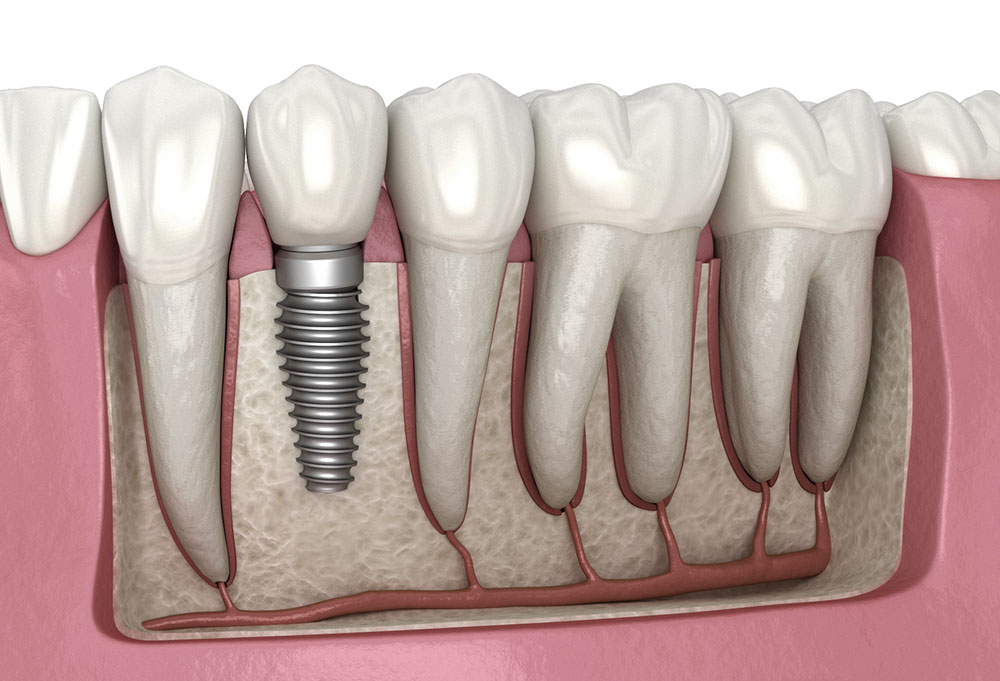
A dental implant is essentially an artificial tooth root, typically made of titanium, that is surgically placed into the jawbone. This provides a stable and durable foundation for a replacement tooth or teeth. There are two main types of dental implants:
- Endosteal Implants: These are the most common type, placed directly into the jawbone.
- Subperiosteal Implants: These are placed on top of the jawbone but under the gum tissue and are used in cases where there is not enough bone to support endosteal implants.
Components of a Dental Implant
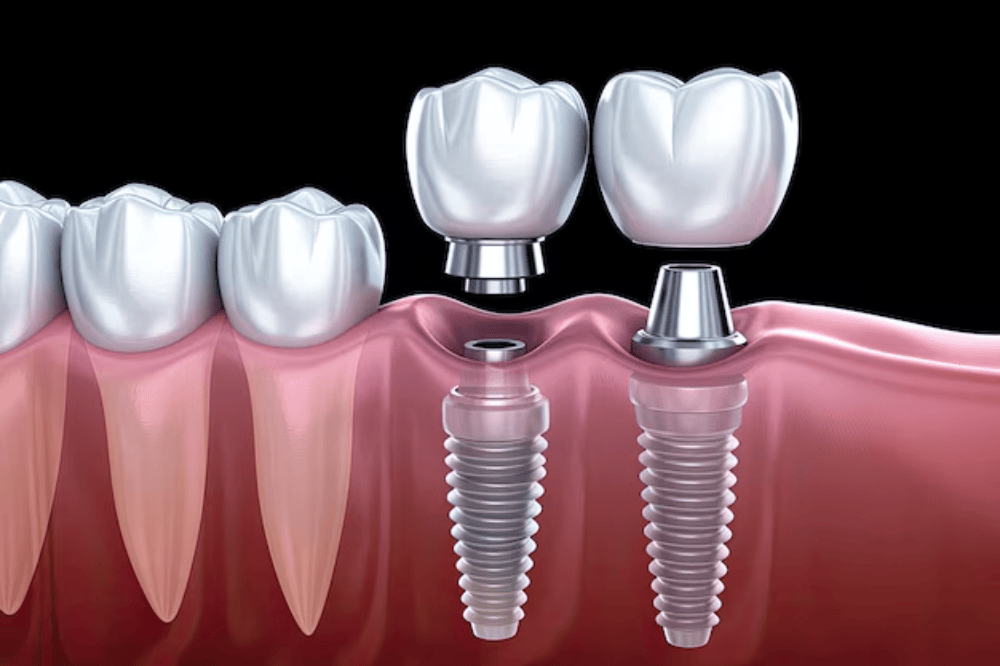
A complete dental implant consists of three main components:
- Post: The titanium screw that is surgically implanted into the jawbone, acting as the artificial root.
- Abutment: A connector piece that attaches to the implant post and serves as a base for the crown.
- Crown: The artificial tooth that is custom-made to match the color, shape, and size of your natural teeth.
Comparison with Dentures and Bridges
While dentures and bridges are alternative tooth replacement options, implants offer several advantages:
- Stability: Implants are anchored directly to the jawbone, providing superior stability compared to dentures, which can slip or move.
- Longevity: With proper care, implants can last a lifetime, while dentures and bridges typically need to be replaced every 5-10 years.
- Bone Health: Implants stimulate bone growth in the jaw, preventing bone loss, which is a common issue with dentures and bridges.
- Aesthetics: Implants look and feel more natural than dentures or bridges, providing a seamless and confident smile.
Who Is a Candidate for Dental Implants?
Not everyone is automatically a candidate for implants. Several factors determine dental implant eligibility and the likelihood of a successful outcome.
Who Qualifies for Implants for Teeth?
Generally, good candidates for dental implants are individuals who:
- Have one or more missing teeth
- Have sufficient bone density in the jaw to support an implant
- Have healthy gums
- Are committed to maintaining good oral hygiene
Factors: Bone Density, Gum Health, Medical Conditions
Specific factors that can impact dental implant suitability include:
- Bone Density: Adequate bone density is crucial for providing a stable foundation for the implant. If bone loss has occurred, bone grafting in albania may be necessary.
- Gum Health: Healthy gums are essential for preventing infection and ensuring proper healing after implant placement.
- Medical Conditions: Certain medical conditions, such as uncontrolled diabetes or autoimmune disorders, can affect the success of dental implants.
- Smoking: Smoking can significantly impair healing and increase the risk of implant failure.
Age and Dental Implant Suitability
While there is no specific upper age limit for dental implants, younger patients may need to wait until their jawbone has fully developed before undergoing the procedure. What is the best age for dental implants? This is a case-by-case consideration.
The Dental Implant Procedure Step by Step
Understanding the dental implant process can help alleviate anxiety and prepare you for each stage of treatment.
Initial Consultation and Planning
The first step involves a thorough evaluation by a qualified dentist or oral surgeon. This typically includes:
- A comprehensive oral exam
- X-rays or CT scans to assess bone density and identify any potential issues
- A discussion of your medical history and treatment goals
- Development of a personalized treatment plan
Surgery and Post-Surgical Healing
The implant surgery is typically performed under local anesthesia, although sedation may be an option for anxious patients. The procedure involves:
- Making an incision in the gum tissue to expose the jawbone
- Drilling a small hole in the bone to create space for the implant post
- Inserting the implant post into the hole
- Closing the gum tissue with sutures
After the surgery, a period of healing is required to allow the bone to fuse with the implant post. This process, called osseointegration, typically takes several months.
Placing the Abutment and Final Crown
Once osseointegration is complete, a second minor surgery is performed to attach the abutment to the implant post. After the gums have healed around the abutment, a custom-made crown is created and attached to the abutment, completing the dental implant.
Recovery: What to Expect
Following dental implant surgery, some discomfort and swelling are normal. Your dentist will provide instructions for pain management and oral hygiene. Most patients can return to their normal activities within a few days. Find out How long do you go without teeth when getting implants?
Types of Implants and Techniques
The world of dental implants is not one-size-fits-all. Various types of implants and techniques exist to address different needs and situations.
Single vs. Multiple Tooth Implants
Implants can be used to replace a single missing tooth or multiple missing teeth. Single tooth implants involve placing one implant post for each missing tooth. Multiple teeth implants, on the other hand, can involve using fewer implants to support a bridge or denture. You should be aware of How many implants do you need for 3 missing teeth?
All-on-4 and Full Arch Solutions
The All-on-4 technique is a revolutionary approach for replacing an entire arch of missing teeth using only four implants. This technique offers several advantages, including:
- Reduced treatment time
- Lower cost compared to traditional implants
- Improved stability and comfort compared to dentures
This approach is one of the many Albania Dental Implants Services available for patients looking for full mouth reconstruction in albania.
Mini Dental Implants: Indications and Limitations
Mini dental implants are smaller in diameter than traditional implants and are often used to stabilize dentures or replace small teeth. They offer a less invasive and more affordable alternative to traditional implants but may not be suitable for all patients.
Costs and Financing for Implants for Teeth
One of the primary concerns for individuals considering dental implants is the cost. Understanding the various factors that influence the price can help you make an informed decision.
Typical Price Range in the UK
The cost of dental implants in the UK can vary widely depending on several factors, including:
- The number of implants needed
- The type of implant used
- The complexity of the procedure
- The location of the dental practice
As a general estimate, a single dental implant in the UK can range from £2,000 to £4,000. All-on-4 solutions can cost between £10,000 and £20,000 per arch. If the How much does a dental implant cost UK is a problem for you, then you should consider dental tourism.
Private vs. NHS Availability
Dental implants are generally not available on the NHS unless there is a medical need. Most dental implant procedures are performed privately, which can impact the overall cost. Can NHS pay for my dental implants? Is an important question.
Payment Plans and Dental Insurance Coverage
Many dental practices offer payment plans to help patients finance their dental implant treatment. Additionally, some dental insurance policies may cover a portion of the cost of dental implants. It’s essential to check with your insurance provider to determine your coverage. Can I get finance for dental implants? Is commonly asked as a result of the large upfront costs.
Considering the cost in the UK, many patients opt for Albania Dental Implants to reduce their costs substantially while maintaining the same high standards of care. Our modern facilities and experienced staff offer top-tier service at a fraction of the UK price.
Risks, Benefits, and Aftercare
Like any medical procedure, dental implants involve potential risks and require proper aftercare to ensure long-term success. It’s helpful to understand dental implant risks.
Success Rates and Longevity
Dental implants have a high success rate, with many studies reporting success rates of 95% or higher. With proper care, dental implants can last a lifetime.
Potential Risks and How to Minimise Them
Potential risks associated with dental implants include:
- Infection
- Nerve damage
- Sinus problems
- Implant failure
These risks can be minimised by choosing a qualified and experienced dentist or oral surgeon, following all post-operative instructions, and maintaining good oral hygiene. What does no one tell you about dental implants? Is the importance of aftercare.
Maintenance: Brushing, Check-Ups, Lifestyle Factors
To ensure the longevity of your dental implants, it’s essential to:
- Brush and floss regularly
- Attend regular dental check-ups
- Avoid smoking
- Maintain a healthy diet
Alternatives to Dental Implants
While dental implants are an excellent option for many, alternative tooth replacement options are available.
Pros and Cons of Bridges and Dentures
Dental bridges and dentures offer more affordable tooth replacement options, but they also have drawbacks. Bridges require altering adjacent teeth and have a shorter lifespan than implants. Dentures can be uncomfortable, unstable, and require frequent adjustments. Are implants better than dentures? Is commonly asked.
When Implants for Teeth May Not Be Advised
In some cases, dental implants may not be the best option. This may be due to:
- Insufficient bone density
- Certain medical conditions
- Financial constraints
Frequently Asked Questions About Implants for Teeth
Here are some of the most frequently asked questions about dental implants:
How long do implants for teeth last?
With proper care and maintenance, dental implants can last a lifetime.
Is the procedure painful?
Most patients report minimal discomfort during the dental implant procedure. Local anesthesia and sedation options are available to ensure a comfortable experience.
What is the success rate?
Dental implants have a high success rate, with many studies reporting success rates of 95% or higher.
How soon can I eat normally?
Your dentist will provide specific dietary instructions following dental implant surgery. Generally, you can start eating soft foods within a few days and gradually progress to a normal diet as healing progresses.
Are same-day implants possible?
In some cases, same-day implants are possible, allowing you to receive your implant and a temporary crown in a single visit. However, this option is not suitable for all patients. Can implants be done in one day? This is important to determine.
What are implants for teeth, and how do they work?
Dental implants are artificial tooth roots surgically placed into the jawbone to support a replacement tooth or bridge. They fuse with the bone over time, providing a stable and long-lasting foundation.
Am I suitable for dental implants?
Suitability depends on factors like bone density, gum health, and overall health. A thorough evaluation by a dentist is necessary to determine if you are a good candidate.
For those who may not be candidates, our team at Albania Dental Implants specializes in bone grafting in albania to enhance bone density and prepare the jaw for implants.
How painful is getting a dental implant?
The procedure is typically performed under local anesthesia, minimizing discomfort. Post-operative pain is usually manageable with over-the-counter pain relievers.
How much do implants for teeth cost in the UK?
Costs vary widely, ranging from £2,000 to £4,000 per implant, depending on factors like location, the number of implants, and the complexity of the case.
How do I care for dental implants after surgery?
Care involves regular brushing, flossing, and dental check-ups. Your dentist will provide specific instructions for maintaining your implants.
What are the risks and disadvantages of dental implants?
Risks include infection, nerve damage, sinus problems, and implant failure. These risks can be minimized by choosing an experienced dentist and following post-operative instructions.
Are dental implants available on the NHS?
Dental implants are rarely available on the NHS unless there is a medical need. Most procedures are performed privately.
How long does recovery take after dental implant surgery?
Initial recovery takes a few days, but complete osseointegration can take several months.
What are alternatives to implants for missing teeth?
Alternatives include dental bridges, dentures, and partial dentures. The best alternative to dental implants depends on individual needs and circumstances.
Will my dental implants look and feel natural?
Yes, dental implants are designed to look and feel like natural teeth, providing a seamless and confident smile. The goal is to achieve What does an implant tooth look like? A natural tooth.
Conclusion
Dental implants offer a permanent and natural-looking solution for missing teeth, improving both aesthetics and oral health. While the cost can be a concern, the long-term benefits and high success rate make implants a top modern solution.
Ready to take the next step towards restoring your smile? Contact us today for a consultation and find a local provider. For a more affordable option, consider dental tourism in albania with Albania Dental Implants for top-quality care at a reduced cost.
Contact contact albania dental implants today for a consultation!





