



Implants NHS – Everything You Need to Know
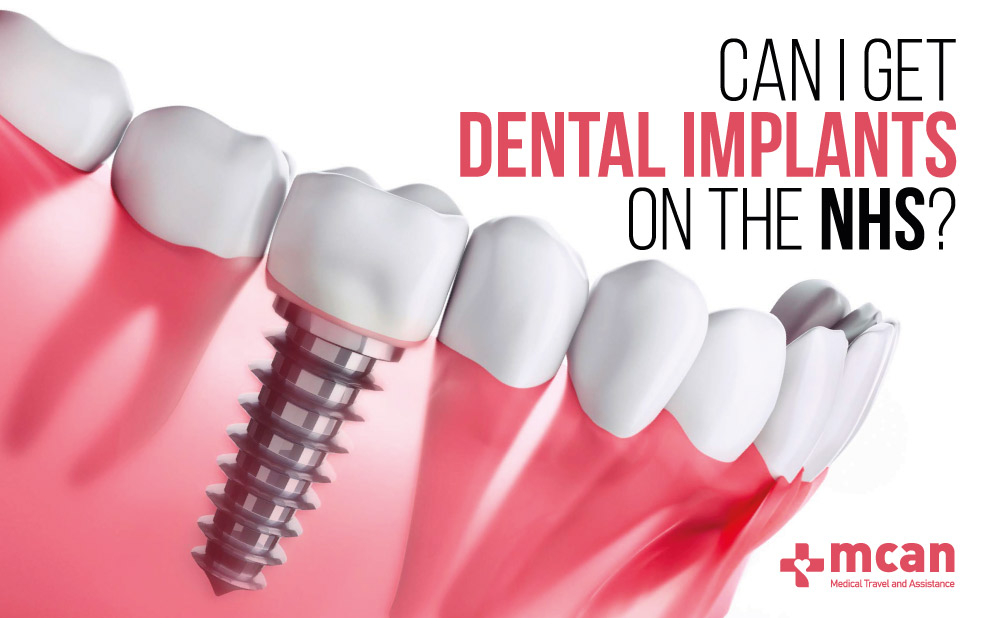
Implants NHS refers to the availability, eligibility, and process for getting dental or medical implants through the National Health Service in the UK. Many people search for this service hoping for affordable solutions to tooth loss or medical conditions requiring implants. This guide will explore the types of implants available, eligibility criteria, costs, the application process, and the advantages and limitations of pursuing implant treatment through the NHS versus private options.
Introduction
Millions of individuals in the UK experience tooth loss or suffer from medical conditions that might necessitate implants. The NHS, as a publicly funded healthcare system, is often the first port of call for many seeking treatment. However, the reality of obtaining implants through the NHS can be complex. People search for “implants nhs” to understand their options, assess their eligibility, and compare the NHS route with private dental care. This comprehensive guide will cover the following key topics: Implant Types: Dental and medical implants – what they are and their applications. Eligibility: The specific criteria for NHS funding of implants. Costs: Understanding NHS banding and potential patient contributions. Process: A step-by-step guide to getting implants through the NHS. NHS vs. Private: Comparing the pros and cons of each route. Alternatives: Other tooth or joint replacement options available on the NHS.
What Are NHS Implants?
Dental implants nhs, nhs medical implants, and understanding what are implants are crucial for anyone considering this treatment. Implants can be broadly categorized into dental and medical implants, each serving different purposes and having varying levels of NHS availability.
Definition and Explanation (Dental and Medical Context)
Dental implants are artificial tooth roots, typically made of titanium, surgically placed into the jawbone to support a replacement tooth or bridge. They are a long-term solution for missing teeth, offering stability and a natural look and feel. In a medical context, implants can refer to devices used to replace or support other body parts, such as joint replacements (hip, knee) or cochlear implants for hearing.
How NHS Implants Differ from Private Implants
The primary difference between NHS and private implants lies in accessibility and cost. NHS implants are subject to strict eligibility criteria and funding limitations, meaning they are not available to everyone. Private implants, on the other hand, offer greater flexibility in terms of treatment options and provider choice, but come at a significantly higher cost. For instance, if you are considering high-quality and affordable dental implants, consider dental tourism in albania.
Brief History and Current Scope of Implant Treatment on the NHS
Historically, implant treatment on the NHS has been limited, primarily reserved for cases of significant medical need, such as patients who have lost teeth or facial structures due to trauma or cancer. The current scope remains narrow due to budgetary constraints and the prioritization of essential treatments. Most routine tooth loss cases are not eligible for NHS-funded dental implants.
Who Is Eligible for Implants on the NHS?
Understanding nhs implants eligibility, who can get implants nhs, and nhs funding for implants is essential for anyone hoping to receive implant treatment through the NHS. Eligibility criteria are stringent, focusing on cases where implants are deemed medically necessary rather than purely for aesthetic reasons.
NHS Criteria for Funding Dental and Medical Implants
The NHS primarily funds dental implants in cases where tooth loss is a direct result of: Trauma: Significant facial injury leading to tooth loss. Cancer Treatment: Tooth loss as a consequence of cancer surgery or radiotherapy. Congenital Conditions: Inherited conditions that cause missing teeth. For medical implants, such as joint replacements, the criteria generally involve: Severe Pain and Disability: The patient’s condition significantly impacts their quality of life. Failure of Conservative Treatments: Other non-surgical treatments have been unsuccessful. Overall Health: The patient is fit enough to undergo surgery and rehabilitation.
Key Restrictions and Exceptions
Several restrictions and exceptions apply to NHS implant funding: Routine Tooth Loss: Implants are generally not funded for common causes of tooth loss like decay or gum disease. Cosmetic Reasons: Implants are not provided solely to improve appearance. Geographic Variations: Access to implant treatment may vary depending on the local Clinical Commissioning Group (CCG) or health board.
Examples of Qualifying Medical Circumstances
Examples of medical circumstances that might qualify for NHS implant funding include: A patient who has lost a significant portion of their jaw due to cancer surgery and requires implants to support a facial prosthesis. An individual with a congenital condition like ectodermal dysplasia, which results in missing teeth from birth. A trauma victim who has lost multiple teeth in an accident and needs implants to restore function and aesthetics.
Costs of Implants on the NHS
Understanding implants nhs cost, whether nhs implants free, nhs dental charges, and comparing private vs nhs implants cost is a critical aspect of considering this treatment. While the NHS aims to provide affordable healthcare, implant treatment often involves patient contributions.
Typical Costs and NHS Banding for Implants
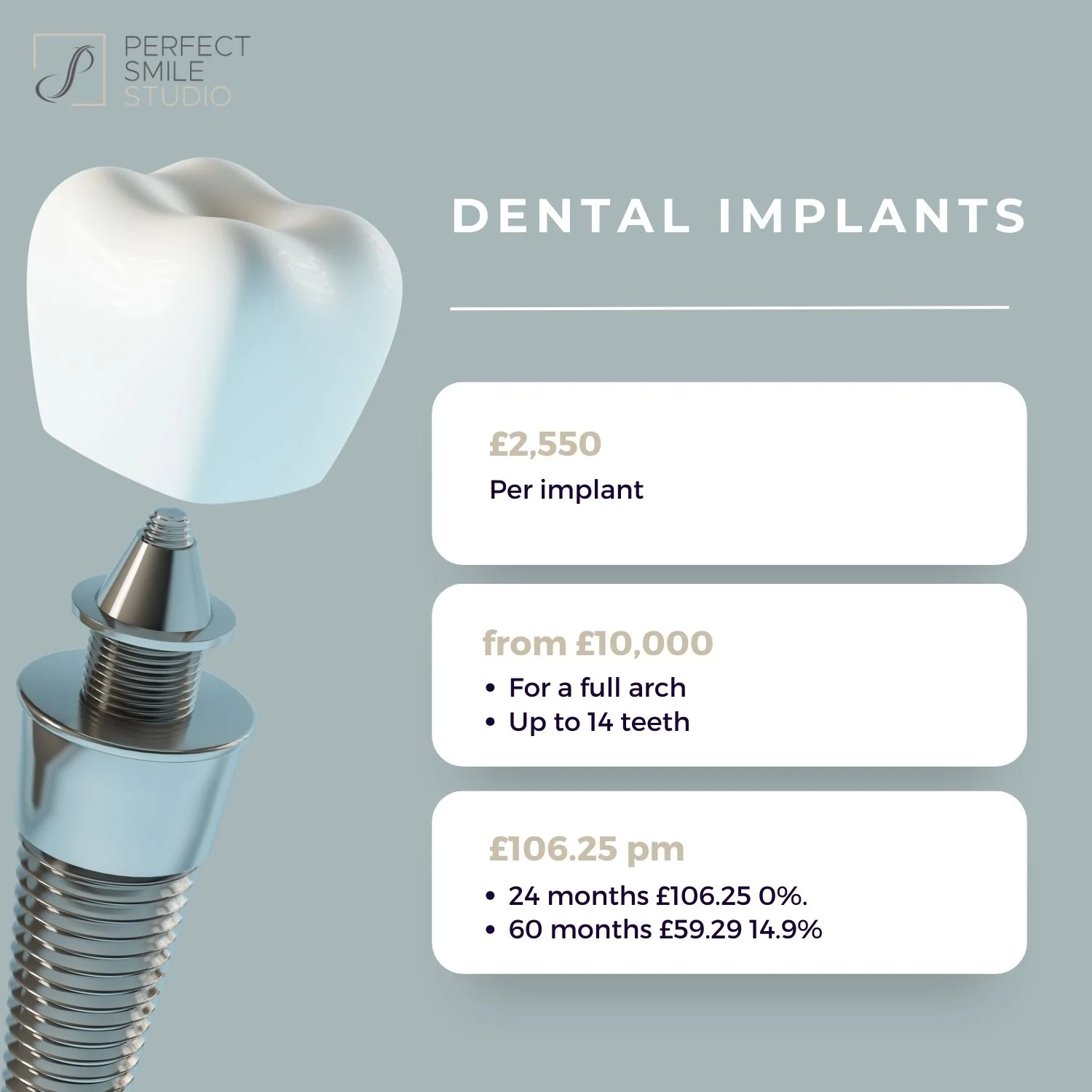
NHS dental charges are structured into bands, with each band covering different types of treatment. As implants are considered a complex procedure, they typically fall under Band 3, which, as of 2023, costs £282.80 in England. However, this charge only covers the affordable aspect, since NHS-funded implants are incredibly rare. This may include examinations, diagnosis, and preventative care. Private practices, like Albania Dental Implants Services, often offer more flexible and comprehensive treatment plans, including options for immediate loading dental implants in albania.
How Much (If Anything) Does the Patient Pay?
The patient’s contribution depends on their eligibility for free NHS dental treatment. Certain groups are exempt from charges, including: Individuals under 18. Pregnant women and those who have given birth in the last 12 months. People receiving certain benefits, such as Income Support, Income-based Jobseeker’s Allowance, or Income-related Employment and Support Allowance. Those who do not qualify for exemptions are required to pay the relevant NHS banding charge.
Cases Where Implants May Be Free
In exceptional circumstances, implants may be free on the NHS if: The patient qualifies for full NHS funding due to significant medical need. The treatment is part of a research study or clinical trial.
Getting Implants Through the NHS: The Process
Navigating the nhs implants process, understanding the nhs implant assessment, and knowing how to apply for implants nhs are essential steps in seeking NHS-funded implant treatment. The process involves several stages, from referral to treatment completion.
Step-by-Step Process: Referral, Assessment, Approval, Treatment
1. Referral: The process usually begins with a referral from your general dentist or GP to a specialist implant clinic or hospital department. 2. Assessment: A comprehensive assessment is conducted to determine your eligibility for NHS funding and assess your suitability for implant treatment. This may include x-rays, scans, and a review of your medical history. 3. Approval: If the assessment is positive, a funding application is submitted to the local CCG or health board. Approval is not guaranteed and depends on the availability of resources and the strength of your case. 4. Treatment: If funding is approved, you will be placed on a waiting list for treatment. Once your name comes up, you will undergo the implant procedure, which typically involves multiple appointments over several months.
Typical Waiting Times
Waiting times for NHS implant treatment can be considerable, often ranging from several months to several years. This is due to high demand and limited resources. ###What to Expect at Each Stage Referral: Be prepared to provide detailed information about your medical history and the reasons for needing implant treatment. Assessment: Attend all appointments and cooperate fully with the dental team. Approval: Understand that funding approval is not guaranteed and be prepared to explore alternative options if necessary. Treatment: Follow all instructions provided by your dental team to ensure the success of the implant procedure.
NHS Implants vs Private Implants
Comparing nhs vs private implants, nhs dental implants vs private, and considering private implants uk are important when deciding on the best course of action. Both routes offer distinct advantages and disadvantages.
Key Differences: Cost, Eligibility, Waiting Times, Care
Cost: NHS implants are significantly cheaper, with patients only paying the relevant NHS banding charge (if not exempt). Private implants can cost several thousand pounds per tooth. To save on expenses, patients are increasingly looking into the cost of dental implants in albania. Eligibility: NHS eligibility is restricted to cases of medical necessity. Private implants are available to anyone who meets the clinical criteria for implant treatment. Waiting Times: NHS waiting times can be extensive. Private treatment can usually be arranged much more quickly. Care: Both NHS and private implant providers offer high-quality care, but private clinics may offer a wider range of treatment options and more personalized attention.
Pros and Cons of Each Route
NHS Implants: Pros: Low cost, access to specialist expertise. Cons: Strict eligibility criteria, long waiting times, limited treatment options. Private Implants: Pros: Greater accessibility, shorter waiting times, wider range of treatment options, personalized care. Cons: High cost.
Alternatives to Implants on the NHS
Exploring nhs dentures, nhs bridges, and other alternative nhs treatments is a worthwhile step if you are not eligible for NHS-funded implants or are seeking a more immediate solution.
Overview of Other Tooth or Joint Replacement Options Available on the NHS
The NHS offers several alternatives to implants for tooth replacement, including: Dentures: Removable false teeth made of acrylic or metal. Bridges: Fixed false teeth that are anchored to adjacent natural teeth. For joint replacements, alternatives may include: Pain Management: Medications and physical therapy. Joint Injections: Corticosteroids or hyaluronic acid. Other Surgical Procedures: Such as arthroscopy or joint resurfacing.
When Alternatives Might Be Recommended Over Implants
Alternatives may be recommended over implants if: You do not meet the eligibility criteria for NHS implant funding. You have medical conditions that make implant surgery risky. You prefer a less invasive or more affordable treatment option. There is insufficient bone to support an implant
Frequently Asked Questions About Implants on the NHS
Addressing faqs, answering common questions about implants nhs, and providing nhs implant advice can help clarify the complexities surrounding NHS implant treatment.
Are dental implants available on the NHS for everyone?
No, dental implants are not available on the NHS for everyone. Access is limited to individuals who meet strict eligibility criteria, typically those with significant medical needs, such as tooth loss due to trauma, cancer treatment, or congenital conditions. Routine tooth loss from decay or gum disease is generally not covered.
How do I qualify for dental implants on the NHS?
To qualify, you typically need to demonstrate that your tooth loss is a direct result of a medical condition or treatment, such as cancer surgery, a severe accident, or a congenital defect. A thorough assessment by a specialist is required to determine eligibility and the medical necessity of implant treatment.
Are NHS implants really free, or do I have to pay?
While NHS dental treatment aims to be affordable, it is not always free. If you are not exempt from NHS dental charges, you will need to pay the relevant banding charge for implant treatment, which usually falls under Band 3. However, if you qualify for full NHS funding due to your medical circumstances, you may receive implant treatment free of charge.
What is the process for getting NHS implants?
The process involves referral from a general dentist or GP, assessment by a specialist, application for funding approval, and placement on a waiting list if approved. The entire process can take several months to years.
How long does the process take from referral to treatment?
The time from referral to treatment can vary significantly, but it is often a lengthy process due to high demand and limited resources. Waiting times of several months to years are not uncommon.
What alternatives to implants are offered by the NHS?
The NHS offers several alternatives to implants, including dentures and bridges. These options may be more readily available and suitable for individuals who do not meet the eligibility criteria for implant treatment.
Are NHS implants as good as private implants?
Both NHS and private implant providers adhere to high standards of care. However, private clinics may offer a wider range of treatment options, materials, and more personalized attention. The expertise of the dental professionals is equivalent.
Can I choose my implant type or provider on the NHS?
Choice is more limited on the NHS compared to private treatment. You may not have the option to choose the specific implant type or provider. Treatment decisions are based on clinical need and the resources available within the NHS system.
What reasons might make someone ineligible for NHS implants?
Common reasons for ineligibility include: Tooth loss due to routine decay or gum disease. Implants sought solely for cosmetic reasons. Failure to meet the medical necessity criteria. Poor overall health that makes implant surgery risky.
What should I do if I am denied NHS implants?
If your application for NHS implants is denied, you can: Appeal the decision. Seek a second opinion from another specialist. Explore alternative treatment options, such as dentures or bridges. Consider private implant treatment.
Resources and Next Steps
Seeking implants nhs referrals, knowing how to find nhs implant dentist, and having an nhs implant contact are crucial for starting the process.
How to Check Eligibility
To check your eligibility for NHS implants: 1. Consult your general dentist or GP for a referral. 2. Contact your local CCG or health board for information on funding criteria. 3. Review the NHS website for guidance on dental and medical treatment.
How to Get Referred
A referral from your general dentist or GP is typically required to access NHS implant treatment. Be prepared to discuss your medical history and the reasons for needing implant treatment.
Where to Find More Information
NHS Website: Provides general information on dental and medical treatments. Local CCG or Health Board: Can provide specific information on funding criteria and available services in your area. Patient Advocacy Groups: Offer support and advice on navigating the NHS system. Albania Dental Implants Resources may give you access to affordable treatment solutions. By understanding the availability, eligibility, and process for getting implants through the NHS, you can make informed decisions about your treatment options. While NHS funding is limited, alternative solutions and private care options are available to help you achieve a healthy and confident smile. In addition, you may consider full mouth reconstruction in albania. We also provide comprehensive services to help you achieve a confident smile, including options for single tooth implants in albania. Contact us today to learn more.





