



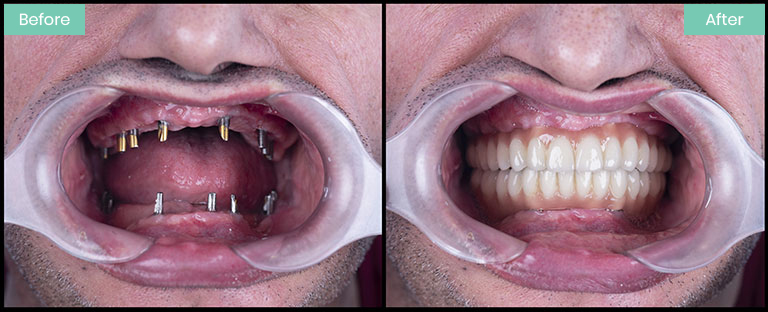

Implants UK: A Permanent, Natural-Looking Tooth Replacement
Dental implants in the UK are rapidly becoming the leading choice for permanent tooth replacement. More and more people discover that implants deliver long-lasting, aesthetic, and fully functional results compared with traditional dentures and bridges.
What Are Dental Implants (UK)?
Dental implants are a modern solution for missing teeth, designed to look, feel, and function like natural teeth—restoring both your smile and your confidence.
Understanding Dental Implants
An implant is a small titanium post surgically placed into the jawbone. Over time, the bone fuses with the post in a process called osseointegration, creating a stable foundation. A custom crown is then attached via an abutment to complete the restoration. This approach scales from single-tooth replacement to multiple-tooth restorations (e.g., several implants supporting a bridge) for durable, cost-effective outcomes.
How Implants Differ from Other Options
- Versus dentures: Implants are fixed in place and provide a secure bite; dentures are removable and may feel unstable.
- Versus bridges: Implants do not require filing down healthy neighbouring teeth and help preserve bone volume.
Benefits of Choosing Implants in the UK
Advantages of Dental Implants
- Aesthetics: Natural look and feel for a confident smile.
- Durability: With proper care, implants can last decades—often a lifetime. For more detail, see how long do dental implants last in the UK?
- Function: Eat, speak, and laugh without slipping or discomfort.
- Bone health: Implants stimulate bone and help prevent jawbone loss.
- Stability: Fixed solution with a secure, comfortable bite.
Suitability for Different Needs
Implants can be tailored for single, multiple, or full-arch restorations. Where bone is limited, adjunct procedures such as bone grafting or sinus lift can make treatment possible.
Implants vs Dentures vs Bridges
| Feature | Dental Implants | Dentures | Bridges |
|---|---|---|---|
| Stability | Fixed and secure | Removable; may be unstable | Fixed; relies on adjacent teeth |
| Aesthetics | Most natural-looking | May look artificial | Natural look possible; teeth must be prepared |
| Durability | Long-term; can last a lifetime | Typically 5–10 years | Typically 10–15 years |
| Bone Health | Helps preserve bone | Does not prevent bone loss | Does not prevent bone loss |
| Impact on Adjacent Teeth | No preparation required | May irritate gums/abutments | Requires filing adjacent teeth |
| Cost Profile | Higher upfront; strong long-term value | Lower upfront; recurring replacement costs | Moderate; depends on case |
Types of Implants Available in the UK
Conventional (Standard) Implants
Titanium posts placed in the jaw, followed by abutment and crown after healing. Suitable for most patients with adequate bone density.
Mini Implants
Smaller diameter fixtures often used to stabilise dentures or in areas with limited bone. They are less invasive but not ideal for every indication. Discuss suitability with your clinician (e.g., potential downsides versus goals).
Same-Day (Immediate Load) Implants UK
Placement of implants and provisional crowns in one visit for select cases with sufficient primary stability. Final restorations follow after healing.
Specialty Options
For complex bone loss, options such as zygomatic or subperiosteal implants may be indicated. These require specialist assessment and planning.
Dental Implant Procedure (UK): What to Expect
Step-by-Step
- Consultation & Evaluation: Exam, X-rays/CT, medical history, and suitability assessment.
- Treatment Planning: Personalised plan based on goals, anatomy, and budget.
- Implant Placement: Surgical insertion under local anaesthesia (sedation available).
- Osseointegration: Bone fuses to the implant over several months.
- Abutment Placement: Connector fitted after healing.
- Crown Placement: Custom crown attached to complete the restoration.
Preparation & Diagnostics
Expect X-rays, CT imaging, and impressions/scans. Your dentist will review bone density and any health considerations, and align the plan to your goals.
Surgery & Recovery Timeline
Surgery is typically performed under local anaesthesia. Post-op swelling and mild soreness are common and manageable. Osseointegration generally takes several months.
Implant Aftercare (UK)
- Brush and floss daily; use interdental aids as advised.
- Attend regular reviews and professional cleanings.
- Avoid smoking and excessive alcohol.
- Follow all post-operative guidance precisely.
Cost of Implants UK: Pricing, Finance & Insurance
Typical Price Ranges (Indicative)
- Single Implant (implant + abutment + crown): £2,000–£4,000
- All-on-4 (per arch): £8,000–£15,000+
- Full-Mouth Implants: £15,000–£30,000+
What Affects Cost?
- Implant type and number of fixtures
- Adjunct procedures (bone grafting, sinus lift)
- Materials (e.g., zirconia vs. porcelain-fused-to-metal)
- Clinic location and clinician experience
Financing & Payment Plans
- Interest-free credit (subject to status)
- Dedicated dental loans with flexible terms
- Staged payments aligned to treatment milestones
Insurance Coverage
Most UK dental policies do not fully cover implants; partial coverage may be available. Check with your provider for specifics.
If you’re exploring more affordable options without compromising quality, consider dental tourism in Albania.
Finding the Best Implant Clinics in the UK
Selection Criteria
- Surgeon’s qualifications and implant experience
- Advanced tech (3D imaging, guided surgery, CAD/CAM)
- Transparent pricing and thorough planning
- Positive reviews and documented case results
- Strict hygiene and safety standards
How to Review Credentials
- Verify registration with the GDC
- Confirm relevant post-graduate implant training
- Ask about personal success rates and complication management
- Visit the clinic to assess facilities and team
Reading Patient Testimonials
- Comments on expertise, communication, and support
- Clarity of expectations and end results
- Aftercare quality and responsiveness
NHS vs Private Dental Implants (UK)
Availability & Eligibility
NHS implants are limited to cases of medical necessity (e.g., trauma, congenital absence, effects of cancer treatment). Criteria vary and waiting lists can be long.
Benefits & Limitations
| Feature | NHS Dental Implants | Private Dental Implants |
|---|---|---|
| Availability | Limited; medical necessity only | Widely available |
| Eligibility | Strict criteria; long waits | Broader eligibility; faster access |
| Cost | Subsidised | Higher upfront; more finance options |
| Materials/Systems | Limited choice | Wider choice of systems and materials |
| Experience | Varies by centre | Often dedicated implant teams |
| Aftercare | Standard follow-up | Comprehensive maintenance programmes |
Common Questions About Implants (UK)
What is the success rate?
Studies commonly report success rates around 95% over 10 years, influenced by health, hygiene, bite forces, and clinician expertise.
Am I a candidate?
Most adults qualify after evaluation of bone volume, gum health, medical history, and hygiene habits.
How long do implants last?
With excellent care, implants can last a lifetime; crowns may require replacement after 10–15 years due to wear.
Are implants painful?
Placement is performed under local anaesthesia; post-op discomfort is usually mild and manageable.
Can implants be placed in one day?
Same-day approaches are possible in select cases with sufficient primary stability; your surgeon will advise.
What are the risks?
Infection, nerve irritation, sinus issues, or lack of integration—rare with proper planning and aftercare.
How do I care for implants?
Brush and floss daily, use interdental aids, attend regular check-ups/cleanings, avoid smoking.
Patient Experiences & Reviews
Real Patient Stories
“I was self-conscious about my missing teeth—implants changed everything. I smile again.” — Sarah, London
“The procedure was easier than I expected, and I can enjoy all my favourite foods.” — John, Manchester
“Financing made it affordable—my best investment.” — Emma, Birmingham
Common Feedback Themes
- Higher confidence and quality of life
- Reliable chewing and speech
- Long-term, natural aesthetics
Final Advice & Next Steps
Consultation Checklist
- Research experienced implant clinics
- Read reviews and verify credentials
- Confirm consultation cost and inclusions
- Prepare your questions and goals
What to Ask Your Dentist
- Experience and success rates
- Implant systems and materials used
- Risks, alternatives, and aftercare
- All costs and financing options
Preparing for Surgery
- Follow pre-op instructions
- Arrange transport after surgery
- Plan a soft diet and have ice packs ready
- Take prescribed medications as directed
If you want high-quality care at more accessible prices, consider Albania Dental Implants. We offer experienced clinicians, advanced technology, and transparent pricing.
Contact Albania Dental Implants to schedule your consultation and start your journey to a confident, healthy smile.





