




Is a Crown a Fake Tooth? Unveiling Your Tooth Restoration Options
Is a crown a fake tooth? This guide clarifies the difference between dental crowns and other tooth replacement options, like implants and bridges, helping you choose the best solution for your dental needs, whether that’s staying here in the UK or exploring options further afield in countries like Albania with Albania Dental Implants.
What is a Dental Crown?
dental crown, tooth restoration, porcelain crown, cosmetic dentistry
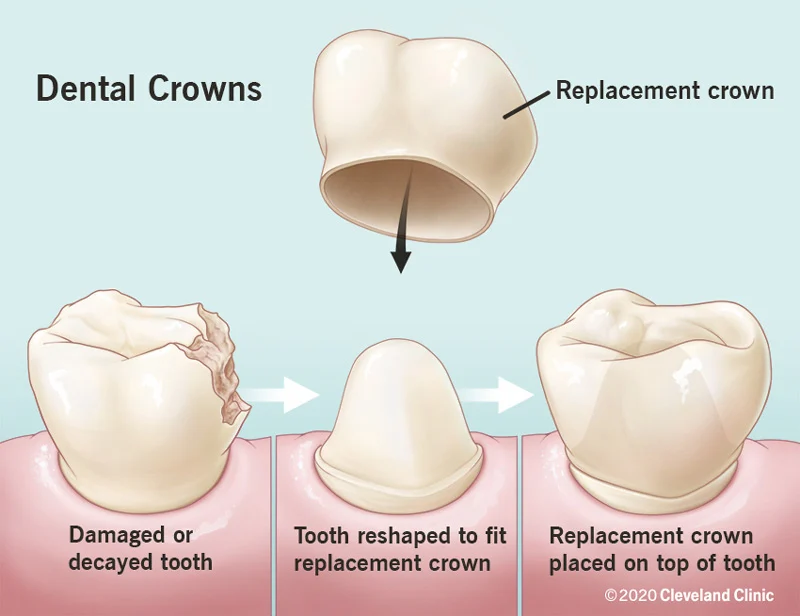
A dental crown, often referred to as a “cap,” is a type of tooth restoration that covers the entire visible portion of a tooth. While it’s not a fake tooth in the sense that it replaces a missing tooth entirely, it’s a prosthetic designed to restore a damaged tooth to its original shape, size, and function. Think of it like a protective helmet for your tooth.
Definition and Materials Used in Crowns
Dental crowns are custom-made to fit snugly over a prepared tooth. They can be crafted from a variety of materials, each with its own pros and cons:
- Porcelain: Known for its natural appearance and excellent aesthetics, porcelain crowns are a popular choice for front teeth. They can be colour-matched to blend seamlessly with your existing smile and are a favourite in cosmetic dentistry in Albania.
- Porcelain-fused-to-metal (PFM): These crowns combine the strength of metal with the aesthetic appeal of porcelain. They are a good option for both front and back teeth.
- Zirconia: A strong and durable ceramic material, zirconia crowns offer excellent aesthetics and are resistant to chipping and cracking.
- Metal: Gold alloys and other metals are incredibly strong and long-lasting but are not as aesthetically pleasing as other options. They are typically used for back teeth, where strength is more important than appearance.
How Crowns Function
Dental crowns serve several important functions:
- Protecting a weakened tooth: Crowns can safeguard a tooth that has been weakened by decay, cracks, or large fillings.
- Restoring a broken or worn-down tooth: Crowns can rebuild a tooth that has been damaged by trauma or wear and tear.
- Covering a dental implant: A crown is the final restoration placed on top of a dental implant, providing a natural-looking and functional tooth replacement.
- Improving aesthetics: Crowns can improve the appearance of a discoloured, misshapen, or otherwise unattractive tooth.
Common Reasons for Needing a Crown
Dentists may recommend a crown for various reasons, including:
- Extensive tooth decay: When a tooth has a large cavity that cannot be filled, a crown can protect the remaining tooth structure.
- Cracked or fractured tooth: A crown can hold a cracked tooth together and prevent further damage.
- Root canal treatment: After a root canal, a crown is often placed to strengthen and protect the treated tooth.
- Cosmetic purposes: Crowns can improve the appearance of teeth that are severely discoloured, misshapen, or too small.
What Is a Fake Tooth?
fake tooth, dental implant, prosthetic tooth, tooth replacement
The term “fake tooth” generally refers to a prosthetic that replaces a missing tooth entirely. These tooth replacement options are designed to restore both the appearance and function of your smile when a tooth is no longer present.
Explanation of “Fake Tooth” and Typical Options
When people talk about “fake teeth,” they typically mean one of the following:
- Dental Implants: These are considered the gold standard for tooth replacement. A dental implant is a titanium post surgically implanted into the jawbone, which acts as an artificial root for a prosthetic tooth (crown). They are a popular option in countries like Albania due to their affordability; check dental tourism in Albania for more information.
- Dental Bridges: A dental bridge fills the gap left by a missing tooth by anchoring a prosthetic tooth to the adjacent teeth. The adjacent teeth are crowned to support the bridge.
- Dentures: Dentures are removable appliances that replace multiple missing teeth or an entire arch of teeth. They can be partial or complete, depending on the number of missing teeth.
Comparison with Crowns
The key difference between a crown and a “fake tooth” is that a crown restores an existing tooth, while a “fake tooth” replaces a tooth that is missing. A crown covers and protects a damaged tooth, while options like dental implants, bridges, and dentures fill the gap left by a missing tooth.
How is a Dental Crown Different From Other Tooth Replacements?
dental crown vs fake tooth, dental bridge, dental implant, tooth restoration
Understanding the differences between a dental crown and other tooth restoration options is crucial when considering your treatment plan. Each option has its own advantages and is suited for different situations.
Crown vs Implant
A crown is used to restore a damaged tooth, while a dental implant replaces a missing tooth. The implant is surgically placed into the jawbone, and a crown is then attached to the implant to create a natural-looking and functional replacement. As part of cosmetic procedures a dental crowns in Albania can be used on top of the implants.
Is a dental implant better than a dental crown?
A dental implant is generally considered a more comprehensive and long-lasting solution for replacing a missing tooth than a dental crown for a damaged tooth. Implants replace both the root and the crown of the tooth, providing superior stability and preventing bone loss in the jaw. Crowns, on the other hand, only restore the visible portion of a damaged tooth.
Crown vs Bridge
A bridge, like a crown, is a fixed tooth restoration, but it’s used to replace a missing tooth by anchoring a prosthetic tooth to the adjacent teeth. Crowns are placed on the adjacent teeth to support the bridge. Unlike an implant, a bridge doesn’t replace the root of the missing tooth.
Use Cases for Each Option
- Crown: Best for restoring damaged teeth that are still present.
- Implant: Ideal for replacing missing teeth with a long-lasting and stable solution.
- Bridge: A good option for replacing a missing tooth when adjacent teeth need crowns anyway.
When Do Dentists Recommend Crowns or Fake Teeth?
dental restoration, cosmetic dentistry, tooth replacement
The decision to recommend a crown or a “fake tooth” depends on the specific needs and condition of the patient’s teeth. Dentists carefully assess each case to determine the most appropriate treatment plan.
Indications for Crowns
Dentists typically recommend crowns in the following situations:
- Protecting a weakened tooth: When a tooth is weakened by decay, cracks, or a large filling, a crown can provide the necessary protection.
- Restoring a damaged tooth: Crowns can restore teeth that are broken, worn down, or have undergone root canal treatment.
- Improving aesthetics: Crowns can enhance the appearance of teeth that are discoloured, misshapen, or have other cosmetic flaws.
Indications for Implants or Bridges
Tooth replacement options like implants or bridges are recommended when a tooth is missing entirely. Here are some specific scenarios:
- Single missing tooth: An implant is often the preferred option for replacing a single missing tooth, as it doesn’t require altering the adjacent teeth.
- Multiple missing teeth: Implants can be used to support a bridge or a full set of dentures. Alternatively, a traditional bridge can be used to replace a few missing teeth in a row.
- Full arch of missing teeth: In cases where all teeth are missing in one or both jaws, implant-supported dentures or all on 4 dental implants can provide a stable and functional solution.
Assessment Process
The assessment process typically involves:
- Comprehensive examination: The dentist will examine your teeth, gums, and jawbone.
- X-rays: X-rays help the dentist assess the health of your teeth and jawbone.
- Discussion of treatment options: The dentist will discuss the available treatment options, their pros and cons, and their associated costs.
Costs and Lifespan of Crowns vs Fake Teeth
dental crown cost, dental implant cost, porcelain crown lifespan, tooth replacement expenses
Understanding the costs and lifespan of different dental restoration options is essential for making an informed decision. Both crowns and “fake teeth” (implants, bridges) vary in price and durability.
Price Ranges in the UK
The dental crown cost in the UK can vary depending on the material used and the complexity of the case. Here’s a general overview:
- Porcelain crowns: £600 – £1,200 per crown
- PFM crowns: £500 – £1,000 per crown
- Zirconia crowns: £700 – £1,500 per crown
- Metal crowns: £400 – £900 per crown
The dental implant cost in the UK is significantly higher, reflecting the more complex procedure involved. A single implant, including the abutment and crown, can range from £2,000 to £4,000. Bridges typically cost between £1,500 and £3,000, depending on the number of teeth involved. For more affordable options, consider checking dental tourism in Albania through dental tourism in Albania.
Durability and Expected Lifespan
- Crowns: With proper care, porcelain crowns lifespan can last between 10 and 15 years.
- Implants: Dental implants are designed to be a long-term solution and can last a lifetime with good oral hygiene and regular check-ups.
- Bridges: Bridges typically last between 5 and 10 years, but their lifespan can be extended with proper care.
Maintenance Requirements
Maintaining your dental restoration is crucial for its longevity. Here are some general guidelines:
- Good oral hygiene: Brush and floss regularly to remove plaque and bacteria.
- Regular dental check-ups: Visit your dentist for regular check-ups and cleanings.
- Avoid hard and sticky foods: These can damage or dislodge crowns, bridges, and implants.
Are crowns as strong as real teeth?
While dental crowns are made to be durable, they don’t always match the strength of your natural teeth. Natural teeth consist of enamel, the hardest substance in the human body. Although materials like zirconia can closely mimic this strength, crowns are still vulnerable to chipping or cracking under extreme pressure.
FAQs About Crowns and Fake Teeth
In this section, we’ll address some frequently asked questions about crowns and “fake teeth” to help you make an informed decision about your dental care.
Is a crown considered a fake tooth?
No, a crown is not considered a fake tooth. It’s a restoration that covers and protects a damaged tooth, rather than replacing a missing one entirely. Think of it as a protective shell for your existing tooth.
What happens if I lose a tooth – is a crown the only option?
If you lose a tooth, a crown is not an option, as it requires an existing tooth to cover. Instead, you would need a tooth replacement option such as a dental implant, bridge, or denture. Albania Dental Implants offers affordable options for tooth replacement, including dental implants and bridges.
Are crowns permanent or temporary?
Crowns are considered a long-term solution but are not necessarily permanent. With proper care, they can last for 10-15 years or even longer. However, they may need to be replaced eventually due to wear and tear, damage, or changes in the underlying tooth.
How long does a crown last?
As mentioned above, a crown can last for 10-15 years or longer with proper care. Factors that can affect its lifespan include oral hygiene, diet, and the material used for the crown.
Are crowns suitable for front or back teeth?
Crowns are suitable for both front and back teeth. For front teeth, porcelain or zirconia crowns are often preferred due to their aesthetic appeal. For back teeth, stronger materials like metal or PFM crowns may be recommended to withstand the forces of chewing.
What materials are crowns made from?
Crowns can be made from a variety of materials, including porcelain, PFM, zirconia, and metal. Each material has its own advantages and disadvantages in terms of aesthetics, strength, and cost.
How much does a crown cost in the UK?
The cost of a crown in the UK can vary depending on the material used and the complexity of the case. Porcelain crowns typically cost between £600 and £1,200, while zirconia crowns can range from £700 to £1,500.
Does getting a crown hurt?
The process of getting a crown typically involves minimal discomfort. Your dentist will use local anaesthetic to numb the area before preparing the tooth and placing the crown. You may experience some sensitivity or soreness after the procedure, but this can usually be managed with over-the-counter pain relievers.
What materials are crowns made from?
Crowns can be made from a variety of materials, including porcelain, porcelain-fused-to-metal (PFM), zirconia, and metal alloys. The choice of material depends on factors such as aesthetics, strength requirements, and cost.
Considering dental implants in Albania can provide a cost-effective alternative without compromising on quality, giving you access to state-of-the-art treatments and experienced dental professionals.
Take a look at contact Albania Dental Implants, if you are interested.
If you’re looking to replace a missing tooth, or several teeth, consider the long-term benefits of dental implants. Not only can they restore your smile, but they can also improve your overall oral health and quality of life. Contact Albania Dental Implants today to learn more about our affordable and high-quality dental implant services and our about Albania Dental Implants.