



Is a Single Tooth Implant Worth It? For many individuals in the UK considering solutions for a missing tooth, this question is paramount. A single tooth implant offers a permanent and natural-looking solution to replace a missing tooth, restoring functionality and aesthetics. Patients weigh the benefits of improved oral health, enhanced confidence, and long-term durability against factors like cost, the dental implant procedure itself, and recovery time. This guide delves into the pros and cons of single tooth implants to help you make an informed decision.
What Is a Single Tooth Implant?
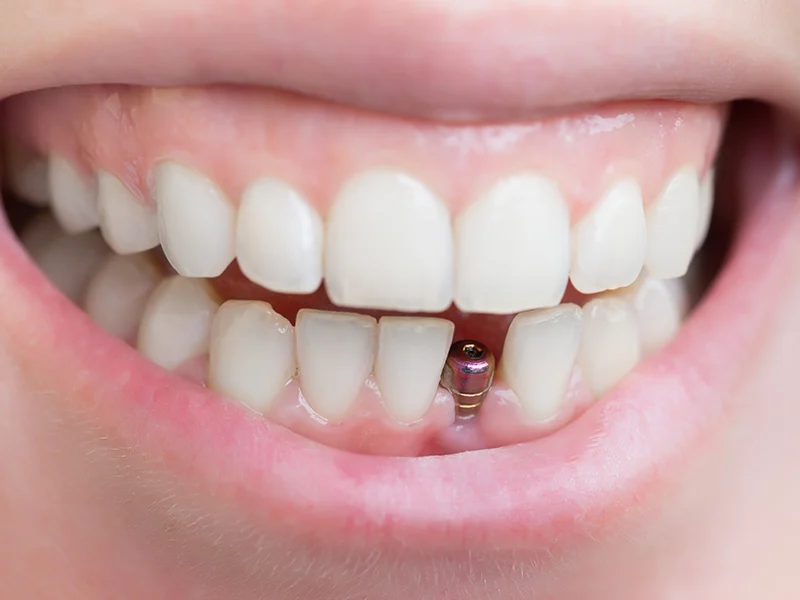
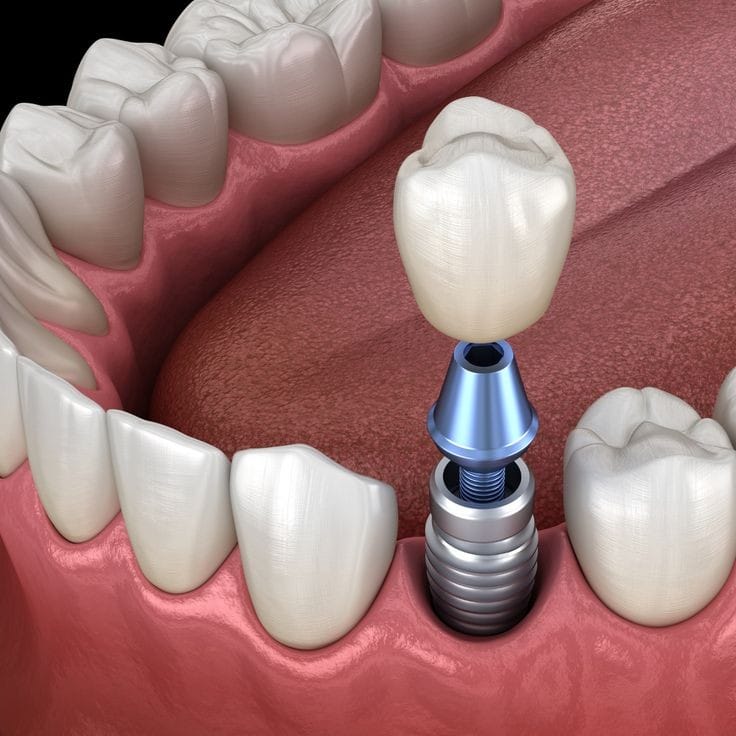
A single tooth implant is a dental restoration method where a titanium post is surgically placed into the jawbone to act as an artificial tooth root. This post then supports a replacement tooth, typically a dental crown, that matches the color and shape of your natural teeth.
Single Tooth Implant Procedure Steps
The single tooth implant procedure steps involve several key stages:
- Consultation and Assessment: A thorough examination, including X-rays or CT scans, to assess your suitability for an implant.
- Implant Placement: Surgical placement of the titanium post into the jawbone.
- Healing (Osseointegration): A period of several months allowing the bone to fuse with the implant.
- Abutment Placement: Attaching a connector (abutment) to the implant, which will hold the crown.
- Crown Placement: Fitting the custom-made dental crown onto the abutment, completing the restoration.
This process, though lengthy, provides a stable and long-lasting solution for a missing tooth, mimicking the look, feel, and function of a natural tooth.
Cost of Single Tooth Implant in the UK
Understanding the single tooth implant cost UK is crucial for budgeting. The cost can vary significantly based on several factors, including the clinic’s location, the materials used, and the complexity of the case.
Breakdown of UK Market Prices
Generally, a single tooth implant in the UK can range from £2,000 to £4,000. This typically includes:
- Initial consultation and assessment
- Implant placement surgery
- Abutment
- Dental crown
NHS Dental Implant Eligibility
NHS dental implant eligibility is limited. Implants are rarely available on the NHS and are usually reserved for patients with specific medical conditions or those who have experienced trauma. In most cases, you’ll need to consider private dental care for implant treatment.
Factors Influencing Cost
Several factors can affect the overall cost:
- Material: Zirconia implants in Albania may cost more than traditional titanium implants.
- Clinic Location: Prices can vary between clinics in London versus other regions of the UK.
- Complexity: Additional procedures like bone grafting in Albania, or sinus lifts in Albania, can increase the cost.
Dental Implants vs. Other Tooth Replacement Options
When considering tooth replacement, it’s important to understand how dental implant vs bridge and dentures compare. Each option has its own set of advantages and disadvantages.
Implants vs. Bridges
Dental bridges involve anchoring a false tooth to the adjacent natural teeth, requiring those teeth to be filed down. Implants, on the other hand, are self-supported and don’t affect the surrounding teeth. While bridges are typically less expensive upfront, they may not last as long as implants and can increase the risk of decay in the supporting teeth.
Implants vs. Dentures
Dentures are removable appliances that replace multiple missing teeth. While dentures are a more affordable option, they can be less stable and comfortable than implants. Implants provide a secure and permanent solution, preventing bone loss and maintaining facial structure.
Mini Dental Implants
Mini dental implants are smaller in diameter than traditional implants. They can be a good option for patients with limited bone density or those seeking a less invasive procedure. However, they may not be suitable for all cases and may not provide the same long-term stability as traditional implants.
Key Comparison Points
| Feature | Dental Implant | Dental Bridge | Dentures |
|---|---|---|---|
| Longevity | Long-term (15+ years) | Medium-term (5-10 years) | Medium-term (5-10 years) |
| Aesthetics | Very natural | Natural | May look less natural |
| Maintenance | Easy, like natural teeth | Requires special cleaning | Requires daily removal and cleaning |
| Impact on Adjacent Teeth | None | Requires alteration of adjacent teeth | May put pressure on adjacent teeth |
| Bone Loss Prevention | Yes | No | No |
Advantages and Disadvantages of Single Tooth Implants
Evaluating the dental implant advantages and disadvantages is essential before making a decision. Implants offer numerous benefits but also come with potential drawbacks.
Advantages
- Natural Feel and Function: Implants feel and function like natural teeth, allowing you to eat, speak, and smile with confidence.
- Long-Term Durability: With proper care, implants can last a lifetime.
- Improved Oral Health: Implants don’t require altering adjacent teeth, promoting better long-term oral health.
- Bone Loss Prevention: Implants stimulate bone growth, preventing bone loss in the jaw.
- Enhanced Aesthetics: Implants provide a natural-looking replacement for missing teeth.
Disadvantages
- Cost: Implants are generally more expensive than other tooth replacement options.
- Surgery: Implant placement requires surgery, which carries some risks.
- Time: The entire implant process can take several months to complete.
- Risk of Complications: Although rare, complications such as infection or implant failure can occur.
What to Expect: Procedure, Pain, and Recovery
Knowing what to expect during the tooth implant recovery process can alleviate anxiety and help you prepare. Understanding the potential for dental implant pain is also important.
Walkthrough of the Entire Process
- Consultation: Initial assessment and treatment planning.
- Surgery: Placement of the titanium implant into the jawbone. This is typically performed under local anesthesia, but sedation options are available.
- Healing Period: Osseointegration, which can take 3-6 months.
- Abutment Placement: A small connector is attached to the implant.
- Crown Fitting: The custom-made crown is attached to the abutment, completing the restoration.
Recovery Timeline and Typical Discomfort
After surgery, you may experience some discomfort, swelling, and bruising. Pain can usually be managed with over-the-counter or prescription pain medication. The initial recovery period typically lasts a few days to a week. Full osseointegration can take several months.
Managing Pain and Complications
To manage pain and prevent complications:
- Follow your dentist’s instructions carefully.
- Take prescribed medications as directed.
- Maintain good oral hygiene.
- Avoid hard or sticky foods during the initial healing period.
- Contact your dentist immediately if you experience signs of infection or other complications.
If you have concerns about discomfort or pain, consider the benefits of dental tourism in Albania, where costs may be lower and comprehensive care is provided.
How Long Do Tooth Implants Last?
Understanding how long do tooth implants last is a key consideration for long-term planning. Implants are designed to be a durable and lasting solution, but their lifespan can vary.
Factors That Affect Longevity
- Oral Hygiene: Maintaining good oral hygiene is crucial for preventing peri-implantitis, a condition that can lead to implant failure.
- Lifestyle Habits: Smoking and excessive alcohol consumption can negatively impact implant longevity.
- Overall Health: Certain medical conditions, such as diabetes, can affect the healing process and increase the risk of complications.
- Maintenance: Regular dental check-ups and professional cleanings are essential for maintaining implant health.
Implant Survival Rates and Maintenance Tips
Studies show that dental implants have a high success rate, with many lasting 15 years or longer. To maximize implant longevity:
- Brush and floss daily.
- Use an interdental brush to clean around the implant.
- Visit your dentist for regular check-ups and professional cleanings.
- Avoid smoking and excessive alcohol consumption.
- Follow your dentist’s instructions for aftercare.
Is a Single Tooth Implant Worth It? (Personal and Financial Value)
Determining if a single tooth implant is “worth it” involves weighing the long-term benefits against the upfront cost and potential risks. Implants offer a unique combination of durability, aesthetics, and functionality that can significantly improve your quality of life.
Long-Term Benefits and Daily Life Impact
The long-term benefits of a single tooth implant include:
- Improved Confidence: Restoring your smile can boost your self-esteem and confidence.
- Enhanced Functionality: Implants allow you to eat and speak comfortably, without worrying about dentures slipping or shifting.
- Better Oral Health: Implants don’t require altering adjacent teeth and can prevent bone loss in the jaw.
Alternative Circumstances
In some cases, a dental bridge or removable partial denture might be a more suitable option, particularly if cost is a major concern or if you have certain medical conditions that make implant surgery risky.
However, for many individuals, the long-term benefits of a single tooth implant outweigh the initial investment, making it a worthwhile solution for restoring their smile and oral health.
Aftercare and Long-Term Considerations
Proper aftercare for dental implants is essential for ensuring their long-term success. This includes maintaining good oral hygiene and attending regular dental check-ups.
Importance of Oral Hygiene
Brushing and flossing daily are crucial for preventing plaque and bacteria from accumulating around the implant. Using an interdental brush can help clean hard-to-reach areas. You may consider cosmetic dentistry in Albania to enhance your smile after the implant procedure.
Check-Ups and Professional Cleaning
Regular dental check-ups and professional cleanings are essential for monitoring implant health and detecting any potential problems early on. Your dentist can also provide guidance on proper oral hygiene techniques.
Frequently Asked Questions (FAQ)
How much does a single tooth implant cost in the UK?
The cost of a single tooth implant in the UK typically ranges from £2,000 to £4,000. This includes the initial consultation, implant placement, abutment, and dental crown. Prices can vary based on location, materials, and complexity of the case. At Albania Dental Implants, we offer competitive pricing and high-quality care, making it a more affordable option for many patients. To learn more about the cost of dental implants in Albania, feel free to contact Albania dental implants for personalised advice.
Is a single tooth implant painful?
While some discomfort is expected after the procedure, most patients report that a single tooth implant is not significantly painful. Local anesthesia is used during the implant placement to minimize discomfort, and over-the-counter or prescription pain medication can help manage any post-operative pain. The level of pain experienced can vary from person to person.
How long does a single tooth implant last?
With proper care and maintenance, a single tooth implant can last a lifetime. Factors such as oral hygiene, lifestyle habits (smoking, alcohol consumption), and regular dental check-ups play a crucial role in the implant’s longevity. Many implants last for 15 years or longer.
Can you get a dental implant on the NHS?
Dental implants are rarely available on the NHS. They are generally reserved for patients with specific medical conditions or those who have experienced trauma. In most cases, you’ll need to consider private dental care for implant treatment. If you’re looking for affordable options, consider Albania Dental Implants Services.
Are dental implants safe?
Dental implants are considered a safe and effective tooth replacement option when performed by a qualified and experienced dentist. As with any surgical procedure, there are some risks involved, such as infection, nerve damage, or implant failure. However, these complications are rare. The safety of dental implants also depends on the patient’s overall health and adherence to post-operative care instructions. Who should not get dental implants should be a question you need to ask.
What is the procedure for a single tooth implant?
The procedure involves several steps: consultation and assessment, implant placement, healing (osseointegration), abutment placement, and crown placement. Osseointegration typically takes 3-6 months. The entire process can take several months to complete.
What are the risks and potential complications?
Potential risks and complications include infection, nerve damage, sinus problems, implant failure, and damage to adjacent teeth. These complications are rare but can occur. Choosing a qualified and experienced dentist can minimize these risks.
Is a single tooth implant better than a bridge?
In many cases, a single tooth implant is considered a better long-term solution than a bridge. Implants don’t require altering adjacent teeth, prevent bone loss, and can last a lifetime. Bridges, on the other hand, require altering adjacent teeth and may need to be replaced after 5-10 years. However, bridges are typically less expensive upfront.
How do I know if I am suitable for a tooth implant?
The best way to determine if you are suitable for a tooth implant is to consult with a qualified dentist. They will assess your oral health, medical history, and bone density to determine if you are a good candidate. Good candidates generally have healthy gums, sufficient bone density, and are committed to maintaining good oral hygiene.
What is the recovery time after a tooth implant?
The initial recovery period after implant placement typically lasts a few days to a week. During this time, you may experience some discomfort, swelling, and bruising. Full osseointegration can take 3-6 months. You may want to know what to do if you have bad teeth and no money in the UK.
Are there financing or payment options available?
Many dental clinics offer financing or payment plans to help make dental implants more affordable. Additionally, some patients may explore options such as dental insurance or medical loans to help cover the cost. At Albania Dental Implants, we can discuss affordable options with you.
What aftercare is needed for a tooth implant?
Aftercare includes maintaining good oral hygiene, brushing and flossing daily, using an interdental brush to clean around the implant, and attending regular dental check-ups and professional cleanings. Avoiding smoking and excessive alcohol consumption is also important.
Conclusion
Ultimately, the decision of whether is a single tooth implant worth it depends on your individual circumstances, priorities, and budget. Implants offer a long-term, natural-looking solution for missing teeth, improving oral health and enhancing your quality of life. To discover affordable options, explore dental tourism in Albania with us. If you’re ready to explore the benefits of single tooth implants, contact Albania Dental Implants today for a consultation!





