



Is a tooth crown painful? Many patients worry about discomfort before, during, and after the dental crown procedure. This article will address those concerns, explaining what to expect and how any potential tooth crown pain is managed, with insights from Albania Dental Implants. We also offer dental tourism in Albania with affordable options to regain a confident, healthy smile.
What Is a Tooth Crown and Why Is It Needed?
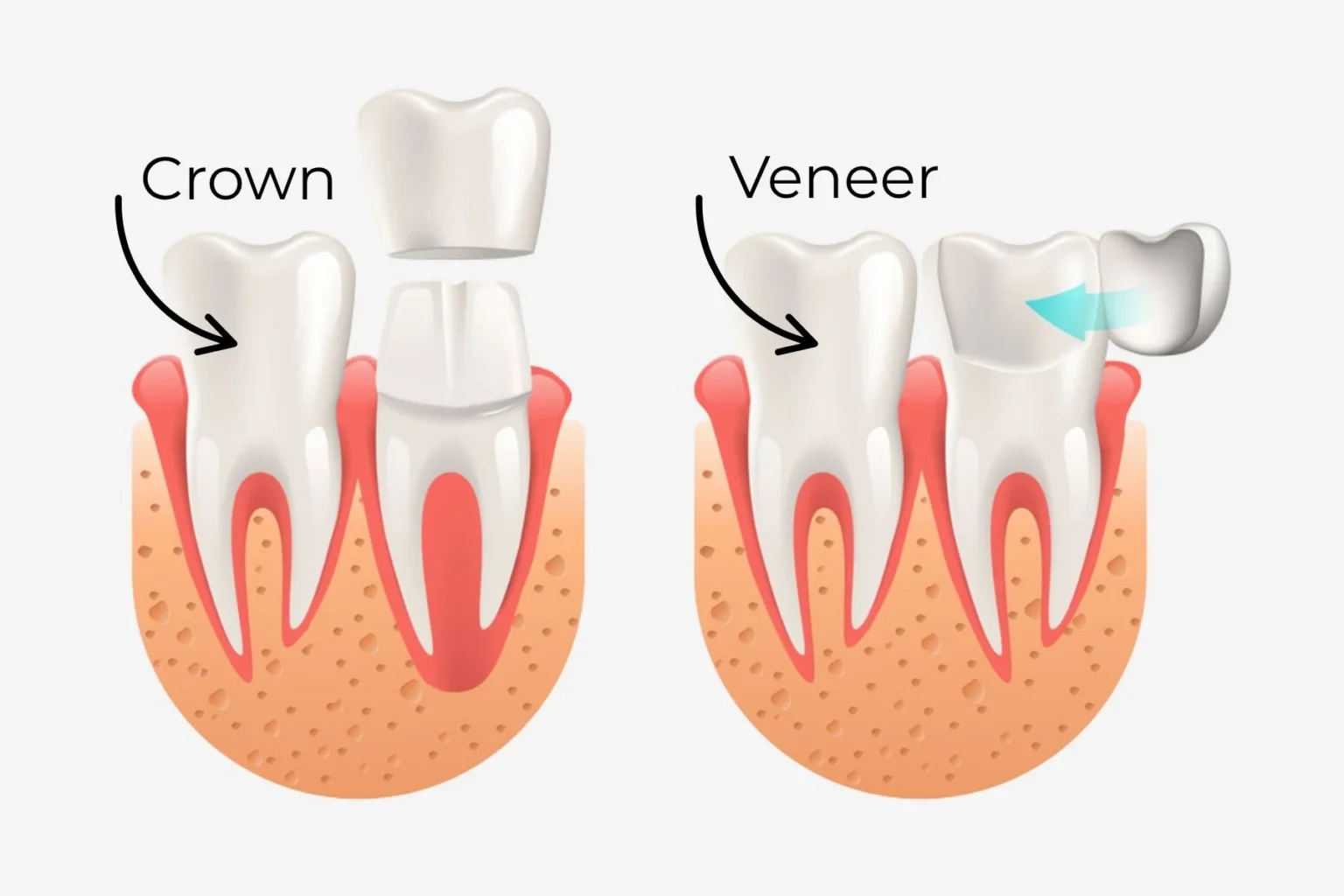
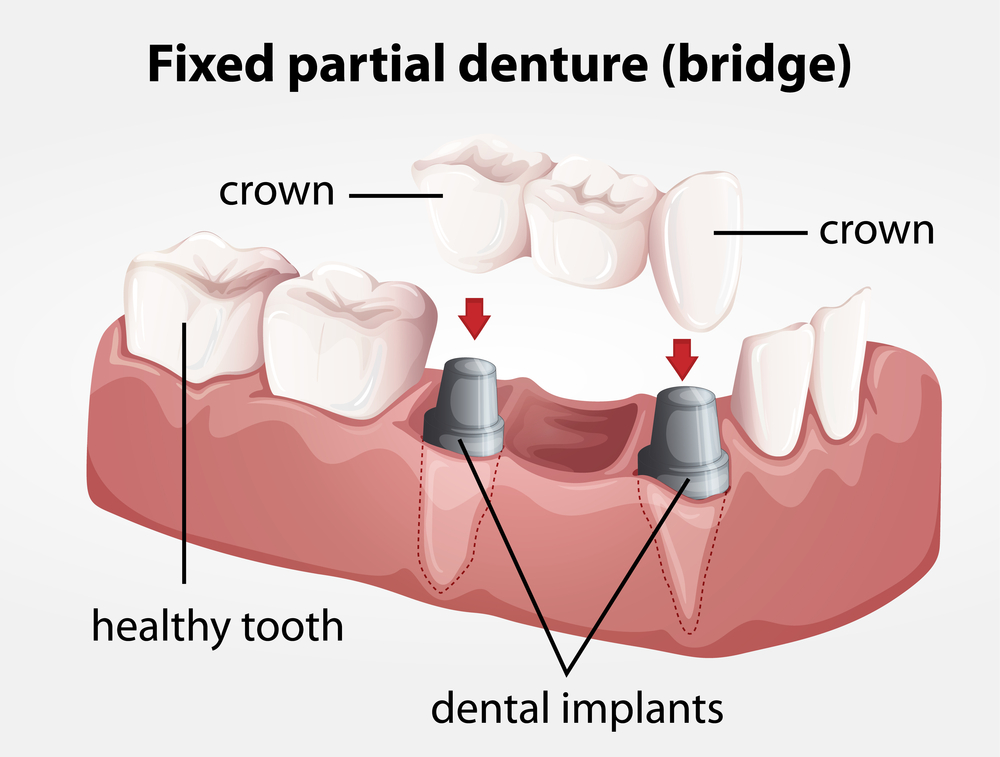
A dental crown, sometimes called a “cap,” is a custom-made covering that fits over a damaged, decayed, or otherwise compromised tooth. The purpose of a dental crown is to restore the tooth’s shape, size, strength, and appearance. Crowns are essential for protecting weakened teeth and ensuring proper dental function.
Reasons for Needing a Dental Crown
Several situations might necessitate a dental crown:
- Severe Tooth Decay: When a cavity is too large to be filled, a crown provides the necessary structural support.
- Cracked or Fractured Tooth: Crowns hold the tooth together, preventing further damage.
- Root Canal Treatment: After a root canal, a crown protects the treated tooth, which can become brittle.
- Cosmetic Reasons: Crowns can cover discoloured or misshapen teeth, improving the smile’s aesthetics. If this is the case, consider cosmetic dentistry in Albania.
- Worn Down Teeth: Grinding or clenching can wear teeth down over time, and crowns restore their height and function.
Crowns can be made from various materials, including ceramic, porcelain, metal alloys, and composite resin. The choice of material depends on factors such as aesthetics, durability, and the location of the tooth in the mouth. For instance, all on 4 dental implants in Albania may involve crowns as part of the restoration.
What to Expect During the Tooth Crown Procedure
The process of getting a dental crown typically involves two appointments. Here’s a breakdown of the steps involved in the dental crown procedure:
First Appointment: Preparation and Impression
- Examination and Preparation: The dentist examines the tooth and takes X-rays to assess the root and surrounding bone. If there is extensive decay or risk of infection, a root canal might be needed first.
- Local Anaesthesia: A local anaesthetic is administered to numb the tooth and surrounding gums. This ensures a pain-free experience during the preparation phase.
- Tooth Reshaping: The tooth is carefully filed down to create space for the crown. The amount of tooth removed depends on the type of crown being used.
- Impression: An impression of the prepared tooth is taken using a mould or digital scanner. This impression is sent to a dental laboratory, which will fabricate the custom crown.
- Temporary Crown: A temporary crown is placed on the prepared tooth to protect it while the permanent crown is being made.
Second Appointment: Fitting the Permanent Crown
- Removal of Temporary Crown: The temporary crown is removed.
- Fitting and Adjustment: The permanent crown is placed on the tooth, and the dentist checks the fit, shape, and colour. Adjustments are made as needed to ensure a perfect fit and comfortable bite.
- Cementation: Once the fit is satisfactory, the permanent crown is cemented onto the tooth using a special dental adhesive.
Sensations During the Appointment
Thanks to the local numbing agents used during the procedure, patients generally feel little to no pain. Some pressure or vibration might be felt during the tooth reshaping, but it should not be painful. After the anaesthesia wears off, some sensitivity is normal, but it is usually mild and manageable with over-the-counter pain relievers.
Is Getting a Tooth Crown Painful?
The biggest question many patients have is: does a crown hurt? During the procedure itself, getting a tooth crown is generally not painful, thanks to local anaesthesia. However, some discomfort may be experienced after the procedure, varying from person to person.
Discomfort During the Procedure
Before the procedure begins, the dentist will administer a local anaesthetic to numb the area around the tooth. This numbing agent effectively blocks pain signals, ensuring that you feel little to nothing while the tooth is being prepared and the crown is fitted. You might feel some pressure or vibration, but it shouldn’t be sharp or intense. Communication is key; if you experience any discomfort, let your dentist know immediately so they can adjust the anaesthesia.
Temporary vs Permanent Crowns
Many patients find that temporary crowns can cause more sensitivity than permanent ones. Temporary crowns are typically made of less durable materials and may not fit as precisely as permanent crowns. This can lead to increased sensitivity to temperature and pressure. Once the permanent crown is fitted and properly cemented, the tooth is usually more comfortable. If you opt for dental tourism to Albania , you should be aware that it is important to have regular check-ups with your local dentist once you return home to make sure your crown lasts and no issues arise.
At Albania Dental Implants, we prioritise patient comfort. Our skilled dental professionals ensure that the procedure is as pain-free as possible, using the latest techniques and high-quality materials. In certain cases, and when necessary we also offer oral surgery in Albania.
Pain After a Tooth Crown – What Is Normal?
Experiencing some discomfort after getting a tooth crown is common, but understanding what’s normal can help alleviate concerns. Here’s what to expect regarding pain after a dental crown procedure:
Common Causes of Discomfort
- Sensitivity to Temperature: It’s normal to experience sensitivity to hot and cold temperatures in the days and weeks following the procedure. This sensitivity should gradually decrease as the tooth adjusts to the new crown.
- Pressure Sensitivity: You might feel some soreness or discomfort when biting down, especially if the crown is slightly too high. Your dentist can easily adjust the crown to alleviate this pressure.
- Initial Soreness: Some general soreness in the gums around the crowned tooth is typical. This can be managed with over-the-counter pain relievers like ibuprofen or paracetamol.
Timeline for Discomfort
Typically, any discomfort after a crown placement should subside within one to two weeks. Sensitivity to temperature might linger a bit longer, but it should gradually improve. If pain persists or worsens after this period, it’s essential to contact your dentist.
Is it normal for a crowned tooth to hurt when biting?
Yes, it is fairly normal for a crowned tooth to hurt slightly when biting, immediately following the procedure. After the cementation of your new permanent crown, it’s common to experience some sensitivity or discomfort when biting down. This discomfort usually stems from the crown being slightly higher than your natural teeth, causing undue pressure on the crowned tooth. Typically, any discomfort should subside within one to two weeks. Sensitivity to temperature might linger a bit longer, but it should gradually improve. If pain persists or worsens after this period, it’s essential to contact your dentist. You may need a bite adjustment.
When Is Tooth Crown Pain a Problem?
While some post-crown discomfort is normal, certain symptoms indicate a potential problem that requires professional attention. Recognising these warning signs can help prevent complications.
Warning Signs to Watch For
- Severe or Persistent Pain: If you experience intense pain that doesn’t subside with over-the-counter medication or lasts longer than two weeks, it could indicate an infection or nerve damage.
- Swelling: Swelling around the crowned tooth or in the surrounding gums is a sign of infection and should be addressed immediately.
- Infection: Signs of infection include redness, swelling, pus, and a foul taste in the mouth.
- Chipped or Loose Crown: A damaged or unstable crown can cause pain and increase the risk of decay or infection.
- Gum Recession: If the gums around the crown start to recede, it can expose the margin of the crown and lead to sensitivity and potential decay.
When to Seek Follow-Up
If you experience any of these warning signs, it’s crucial to schedule a follow-up appointment with your dentist as soon as possible. Early intervention can prevent more serious issues and ensure the long-term success of your crown. In cases where severe dental issues arise, full mouth reconstruction in Albania is available. Albania Dental Implants provides comprehensive dental care, and our team is equipped to handle any complications that may arise following a tooth crown procedure.
Tips to Minimise or Manage Tooth Crown Pain
Managing discomfort after a tooth crown procedure involves several self-care strategies and knowing when to seek professional help. Here are some tips to minimise tooth crown pain:
Self-Care Advice
- Painkillers: Over-the-counter pain relievers like ibuprofen or paracetamol can effectively manage mild to moderate pain. Follow the recommended dosage instructions.
- Saltwater Rinse: Rinsing your mouth with warm saltwater (half a teaspoon of salt in a cup of warm water) can help reduce inflammation and promote healing.
- Soft Food Diet: Stick to soft foods that require minimal chewing to avoid putting pressure on the crowned tooth.
- Avoid Triggers: Avoid hot, cold, or sugary foods and drinks that can trigger sensitivity.
- Good Oral Hygiene: Gently brush and floss around the crowned tooth to prevent plaque buildup and maintain gum health.
When Professional Help Is Needed
If self-care measures don’t provide relief or if you experience any of the warning signs mentioned earlier (severe pain, swelling, infection), it’s essential to seek professional dental care. Your dentist can assess the situation, identify the underlying cause of the pain, and recommend appropriate treatment.
What should I do if my crown is still painful after a week?
If your crown is still painful after a week, it’s time to consult your dentist. While some sensitivity is normal, persistent pain can indicate underlying issues such as a high bite, nerve irritation, or infection. Your dentist can assess the crown’s fit, take X-rays to rule out infection, and make necessary adjustments to alleviate your discomfort. Ignoring prolonged pain can lead to further complications, so a professional evaluation is essential for effective management.
Comparing Tooth Crown Pain to Other Dental Procedures
Understanding how tooth crown pain compares to other common dental procedures can help alleviate anxiety and set realistic expectations.
Crown vs Filling Pain
Generally, getting a filling is less invasive than getting a crown, and the associated discomfort is usually milder and shorter-lived. Fillings typically involve treating smaller areas of decay, while crowns require reshaping the entire tooth. Both procedures involve local anaesthesia, but the post-operative sensitivity tends to be more pronounced with crowns.
Root Canal vs Crown Pain
A root canal is often performed when the nerve of the tooth is infected, so the initial pain can be quite severe. However, the root canal treatment itself aims to relieve this pain. After a root canal, a crown is typically placed to protect the tooth, and any discomfort associated with the crown is usually less intense than the pre-root canal pain. However, sometimes getting a bone grafting in Albania can help prevent the root canal issues.
Least Painful Dental Treatments
Procedures like routine cleanings and check-ups are generally the least painful dental treatments. These preventive measures involve minimal intervention and are typically painless. More extensive procedures, like extractions or implant placements, tend to involve more discomfort, but they are also performed with anaesthesia and appropriate pain management.
Frequently Asked Questions About Tooth Crown Pain
Here are some frequently asked questions about tooth crown pain, with detailed answers to help address common concerns:
Is a tooth crown painful during the procedure?
No, a tooth crown procedure should not be painful. Local anaesthesia is administered to numb the tooth and surrounding tissues, preventing any pain during the preparation and fitting process. Some patients may feel pressure or vibration, but it should not be painful. Be sure to let your dentist know if you do feel pain so that they may provide more numbing medicine. Albania Dental Implants in Albania can be an affordable way to go if this is a procedure you want to do, that saves you costs.
How long does pain last after a crown?
Most people experience mild discomfort, such as sensitivity to temperature or pressure, for about one to two weeks after getting a crown. This discomfort is usually manageable with over-the-counter pain relievers. If pain persists or worsens, consult your dentist.
Why does my tooth hurt months after getting a crown?
Tooth pain months after getting a crown can be due to several reasons, including:
- Nerve Damage: Trauma during the procedure can sometimes irritate or damage the nerve, causing ongoing pain.
- Decay: New decay can form around the edges of the crown if oral hygiene is poor.
- Cracked Tooth or Crown: Small cracks can develop over time, leading to pain and sensitivity.
- Bite Problems: Changes in your bite can cause excessive pressure on the crowned tooth, leading to discomfort.
Consult your dentist to diagnose the exact cause and receive appropriate treatment. With modern technology, you can also opt for invisalign aligners in Albania to help with the bite.
Do different types of crowns (ceramic, metal, porcelain) cause different pain?
The material of the crown itself does not directly cause different levels of pain. However, some materials may be more prone to chipping or fracture, which could indirectly lead to pain or sensitivity. The fit and placement of the crown are more significant factors in determining post-operative comfort. In order to restore the tooth, you may require emax veneers in Albania.
Can crowns be done pain-free?
Yes, crowns can be done pain-free. With the use of local anaesthesia during the procedure and proper pain management techniques afterward, most patients experience minimal to no pain during the process. At Albania Dental Implants, our experienced team ensures your comfort throughout the procedure.
Should I worry if I feel sharp pain beneath my crown?
Yes, sharp pain beneath your crown should be a cause for concern. It could indicate a cracked tooth, nerve irritation, decay, or infection. Schedule an appointment with your dentist as soon as possible for an evaluation and treatment.
What helps with sensitivity after a crown?
Several strategies can help with sensitivity after a crown:
- Desensitising Toothpaste: Use toothpaste specifically designed for sensitive teeth.
- Soft-Bristled Toothbrush: Gently brush your teeth with a soft-bristled toothbrush to avoid irritating the gums.
- Avoid Trigger Foods: Steer clear of hot, cold, sugary, or acidic foods and drinks.
- Over-the-Counter Pain Relievers: Ibuprofen or paracetamol can help manage pain and inflammation.
- Warm Saltwater Rinses: Rinse your mouth with warm saltwater to soothe irritated gums.
Is a tooth crown painful during the procedure?
No, a tooth crown procedure is not painful during the procedure, because you’re numbed with anaesthetic.
How long does pain last after a crown?
In general, you can expect any crown pain to last only a few weeks. Consult your dentist for further assistance if your crown pain continues.
Final Thoughts: Is a Tooth Crown Painful?
In summary, while the thought of getting a tooth crown might seem daunting, the procedure itself is generally not painful, thanks to local anaesthesia. Some discomfort after the procedure is normal and usually manageable with self-care measures. However, it’s essential to be aware of potential complications and seek professional help if you experience severe or persistent pain.
At Albania Dental Implants, we are committed to providing high-quality dental care in a comfortable and safe environment. If you have any concerns about tooth crown pain or are considering dental tourism, contact Albania dental implants reviews today to schedule a consultation. Our skilled team is here to help you achieve a healthy and confident smile. We also provide various other services such as dental veneers in Albania that is the perfect place to visit for all things dental!