



Is it hard to eat with full dental implants? This is a common concern for individuals considering this life-changing tooth replacement option. While there may be an initial adjustment period, full dental implants are designed to function much like natural teeth, allowing you to enjoy a wide variety of foods. This article explores the eating experience with dental implants, addressing potential challenges, adaptation timelines, and long-term satisfaction.
What is it Like to Eat with Full Mouth Dental Implants?
The full mouth dental implants eating experience can be significantly different from both natural teeth (if damaged or decayed) and dentures. After surgery, there will be a period of healing and adjustment. However, once healed, dental implants offer a stable and secure base for biting and chewing, closely mimicking the function of natural teeth.
Sensations After Surgery and Once Healed
Immediately following your dental implant surgery, you’ll likely experience some soreness and sensitivity. During this initial healing phase, a soft-food diet is essential. As the implants integrate with your jawbone (a process called osseointegration), the sensitivity will gradually subside. Once fully healed, you should experience minimal to no discomfort when eating.
Comparison with Natural Teeth and Dentures
Compared to natural teeth, properly placed and maintained dental implants offer similar chewing force and sensation. Unlike dentures, which can be unstable and limit food choices, dental implants are anchored securely in the jawbone. This eliminates slippage and allows you to confidently enjoy a wider range of foods. For those seeking a permanent solution to tooth loss, dental implants offer superior stability and functionality compared to removable dentures.
How Does Chewing Ability Change with Dental Implants?
Dental implant chewing ability undergoes a transformation from immediate limitations to long-term functionality. Understanding this progression is important for setting realistic expectations. The type of implant procedure performed may also affect the rate of recovery in chewing ability. For example, immediate loading dental implants in Albania can often reduce the time before chewing ability is increased.
Immediate Limitations vs. Long-Term Function
In the days and weeks following implant placement, your chewing ability will be limited. A soft-food diet is necessary to protect the healing tissues and allow the implants to integrate properly. As healing progresses, you can gradually introduce more solid foods. After full osseointegration, which typically takes several months, your chewing ability should be significantly improved, often rivaling that of natural teeth. It is also important to follow the implant aftercare and diet to not put excess pressure on the implant area.
Hard, Sticky, and Crunchy Foods
Once fully healed, dental implants are strong enough to handle most foods, including hard, sticky, and crunchy items. However, it’s still wise to exercise some caution. Extremely hard foods, such as very hard candy or ice, could potentially damage the implant or the restoration (crown, bridge, or denture) attached to it. Similarly, excessively sticky foods may pose a challenge to clean thoroughly, increasing the risk of peri-implantitis (inflammation around the implant). While you can enjoy crunchy foods, be mindful of biting forces and distribute chewing evenly.
What Foods Should You Avoid After Getting Dental Implants?
Knowing what foods to avoid after getting dental implants is crucial for ensuring proper healing and preventing complications. The immediate post-operative diet focuses on soft, easy-to-chew foods, while the long-term diet should prioritize nutrient-rich options that support oral health. It may also be necessary to seek oral surgery in Albania if complications develop after the procedure.
Post-Surgery Diet (Soft Foods, Temperature, etc.)
Immediately following dental implant surgery, stick to a diet of soft foods that require minimal chewing. Some excellent choices include:
- Smoothies and protein shakes
- Yogurt and pudding
- Mashed potatoes
- Soup (lukewarm or cold)
- Applesauce
Avoid hot foods and beverages, as they can increase swelling and discomfort. Opt for lukewarm or cold options instead. It’s also important to avoid using straws, as the sucking motion can dislodge blood clots and impede healing.
When Can You Return to a Normal Diet?
The timeline for returning to a normal diet varies depending on individual healing and the type of implant procedure performed. Generally, you can gradually reintroduce more solid foods after a few weeks, as tolerated. Your dentist will provide specific guidelines based on your progress. Always listen to your body and avoid foods that cause pain or discomfort. Consulting with a general dentistry in Albania clinic may also assist in a speedy recovery.
Is Eating Easier or Harder with All-on-4 and Similar Implants?
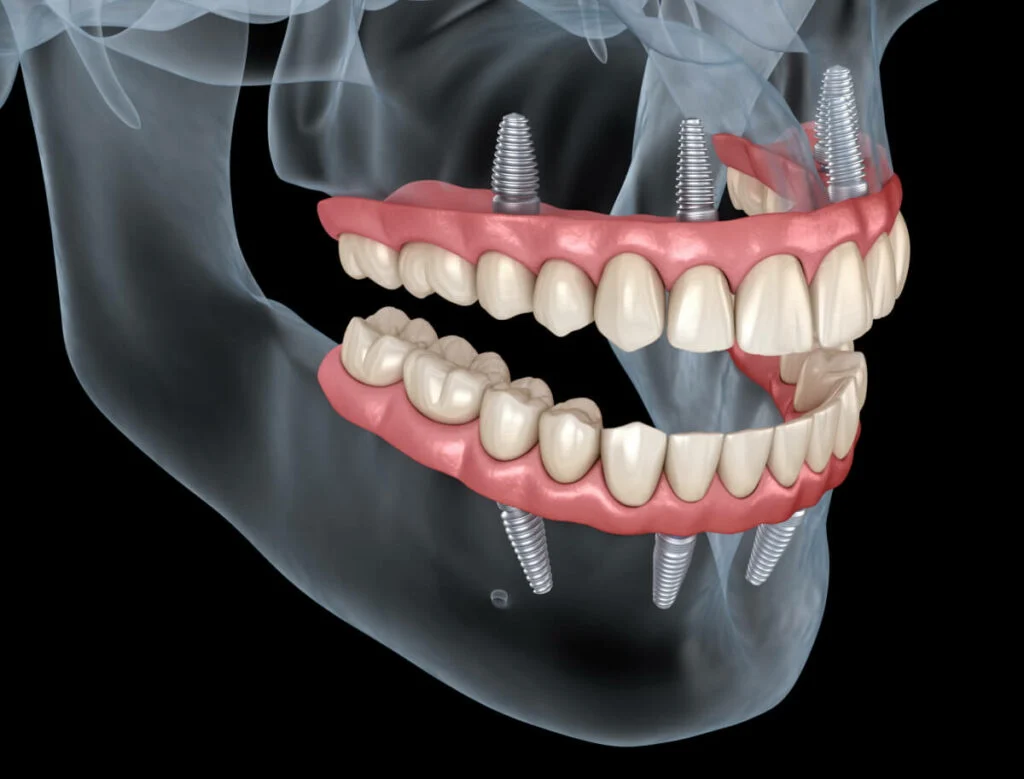
When considering full arch restoration, many people wonder if eating is easier or harder with All-on-4 and similar implants. All-on-4 implants offer a significant improvement in eating ability compared to traditional dentures due to their stability and secure fixation in the jawbone. With all on 4 dental implants in Albania the fixed bridge will allow for a more natural feeling chewing ability.
Stability and Strength of Fixed Bridges Compared to Removable Dentures
All-on-4 implants utilize four strategically placed implants to support a full arch of teeth, providing exceptional stability. This eliminates the slippage and movement often associated with removable dentures, allowing you to bite and chew with confidence. The fixed bridge is custom-designed to fit securely and comfortably, distributing biting forces evenly across the implants. In comparison, removable dentures rest on the gums and can be less stable, limiting food choices and requiring frequent adjustments.
Adjustment Period
While All-on-4 implants offer immediate improvement in stability, there is still an adjustment period. You may need to start with soft foods and gradually progress to more solid foods as your mouth adapts. Your dentist can provide guidance on proper chewing techniques and food choices to ensure optimal comfort and function. Patients who undergo All-on-4 report high satisfaction with their ability to eat a wide variety of foods after the adjustment period.
How Long Does it Take to Adjust to Eating with Dental Implants?
Adjusting to new dental implants and regaining comfortable eating habits takes time and patience. Understanding the typical adaptation timeline and implementing helpful tips can make the process smoother. Maintaining regular contact with a dental clinic in Albania can provide advice and best practices for recovery.
Typical Adaptation Timeline
The initial adaptation period typically lasts a few weeks to a few months. During this time, you may experience some sensitivity, altered taste, or difficulty chewing certain foods. As your mouth heals and you become more accustomed to the implants, these issues will gradually diminish. Complete osseointegration and full adaptation can take up to six months or longer.
Tips for Easier Adaptation
To ease the adaptation process, consider these tips:
- Start with a soft-food diet and gradually introduce more solid foods.
- Cut food into small pieces and chew slowly and carefully.
- Distribute chewing evenly on both sides of your mouth.
- Avoid excessively hard, sticky, or chewy foods initially.
- Practice good oral hygiene to prevent inflammation and infection.
- Follow your dentist’s instructions and attend follow-up appointments.
Common Problems or Complaints When Eating with Implants
While dental implants are generally successful, some individuals may experience common eating problems with implants. Understanding these potential issues and seeking prompt treatment can help ensure long-term implant success. It is also important to compare dental veneers in Albania and other methods of improving oral health for long-term comfort.
Pain, Sensitivity, Fear of Damaging Implants
Some common complaints include:
- Pain or discomfort when chewing: This could indicate inflammation, infection, or improper implant placement.
- Sensitivity to hot or cold: This may be due to exposed implant surfaces or nerve irritation.
- Fear of damaging the implants: This anxiety can lead to restricted food choices and difficulty eating.
If you experience any of these problems, contact your dentist promptly for evaluation and treatment. Early intervention can prevent more serious complications.
Best Practices for Eating and Oral Care After Dental Implant Surgery
Following best practices for eating and oral care after dental implant surgery is paramount for ensuring successful osseointegration, preventing complications, and maintaining long-term implant health. These habits can improve long term satisfaction with dental implants.
Diet Recommendations
Adhere to the dietary guidelines provided by your dentist. Focus on soft, nutrient-rich foods that support healing. Avoid foods that are hard, sticky, chewy, or acidic, as they can irritate the surgical site or damage the implants. Once fully healed, maintain a balanced diet that promotes overall oral health.
Hygiene Tips for Protecting Implants
Implement a meticulous oral hygiene routine to protect your implants. This includes:
- Brushing your teeth gently twice daily with a soft-bristled toothbrush.
- Flossing daily using implant-specific floss or interdental brushes.
- Using an antibacterial mouthwash to reduce plaque and bacteria.
- Attending regular dental checkups and cleanings.
Proper hygiene is essential for preventing peri-implantitis, a common cause of implant failure.
What is the Long-Term Satisfaction with Eating and Full Dental Implants?
Overall long-term satisfaction with dental implants is high, with many patients reporting a significant improvement in their quality of life. This satisfaction stems from the restored ability to eat comfortably, speak clearly, and smile confidently. Patients can also make use of services offered by dental tourism in Albania for continuous support.
Research on Quality of Life
Studies have consistently shown that dental implants improve oral health-related quality of life. Patients with implants report increased satisfaction with their ability to eat, reduced social anxiety related to their teeth, and improved self-esteem. These benefits contribute to an overall sense of well-being.
Comparison to Other Tooth Replacement Options
Compared to dentures or bridges, dental implants offer superior long-term satisfaction. Implants are more stable, comfortable, and durable than dentures, and they don’t require altering adjacent teeth like bridges. This makes them a preferred choice for many individuals seeking a permanent and reliable solution to tooth loss.
FAQs About Eating with Full Dental Implants
Here are detailed answers to frequently asked questions about eating with full dental implants:
Is it hard to eat with full dental implants after surgery?
Yes, it is hard to eat with full dental implants immediately after surgery. During the initial healing phase, you will need to follow a soft-food diet to allow the surgical site to heal properly. Avoid hard, chewy, or crunchy foods that could irritate the tissues or damage the implants.
Can you eat steak, apples, or crunchy foods with implants?
Once fully healed, you can typically eat steak, apples, and crunchy foods with implants. However, it’s important to exercise some caution. Cut steak and apples into smaller pieces, and chew carefully. Avoid biting directly into very hard foods like whole apples or corn on the cob, as this could potentially damage the implant or restoration. You can also consider implant overdentures in Albania to create a more permanent and stable base for regular chewing.
How long before I can eat normally after getting full implants?
The timeline varies, but most people can start gradually reintroducing more solid foods a few weeks after implant placement. Full osseointegration and adaptation typically take several months. Your dentist will provide personalized guidance on when you can return to a normal diet.
Are there foods you should never eat with dental implants?
While you can enjoy most foods with implants, some items are best avoided or consumed in moderation. These include:
- Very hard candies or ice (can damage the restoration)
- Excessively sticky foods (can be difficult to clean)
- Chewy foods (can put excessive stress on the implants)
- Acidic foods and beverages (can erode tooth enamel around the implants)
Will dental implants feel like natural teeth when eating?
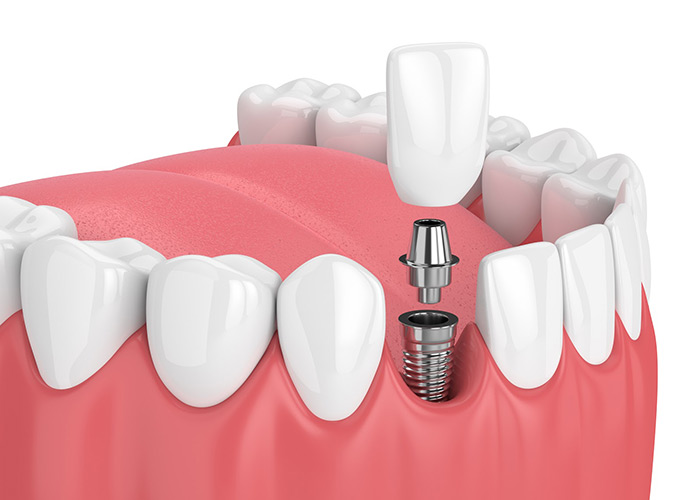
Dental implants are designed to closely mimic the function and sensation of natural teeth. Once fully integrated, they should feel very similar to your own teeth when eating. However, some people may experience a slight difference in sensation initially, especially when biting into hard foods. Single tooth implants in Albania offer the most natural feel for eating.
What should I do if I experience pain or discomfort while eating?
If you experience pain or discomfort while eating with dental implants, contact your dentist immediately. This could indicate a problem with the implant, such as inflammation, infection, or improper fit. Early intervention can prevent more serious complications.
How do I care for my implants to prevent eating problems?
Proper oral hygiene is essential for preventing eating problems and maintaining long-term implant health. Brush your teeth gently twice daily, floss daily using implant-specific floss, and use an antibacterial mouthwash. Attend regular dental checkups and cleanings to remove plaque and bacteria.
Do All-on-4 or other fixed bridges make eating significantly easier?
Yes, All-on-4 and other fixed bridges typically make eating significantly easier compared to removable dentures. These implant-supported restorations provide greater stability and chewing force, allowing you to enjoy a wider range of foods with confidence.
How satisfied are people with their eating ability years after full implant treatment?
Studies have shown high levels of satisfaction with eating ability years after full implant treatment. Patients report increased enjoyment of food, improved self-esteem, and a better overall quality of life.
Conclusion
While there may be a period of adjustment, eating with full dental implants is generally a comfortable and satisfying experience. By following proper post-operative care, maintaining good oral hygiene, and working closely with your dentist, you can enjoy a wide variety of foods and a confident smile for years to come. If you’re considering full dental implants, Albania Dental Implants offers comprehensive services to help you achieve a healthy and functional smile. Contact us today to schedule a consultation and learn more about our Albania Dental Implants Services! The cost of dental implants in Albania is highly competitive and affordable.





