



Is there a downside to dental implants? While often touted as the gold standard for tooth replacement, it’s essential to consider potential drawbacks before deciding if they’re right for you. This comprehensive guide will explore the common downsides and risks, long-term considerations, costs, and alternative options, helping you make an informed decision for your oral health. At Albania Dental Implants, we’re committed to providing transparent information so you can choose the best solution for your individual needs. Considering dental tourism in Albania could be a great option to explore high-quality and affordable dental care.
What Are Dental Implants and How Do They Work?
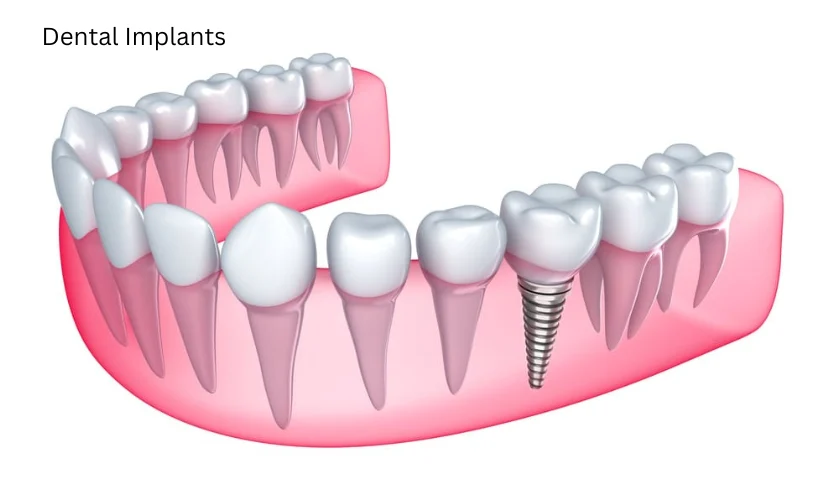
Understanding the dental implant procedure is crucial before considering this treatment. Dental implants are artificial tooth roots, typically made of titanium, surgically implanted into the jawbone. They fuse with the bone through a process called osseointegration, providing a stable foundation for a replacement tooth or a set of teeth. The success rate of dental implants is generally high, but it’s essential to be aware of the process and potential alternative tooth replacement options.
The Dental Implant Procedure Explained
The dental implant procedure typically involves several stages:
- Initial Consultation and Evaluation: A thorough examination, including X-rays or CT scans, to assess bone density and overall oral health.
- Implant Placement: Surgical placement of the titanium implant into the jawbone. This may involve bone grafting if bone density is insufficient.
- Osseointegration: A healing period of several months, allowing the implant to fuse with the bone.
- Abutment Placement: Attachment of an abutment, which connects the implant to the replacement tooth.
- Crown Placement: Placement of a custom-made crown that matches the color and shape of your natural teeth.
This multi-step process ensures a strong and long-lasting restoration. The process may vary if you are considering immediate loading dental implants in Albania, which can shorten the overall treatment time.
What are the Alternatives to Dental Implants?
While dental implants are a popular solution, several alternatives exist:
- Dental Bridges: A fixed prosthetic that fills the gap created by a missing tooth, using adjacent teeth for support.
- Dentures: Removable appliances that replace missing teeth, either partial (replacing some teeth) or complete (replacing all teeth).
- Implant-Supported Dentures: Dentures that are anchored to dental implants for improved stability and retention.
- Cosmetic Bonding: A procedure where composite resin is applied to the teeth to improve their appearance.
The best alternative depends on individual needs, budget, and oral health. If you are looking for a cheaper alternative to dental implants in the UK, options like dentures or bridges might be worth considering. If you are looking for alternatives, it is important to ask yourself, Is a dental bridge better than an implant?
Common Downsides and Risks of Dental Implants
While dental implants offer numerous benefits, it’s crucial to understand the potential dental implant risks and dental implant complications. These can include surgical risks, implant failure, and long-term issues such as bone loss and infection after implant.
Surgical Risks: Infection, Bleeding, Nerve Damage
Like any surgical procedure, dental implant placement carries certain risks:
- Infection: Bacterial infection at the implant site, potentially leading to implant failure.
- Excessive Bleeding: Bleeding during or after surgery, requiring additional intervention.
- Nerve Damage: Damage to nearby nerves, causing pain, numbness, or tingling in the gums, lips, or chin.
- Sinus Problems: If implants are placed in the upper jaw, there’s a risk of sinus perforation or inflammation, sometimes requiring a sinus lift in Albania.
Choosing an experienced and qualified oral surgeon or implantologist can minimize these risks. At Albania Dental Implants, our team is highly skilled and dedicated to ensuring patient safety and comfort. According to the NHS, “Dental implants – Risks and complications,” awareness is the first step to mitigate these risks.
Dental Implant Failure: Causes and Prevention
Dental implant failure is a significant concern for many patients. How often do dental implants fail, and why? While the success rate is high, failures can occur due to various factors:
- Infection (Peri-implantitis): Inflammation and bone loss around the implant, often caused by poor oral hygiene.
- Insufficient Bone Density: Lack of adequate bone to support the implant, potentially requiring bone grafting.
- Medical Conditions: Certain medical conditions, such as diabetes and autoimmune diseases, can increase the risk of failure. It is important to know, Who is not suitable for implants?
- Smoking: Smoking impairs healing and increases the risk of infection and implant failure.
- Poorly Placed Implant: Incorrect placement of the implant can lead to instability and failure.
Prevention strategies include maintaining excellent oral hygiene, managing underlying medical conditions, quitting smoking, and choosing an experienced dental professional. If you are looking for the most skilled team, you can contact Albania Dental Implants to discuss your options.
Bone Loss and Implant Longevity Issues
Bone loss is a potential long-term complication that can affect dental implant longevity. Bone loss with dental implants can occur due to:
- Peri-implantitis: As mentioned earlier, infection can lead to bone loss around the implant.
- Occlusal Overload: Excessive pressure on the implant from biting or grinding, leading to bone resorption.
- Systemic Factors: Conditions like osteoporosis can affect bone density and increase the risk of bone loss.
Regular dental check-ups and proper implant maintenance are crucial for preventing bone loss and ensuring the long-term success of your dental implants.
Long-Term Considerations for Dental Implants
Understanding the long-term effects of dental implants is essential for making an informed decision. This includes considering the necessary dental implant maintenance and the potential for bone loss with dental implants over time.
Maintenance and Upkeep
What maintenance is required for dental implants? Proper maintenance is crucial for ensuring the longevity of dental implants. This includes:
- Regular Brushing and Flossing: Meticulous oral hygiene to prevent plaque and bacteria buildup around the implant.
- Professional Cleanings: Regular dental check-ups and cleanings to remove plaque and tartar, and to monitor the health of the implant and surrounding tissues.
- Specialized Cleaning Tools: Use of interdental brushes or floss threaders to clean hard-to-reach areas around the implant.
- Avoiding Harmful Habits: Avoiding smoking and excessive alcohol consumption, which can compromise the health of the implant.
Failure to maintain good oral hygiene can lead to peri-implantitis and implant failure. For All-on-4 implants, you must know How do you clean under all 4 implants?
Potential for Gum Disease and Peri-implantitis
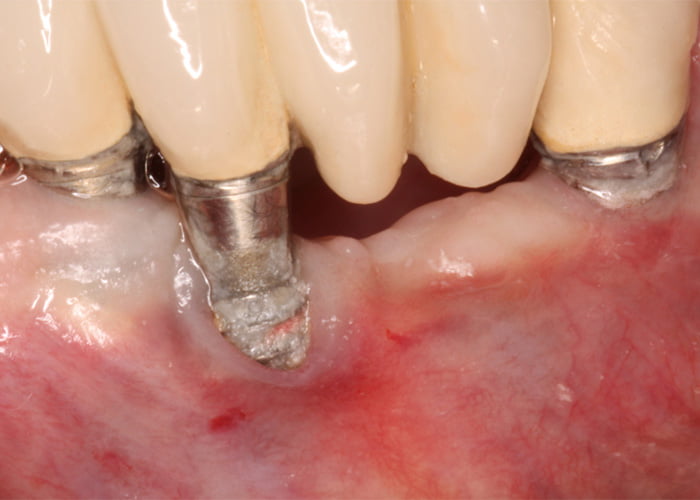
Can dental implants cause bone loss or gum disease? While dental implants themselves cannot decay, the surrounding gum tissue is susceptible to gum disease, specifically peri-implantitis. Peri-implantitis is an inflammatory condition that affects the soft and hard tissues around the implant, potentially leading to bone loss and implant failure.
Symptoms of peri-implantitis include:
- Redness and swelling of the gums around the implant
- Bleeding when brushing or flossing
- Pus or discharge from the gums
- Loose implant
Early detection and treatment of peri-implantitis are essential for preventing further damage and preserving the implant. Regular dental check-ups and meticulous oral hygiene are key to preventing this condition.
Cost and Accessibility of Dental Implants
The cost of dental implants is a significant factor for many patients. Understanding the cost of dental implants and insurance coverage for dental implants, as well as exploring alternatives to dental implants, is crucial for making an informed decision. If you are looking for Cheapest Implants UK, it is important to note that location greatly influences the costs.
How Do Costs Compare to Other Dental Restoration Methods?
How do costs compare to other dental restoration methods? Dental implants typically have a higher upfront cost compared to alternatives like dentures and bridges. However, when considering their long-term durability and benefits, they can be a more cost-effective solution in the long run. Here’s a general cost comparison:
- Dental Implants: £2,000 – £4,000 per implant (including abutment and crown)
- Dental Bridges: £700 – £1,500 per bridge
- Dentures: £600 – £2,000 per set
These costs are estimates and can vary depending on location, the complexity of the case, and the materials used. You may also want to consider How much do All-on-4 dental implants cost in the UK?
Are Dental Implants Painful to Receive or Maintain?
How painful are dental implants to receive or maintain? The dental implant procedure is typically performed under local anesthesia, so patients usually experience minimal discomfort during the surgery. Some soreness and swelling are normal after the procedure, but this can be managed with pain medication. With proper maintenance, dental implants should not cause any pain or discomfort in the long term. Many patients also ask, What is the most painful part of a dental implant?
Exploring Dental Tourism in Albania for Affordable Dental Implants
For those seeking more affordable options, consider dental tourism in Albania. Albania Dental Implants offers high-quality dental care at significantly lower prices than in the UK or other Western European countries. The cost of dental implants in Albania can be substantially less, making it an attractive option for those on a budget. Additionally, exploring options for how to afford dental implants in the UK may allow you to get the smile you deserve.
Disadvantages Compared to Other Tooth Replacement Options
Exploring alternative tooth replacement options is essential for making an informed decision. Understanding the advantages and disadvantages of each option, such as dental bridge vs. implant or dentures vs. implants, can help you choose the best solution for your needs.
Dental Bridge vs. Implant: Weighing the Pros and Cons
Both dental bridges and implants are effective tooth replacement options, but they have distinct advantages and disadvantages:
- Dental Bridges:
- Pros: Lower cost, non-surgical procedure, faster treatment time.
- Cons: Requires altering adjacent teeth, shorter lifespan compared to implants, potential for decay in supporting teeth.
- Dental Implants:
- Pros: Long-lasting, stable, doesn’t affect adjacent teeth, prevents bone loss.
- Cons: Higher cost, surgical procedure, longer treatment time.
The best option depends on individual needs and preferences. If you’re looking for a more budget-friendly option, you may be wondering, is there a cheaper alternative to dental implants?
Dentures vs. Implants: Stability and Comfort
Dentures and implants offer different levels of stability and comfort:
- Dentures:
- Pros: Lower cost, non-surgical procedure, can replace multiple teeth at once.
- Cons: Less stable, can slip or move, may affect speech and taste, requires regular adjustments.
- Dental Implants:
- Pros: Highly stable, feels and functions like natural teeth, improves speech and taste, prevents bone loss.
- Cons: Higher cost, surgical procedure, longer treatment time.
For those seeking a more stable and comfortable solution, implant-supported dentures or full mouth dental implants may be a better option. Some patients even ask, Can I get rid of all my teeth and get implants?
Managing Pain and Recovery After Dental Implants
Understanding what to expect in terms of dental implant pain and dental implant recovery is essential for preparing for the procedure. Most people want to know, How painful is a dental implant?
What Can Be Done to Minimize the Risks of Dental Implants?
Minimizing the risks of dental implants involves several key steps:
- Thorough Pre-Operative Evaluation: A comprehensive assessment of your oral and overall health to identify any potential risk factors.
- Experienced Dental Professional: Choosing a qualified and experienced oral surgeon or implantologist.
- Following Post-Operative Instructions: Adhering to all post-operative instructions provided by your dentist, including medication and dietary guidelines.
- Maintaining Excellent Oral Hygiene: Regular brushing, flossing, and professional cleanings to prevent infection.
- Avoiding Smoking: Quitting smoking to promote healing and reduce the risk of implant failure.
Taking these precautions can significantly reduce the risks associated with dental implants.
Is Dental Implant Failure Common, and How Is It Treated?
Dental implant failure is not common, but it can occur. If an implant fails, the treatment options depend on the cause of the failure:
- Infection (Peri-implantitis): Treatment may involve antibiotics, cleaning of the implant site, and in some cases, surgical removal of infected tissue.
- Insufficient Bone Density: Bone grafting may be necessary to rebuild bone and support a new implant.
- Implant Removal: In some cases, the failed implant may need to be removed, and a new implant placed after the area has healed.
Early intervention is crucial for addressing implant failure and preventing further complications. If you are concerned about dental implants turning black, it is important to contact your dentist.
Who Should Avoid Dental Implants?
Certain individuals may not be suitable candidates for dental implants. Who should not get dental implants? This includes:
- Individuals with uncontrolled medical conditions, such as diabetes or autoimmune diseases.
- Heavy smokers, as smoking impairs healing and increases the risk of implant failure.
- Individuals with insufficient bone density in the jaw, although bone grafting may be an option.
- Pregnant women, as the procedure may pose risks to the fetus.
- Individuals with active infections or untreated gum disease.
A thorough evaluation by a qualified dental professional can determine if dental implants are the right choice for you. If you are unsure, you can contact Albania Dental Implants for a consultation.
Conclusion
While dental implants offer a long-lasting and effective solution for tooth replacement, it’s essential to be aware of the potential downsides, including surgical risks, long-term maintenance, and costs. By understanding these factors and working closely with a qualified dental professional, you can make an informed decision about whether dental implants are the right choice for you. If you’re seeking affordable, high-quality dental implants, consider dental tourism in Albania with Albania Dental Implants. We are committed to providing exceptional care and helping you achieve a healthy, confident smile. Contact Albania Dental Implants today to schedule a consultation and learn more about our Albania Dental Implants Services!