



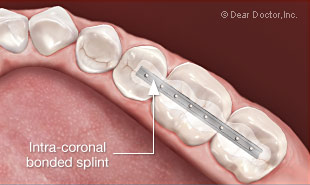

Is tooth splinting painful? This is a common concern for individuals facing dental trauma or mobility issues requiring stabilisation. Fortunately, while some temporary discomfort is normal, tooth splinting is generally not a significantly painful procedure and typically leads to a long-term, pain-free outcome.
At Albania Dental Implants, we understand your concerns about dental procedures. We aim to provide clear and reassuring information so you can make informed decisions about your oral health. If you’re considering tooth splinting to stabilise a loose tooth, or have experienced a dental trauma, we are here to address your anxieties and ensure the most comfortable and effective treatment possible.
What Is Tooth Splinting and Why Is It Performed?
To understand the potential for pain, it’s helpful to understand the tooth splint procedure itself. Tooth splinting is a dental technique used to stabilise teeth that have become loosened due to trauma, periodontal disease, or other factors. By joining the affected tooth (or teeth) to adjacent, stable teeth, the splint provides support, reduces movement, and promotes healing.
The Dental Splinting Process
- Assessment: A dentist will first assess the extent of the tooth mobility and identify the underlying cause.
- Preparation: The teeth to be splinted are cleaned and prepared.
- Splint Placement: A splinting material (such as composite resin, wire, or fibre-reinforced ribbon) is attached to the teeth.
- Securing the Splint: The material is bonded to the teeth, creating a stable connection.
Indications for Tooth Splinting: Trauma, Loose Teeth, Periodontal Issues
Several conditions may warrant tooth splinting:
- Dental Trauma Splinting: Following a blow to the mouth, teeth may become loosened or displaced. Splinting stabilises the teeth, allowing the supporting tissues to heal.
- Loose Teeth: Teeth affected by advanced periodontal (gum) disease may become excessively mobile. Splinting can improve comfort and function.
- Post-Orthodontic Stabilisation: After orthodontic treatment, splinting may be used to maintain the teeth in their new, corrected positions, especially in cases with compromised periodontal support. If you require orthodontics in albania please consider getting in touch so we can assist you.
Types of Splints: Temporary vs Permanent, Materials Used
Dental splints can be categorised based on duration and materials:
- Temporary Splints: Used for short-term stabilisation, often following trauma. They may be removed after a period of healing (e.g., a few weeks).
- Permanent Splints: Used for long-term stabilisation, particularly in cases of periodontal disease.
The materials used for dental splints include:
- Composite Resin: A tooth-coloured plastic material that is bonded directly to the teeth.
- Wire and Composite: A wire is adapted to the teeth and then secured with composite resin.
- Fibre-Reinforced Ribbon: A strong, flexible material that is bonded to the teeth with composite resin.
Is Tooth Splinting Painful? What to Expect During the Procedure
Many patients worry about dental splint discomfort during the procedure. The good news is that tooth splinting is generally well-tolerated, with minimal pain reported.
Typical Patient Experience During the Procedure
The typical patient experience involves these steps:
- Initial Assessment: Your dentist will examine your teeth and discuss the splinting process.
- Cleaning: The teeth will be thoroughly cleaned to ensure proper bonding of the splinting material.
- Etching: A mild acid solution may be applied to the teeth to create a slightly rough surface for better bonding.
- Bonding: The splinting material is applied and carefully shaped to conform to the teeth.
- Curing: A special light is used to harden the bonding material.
- Polishing: The splint is polished to ensure a smooth surface.
Pain Management Strategies: Local Anaesthesia, Technique
To minimise dental splint discomfort, local anaesthesia is often used, especially if the teeth are sensitive or the procedure involves manipulation of the gums. Your dentist may also employ techniques to reduce sensitivity, such as using desensitising agents.
Immediate Pain During Placement
Most patients experience minimal to no pain level during splint placement. You may feel some pressure or vibration as the dentist works, but this is generally not painful. If you have sensitive teeth, be sure to let your dentist know so they can adjust the procedure accordingly.
What is “Normal” for Pain Level? (Minimal, Brief, Significant?)
Generally, the pain level associated with tooth splinting is:
- Minimal: Most patients report only slight discomfort during the procedure.
- Brief: Any discomfort is usually short-lived and resolves quickly after the procedure is complete.
- Manageable: If any discomfort persists, it can usually be easily managed with over-the-counter pain relievers.
Aftercare: Pain and Recovery Following Dental Splinting
Pain after tooth splinting is usually mild and easily managed. Understanding what to expect during recovery after dental splinting can help you feel more comfortable and confident.
Expected After-Effects: Soreness, Mild Discomfort vs Unusual Pain
Following the procedure, you may experience:
- Soreness: Your teeth and gums may feel slightly sore for a few days.
- Mild Discomfort: You may experience some sensitivity to pressure or temperature changes.
Unusual or severe pain is not typical. If you experience significant pain, swelling, or other concerning symptoms, it is essential to contact albania dental implants immediately.
How Long Does Pain Last Post-Procedure?
The duration of post-procedure discomfort varies from person to person, but most patients find that it resolves within a few days to a week. Over-the-counter pain relievers can help manage any lingering discomfort.
Tips for Alleviating Discomfort
To alleviate discomfort after dental splinting, consider the following managing pain after dental splinting tips:
- Over-the-Counter Pain Relievers: Take ibuprofen or paracetamol as directed.
- Soft Diet: Stick to soft foods for the first few days to avoid putting excessive pressure on the splinted teeth.
- Cold Compress: Apply a cold compress to your face to reduce swelling and discomfort.
- Good Oral Hygiene: Gently brush and floss around the splinted teeth to prevent irritation and infection.
Signs of Complications: When to See Your Dentist
While complications are rare, it’s important to be aware of the following signs that may warrant a visit to your dentist:
- Severe Pain: Pain that is not relieved by over-the-counter medication.
- Swelling: Significant swelling of the gums or face.
- Infection: Signs of infection, such as redness, pus, or fever.
- Splint Loosening: If the splint becomes loose or detached.
- Bite Problems: If you experience changes in your bite or difficulty closing your mouth comfortably.
Risks, Side Effects, and Complications of Tooth Splinting
Like any dental procedure, tooth splinting carries some risks and potential tooth splinting side effects. However, these are generally minor and manageable.
Common and Rare Side Effects (Gum Irritation, Bite Changes, Infection Risk)
Possible side effects include:
- Gum Irritation: The splint may irritate the gums, especially if it is not properly fitted or if oral hygiene is poor.
- Bite Changes: The splint may slightly alter your bite, leading to discomfort or difficulty chewing.
- Infection Risk: Although rare, there is a small risk of infection around the splinted teeth.
- Tooth Sensitivity: Some patients may experience increased sensitivity to temperature changes.
How Frequent Is Lasting Pain?
Lasting pain following tooth splinting is uncommon. Most patients experience only temporary discomfort that resolves within a few days. Persistent pain may indicate a complication, such as infection or nerve irritation, and should be evaluated by a dentist. If you require oral surgery in albania please consider contacting us for a consultation.
Guidelines to Minimise Complications
To minimise the risk of complications:
- Maintain Excellent Oral Hygiene: Brush and floss carefully around the splinted teeth to prevent plaque buildup and gum irritation.
- Follow Dietary Recommendations: Avoid hard or sticky foods that could damage the splint.
- Attend Follow-Up Appointments: Regular check-ups allow your dentist to monitor the splint and address any issues promptly.
- Report Any Concerns: Contact your dentist immediately if you experience any unusual pain, swelling, or other symptoms.
Alternatives to Tooth Splinting
While tooth splinting is an effective treatment for certain dental conditions, there are alternatives to tooth splinting that may be considered depending on the specific situation.
Brief Overview of Other Treatment Options for Loose/Traumatised Teeth
Other treatment options for loose or traumatised teeth include:
- Observation: In some cases of minor trauma, the tooth may stabilise on its own without intervention.
- Root Canal Treatment: If the tooth has suffered nerve damage, root canal treatment may be necessary to save it.
- Periodontal Therapy: For loose teeth caused by gum disease, scaling and root planing (deep cleaning) may help to improve support.
- Extraction: In severe cases, extraction of the tooth may be the only option.
- Dental Implants: If a tooth is extracted, a dental implant can be used to replace it.
If you are considering dental implants in albania to replace missing teeth, we can guide you through this procedure.
Pros and Cons vs Tooth Splinting, Especially with Regard to Pain and Comfort
Each alternative has its own advantages and disadvantages compared to tooth splinting:
- Observation: Less invasive but may not be sufficient for significant mobility.
- Root Canal Treatment: Addresses nerve damage but does not stabilise the tooth. The procedure how painful is a dental implant depends on various factors such as patient tolerance.
- Periodontal Therapy: Improves gum health but may not fully resolve tooth mobility.
- Extraction: Eliminates the problem tooth but requires a replacement option (e.g., implant, bridge, or denture).
- Dental Implants: A long-term solution, that can greatly improve your smile with a hollywood smile in albania, but more invasive and expensive than splinting.
In terms of pain and comfort, splinting is generally less invasive and less painful than alternatives such as extraction or implant placement. However, the best treatment option depends on the individual’s specific needs and circumstances.
Frequently Asked Questions (FAQ)
Is tooth splinting painful during the procedure?
No, tooth splinting is generally not painful during the procedure. Local anaesthesia is often used to numb the area, ensuring that you feel minimal to no discomfort while the splint is being placed. You may feel some pressure or vibration, but this is typically well-tolerated.
How long does pain or discomfort last after tooth splinting?
After tooth splinting, you may experience some soreness or mild discomfort for a few days. This can usually be managed with over-the-counter pain relievers such as ibuprofen or paracetamol. The discomfort typically resolves within a week.
What can I do to relieve pain following tooth splinting?
To relieve pain following tooth splinting:
- Take over-the-counter pain relievers as directed by your dentist or pharmacist.
- Apply a cold compress to your face to reduce swelling and discomfort.
- Eat soft foods to avoid putting excessive pressure on the splinted teeth.
- Maintain good oral hygiene by gently brushing and flossing around the splinted teeth.
Are there risks of long-term pain with dental splints?
Long-term pain with dental splints is rare. However, if the splint is not properly fitted, it can cause gum irritation or bite problems that may lead to chronic discomfort. It’s essential to attend regular follow-up appointments to ensure the splint is functioning correctly and to address any issues promptly.
Can I eat and brush normally after getting a tooth splint?
After getting a tooth splint, it’s important to be gentle with your teeth and gums. You can brush normally, but use a soft-bristled toothbrush and be careful around the splinted teeth. You should also avoid hard or sticky foods that could damage the splint or put excessive pressure on the teeth.
When should I see my dentist about pain after splinting?
You should see your dentist if you experience any of the following after splinting:
- Severe pain that is not relieved by over-the-counter medication.
- Significant swelling of the gums or face.
- Signs of infection, such as redness, pus, or fever.
- Splint loosening or detachment.
- Changes in your bite or difficulty closing your mouth comfortably.
What are the warning signs of complications after tooth splinting?
Warning signs of complications after tooth splinting include:
- Persistent pain or discomfort.
- Swelling or redness around the splinted teeth.
- Bleeding gums.
- Loose or shifting teeth.
- Foul taste or odour in your mouth.
How does temporary vs permanent tooth splinting differ in discomfort?
The level of discomfort associated with temporary and permanent tooth splinting is generally similar. However, temporary splints may be more likely to cause irritation if they are not properly adjusted or if they become loose. Permanent splints are typically designed to be more comfortable and durable for long-term use.
Are there pain-free alternatives to tooth splinting?
There may be alternatives to tooth splinting that could potentially cause less discomfort depending on the underlying issue. For example, in cases of minor trauma, observation may be an option. However, for more significant mobility or displacement, splinting is often the most effective way to stabilise the teeth and promote healing. The alternative such as extraction has its own issues with the cost of implants. Consider asking about the cost of dental implants in albania to replace missing teeth if extraction is needed.
How effective is tooth splinting for loose teeth?
Tooth splinting is generally very effective for stabilising loose teeth, especially when the underlying cause (e.g., trauma or periodontal disease) is addressed. The splint provides support, reduces movement, and allows the supporting tissues to heal. However, the long-term success of splinting depends on good oral hygiene and regular follow-up care.
Conclusion
In conclusion, is tooth splinting painful? The answer is generally no. While some minimal and short-lived discomfort is normal, tooth splinting is usually a well-tolerated procedure that provides stability and support to loose or traumatised teeth. With proper aftercare and attention to oral hygiene, you can expect a pain-free and successful outcome.
If you are considering tooth splinting or have any concerns about pain or discomfort, we encourage you to consult with a dentist. At Albania Dental Implants, we offer comprehensive dental services and are committed to providing our patients with the highest quality care in a comfortable and supportive environment. Contact albania dental implants today to schedule a consultation and learn more about how we can help you achieve a healthy, confident smile. We also offer a dental tourism in albania service for patients who would like a consultation in our clinic in Albania.