



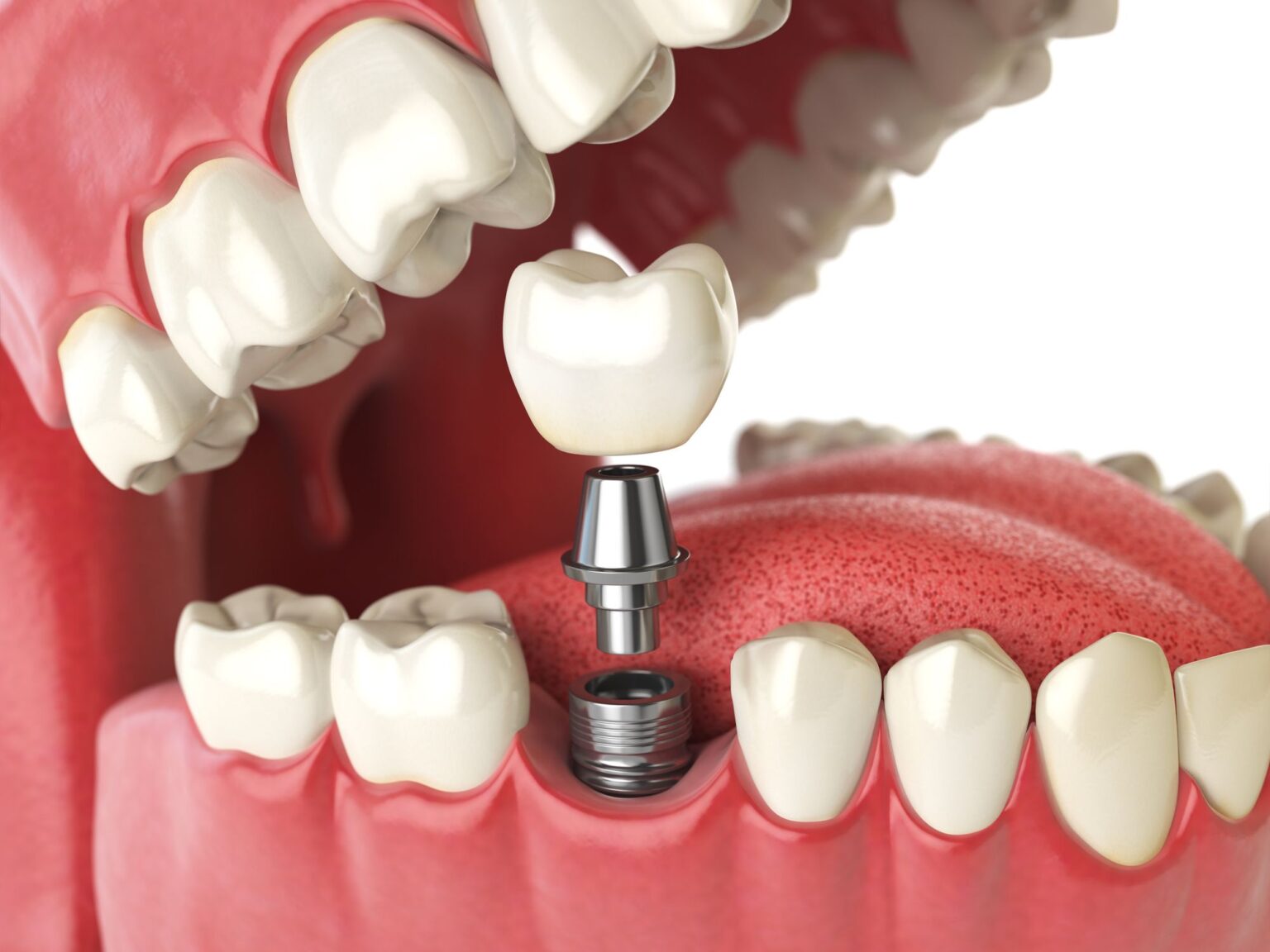

Molar Implant — Complete Guide to Tooth Replacement
A molar implant is a dental procedure used to permanently replace missing or damaged molar teeth, offering a durable solution for chewing functionality and oral health. Replacing molars is crucial for maintaining proper bite, preventing shifting of adjacent teeth, and ensuring long-term oral health. At Albania Dental Implants, we offer affordable and high-quality molar implants, allowing you to restore your smile and confidence.
Understanding Dental Implants for Molars
When it comes to dental implant for molars, it’s essential to understand their unique role and the specific considerations for their replacement. Molars, located at the back of the mouth, are the largest and strongest teeth, primarily responsible for grinding food. Due to their location and function, molars are prone to decay and damage, often requiring extraction and subsequent replacement.
Anatomy of Molars and Replacement Needs
Molars have a broad, flat surface with multiple cusps, designed for efficient chewing. Replacing a missing molar is not just about aesthetics; it’s about maintaining the integrity of your bite and preventing other teeth from shifting into the empty space. Neglecting to replace a molar can lead to various dental problems, including:
- Misalignment: Adjacent teeth can drift into the gap, causing misalignment and bite issues.
- Bone Loss: The jawbone can deteriorate in the area of the missing tooth due to lack of stimulation.
- Chewing Difficulties: Losing a molar can affect your ability to chew food properly, leading to digestive issues.
What is the Difference Between Incisor/Canine Implants vs Molar Implants?
While the basic principle of dental implants remains the same, there are key differences between incisor/canine implants and molar implants. Molars require implants that can withstand greater chewing forces. As such, the implants used for molars are typically larger and more robust than those used for front teeth. The procedure might also differ, sometimes requiring a bone graft for molar implant to ensure sufficient bone density for implant placement.
Molar Implant Procedure Steps
The molar implant procedure steps involve several stages, from initial consultation to final crown placement. Understanding each step can help you prepare for the process and know what to expect.
Consultation and Assessment
The first step involves a thorough examination by a dentist or implantologist. This includes:
- Medical History: Discussing your overall health and any medical conditions.
- Dental Examination: Assessing the condition of your teeth and gums.
- X-Rays and Scans: Taking X-rays or CT scans to evaluate bone density and identify any potential issues.
Molar Extraction and Healing (If Needed)
If the molar is still present but needs extraction, this is typically done before implant placement. The extraction site is then allowed to heal for several weeks or months. In some cases, an immediate molar extraction implant can be performed, where the implant is placed immediately after extraction, reducing the overall treatment time.
When Is a Bone Graft for Molar Implant Required?
A bone graft for molar implant is often necessary if there is insufficient bone density in the jaw. This is because the implant needs a solid foundation to fuse with the bone. Bone grafting involves transplanting bone tissue from another area of your body or using a synthetic bone material. The bone grafting in albania procedure adds to the overall healing time but is crucial for the long-term success of the implant.
Implant Placement Surgery
Once the extraction site (if needed) and/or bone graft has healed, the implant is surgically placed into the jawbone. This involves:
- Anesthesia: Local anesthesia is typically used, although sedation options are available for anxious patients.
- Incision: A small incision is made in the gum to expose the bone.
- Implant Placement: The implant is inserted into the bone, and the gum is stitched closed.
Healing Time for Molar Implant — Integration Period
After implant placement, a healing time for molar implant period is required for osseointegration, where the implant fuses with the jawbone. This process typically takes 3-6 months. During this time, a temporary crown or no crown at all may be placed to protect the area. The patient will use a flipper or essix retainer in the meanwhile so that the area can heal
Abutment Placement and Crown Fitting
Once osseointegration is complete, an abutment (a connector piece) is attached to the implant. The final step involves creating and fitting a custom-made crown that matches the color and shape of your natural teeth. The crown is then attached to the abutment, completing the molar tooth replacement process.
Cost of Molar Implant
The cost of molar implant can vary widely depending on several factors. Understanding these factors can help you budget and make informed decisions. The team at Albania Dental Implants can help you navigate these costs and explore options for affordable treatment.
Factors Affecting Price (Location, Complexity, Bone Grafts)
Several factors influence the price of dental implants:
- Location: Costs can vary significantly between different dental practices and regions.
- Complexity: The complexity of the case, including the need for extractions or bone grafts, can affect the overall cost.
- Materials: The type of implant and crown materials used can impact the price.
- Bone Grafts: If a bone graft for molar implant is required, this will add to the total expense.
Typical UK Costs and Payment Options
In the UK, the cost of a single molar implant can range from £2,500 to £4,000 or more. This typically includes the implant, abutment, and crown. Payment options may include:
- Out-of-Pocket: Paying the full cost upfront.
- Dental Insurance: Some insurance plans may cover a portion of the cost.
- Financing Plans: Many dental practices offer financing options to spread the cost over time.
Another option is to travel and get your implants done at lower costs, such as dental tourism in Albania. At Albania Dental Implants, our costs are a fraction of the costs in the UK!
Molar Implant Recovery and Aftercare
Proper molar implant recovery and aftercare are crucial for ensuring the long-term success of the implant. Following your dentist’s instructions can help minimize complications and promote healing.
Timeline for Integration and Full Recovery
The healing time for molar implant can vary, but here’s a general timeline:
- Initial Healing (1-2 weeks): Focus on managing pain and swelling.
- Osseointegration (3-6 months): The implant fuses with the jawbone.
- Full Recovery (6-9 months): The implant is fully functional and integrated.
Aftercare Instructions
To promote healing and prevent complications, follow these aftercare instructions:
- Oral Hygiene: Brush and floss gently around the implant site. Use an antimicrobial mouthwash to keep the area clean.
- Diet: Stick to soft foods during the initial healing period. Avoid hard, crunchy, or sticky foods that could damage the implant.
- Medications: Take any prescribed pain medication or antibiotics as directed.
- Follow-Up Appointments: Attend all scheduled follow-up appointments to monitor healing and address any concerns.
Common Complications and How to Avoid Them
While molar implants have a high success rate, complications can occur. Common issues include:
- Infection: Maintain good oral hygiene and follow your dentist’s instructions to prevent infection.
- Implant Failure: This can occur if the implant doesn’t properly fuse with the bone. Factors like smoking, poor bone density, or underlying health conditions can increase the risk.
- Nerve Damage: In rare cases, nerve damage can occur during implant placement, leading to numbness or tingling in the area.
- Sinus Issues: Upper molar implants can sometimes affect the sinuses, leading to congestion or pain.
Alternatives to Molar Implants
While molar implants are a durable and long-lasting solution, other options are available for replacing a missing molar. Understanding the alternatives to molar implants and their pros and cons can help you make an informed decision based on your needs and budget.
Bridges, Dentures, or Leaving the Gap
Common alternatives include:
- Dental Bridges: A bridge involves placing a false tooth (pontic) between two adjacent teeth, which are crowned to support the bridge.
- Removable Partial Dentures: These are removable appliances that replace one or more missing teeth.
- Leaving the Gap: In some cases, patients may choose not to replace the missing tooth.
Pros and Cons Compared to Molar Implants
Here’s a comparison of the pros and cons of each option:
- Dental Bridges:
- Pros: Less invasive than implants, lower cost.
- Cons: Requires altering adjacent teeth, shorter lifespan than implants, doesn’t prevent bone loss.
- Removable Partial Dentures:
- Pros: Least expensive option, non-invasive.
- Cons: Can be uncomfortable, affect speech and chewing, doesn’t prevent bone loss, may require adjustments over time.
- Leaving the Gap:
- Pros: No cost.
- Cons: Can lead to shifting of adjacent teeth, bone loss, bite problems, and increased risk of decay.
- Molar Implants:
- Pros: Long-lasting, natural-looking, prevents bone loss, doesn’t affect adjacent teeth.
- Cons: More expensive, requires surgery, longer treatment time.
Success Rates and Long-Term Outcomes
The success rates of molar implants are generally high, but understanding the factors that influence long-term outcomes is essential.
Longevity, Durability, and Patient Satisfaction
Molar implants have a high success rate, with many lasting 20 years or more. Factors contributing to their longevity include:
- Proper Osseointegration: Successful fusion of the implant with the jawbone.
- Good Oral Hygiene: Regular brushing, flossing, and dental check-ups.
- Healthy Lifestyle: Avoiding smoking and maintaining a balanced diet.
Patients who receive molar implants often report high levels of satisfaction due to improved chewing ability, aesthetics, and overall quality of life.
Factors Influencing Outcomes (Smoking, Bone Health, Oral Hygiene)
Several factors can affect the success and longevity of molar implants:
- Smoking: Smoking can impair healing and increase the risk of implant failure.
- Bone Health: Adequate bone density is crucial for successful osseointegration. Conditions like osteoporosis can affect bone health.
- Oral Hygiene: Poor oral hygiene can lead to infection and implant failure.
- Underlying Health Conditions: Conditions like diabetes can affect healing and increase the risk of complications.
Our team will assist in all of these areas in order to reduce complications and provide an affordable dental service.
FAQs About Molar Implants
Here are some frequently asked questions about molar implants:
What is a molar implant and why would you need one?
A molar implant is a dental procedure to replace a missing or damaged molar tooth with an artificial tooth root and crown. You might need one if you’ve lost a molar due to decay, injury, or other dental issues. Replacing a molar is essential for maintaining proper bite, preventing shifting of adjacent teeth, and ensuring long-term oral health. Albania Dental Implants offers affordable and high-quality single tooth implants in albania, allowing you to restore your smile and confidence.
How does the molar implant procedure work?
The molar implant procedure involves several steps: consultation and assessment, molar extraction (if needed), bone graft (if needed), implant placement surgery, healing period (osseointegration), abutment placement, and crown fitting. The implant fuses with the jawbone over several months, providing a stable foundation for the artificial tooth.
Is a bone graft always required for molar implants?
No, a bone graft is not always required for molar implants. However, it’s often necessary if there is insufficient bone density in the jaw. Your dentist will assess your bone density through X-rays or CT scans to determine if a bone graft is needed.
How long does it take to recover from a molar implant procedure?
The recovery time from a molar implant procedure can vary, but generally, the initial healing period (1-2 weeks) focuses on managing pain and swelling. Osseointegration (fusing of the implant with the bone) typically takes 3-6 months, and full recovery can take 6-9 months.
How much does a molar implant cost in the UK?
The cost of a molar implant in the UK can range from £2,500 to £4,000 or more, depending on factors like location, complexity, and materials used. Albania Dental Implants offers more affordable options, allowing you to save significantly on treatment costs.
What are the risks and complications associated with molar implants?
The risks and complications associated with molar implants can include infection, implant failure, nerve damage, and sinus issues. However, these complications are relatively rare, and proper aftercare can minimize the risk.
Are there alternatives to molar implants for replacing a molar tooth?
Yes, alternatives to molar implants include dental bridges and removable partial dentures. However, implants offer the advantage of being long-lasting, natural-looking, and preventing bone loss.
What is the success rate for molar implants?
The success rate for molar implants is generally high, with many lasting 20 years or more. Proper osseointegration, good oral hygiene, and a healthy lifestyle contribute to long-term success.
Can anyone get a molar implant or are there restrictions?
Most people can get a molar implant, but certain restrictions may apply. Factors like smoking, poor bone health, underlying health conditions, and certain medications can affect eligibility. A thorough assessment by a dentist or implantologist is necessary.
How do you care for your molar implant after surgery?
Caring for your molar implant after surgery involves maintaining good oral hygiene (brushing, flossing, antimicrobial mouthwash), following a soft-food diet, taking prescribed medications, and attending follow-up appointments.
How do lower and upper molar implants differ?
Lower and upper molar implants differ primarily in terms of anatomical considerations. Upper molar implants may require a sinus lift procedure to ensure sufficient bone height, while lower molar implants require careful placement to avoid nerve damage. The procedure and healing time are generally similar for both.
Conclusion
Replacing a missing molar with a molar implant is a durable and effective solution for maintaining your oral health and quality of life. Understanding the procedure, costs, and alternatives can help you make an informed decision. At Albania Dental Implants, we offer affordable and high-quality molar implants, providing you with a confident and healthy smile.
Ready to restore your smile? Contact Albania Dental Implants today to schedule a consultation and explore your options for molar tooth replacement!





