




New Teeth UK – Your Comprehensive Guide to Teeth Replacement Solutions in the UK
Looking for new teeth UK? This comprehensive guide will walk you through everything you need to know about teeth replacement options available in the UK, including costs, procedures, and what to expect. Whether you’re considering dental implants, dentures, or bridges, this article will provide you with the information you need to make an informed decision about restoring your smile and confidence.
Understanding New Teeth UK Options
When exploring teeth replacement options UK, it’s essential to understand what “new teeth” truly encompasses. It refers to various methods of restoring missing or damaged teeth, each with its own advantages and disadvantages. Common options include dental implants, dentures, and dental bridges, all aiming to improve your smile, chewing ability, and overall oral health.
Dental Implants UK
Dental implants UK are a popular long-term solution for missing teeth. They involve surgically placing a titanium post into the jawbone, which then fuses with the bone over time, providing a stable foundation for a replacement tooth or crown. Because the implant fuses with the jawbone, this makes the new tooth incredibly stable and long-lasting. For those seeking a permanent option, exploring dental tourism in Albania could provide a cost-effective solution.
- Pros: Long-lasting, stable, natural-looking, and can improve bone health.
- Cons: Higher upfront cost, surgical procedure required, longer treatment time.
Dentures UK
Dentures UK are removable replacements for missing teeth. They can be either full (replacing all teeth in an arch) or partial (replacing some teeth). Dentures are typically made of acrylic or porcelain and are custom-fitted to your mouth.
- Pros: More affordable than implants, non-surgical, can be completed relatively quickly.
- Cons: Can be less stable than implants, may affect speech or taste, require regular cleaning and maintenance.
Bridges for Missing Teeth UK
Bridges for missing teeth UK are a fixed solution that involves attaching a replacement tooth (pontic) to adjacent teeth (abutments) with crowns. Bridges “bridge” the gap between missing teeth with the false tooth or teeth.
- Pros: More affordable than implants, fixed solution, relatively quick treatment time.
- Cons: Requires altering adjacent teeth, can put extra stress on supporting teeth, may not last as long as implants.
Costs of New Teeth UK Procedures
Understanding the new teeth cost UK is a significant factor when considering teeth replacement options. The cost can vary widely depending on the chosen method, the complexity of the case, and whether you opt for NHS or private dental care. Knowing all potential costs can give patients power to choose the best option for their oral health.
New Teeth Cost UK – Breakdown
- Dental Implants: Typically range from £2,000 to £4,000 per implant. This cost includes the implant placement, abutment, and crown. More complex cases requiring bone grafting or sinus lifts can increase the cost. The cost of dental implants in Albania is a fraction of that in the UK.
- Dentures: Full dentures can cost between £600 and £2,000 per arch, while partial dentures are typically between £400 and £1,500. The price depends on the material used and the complexity of the fitting.
- Dental Bridges: A bridge typically costs between £700 and £2,000, depending on the materials used and the number of teeth involved.
NHS vs Private Dental Care Pricing
The dental implant prices UK differ significantly between NHS and private dental care. The NHS provides dental care at a subsidised rate, but dental implants are rarely available unless there is a clear medical need. Private dental care offers a wider range of options and materials, but at a higher cost. To find the option to fit your needs, a breakdown of the average prices and services can be helpful.
Cheapest Way to Replace Missing Teeth UK
When considering the cheapest way to replace missing teeth UK, dentures are generally the most affordable option. However, they may not provide the same level of stability or longevity as dental implants. If cost is a major concern, exploring options like NHS dental care or Albania Dental Implants services might be beneficial. It is important to also consider the costs associated with less permanent treatments, like dentures, that may accrue over time.
Financing and Payment Options for New Teeth
Many dental clinics offer financing and payment plans to help patients manage the cost of new teeth procedures. These options may include:
- Dental insurance: Some dental insurance plans may cover a portion of the cost of teeth replacement.
- Payment plans: Many clinics offer in-house payment plans that allow you to spread the cost over several months or years.
- Dental loans: Specialist dental loans are available to help finance dental treatment.
The Dental Implant Process in the UK
The dental implants procedure UK involves several stages, from initial consultation to final restoration. Understanding the process can help you prepare for each step and know what to expect. The process includes comprehensive examinations and strategic tooth and implant placement.
Step-by-Step Overview of Getting Dental Implants
- Consultation and assessment: Your dentist will assess your oral health, take X-rays or scans, and discuss your treatment options.
- Implant placement: The titanium implant post is surgically placed into your jawbone under local anaesthetic.
- Osseointegration: The implant fuses with the jawbone over a period of several months (typically 3-6 months).
- Abutment placement: Once osseointegration is complete, an abutment (connector) is attached to the implant.
- Crown placement: A custom-made crown is attached to the abutment, completing the tooth replacement.
Typical Timeline for Dental Implants
How long do implants take UK? The typical timeline for getting dental implants can vary depending on individual circumstances. The entire process, from initial consultation to final crown placement, can take anywhere from 6 months to a year or more. Immediate loading dental implants in albania can significantly reduce this time.
What to Expect at Each Stage
- Implant placement: You may experience some discomfort and swelling after the procedure, which can be managed with pain medication.
- Osseointegration: This stage requires patience, as the implant needs time to fuse with the bone. Regular check-ups are essential to monitor progress.
- Abutment and crown placement: These stages are typically less invasive and involve minimal discomfort.
Aftercare and Recovery Tips
Proper aftercare is crucial for successful dental implants. Tips for optimal recovery include:
- Follow your dentist’s instructions carefully.
- Maintain good oral hygiene by brushing and flossing regularly.
- Avoid hard or sticky foods during the initial healing period.
- Attend follow-up appointments to monitor the implant.
Choosing the Right Clinic for New Teeth UK
Selecting the best dentist for new teeth UK is crucial for a successful and satisfying outcome. Factors to consider include the dentist’s experience, qualifications, and the clinic’s reputation. Beyond qualifications and experience, patient comfort and communication are key components for a satisfying outcome.
Factors to Consider When Choosing a Clinic
When evaluating dental clinics UK for getting new teeth, several factors should influence your decision:
- Reputation: Look for clinics with positive reviews and testimonials.
- Qualifications: Ensure the dentists are qualified and experienced in implant dentistry or other teeth replacement procedures.
- Location: Choose a clinic that is conveniently located for you.
- Patient reviews: Read reviews online to get an idea of other patients’ experiences.
Questions to Ask at Consultations
At your initial consultation, ask the following questions to help you assess the clinic and dentist:
- What is your experience with dental implants or other teeth replacement procedures?
- What type of implants or materials do you use?
- What is the success rate for your procedures?
- What are the potential risks or complications?
- What is the total cost of the treatment, and what payment options are available?
How to Find a Good Dentist UK
Learning how to find a good dentist UK involves some research and due diligence. Start by asking for recommendations from friends, family, or your general dentist. Check online reviews and ratings, and verify that the dentist is registered with the General Dental Council (GDC).
Importance of CQC Registration and Professional Associations
Ensure the clinic is registered with the Care Quality Commission (CQC), which regulates and inspects health and social care services in England. Look for dentists who are members of professional associations such as the British Dental Association (BDA) or the Association of Dental Implantology (ADI). These associations promote high standards of care and continuing professional development.
Alternatives to Implants – Dentures and Bridges
While dental implants are a popular choice for teeth replacement, dentures and bridges remain viable alternatives, particularly for those who may not be suitable candidates for implants or prefer a less invasive option. For those looking for alternatives to dental implants, it is good to weigh out all of the potential pros and cons.
When Dentures or Bridges Are the Best Choice
Dentures UK or bridges may be the best choice in certain situations, such as:
- When the patient has significant bone loss in the jaw, making implant placement difficult.
- When the patient has certain medical conditions that make surgery risky.
- When the patient prefers a non-surgical option.
- When the patient has budget constraints.
Types of Dentures (Full vs Partial)
- Full dentures: Replace all teeth in an arch and are typically used when all teeth are missing due to decay, injury, or disease.
- Partial dentures: Replace some teeth and are used when some natural teeth remain. They attach to the remaining teeth with clasps or connectors.
Bridges for Missing Teeth UK
- Traditional bridges: Involve creating a crown for the tooth or teeth on either side of the missing tooth (abutment teeth). A pontic (false tooth) is attached to the crowns, filling the gap.
- Cantilever bridges: Used when there are adjacent teeth on only one side of the missing tooth. This type of bridge is not as stable as traditional bridges.
- Maryland bridges: Consist of a pontic attached to metal or porcelain wings that are bonded to the adjacent teeth. This type of bridge is less invasive than traditional bridges but may not be as strong.
Advantages and Limitations of Dentures and Bridges
- Dentures: Advantages include affordability and non-surgical placement. Limitations include potential instability, impact on speech and taste, and the need for regular maintenance.
- Bridges: Advantages include a fixed solution and relatively quick treatment time. Limitations include requiring alteration of adjacent teeth, potential stress on supporting teeth, and a shorter lifespan compared to implants.
What to Expect – Results, Risks, and Recovery
Before undergoing any teeth replacement procedure, it’s important to understand the expected results, potential risks, and recovery process. Being properly informed can lead to more realistic expectations and better treatment outcomes.
Typical Results Patients See
Patients who get new teeth often experience significant improvements in their quality of life, including:
- Improved appearance and self-confidence.
- Enhanced chewing ability and nutrition.
- Better speech.
- Improved oral health.
Possible Risks or Complications
While teeth replacement procedures are generally safe, there are potential risks and complications, including:
- Infection: Infection at the implant site or around dentures or bridges.
- Nerve damage: Nerve damage during implant placement.
- Implant failure: Failure of the implant to fuse with the jawbone.
- Gum recession: Recession of the gums around implants, dentures, or bridges.
- Allergic reactions: Allergic reactions to materials used in implants, dentures, or bridges.
Dental Implant Risks UK
When considering dental implant risks UK, factors such as infection, nerve damage, and implant failure are important to be aware of, according to a dental professional. However, the what percentage of people reject dental implants? The risk is incredibly low with today’s technology and strategic planning. Choosing an experienced dentist and following proper aftercare instructions can minimize these risks.
Recovery After New Teeth UK
The recovery timeline for new teeth depends on the chosen procedure. After implant placement, it is normal to have some swelling and discomfort for several days. Dentures and bridges may require an adjustment period to get used to the new teeth. Maintaining good oral hygiene and following your dentist’s instructions are essential for a smooth recovery. For example, knowing what foods not to eat after dental implants is essential to healing.
Before and After New Teeth UK
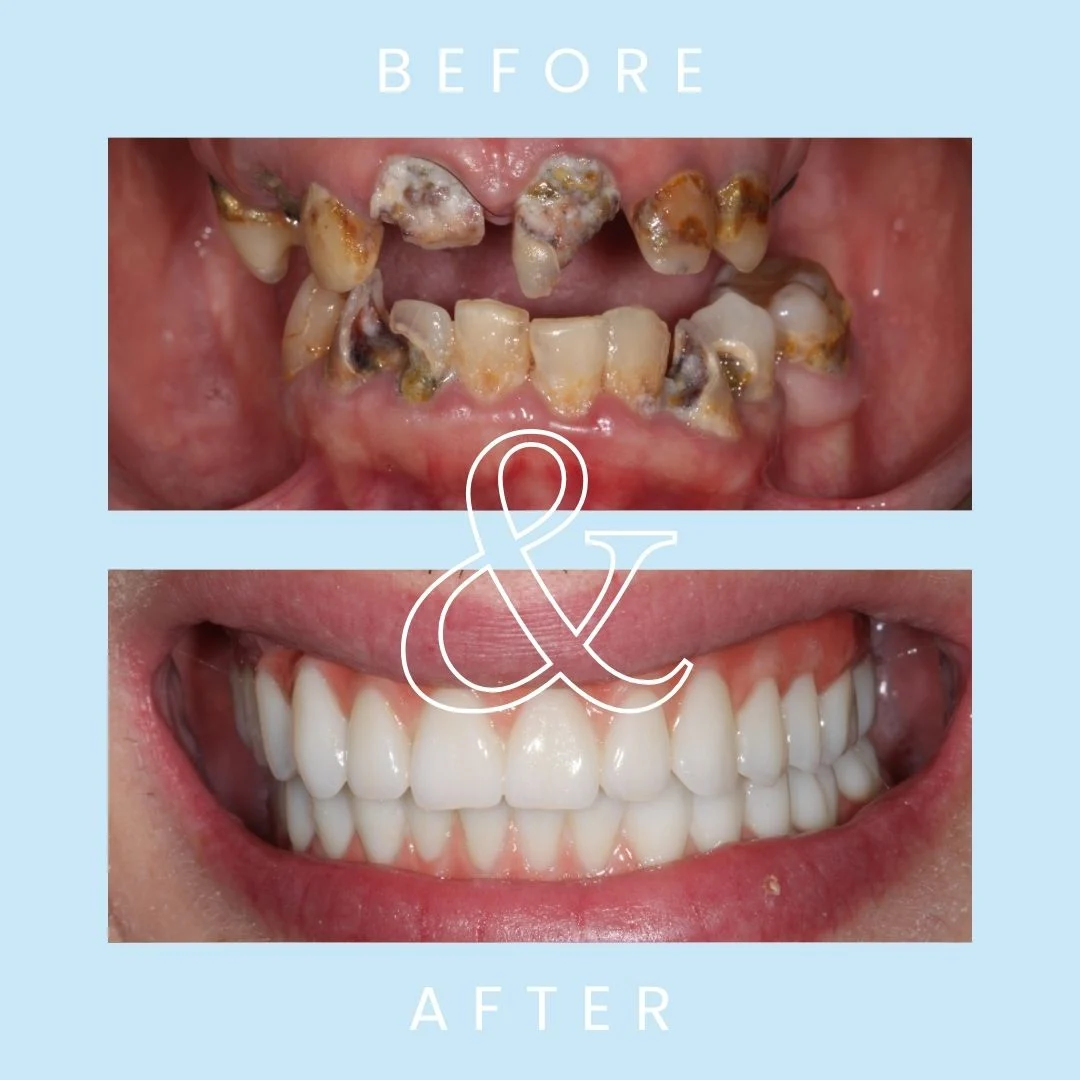
Looking at new teeth before and after UK cases can provide a realistic expectation of the outcomes. Many dental clinics showcase before-and-after photos of their patients to demonstrate the transformative results of teeth replacement procedures. These photos can give you a sense of the aesthetic and functional improvements you can expect.
FAQs about New Teeth UK
Here are some frequently asked questions about new teeth in the UK:
How much do new teeth cost in the UK?
The cost varies greatly depending on the type of replacement chosen (implants, dentures, bridges) and whether you go through the NHS or private care. A single implant can range from £2,000-£4,000, while full dentures can cost between £600-£2,000 per arch.
Are dental implants safe and permanent?
Dental implants are generally considered safe and have a high success rate. They are designed to be a permanent solution, but their lifespan can be affected by factors like oral hygiene and lifestyle choices.
What is the most affordable option to replace missing teeth?
Dentures are typically the most affordable option, but they may not provide the same stability or longevity as dental implants.
Can I get new teeth on the NHS?
Access to dental implants on the NHS is limited and usually only available when there is a medical need. Other teeth replacement options like dentures and bridges may be more readily available.
How long does it take to get new teeth?
The timeline depends on the procedure. Dentures and bridges can be fitted in a few weeks, while dental implants can take several months to a year or more to complete.
What is the best option for full mouth replacement?
Dental implants, particularly full arch implants like All-on-4, are often considered the best option for full mouth replacement due to their stability, functionality, and natural appearance. However, dentures are more affordable.
What is the difference between implants, dentures, and bridges?
Implants are permanent, surgically placed replacements. Dentures are removable replacements. Bridges are fixed replacements attached to adjacent teeth.
Who is a suitable candidate for dental implants?
Suitable candidates for dental implants generally have good oral health, sufficient bone density in the jaw, and are non-smokers. A thorough assessment by a dentist is necessary to determine eligibility.
What maintenance do new teeth require?
New teeth require regular oral hygiene practices, including brushing, flossing, and dental check-ups. Dentures may require additional cleaning and adjustments.
How do I find a reputable dental clinic in the UK?
Research online reviews, ask for recommendations, and verify that the clinic is registered with the CQC and employs qualified dentists.
Patient Stories and Success Cases
Reading about other patients’ experiences can provide valuable insights and reassurance when considering teeth replacement options. Remember to maintain patient confidentiality and avoid sharing identifiable personal data. While we cannot provide specific testimonials due to privacy reasons, here are some summarized anecdotes based on common patient experiences.
Summaries or Anecdotes
- A patient who struggled with ill-fitting dentures for years finally opted for dental implants and reported a significant improvement in their ability to eat and speak comfortably.
- Another patient who had several missing teeth chose dental bridges and was thrilled with the quick and natural-looking results.
- A patient who was initially hesitant about dental implants due to the cost found a financing option that made the treatment affordable and now enjoys a confident smile.
Typical Experiences and Outcomes
Typical experiences and outcomes from the above treatments include:
- Improved confidence and self-esteem.
- Enhanced quality of life.
- Restored chewing ability.
- A natural-looking smile.
Conclusion and Next Steps
Choosing the right teeth replacement option is a personal decision that depends on your individual needs, budget, and preferences. This guide has provided a comprehensive overview of the options available in the UK, including dental implants, dentures, and bridges. When considering options, keep in mind the factors discussed and the potential for dental tourism in Albania for more affordable care.
If you’re considering restoring your smile and improving your oral health, don’t hesitate to take the next step.
- Book a consultation with a qualified dentist to discuss your options.
- Download a buyer’s guide to compare different teeth replacement solutions.
- Contact local providers to get quotes and learn more about their services.
Achieving a healthy, confident smile is within reach – take the first step today!





