



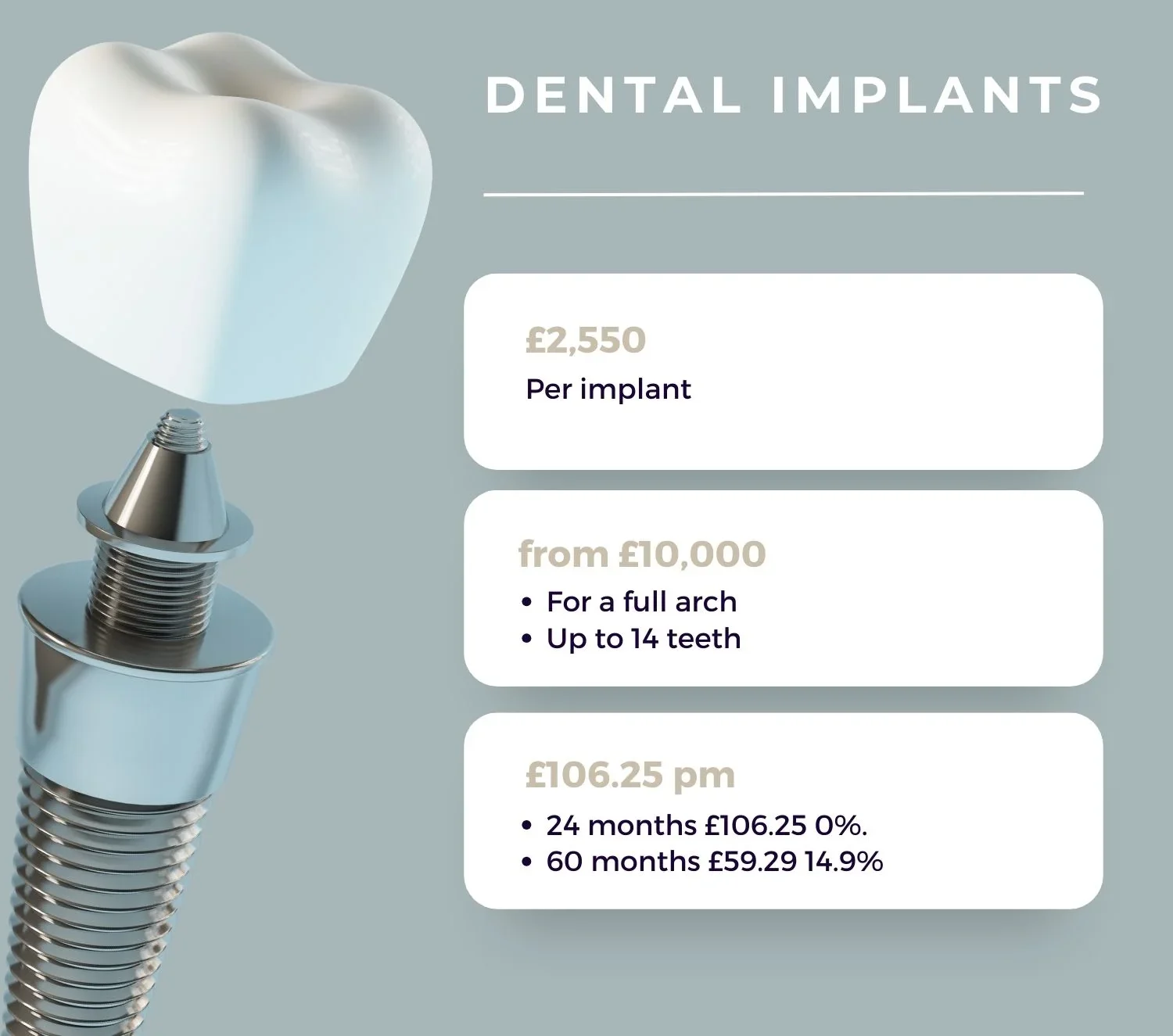
NHS costs dental implants are a key concern for patients in the UK seeking affordable tooth replacement options. Many people dream of a confident, healthy smile, but the reality of dental implant costs can be daunting. This article explores the ins and outs of accessing dental implants through the NHS, comparing it to private options, and highlighting potential savings with Albania Dental Implants.
What Are Dental Implants and How Do They Work?
Understanding the dental implant process and dental implant alternatives NHS is the first step in making an informed decision about tooth replacement. A dental implant is essentially a titanium screw that is surgically placed into the jawbone, acting as an artificial tooth root. Over time, the bone fuses with the implant in a process called osseointegration, creating a stable foundation for a replacement tooth.
The Dental Implant Procedure Explained
The dental implant process typically involves several stages:
- Consultation and Assessment: A thorough examination, including X-rays or CT scans, to assess your suitability for dental implants.
- Implant Placement: Surgical insertion of the titanium implant into the jawbone.
- Osseointegration: A healing period of several months to allow the bone to fuse with the implant.
- Abutment Placement: Attachment of a connector piece (abutment) to the implant, which will hold the replacement tooth.
- Crown Placement: Fitting of a custom-made crown (artificial tooth) onto the abutment.
NHS Alternatives to Dental Implants
While dental implants are a popular and effective solution, they aren’t always readily available on the NHS. The NHS typically offers more traditional tooth replacement options, such as:
- Dentures: Removable appliances that replace missing teeth.
- Bridges: Fixed appliances that attach to adjacent teeth to fill the gap left by a missing tooth.
These alternatives may be more readily available and affordable through the NHS, but they don’t offer the same level of stability and longevity as dental implants. However, a dental bridge is better than an implant for some people, depending on the situation, preferences and budget.
NHS Dental Implants: Eligibility and Availability
Eligibility for NHS dental implants and understanding available NHS dental services are critical for patients seeking affordable care. Generally, the NHS provides dental implants only in specific circumstances where there’s a clear medical need.
Criteria for Qualifying for NHS Dental Implants
NHS funding for dental implants is typically reserved for patients who meet strict criteria, such as:
- Trauma: Tooth loss due to an accident or injury.
- Congenital Absence: Missing teeth from birth.
- Cancer Treatment: Tooth loss as a result of cancer surgery or radiotherapy.
Even if you meet these criteria, approval isn’t guaranteed. The NHS will assess your individual case and determine whether dental implants are the most appropriate and cost-effective treatment option.
Which Patient Circumstances Meet NHS Funding Guidelines?
Patients with the following circumstances may be considered for NHS-funded dental implants:
- Severe facial trauma resulting in significant tooth loss and functional impairment.
- Patients born with a genetic condition causing multiple missing teeth, affecting their ability to eat and speak properly.
- Individuals who have undergone extensive cancer treatment in the head and neck region, leading to tooth loss and impacting their quality of life.
It’s important to note that cosmetic reasons for wanting dental implants are unlikely to be covered by the NHS.
NHS Costs for Dental Implants
Understanding NHS dental implant cost UK, including the cost breakdown and how the NHS dental bands structure works, is essential for budgeting and planning. If you are eligible for NHS dental implants, the cost will be determined by the NHS dental band system.
Typical Costs Associated with NHS-Provided Dental Implants
The cost of NHS dental implants varies depending on the complexity of the treatment and the specific band that applies to your case. However, it’s important to note that even with NHS funding, you may still need to pay a contribution towards the cost of your treatment.
NHS Dental Band Structure and What Is Covered
The NHS dental band system categorizes treatments into three bands, each with a set price:
- Band 1 (£26.80): Includes examinations, diagnosis, and preventative care, such as scaling and polishing.
- Band 2 (£73.50): Covers everything in Band 1, plus fillings, root canal treatment, and extractions.
- Band 3 (£319.10): Includes everything in Bands 1 and 2, plus more complex procedures such as crowns, dentures, and bridges.
Dental implants typically fall under Band 3, but this may only cover part of the overall cost. Additional charges may apply for assessments, scans, and other necessary procedures. Remember, a NHS dentist may be able to give you all the information you need regarding costs.
Private vs NHS Dental Implants: Key Differences in Cost and Access
When comparing private vs NHS dental implants, it’s crucial to consider the NHS dental implant cost UK alongside factors such as access, waiting times, and the range of services offered. The NHS primarily focuses on essential dental care, while private practices offer a wider array of cosmetic and restorative treatments, including dental implants.
Comparison of Expenses, Service Types, Waiting Times
Here’s a comparison of key differences between private and NHS dental implants:
- Cost: Private dental implants are generally more expensive than NHS implants, as they aren’t subsidized by the government.
- Access: Private practices offer easier and faster access to dental implant treatment, with shorter waiting times.
- Service Types: Private practices provide a wider range of implant options, materials, and technologies, allowing for more personalized treatment plans.
- Waiting Times: NHS waiting times for dental implants can be lengthy, sometimes stretching to several months or even years.
Why Most UK Dental Implants Are Done Privately; What Patients Should Expect
Due to the limited availability of NHS-funded dental implants and the longer waiting times, most UK patients opt for private treatment. When seeking private dental implants, patients can expect:
- A thorough consultation and assessment to determine their suitability for implants.
- A customized treatment plan tailored to their individual needs and preferences.
- Access to a wider range of implant options and materials.
- Shorter waiting times for treatment.
- Higher costs compared to NHS treatment.
Frequently Asked Questions about NHS Costs Dental Implants
Many people have questions about NHS costs dental implants and dental implant alternatives NHS. Here are some of the most frequently asked questions:
Are dental implants available on the NHS?
Yes, dental implants are available on the NHS, but typically only in specific cases where there is a clear medical need, such as trauma, congenital absence of teeth, or tooth loss as a result of cancer treatment. Cosmetic reasons for wanting dental implants are unlikely to be covered by the NHS.
How much do NHS dental implants cost in the UK?
If you qualify for NHS dental implants, you will likely need to pay towards the cost of your dental care. NHS dental treatments are charged in three bands: Band 1 (£26.80) covers examinations, diagnosis and preventative care. Band 2 (£73.50) covers everything listed in Band 1, plus fillings, root canal treatment and removing teeth. Band 3 (£319.10) covers everything listed in Bands 1 and 2, plus crowns, dentures and bridges. Dental implants typically fall under Band 3. Additional charges may apply for assessments, scans, and other necessary procedures.
What is the difference between private and NHS dental implants?
The main differences lie in cost, access, and service types. Private dental implants are generally more expensive but offer easier access, shorter waiting times, and a wider range of treatment options. NHS dental implants are subsidized, but access is limited to specific medical needs, and waiting times can be longer.
Who qualifies for NHS dental implants?
Qualification for NHS dental implants is typically limited to patients with specific medical needs, such as tooth loss due to trauma, congenital absence of teeth, or tooth loss as a result of cancer treatment. Each case is assessed individually, and approval isn’t guaranteed.
Are there lower-cost alternatives provided through the NHS?
Yes, the NHS offers lower-cost alternatives to dental implants, such as dentures and bridges. These options may be more readily available and affordable, but they don’t offer the same level of stability and longevity as dental implants. Understanding which treatment will give the best long term outcome is key to making a good decision.
What does the NHS dental band system mean for implant costs?
The NHS dental band system categorizes treatments into three bands, each with a set price. Dental implants typically fall under Band 3, which covers more complex procedures such as crowns, dentures, and bridges. However, this may only cover part of the overall cost, and additional charges may apply.
Are hidden charges or additional costs involved?
Even with NHS funding, there may be additional charges for assessments, scans, and other necessary procedures. It’s important to discuss the full cost of treatment with your dentist beforehand to avoid any surprises.
How long are waiting times for NHS dental implants?
Waiting times for NHS dental implants can be lengthy, sometimes stretching to several months or even years. This is due to limited funding and high demand for treatment.
Is any financial help or exemption available?
Some patients may be eligible for financial help with NHS dental costs, such as those receiving certain benefits or those on low incomes. It’s worth checking your eligibility for assistance before starting treatment. You can find information about financial help on the NHS website.
What documentation or referral is needed?
To be considered for NHS dental implants, you’ll typically need a referral from your general dentist. You may also need to provide documentation to support your case, such as medical records or evidence of trauma. Your dentist can advise you on the specific documentation required.
Considering Dental Tourism to Albania?
If NHS costs for dental implants are a barrier, and private UK prices are too high, exploring dental tourism could be a viable solution. Albania Dental Implants offers high-quality dental implant treatment at significantly lower costs than in the UK. With state-of-the-art facilities, experienced dental professionals, and a commitment to patient care, dental tourism in Albania can provide a cost-effective way to achieve the smile you deserve. To understand if a cosmetic dentistry in Albania trip might be right for you, it is vital you do your research.
Benefits of Choosing Albania Dental Implants
- Cost Savings: Dental implant treatment in Albania can be significantly cheaper than in the UK.
- High-Quality Care: Albania Dental Implants uses modern technology and materials, with experienced and qualified dentists.
- Reduced Waiting Times: Treatment can be scheduled quickly, avoiding long waiting lists.
- Combined Holiday: Opportunity to enjoy a relaxing holiday in Albania while undergoing dental treatment.
Making the decision to get dental implants isn’t one to take lightly, but the potential to greatly improve quality of life is something that drives many people to consider overseas options such as Albania. Weighing the costs of the NHS, private dental care and overseas travel is key to making an informed decision.
Take the Next Step
If you’re considering dental implants, it’s essential to explore all your options and weigh the costs and benefits of each. Contact us today to learn more about our services and how we can help you achieve a confident, healthy smile.





