




NHS Implant Teeth – A Complete Guide
NHS implant teeth are an option for some patients seeking tooth replacements through the National Health Service in the UK. However, understanding the eligibility criteria, costs, and alternatives is crucial before making a decision about restoring your smile. If NHS options are limited, Albania Dental Implants provides high-quality dental implants in Albania at affordable prices. Our comprehensive services cater to international patients seeking top-notch dental care combined with dental tourism opportunities.
What Are NHS Implant Teeth?
Related Keywords: NHS dental implants, tooth replacement NHS
Let’s explore NHS dental implants. Dental implants are a long-term solution for missing teeth, offering stability and a natural look and feel. Understanding how they work and the differences between NHS and private options is essential.
Basic Definition
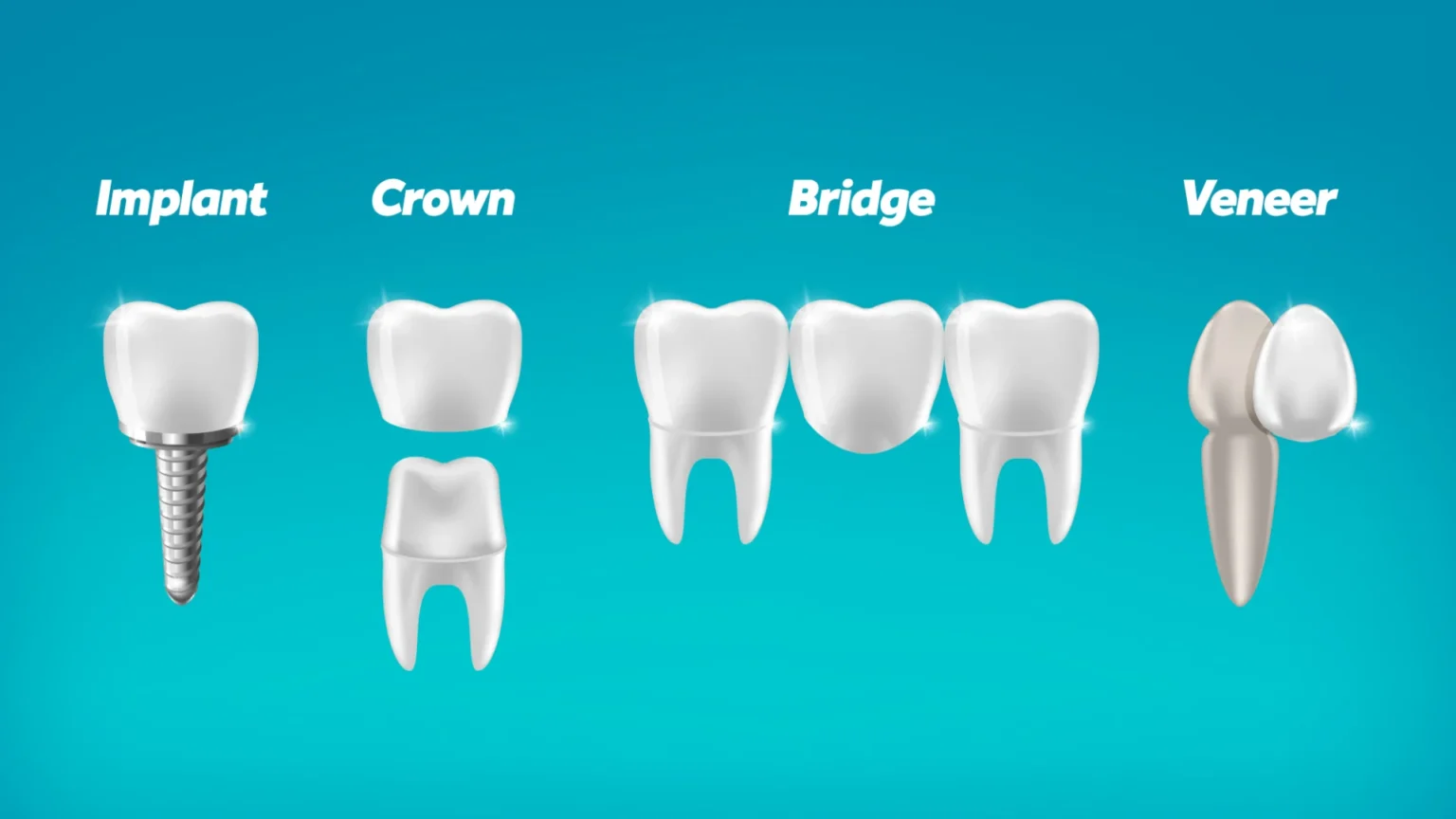
Dental implants are artificial tooth roots, typically made of titanium, that are surgically placed into the jawbone. A replacement tooth or crown is then attached to the implant, providing a permanent and stable solution for a missing tooth or teeth.
How Dental Implants Work
The dental implant process involves several stages:
- Assessment: A thorough examination by a dentist or specialist to determine suitability.
- Implant Placement: Surgical insertion of the titanium implant into the jawbone.
- Osseointegration: The process where the implant fuses with the surrounding bone, typically taking a few months.
- Abutment Placement: Attaching a connector (abutment) to the implant.
- Crown Placement: Securing a custom-made crown to the abutment, creating a natural-looking tooth.
This process ensures a strong and durable foundation for the replacement tooth.
Difference Between NHS and Private Dental Implants
The main differences between NHS and private dental implants lie in eligibility, cost, treatment options, and waiting times. NHS dental implants are typically reserved for patients with specific medical needs, while private dental implants offer a broader range of options and quicker access but at a higher cost. For patients seeking cost-effective solutions without compromising quality, Albania Dental Implants provides an excellent alternative.
Who Is Eligible for NHS Dental Implants?
Eligibility for NHS dental implants is stringent and based on specific criteria. The NHS prioritizes cases of medical necessity over cosmetic concerns.
NHS Guidelines on Eligibility
The NHS provides dental implants primarily for patients who meet certain medical criteria, such as:
- Tooth loss due to trauma or surgery for conditions like cancer.
- Congenital dental anomalies.
- Severe difficulties with dentures.
Cosmetic reasons or general tooth replacement are usually not covered. For patients who do not meet the strict criteria of the NHS, dental tourism in Albania offers an affordable and accessible alternative.
Medical vs Cosmetic Need
The NHS focuses on medical needs rather than cosmetic desires. For example, if tooth loss significantly impacts a patient’s ability to eat or speak, or if it’s a result of a necessary medical intervention, the NHS is more likely to consider implant treatment. However, if the primary concern is aesthetic, the NHS typically does not cover the cost.
Typical Cases Covered
Typical cases covered by the NHS for dental implants include:
- Patients who have lost teeth due to an accident or trauma.
- Individuals who have had teeth removed as part of cancer treatment.
- Those with genetic conditions affecting tooth development.
These cases are assessed individually, and approval is not guaranteed. Patients not eligible for NHS coverage can explore options at our dental clinic in Albania .
How Much Do NHS Dental Implants Cost?
Related Keywords: NHS dental implant cost, NHS charges, funding NHS dental implants
Understanding the NHS dental implant cost is crucial for patients considering this option. NHS dental charges are structured into different bands, with costs varying across England, Scotland, and Wales.
NHS Band Charges (England, Scotland, Wales Differences)
NHS dental charges are divided into bands, each covering different treatments:
- Band 1 (£26.80 in England): Covers examinations, diagnosis, and preventative care.
- Band 2 (£73.50 in England): Includes Band 1 treatments, plus fillings, root canal treatment, and extractions.
- Band 3 (£319.10 in England): Covers Band 1 and 2 treatments, plus more complex procedures like crowns, dentures, and bridges.
Dental implants are typically not covered under these bands unless there’s a specific medical justification. In Scotland and Wales, dental charges and the availability of certain treatments may differ slightly. Given the limited NHS coverage, many patients find that the cost of dental implants in Albania is a more affordable route to restoring their smile.
Potential Extra Costs
Even if you qualify for NHS dental implants, there may be additional costs, such as:
- Costs for initial assessments and consultations.
- Charges for any preparatory work, such as bone grafts.
- Fees for complex cases requiring specialist treatment.
It’s essential to clarify all potential costs with your NHS dentist upfront.
How Does the NHS Dental Implant Process Work?
The NHS waiting list for dental implants can be lengthy. The process involves several steps, from referral to specialist assessment and treatment.
Referral Process
The journey to getting dental implants on the NHS typically begins with a referral from your general dentist to a specialist. This referral is necessary to assess whether you meet the strict eligibility criteria for NHS-funded implants. The referral process includes:
- Initial consultation with your general dentist.
- Assessment of your dental condition and medical history.
- Referral to a specialist for further evaluation if you meet initial criteria.
This initial step can take time, depending on the availability of appointments and the dentist’s assessment schedule.
Specialist Assessment
Once referred, you will undergo a comprehensive assessment by a specialist. This evaluation determines if you are a suitable candidate for dental implants based on your specific needs and the NHS guidelines. The specialist assessment includes:
- Detailed examination of your oral health.
- X-rays and scans to assess bone density and jaw structure.
- Discussion of your medical history and any potential risks.
The specialist will then decide whether your case qualifies for NHS funding.
Typical Timeline and Waiting List
The timeline for receiving dental implants on the NHS can be extensive due to high demand and limited resources. A typical timeline involves:
- Referral from general dentist: 1-3 months.
- Specialist assessment: 2-4 months.
- Waiting for treatment: 6-18 months or longer.
The waiting list can vary depending on the region and the availability of specialists. Patients seeking faster treatment may consider alternatives such as Albania Dental Implants, where high-quality dental care is more readily accessible.
NHS Dental Implants vs Private Dental Implants
Choosing between private dental implants and NHS options involves considering several factors. A cost comparison, treatment options, and availability all play a role in making an informed decision.
Cost
NHS dental implant price is significantly lower than private dental implants. However, NHS implants are rarely approved and restricted to patients meeting strict clinical criteria, such as severe trauma and congenital disabilities, impacting dental health. Private dental implants can range from £2,500 to £4,000 per implant, depending on location, complexity, and materials used.
Treatment Options
Private dental clinics offer a broader range of implant types and materials, including:
- Titanium implants
- Zirconia implants
- Mini implants
- All-on-4/6/8 solutions
The NHS typically offers standard titanium implants, limiting choices based on individual needs. All on 4 dental implants in Albania offers a cost-effective solution and provides patients with high quality implants.
Availability and Waiting Times
Private dental implants have shorter waiting times, as treatment can commence as soon as the patient is ready and has completed the necessary consultations. NHS waiting lists can extend from several months to over a year due to high demand and limited resources. Albania Dental Implants provides prompt service, making it an appealing choice for those seeking timely treatment.
Aftercare
Both NHS and private dental implant providers offer post-treatment care. However, private clinics often provide more comprehensive and personalized aftercare services, including:
- Detailed maintenance instructions
- Follow-up appointments
- Additional support and advice
NHS aftercare is generally more limited due to resource constraints.
Alternatives to Dental Implants on the NHS
If dental implants are not approved on the NHS, several NHS tooth replacement options are available. These include dentures and dental bridges, each with its own advantages and disadvantages.
What Else Is Offered If Implants Are Not Approved?
If you do not qualify for dental implants on the NHS, the following options may be offered:
- Dentures: Removable appliances that replace missing teeth.
- Bridges: Fixed appliances that attach to adjacent teeth to fill the gap.
These alternatives aim to restore function and aesthetics, although they differ significantly from dental implants.
Pros and Cons of Alternatives
Dentures
- Pros: More affordable than implants, non-surgical procedure.
- Cons: Can be uncomfortable, may affect speech and eating, require regular adjustments.
Bridges
- Pros: Fixed solution, more stable than dentures, natural appearance.
- Cons: Requires altering adjacent teeth, may not last as long as implants, potential for decay around supporting teeth.
For many patients, dentures or bridges serve as a practical, albeit less permanent, solution. However, if you desire a long-term, stable solution, consider the affordable dental implant options at Albania Dental Implants.
Success Rates and Risks of NHS Dental Implants
Understanding the success rates NHS dental implants and potential risks is essential for making an informed decision. While dental implants generally have high success rates, it’s important to be aware of potential complications.
Success/Failure Rates
Dental implants typically have high success rates, often ranging from 90% to 95%. However, success rates can vary based on factors such as:
- Patient health
- Oral hygiene
- Implant location
- Smoking habits
The NHS aims for similar success rates as private clinics but may face challenges due to resource constraints and patient selection criteria.
Potential Risks and Complications
Potential risks and complications associated with dental implants include:
- Infection: Can occur at the implant site.
- Nerve Damage: May cause pain, numbness, or tingling in the gums, lips, or chin.
- Sinus Problems: More common with upper jaw implants.
- Implant Failure: The implant does not fuse properly with the bone.
Proper aftercare and regular dental check-ups are crucial for minimizing these risks.
Frequently Asked Questions About NHS Implant Teeth
Can you get dental implants on the NHS?
Yes, it is possible to get dental implants on the NHS, but it’s not a straightforward process. The NHS primarily offers dental implants to patients who meet specific medical criteria, such as those who have lost teeth due to trauma, cancer treatment, or congenital disabilities. General tooth replacement for cosmetic reasons is typically not covered. If you do not meet the strict eligibility requirements of the NHS, consider exploring the affordable dental implant options available in Albania.
How do you qualify for NHS dental implants?
To qualify for NHS dental implants, you must demonstrate a clear medical need. This often includes cases where tooth loss significantly impacts your ability to eat or speak, or when it is the result of a necessary medical intervention. Each case is assessed individually, and approval is not guaranteed. Factors like overall health, oral hygiene, and the specific reason for tooth loss are taken into account. If you do not qualify, dental tourism to Albania can offer a viable and budget-friendly alternative.
How long is the NHS waiting list for dental implants?
The NHS waiting list for dental implants can be quite lengthy, ranging from several months to over a year. This is due to high demand and limited resources within the NHS. The exact waiting time varies depending on the region, the availability of specialists, and the complexity of your case. Patients seeking quicker treatment may find private dental options or dental tourism to be more suitable alternatives.
What is the difference between NHS and private dental implants?
The primary difference between NHS and private dental implants lies in eligibility, cost, treatment options, and waiting times. NHS dental implants are typically reserved for patients with specific medical needs and are offered at a subsidized cost. Private dental implants offer a broader range of options, materials, and quicker access, but at a higher cost. Private clinics also tend to provide more comprehensive aftercare services. To reduce the cost of dental implants in the UK, patients may consider options at our clinic.
How much do NHS dental implants cost?
The cost of NHS dental implants depends on the specific band charges applicable at the time of treatment. While the NHS subsidizes the cost, patients may still need to pay a portion, which can range from £26.80 to £319.10 in England, depending on the complexity of the treatment. Additional costs for assessments or preparatory work may also apply. Due to the strict eligibility criteria and potential costs, many individuals find that private dental care or dental tourism options are more accessible and cost-effective.
What are the alternatives to dental implants on the NHS?
If dental implants are not approved on the NHS, several alternatives to dental implants on the NHS are available. These include dentures and dental bridges. Dentures are removable appliances that replace missing teeth, while bridges are fixed appliances that attach to adjacent teeth to fill the gap. Each option has its pros and cons in terms of cost, comfort, and long-term durability.
Are NHS dental implants safe and effective?
NHS dental implants adhere to the same standards of safety and effectiveness as private dental implants. The dentists and specialists providing NHS treatments are qualified and regulated, ensuring that patients receive appropriate care. While the range of materials and techniques may be more limited than in private clinics, the overall quality and safety are maintained.
Why might an NHS dentist refuse dental implants?
An NHS dentist might refuse dental implants if you do not meet the strict eligibility criteria set by the NHS. These criteria prioritize medical necessity over cosmetic concerns, and cases are assessed individually. Additionally, factors such as poor oral hygiene, smoking, or certain medical conditions may disqualify you from receiving NHS-funded implants. For those not eligible for NHS implants, affordable options at Albania Dental Implants are available.
Considering Dental Implants? Choose Albania Dental Implants
If you’re seeking a high-quality, affordable alternative to NHS or private dental implants in the UK, consider Albania Dental Implants. Our state-of-the-art clinic offers a range of implant solutions with significant cost savings, combined with the opportunity to enjoy a dental tourism experience. Contact us today to learn more about our services and how we can help you achieve a confident, healthy smile. You can contact Albania dental implants to make an appointment.





