



NHS Implants – What You Need to Know
NHS implants offer a potential pathway to restoring your smile and dental function within the UK healthcare system, but understanding the eligibility, costs, and process is crucial amidst increasing demand.
Introduction
The demand for NHS implants is on the rise in the UK, driven by patients seeking long-term solutions for missing teeth. However, navigating the complexities of NHS dental implants can be challenging. Patient expectations often collide with the realities of limited NHS funding and stringent eligibility criteria. Cost is a significant consideration, and it’s important to understand how NHS treatment differs from private dental care. Many people wonder if they can get free implants on NHS or what the specific criteria for NHS funding for implants are. This guide provides a comprehensive overview of NHS implants, covering eligibility, costs, procedures, and alternatives, empowering you to make informed decisions about your dental health.
What Are NHS Implants?
What Are NHS Implants and What Procedures Are Covered?
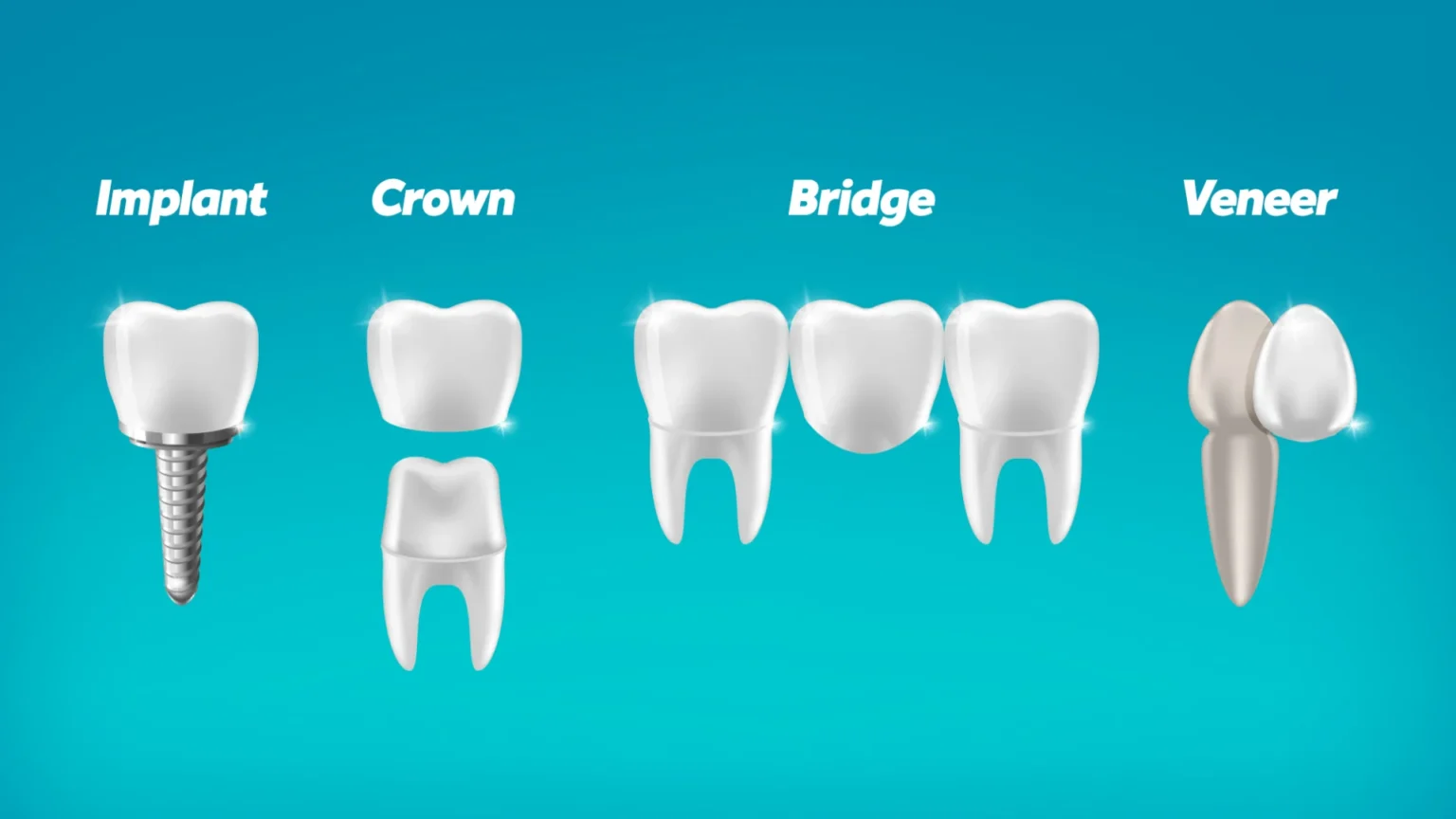
NHS implants are dental implants provided through the National Health Service (NHS) in the UK. Dental implants are artificial tooth roots, typically made of titanium, surgically implanted into the jawbone to support a replacement tooth or bridge. They are designed to fuse with the bone, providing a stable and long-lasting foundation for artificial teeth.
The main types of dental implants offered by the NHS, though availability is limited, include:
- Single Tooth Implants: Replacing a single missing tooth.
- Implant-Supported Bridges: Replacing multiple missing teeth using a bridge anchored to implants.
- Implant-Retained Dentures: Providing stability and support for dentures.
Access to NHS dental implants is typically restricted to patients who meet specific criteria, such as:
- Inability to wear dentures due to medical conditions.
- Significant trauma resulting in tooth loss.
- Congenital conditions causing missing teeth.
NHS vs Private Implants: Key Differences
The key differences between NHS implants and those available privately often lie in the materials used, the range of treatment options, and the waiting times involved. Private dental practices often offer a wider selection of implant systems and materials, potentially including zirconia implants in Albania, as well as cosmetic enhancements not typically available on the NHS. Waiting times for private treatment are also generally shorter.
Who Is Eligible for NHS Implants?
NHS Implants Eligibility: Meeting the Criteria
NHS implants eligibility is determined by a strict set of criteria. The NHS prioritizes patients with the greatest clinical need, focusing on cases where implants are essential for restoring basic dental function and quality of life. Simply wanting dental implants for cosmetic reasons is unlikely to qualify you for NHS treatment.
Common NHS funding criteria include:
- Medical Necessity: Patients unable to wear or tolerate dentures due to anatomical abnormalities, medical conditions, or severe gag reflexes.
- Trauma: Significant tooth loss resulting from accidents or injuries.
- Congenital Defects: Missing teeth due to genetic conditions or developmental disorders.
How to Qualify for NHS Implants: Referral and Evaluation
The referral process typically starts with your general dentist, who will assess your oral health and determine if you meet the initial criteria for implant consideration. If so, you’ll be referred to a specialist for a comprehensive evaluation. This evaluation may include X-rays, scans, and a thorough review of your medical history to determine if you’re a suitable candidate. Qualifying for NHS funding for implants can be challenging, but understanding the requirements and working closely with your dental team can improve your chances. They will consider your unique circumstances and advocate for your case if appropriate.
Wait Times for NHS Implants
Due to high demand and limited resources, wait times for NHS implants can be substantial. It’s not uncommon to wait several months, or even years, for an initial consultation and subsequent treatment. This waiting period can be frustrating for patients eager to restore their smiles and dental function. Patients should also consider that there may be geographic differences in NHS implant access, with some regions offering more availability than others.
How Much Do NHS Implants Cost?
NHS Implants Cost: Understanding the Structure
NHS implants cost is structured according to NHS dental charges, which are divided into different bands. The cost you’ll pay depends on the complexity of the treatment you require. It’s crucial to understand these bands to estimate your potential out-of-pocket expenses.
The NHS dental bands are as follows:
- Band 1: Covers examinations, diagnosis, and preventative care (e.g., scaling and polishing).
- Band 2: Includes everything in Band 1, plus fillings, root canal treatment, and extractions.
- Band 3: Covers everything in Bands 1 and 2, plus more complex procedures like crowns, dentures, and bridges.
Are Implants Free on NHS? Implants and NHS Dental Bands
Dental implants typically fall under Band 3, as they are considered a complex restorative procedure. However, because NHS funding for implants is limited to specific cases, it’s rare for NHS patients to be offered this treatment under Band 3. Therefore, most patients don’t have the possibility to get implants for free.
Potential Out-of-Pocket Expenses and Hidden Fees
Even if you qualify for NHS implants, you may still encounter potential out-of-pocket expenses. These could include costs for preliminary examinations, X-rays, or additional treatments required before implant placement. It’s essential to discuss all potential costs with your dentist upfront to avoid any surprises. If the costs for dental implants cost uk nhs is too high for your budget, there are cheaper options available, such as dental tourism in Albania.
NHS Implants Cost vs. Private Dental Implants
The cost of NHS implants is generally lower than private dental implants. However, the limited availability and longer waiting times associated with NHS treatment often lead patients to consider private options. Private dental implants offer greater flexibility in terms of treatment options, materials, and appointment scheduling, but come at a higher cost. According to recent data, the average cost of a single dental implant in the UK ranges from £2,500 to £4,000 privately, while the NHS cost, if available, would be significantly lower due to government subsidies.
The NHS Implants Procedure – Step by Step
NHS Implant Procedure: A Treatment Process Overview
The NHS implant procedure typically involves several stages, starting with a thorough assessment to determine your suitability for implants. This assessment includes a review of your medical history, a clinical examination, and X-rays or scans to evaluate your jawbone density and overall oral health. If you’re deemed a suitable candidate, the next step is pre-surgery preparation.
Dental Implant Surgery and Recovery Timeline
The surgical phase involves placing the titanium implant into your jawbone. This is usually performed under local anaesthetic, although sedation may be offered in some cases. After the implant is placed, a healing period of several months is required to allow osseointegration, where the implant fuses with the bone. Once osseointegration is complete, a small connector post, called an abutment, is attached to the implant. Finally, a custom-made crown is fitted onto the abutment, completing the restoration. The entire dental implant procedure can take several months from initial assessment to final crown placement.
NHS Support Post-Treatment
The NHS provides aftercare support following implant treatment, including regular check-ups and maintenance appointments to ensure the long-term success of your implant. You’ll receive guidance on proper oral hygiene practices to keep your implant and surrounding tissues healthy. However, it’s important to note that the extent of aftercare may vary depending on your individual needs and the resources available at your dental practice.
Success Rates and Longevity of NHS Implants
NHS Implant Success Rate: Data on Outcome
The NHS implant success rate is generally high, with studies reporting success rates of over 90% for implants placed in healthy individuals. However, several factors can influence implant success and longevity. Maintaining good oral hygiene, avoiding smoking, and attending regular dental check-ups are crucial for ensuring the long-term health of your implant.
Factors Affecting Implant Lifespan
Factors such as bone density, gum health, and overall health can impact implant lifespan. Patients with certain medical conditions, such as diabetes or osteoporosis, may have a higher risk of implant failure. Similarly, smoking can significantly reduce implant success rates due to its negative effects on bone healing and gum health. Patients should bear in mind the question: can a dental implant cause problems years later?
Risks, Potential Complications, and NHS Aftercare Policies
Potential risks and complications associated with dental implants include infection, nerve damage, and implant failure. The NHS has policies in place to manage these complications, but it’s important to be aware of the potential risks before proceeding with treatment. In the event of implant failure, the NHS may offer remedial treatment, but this is subject to individual assessment and resource availability.
NHS Implants vs Private Implants
NHS Dental Implants vs Private: A Comparison
The choice between NHS dental implants vs private options depends on individual circumstances, priorities, and budget. The NHS offers a more affordable option, but access is limited and waiting times can be long. Private dental implants offer greater flexibility and a wider range of treatment options, but come at a higher cost.
Benefits of NHS Implants and Private Costs
Benefits of NHS implants include lower costs and access to qualified dental professionals. However, private costs offer benefits in materials, technology, and aesthetics. Private practices often use more advanced imaging technologies, such as cone-beam CT scans, for more precise implant planning. They may also offer a wider selection of implant systems and restorative materials to better match your natural teeth.
Here’s a comparison table that summarizes the key differences:
| Feature | NHS Implants | Private Implants |
|---|---|---|
| Cost | Lower | Higher |
| Waiting Times | Longer | Shorter |
| Materials | Limited Selection | Wider Selection |
| Treatment Options | Restricted | More Comprehensive |
| Patient Experience | Basic | Enhanced |
Situations Where Private Might Be Preferable or Necessary
There are situations where private dental implants might be preferable or necessary. If you require immediate treatment, have specific cosmetic goals, or desire a wider range of implant options, private dental care may be the best choice. Additionally, if you don’t meet the strict eligibility criteria for NHS implants, private treatment may be your only option.
How to Apply for NHS Implants
How to Get NHS Implants: Application Process
How to get nhs implants involves a multi-step application and referral process. The first step is to consult with your general dentist, who will assess your oral health and determine if you meet the initial criteria for implant consideration. If so, they will refer you to a specialist, typically at an NHS dental hospital or a practice with a contract to provide specialist services.
Documents Needed for NHS Implants
You will need to provide detailed medical and dental history, including any relevant records or X-rays. You may also need to provide proof of identity and address to confirm your eligibility for NHS treatment.
Tips for Improving Eligibility
While you can’t directly influence the NHS eligibility criteria, there are steps you can take to improve your chances of being considered for implant treatment. Maintaining excellent oral hygiene, addressing any underlying dental issues, and providing comprehensive documentation of your medical and dental history can strengthen your case. Also, if you are in a bad situation, such as: what to do if your teeth are rotting and you can’t afford to fix it in the UK, there are ways to seek support from local charities.
Alternatives to NHS Implants
NHS and Private Alternatives to Implants
For individuals who don’t qualify for NHS implants or who prefer alternative treatment options, there are several NHS and private alternatives available. These include NHS dentures, bridges, and other prosthetics. Each alternative has its own set of pros and cons, and the best choice depends on your individual needs and circumstances.
Pros and Cons of Each Alternative
- Dentures: Removable appliances that replace missing teeth. Pros include affordability and ease of maintenance. Cons include potential discomfort, instability, and the need for periodic adjustments.
- Bridges: Fixed appliances that span the gap between missing teeth, using adjacent teeth as anchors. Pros include stability and a more natural feel compared to dentures. Cons include the need to alter adjacent teeth and a shorter lifespan compared to implants.
- Cosmetic Bonding: A less invasive procedure using composite resin to improve appearance.
If NHS treatments are not the best option, there are always dental services abroad, such as Albania Dental Implants Services.
Frequently Asked Questions (FAQ)
Can I Get Dental Implants for Free on the NHS?
The possibility of obtaining dental implants for free on the NHS is very rare. NHS funding for implants is strictly limited to cases where there is a clear medical necessity. If you do not qualify for NHS funding, there are alternative solutions, such as considering dental tourism in Albania.
How Long Is the Waiting List for NHS Implants?
The waiting list for NHS implants can be extensive, often stretching several months or even years. This is due to high demand and limited resources. The exact waiting time varies depending on your location and the availability of specialist services.
Do NHS Implants Look and Feel Like Real Teeth?
NHS implants are designed to closely mimic the look and feel of natural teeth. However, the final result depends on factors such as the quality of the materials used and the skill of the dental professional. While they may not feel exactly like natural teeth, implants offer a stable, functional, and aesthetically pleasing solution for missing teeth.
What Are the Main Reasons NHS Funding for Implants Is Refused?
The main reasons NHS funding for implants is refused include:
- Lack of medical necessity: The patient’s condition does not meet the strict criteria for NHS funding.
- Availability of alternative treatments: Dentures or bridges are considered a suitable alternative.
- Poor oral hygiene: The patient’s oral hygiene is deemed inadequate to support implant success.
- Medical contraindications: The patient has underlying medical conditions that increase the risk of implant failure.
Can Children Get Implants on the NHS?
Dental implants are generally not recommended for children because their jaws are still developing. In rare cases, implants may be considered for children with congenital conditions or severe trauma, but this is subject to specialist assessment and approval.
Are There Geographic Differences in NHS Implant Access?
Yes, there are geographic differences in NHS implant access. Some regions have more specialist services and funding available than others. This can result in longer waiting times and stricter eligibility criteria in certain areas.
Will NHS Replace a Failed Implant?
Whether the NHS will replace a failed implant depends on the individual circumstances and the reasons for the failure. If the failure is deemed to be due to factors beyond the patient’s control, such as a manufacturing defect, the NHS may offer remedial treatment. However, if the failure is due to poor oral hygiene or other patient-related factors, replacement may not be covered.
What Are the Main Risks or Complications?
The main risks or complications associated with dental implants include infection, nerve damage, implant failure, and sinus problems (for upper implants). These risks are relatively low, but it’s important to be aware of them before proceeding with treatment.
How Do I Appeal a Refusal for NHS Implants?
If your application for NHS implants is refused, you have the right to appeal. The appeal process typically involves submitting a written statement outlining the reasons why you believe the decision was incorrect, along with any supporting evidence. You may also be able to request a review of your case by a different panel of dental professionals.
Can I Transfer from NHS Implants to Private Treatment Part-Way?
Yes, it is possible to transfer from NHS implants to private treatment part-way through the process. However, you will be responsible for covering the full cost of the private treatment, and any previous NHS funding may be forfeited.
Key Takeaways on NHS Implants
NHS implants offer a potential solution for tooth loss, but access is limited and eligibility criteria are strict. Costs are lower than private treatment, but waiting times can be long. Alternatives such as dentures and bridges are available, but each has its own set of pros and cons. If you’re considering NHS implants, it’s essential to consult with your dentist, understand the eligibility requirements, and explore all available options. If you do not qualify for NHS funding, there are alternative solutions, such as considering dental tourism in Albania. Also, if you are struggling with the financial implications of this, there are alternative means, such as: how to afford dental implants in the UK.
If you’re considering dental implants, we invite you to explore the comprehensive and affordable options available at Albania Dental Implants. We offer a range of implant solutions, from single-tooth replacements to full-mouth restorations, using high-quality materials and advanced techniques. Contact us today to schedule a consultation and discover how we can help you achieve a confident, healthy smile.





