




NHS Tooth Implants: What You Need to Know in 2025
Missing teeth can affect your confidence and oral health—many people in the UK wonder if NHS tooth implants are a viable option. This guide explains everything you need to know about NHS tooth implants in 2025, including eligibility, costs, alternatives, and what to expect. It’s important to note that NHS tooth implants are rarely available and usually only for medical necessity.
What Are NHS Tooth Implants?
What are NHS tooth implants?
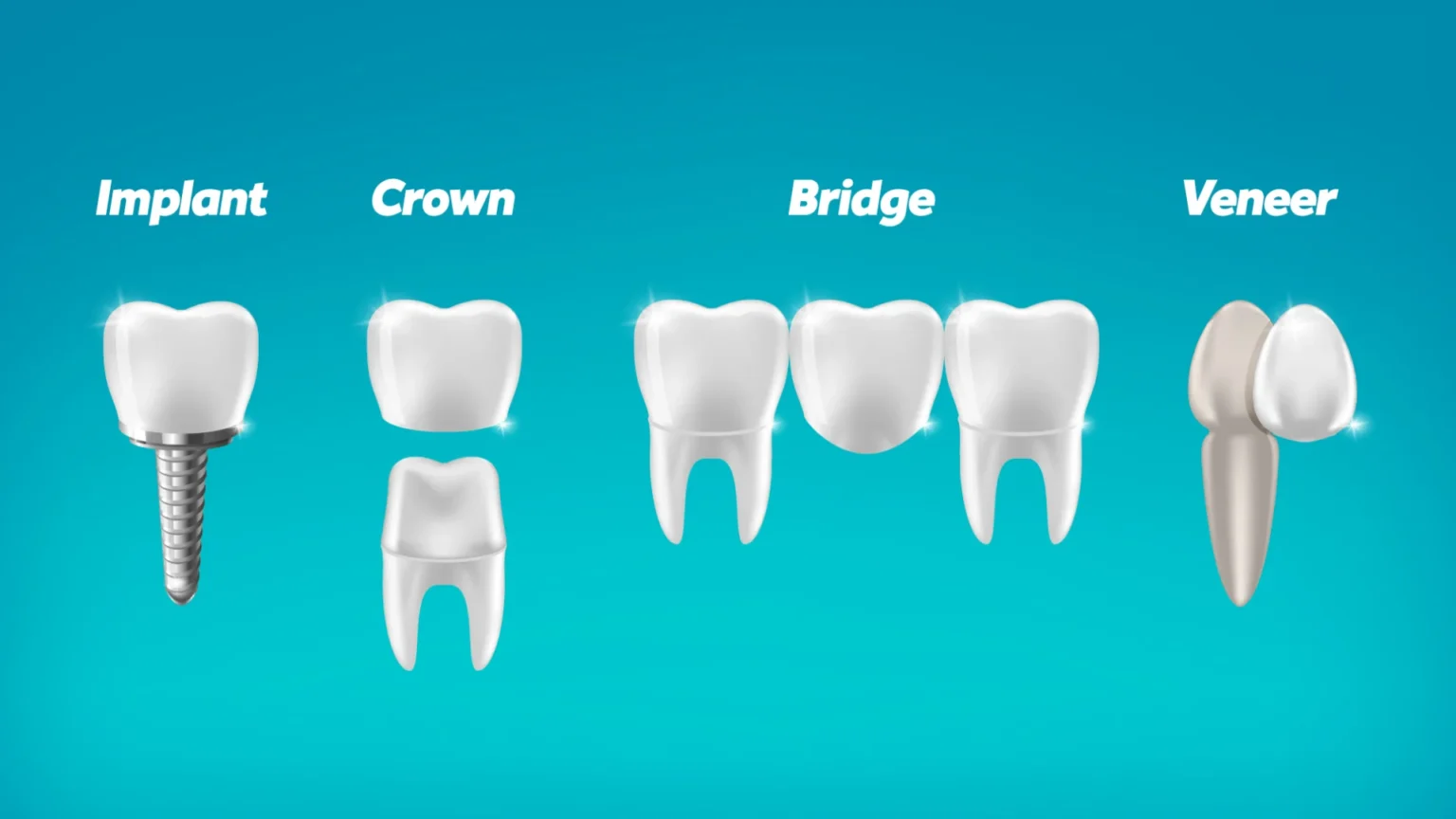
Let’s delve into NHS dental implants. NHS tooth implants are artificial tooth roots that are surgically placed in the jawbone to provide a stable foundation for replacement teeth. They are designed to mimic the function and appearance of natural teeth, offering a long-term solution for missing teeth.
Are dental implants available on the NHS?
It’s crucial to clarify that NHS implants are only available in exceptional cases. Typically, these are situations where tooth loss is the result of medical necessity, such as trauma, cancer treatment, or congenital conditions. Unfortunately, NHS implant treatment isn’t generally offered for cosmetic reasons. The NHS prioritizes treatments that restore essential function and health.
NHS vs Private Dental Implants: A Comparison
The primary differences between NHS and private dental implants lie in eligibility, cost, and waiting times. NHS implants are heavily restricted, while private implants are available to anyone who is medically suitable, provided they can cover the cost. Other key differences include:
- Eligibility: NHS implants are primarily for medical necessity. Private implants are available for anyone deemed suitable.
- Cost: NHS implants are free if eligible. Private implants can range from £2,000 to £4,000 per implant, depending on complexity and location.
- Waiting Times: NHS waiting lists can be very long. Private treatment can begin much sooner, sometimes within weeks.
- Quality and Choice: While NHS implants are functional, private options often provide a wider range of materials and technologies.
For many, the faster access and broader range of options make private dental implants the preferred choice. However, the cost can be a significant barrier, leading some to consider options like dental tourism.
If you’re considering traveling abroad for more affordable tooth replacement, check out our cost of dental implants in albania article for more information.
NHS Tooth Implants Eligibility Criteria
Who qualifies for NHS tooth implants?
To be considered for NHS implant eligibility, you typically need to meet stringent criteria related to medical necessity. This generally includes situations where tooth loss has occurred due to:
- Severe trauma resulting in significant tooth loss
- Surgical treatment for cancer affecting the mouth or jaw
- Congenital defects affecting tooth development
What medical conditions make you eligible for NHS implants?
Specific medical conditions that might qualify you for NHS implants include:
- Ectodermal dysplasia (a genetic disorder affecting tooth development)
- Osteogenesis imperfecta (brittle bone disease)
- Other rare genetic conditions impacting teeth
Can you get NHS implants for cosmetic reasons?
It’s important to emphasize that cosmetic cases are not covered. If you’re seeking implants primarily to improve the appearance of your smile, you’ll likely need to pursue private treatment options. The NHS operates on the principle of providing essential healthcare, and cosmetic procedures typically fall outside this remit.
The Role of Your Dentist and Specialist Referral
The process usually starts with your general dentist. They will assess your oral health and determine if your case warrants a referral to a specialist. This specialist, often a consultant oral surgeon or prosthodontist, will conduct a more thorough evaluation to confirm your eligibility for NHS-funded implants. Understand that even with a referral, approval isn’t guaranteed, and waiting lists can be extensive.
NHS Tooth Implants Cost and Charges
How much do NHS tooth implants cost?
The good news is that if you’re deemed eligible for NHS implant cost coverage, the implant treatment itself is free. However, eligibility is the key hurdle, as most patients will not qualify and will have to explore private options.
Are NHS implants free?
Yes, NHS implants are free if eligible. The NHS operates on a banding system for dental charges. While the implant treatment itself is covered, you may still need to pay for other associated dental work within the NHS charge bands.
Understanding NHS Dental Charge Bands
Here’s a breakdown of the NHS dental charge bands as of 2024. Keep in mind that charges are subject to change:
- Band 1 (£26.80): This covers examinations, diagnosis, advice, and preventative care, such as fluoride varnish.
- Band 2 (£73.50): This includes everything covered in Band 1, plus fillings, root canal treatment, and extractions.
- Band 3 (£319.10): This covers everything in Bands 1 and 2, plus more complex procedures like crowns, dentures, and bridges.
It’s worth noting that even if you’re eligible for free NHS implants, other procedures related to your overall dental health might fall under these charge bands. Review your NHS options with our can NHS pay for my dental implants article.
NHS Costs vs Private Dental Implant Prices
The contrast between NHS and private dental implant prices is stark. While NHS implants are free for eligible patients, private implants can be a substantial investment. Here’s a general comparison:
- NHS: Free (if eligible)
- Private (Single Implant): £2,000 – £4,000
- Private (All-on-4): £8,000 – £15,000 per arch
The higher cost of private implants reflects factors like: faster treatment times, wider choice of materials, advanced technologies, and more personalized care. Given the limited availability of NHS implants, many people explore other options, including traveling abroad for dental treatment.
NHS Tooth Implants Alternatives
What alternatives to NHS tooth implants are available?
If you’re not eligible for NHS implants, several NHS alternatives to implants exist. These include dentures, bridges, and crowns. The NHS typically offers these options to restore basic dental function.
Are NHS dentures or bridges better than implants?
This depends on your individual needs and circumstances. Here’s a brief comparison:
- Dentures: Removable appliances that replace multiple missing teeth. They are a more affordable option but can be less stable and require more maintenance.
- Bridges: Fixed appliances that bridge the gap between missing teeth using adjacent teeth for support. They are more stable than dentures but require altering healthy teeth.
- Implants: Permanent replacements that fuse with the jawbone, offering superior stability and longevity but at a higher cost.
Can NHS provide partial or full dentures?
Yes, the NHS can provide both partial and full dentures. Partial dentures replace some missing teeth, while full dentures replace an entire arch of teeth. The NHS will assess your needs and recommend the most suitable type of denture. For more information about dentures and what the three types of dentures are, check out our recent post about three types of dentures.
When NHS May Recommend Alternatives Over Implants
The NHS may recommend alternatives over implants due to factors such as:
- Medical conditions that make implant surgery risky
- Insufficient bone density to support implants
- Financial constraints (as NHS implants are limited)
How to Get NHS Tooth Implants
How do I apply for NHS tooth implants?
The process of trying to acquire how to get NHS implants can be lengthy and involve several steps. Here’s a step-by-step guide:
- Register with an NHS Dentist: If you don’t already have one, find an NHS dentist accepting new patients.
- Initial Assessment: Your dentist will assess your oral health and determine if a referral for implants is necessary.
- Specialist Referral: If deemed appropriate, your dentist will refer you to a consultant oral surgeon or prosthodontist.
- Specialist Assessment: The specialist will evaluate your eligibility for NHS-funded implants.
- Waiting List: If approved, you’ll be placed on a waiting list for treatment.
What is the NHS implant referral process?
The NHS implant referral process typically involves your dentist sending a referral letter to a specialist, along with your dental records and any relevant medical history. The specialist will then contact you to schedule an assessment.
How long does it take to get NHS implants?
Due to high demand and limited resources, how long it takes to get NHS implants can vary significantly. Waiting times can range from several months to several years. It’s important to be prepared for a potentially long wait.
Tips for Speeding Up the Process
Unfortunately, speeding up the NHS process is difficult. However, you can:
- Ensure all your medical records are readily available.
- Attend all appointments promptly.
- Maintain excellent oral hygiene to prevent further complications.
NHS Tooth Implants vs Private Implants
What’s the difference between NHS and private dental implants?
The NHS vs private implants comparison is a crucial one for anyone considering tooth replacement. The key differences lie in eligibility, cost, waiting times, and the range of options available.
Are private implants better than NHS implants?
In some respects, private implants can be considered “better” due to:
- Faster Access: Private treatment eliminates lengthy waiting lists.
- Wider Choice: Private clinics offer a greater selection of implant materials and technologies.
- Personalized Care: Private dentists often provide more individualized attention and treatment planning.
How much do private implants cost in the UK?
Private dental implant costs in the UK can vary widely depending on the location, the complexity of the case, and the type of implant used. Here’s a general cost breakdown:
- Single Implant: £2,000 – £4,000
- All-on-4 (per arch): £8,000 – £15,000
- Full Mouth Implants: £15,000 – £30,000
You may save on the cost of NHS dental implants by exploring options in our recent blog post “The Most Common Cosmetic Dentistry Procedures”. However, understand how much dental work can cost on the NHS.
If you’re seeking more affordable options without compromising on quality, consider exploring dental tourism in Albania with Albania Dental Implants. We offer a range of implant solutions at significantly lower prices than in the UK, without sacrificing quality or expertise. You can find more information about our services here: Albania Dental Implants.
Frequently Asked Questions (FAQs)
Can I get NHS implants for missing teeth?
Whether can I get NHS implants for missing teeth comes down to the circumstances of your tooth loss. NHS implants are primarily reserved for cases of medical necessity, such as trauma, cancer treatment, or congenital conditions. If your tooth loss is due to decay, gum disease, or simply wanting a cosmetic improvement, you’ll likely need to explore private options.
Are NHS implants available for all ages?
There are no strict age limits for NHS implants, but several factors related to age can influence eligibility. For younger patients, bone growth needs to be complete before implants can be considered. For older patients, overall health and suitability for surgery become more important considerations.
What happens if I’m not eligible for NHS implants?
If you are not eligible for NHS implants, there are alternative NHS tooth replacement plans available. Consider the pros and cons of bridges vs dentures when comparing against teeth implants.
How long do NHS implants last?
The longevity of how long do NHS implants last depends on several factors, including implant quality, oral hygiene, and lifestyle. With proper care, dental implants can last for many years, even a lifetime. Regular dental check-ups and meticulous oral hygiene are crucial for maintaining their long-term success. The exact longevity of dental implants will depend on your personal situation. To get a better understanding of this, check out our article about how long dental implants last.
Can I switch from NHS to private implants?
Yes, you can switch from NHS to private implants at any point in the process. If you’re on an NHS waiting list and want faster treatment, you can opt to pursue private treatment instead. Keep in mind that you’ll need to cover the full cost of private implants yourself.
Competitor Analysis & How We Outperform
Several websites provide information about NHS tooth implants. These are some of our competitors:
- NHS.uk official page on dental implants
- Dental Compare: “NHS vs Private Dental Implants”
- Dentaly: “NHS Dental Implants: What You Need to Know”
- Dentist.net: “Are Dental Implants Available on the NHS?”
- Bupa Dental Care: “NHS Dental Implants Guide”
How We Outperform the Competition
While these sites provide some useful information, our guide surpasses them in several ways:
- Up-to-Date Eligibility Info: We provide the most current and accurate details on NHS implant eligibility criteria.
- Comprehensive Cost Breakdowns: Our guide offers a detailed breakdown of NHS dental charge bands and a clear comparison with private implant costs.
- In-Depth FAQ Coverage: We answer a wider range of frequently asked questions, providing more complete information to readers.
- UK-Focused Approach: Our content is specifically tailored to the needs and concerns of UK residents seeking NHS tooth implants.
Our commitment to providing comprehensive, accurate, and reader-friendly information sets us apart from the competition. We aim to be the definitive resource for anyone in the UK considering NHS tooth implants.
Conclusion
In conclusion, NHS tooth implants are a rare and valuable resource, primarily reserved for cases of medical necessity. While they offer a cost-effective solution for those who qualify, most people will need to explore private treatment options. Understanding the eligibility criteria, costs, and alternatives is crucial for making informed decisions about your dental health.
Ready to explore your options? Book a consultation with your NHS dentist today or compare private implant providers for faster treatment. And, if you’re looking for a more affordable way to get your smile back, take a look at Albania Dental Implants!





