



Teeth Implantation: A Permanent, Natural-Looking Solution
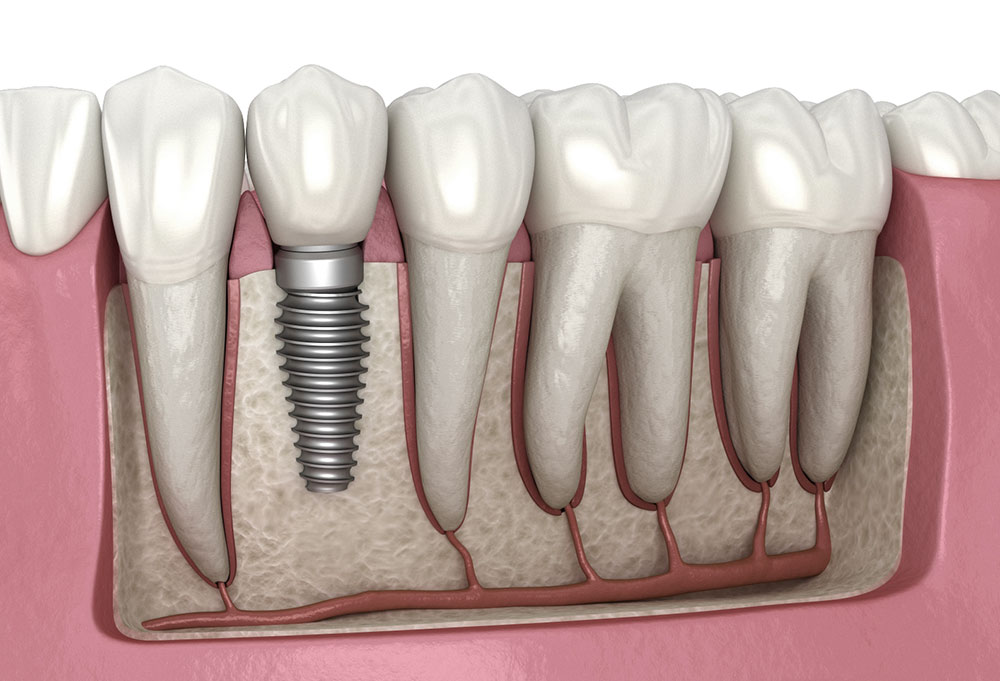
Is a missing tooth affecting your smile and confidence? You may be asking, “What is a dental implant tooth?” A dental implant is a permanent tooth-replacement option that involves surgically placing an artificial titanium root into the jawbone. This root supports a custom crown, creating a stable, strong, and natural-looking result.
At Albania Dental Implants, we deliver high-quality, affordable implant care while offering the added convenience of dental tourism in Albania.
What Is Teeth Implantation?
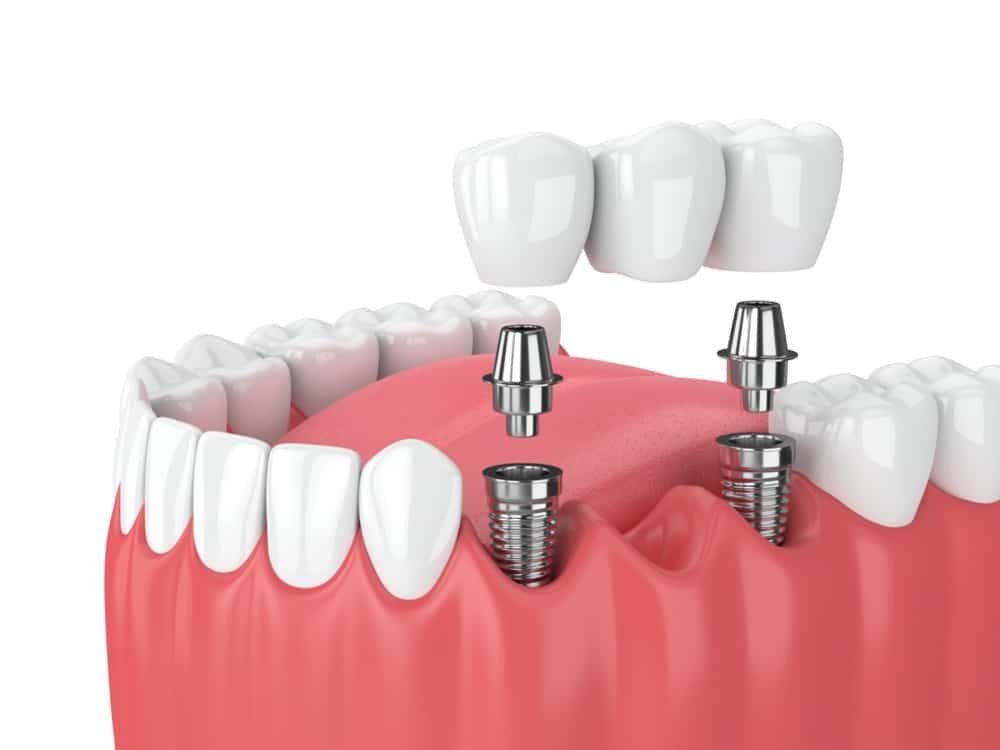
Dental implants are artificial tooth roots—most commonly titanium—placed into the jawbone to support a crown, bridge, or denture. Compared with traditional dentures or bridges, implants provide superior stability, durability, and aesthetics.
We use modern surgical protocols and premium, CE-marked materials to achieve predictable, long-lasting results.
The Role of Dental Implants in Modern Dentistry
Implants have transformed tooth replacement. Because they anchor directly in the bone, they feel secure, prevent bone resorption, and reduce the need for frequent adjustments. For patients seeking a reliable, permanent solution, implants are often the best choice.
Overview of the Teeth Implantation Process
- Consultation & Planning: Oral exam, X-rays, and 3D scan to confirm candidacy and plan your case.
- Implant Placement: The titanium post is inserted into the jawbone under local anaesthesia (sedation available).
- Healing & Osseointegration: Over several months, the bone fuses to the implant, forming a stable foundation.
- Final Restoration: An abutment is attached and a custom crown is fitted for a seamless, functional smile.
With proper care, implants can last decades—often a lifetime.
Types of Dental Implants Offered at Albania Dental Implants
We tailor treatment to each patient, providing solutions that match your anatomy, goals, and budget.
Endosteal vs Subperiosteal Implants
- Endosteal implants (most common): placed directly into the jawbone—ideal with sufficient bone volume.
- Subperiosteal implants: positioned on top of the bone, under the gum—considered when bone is inadequate for endosteal placement.
Mini Implants (Less Invasive)
Mini implants have a smaller diameter and can be an excellent option for stabilising dentures or where bone is limited. They often allow shorter procedures and faster recovery while improving denture retention.
The Teeth Implantation Procedure: Step by Step
Consultation, Surgery, Healing, Crown Placement
After a comprehensive assessment, your implant is placed with precision. Following healing (osseointegration), an abutment and custom crown complete your restoration. Throughout, our team coordinates each step for comfort and efficiency.
Anaesthesia & Advanced Imaging
Local anaesthesia is standard; conscious sedation can be arranged for anxious patients. We use digital X-rays and CT/CBCT scans to plan implant position, angulation, and depth with accuracy—supporting safe surgery and excellent results.
Cost of Teeth Implants in the UK vs Albania
Implant pricing varies by case complexity, materials, and location. We provide European-standard care at a fraction of typical UK fees.
Typical UK Price Ranges
- Single Tooth Implant (implant + abutment + crown): £2,000–£4,000+
- All-on-4 (per arch): £8,000–£15,000+
- Full-Mouth Implants: £15,000–£30,000+
What Influences Cost?
- Implant type and number of fixtures
- Additional procedures (bone grafting, sinus lift)
- Laboratory materials (e.g., zirconia vs porcelain-fused-to-metal)
- Clinician expertise and technology
Choosing Albania Dental Implants means access to top-tier care at reduced cost—without compromising quality.
Financing & Insurance
Many clinics offer staged payments or third-party finance. Insurance coverage varies—confirm with your provider. For cost-effective, high-quality care, consider our dental tourism in Albania packages.
Benefits and Risks of Teeth Implantation
Key Benefits
- Natural aesthetics and feel
- Stable chewing function—no slipping
- Prevents bone loss and preserves facial structure
- Protects adjacent teeth (no grinding as with bridges)
Potential Risks (Rare)
- Infection at the surgical site
- Nerve irritation
- Sinus involvement (upper jaw)
- Failure of osseointegration
We minimise risks through stringent protocols, careful case selection, and clear aftercare guidance.
Recovery and Aftercare
Immediately After Surgery
- Pain and swelling control with prescribed medication
- Soft diet for several days
- Antimicrobial rinses as directed
Long-Term Maintenance
- Brush twice daily with a soft brush and non-abrasive toothpaste
- Floss or use interdental brushes around implants
- Attend regular check-ups and professional cleanings
- Avoid smoking; use a night guard if you grind
Alternatives to Teeth Implantation
Depending on your goals and anatomy, you may consider:
- Dental bridges: Fixed, but require preparing adjacent teeth
- Dentures/partials: Removable, more economical but less stable
We’ll explain pros and cons so you can make an informed choice.
Choosing a Teeth Implantation Clinic (UK vs Albania)
What to Look For
- Surgeon qualifications and implant experience
- Digital planning and in-house lab capabilities
- Transparent pricing and detailed treatment plans
- Verified reviews and before/after cases
For UK Patients Considering Albania
Evaluate total costs (treatment + travel), clinic accreditation, and support services. We offer comprehensive packages with accommodation and transfers for a seamless experience.
Longevity and Success Rates
With good hygiene and regular maintenance, implants boast 10-year success rates of 90–95% and can last decades.
Factors That Influence Longevity
- Meticulous oral hygiene and regular reviews
- Non-smoking lifestyle
- Systemic health and bite forces (wear a night guard if needed)
Frequently Asked Questions
What is teeth implantation and who qualifies?
A surgical procedure that replaces missing teeth with implants. Ideal candidates have good general/oral health and sufficient bone, or can be grafted if necessary.
How is the procedure performed?
Assessment and planning → implant placement → healing/osseointegration → abutment and crown.
Which implant types are available?
Endosteal and subperiosteal, plus mini implants for specific indications.
How much does it cost in the UK?
Single implants: £2,000–£4,000+; full-mouth solutions: £15,000–£30,000+. Albania offers comparable quality at significantly lower prices.
What are the main benefits over bridges/dentures?
Superior stability, bone preservation, natural look/feel, and long-term value.
What are common risks?
Infection, nerve irritation, sinus issues, or lack of integration—rare with proper planning and aftercare.
How long is recovery?
Initial recovery: a few days to a week; full osseointegration: several months. Temporary teeth maintain appearance during healing.
How long do implants last?
With excellent maintenance, many last a lifetime.
Restore Your Smile with Albania Dental Implants
Missing teeth don’t have to define your smile. Teeth implantation offers a permanent, natural-looking solution that restores function and confidence—often at a fraction of UK pricing.
Start with a friendly consultation today:





