



Teeth Implants NHS – Your Complete Guide to NHS Dental Implants
Teeth implants NHS options are available to certain patients in the UK, but access, costs, and eligibility can be complex to navigate. This comprehensive guide will explain everything you need to know about accessing teeth implants through the NHS, including eligibility criteria, costs, waiting times, and comparing your options with private treatment, potentially with dental tourism in Albania.
1. Introduction: What Are Teeth Implants on the NHS?
NHS dental implants
Many people seeking a permanent solution for missing teeth are curious about NHS dental implants. It’s essential to understand what a dental implant is and how the NHS approaches this treatment.
What is a dental implant?
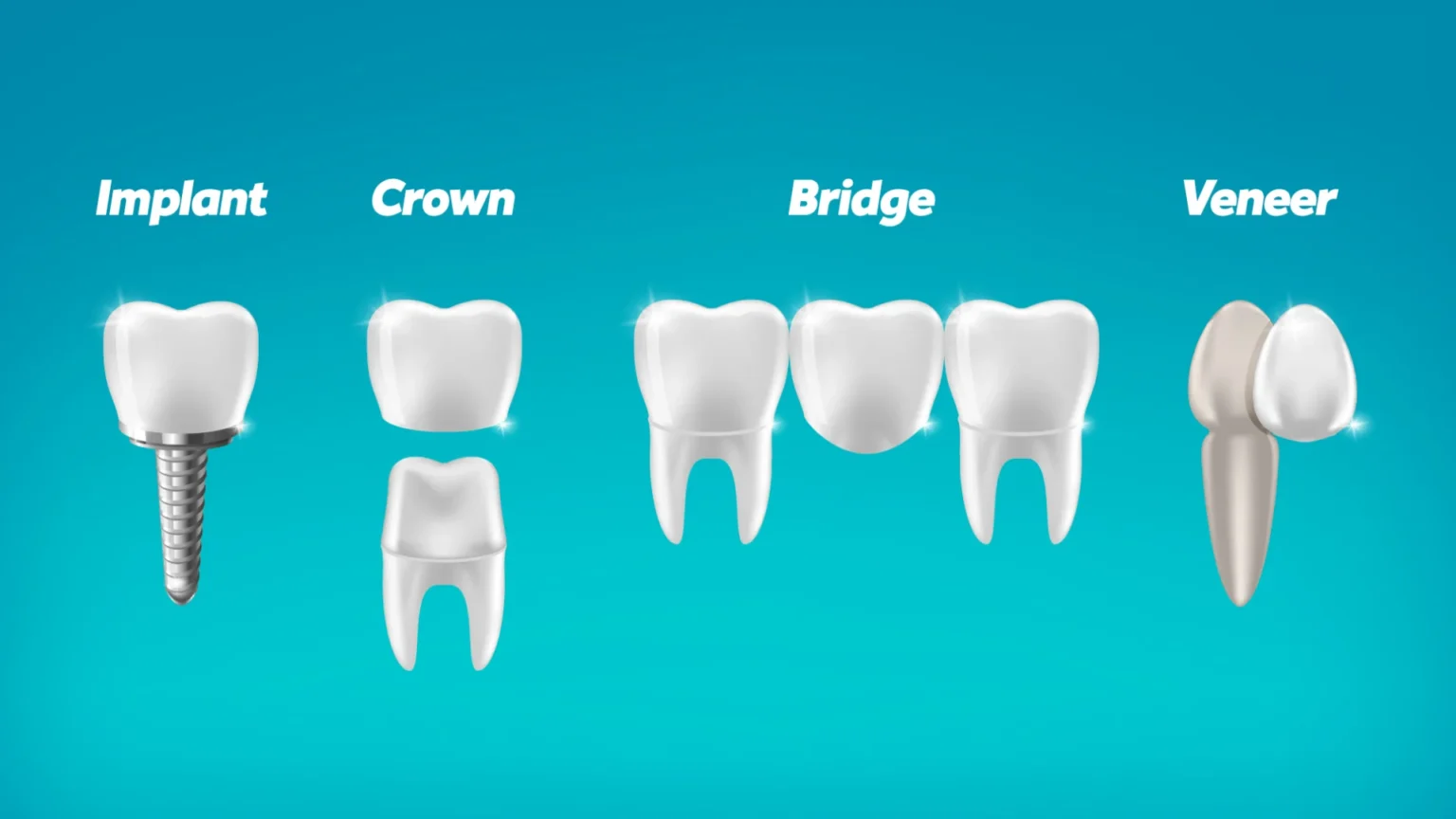
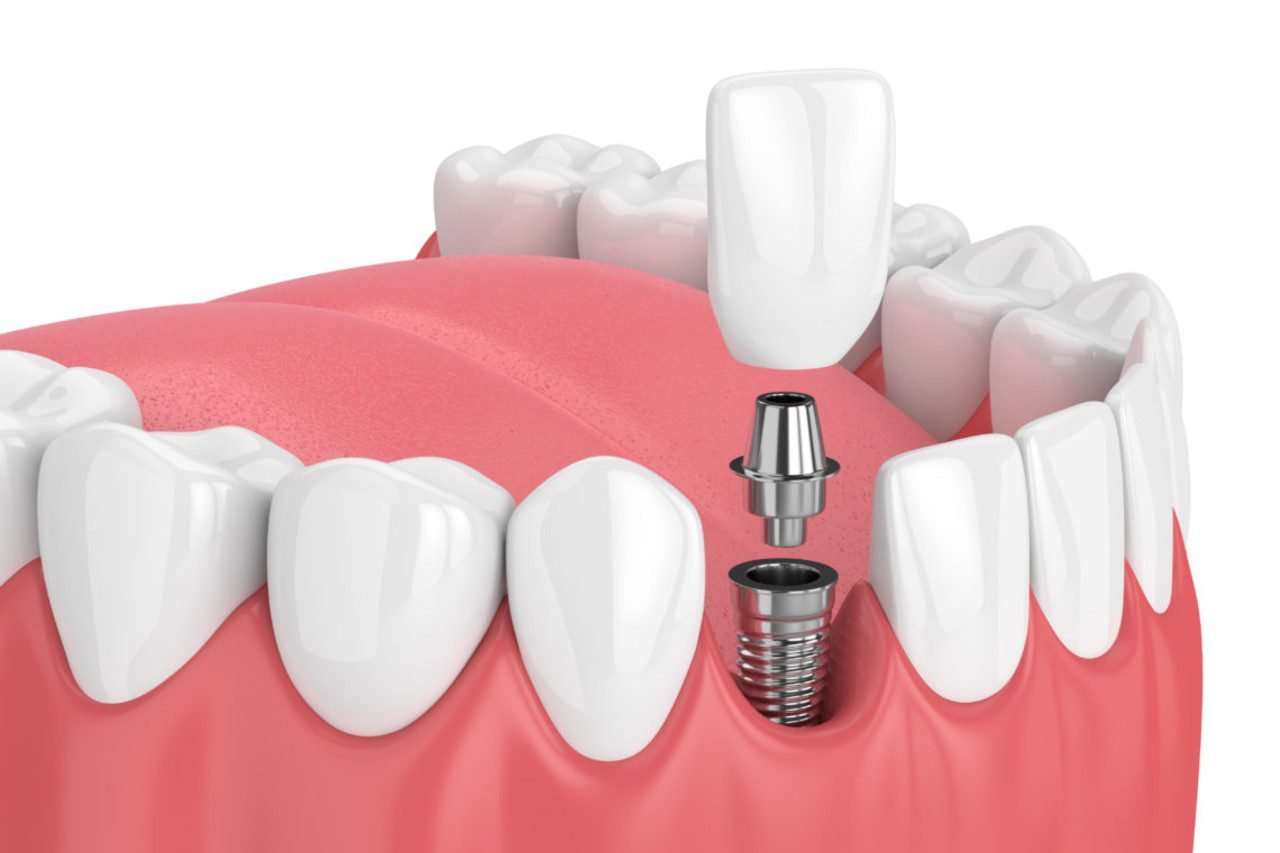
A dental implant is a small titanium screw that is surgically inserted into the jawbone to act as a replacement for the root of a missing tooth. Once the implant has fused with the bone, a replacement tooth (crown) is attached to it. Dental implants are considered a long-term solution for missing teeth because they are strong, stable, and look and feel like natural teeth. Dental implants can improve your smile and oral health, but are they accessible via the NHS?
Who provides dental implants in the UK?
Dental implants in the UK are primarily provided by two sectors: private dental clinics and the National Health Service (NHS). Private clinics offer a wide range of implant options and are often more readily accessible. However, the NHS also provides dental implants under specific circumstances, which we will explore further in this guide.
Difference between private and NHS dental implants
The main differences between private and NHS dental implants lie in accessibility, cost, and treatment options. Private dental implants typically offer shorter waiting times and a wider selection of implant types. However, they come at a higher cost. NHS dental implants are more affordable, but eligibility is limited, and waiting times can be longer. If NHS isn’t an option, consider Albania Dental Implants Services.
2. Who Is Eligible for Teeth Implants on the NHS?
dental implant eligibility NHS
Not everyone is eligible for teeth implants on the NHS. The NHS has strict criteria that patients must meet to qualify for this treatment. Understanding these criteria is crucial for determining whether you may be eligible.
NHS criteria for dental implants
The NHS primarily provides dental implants only when there is a clear medical need. This means that the primary reason for needing implants is not cosmetic. Some common medical reasons that may qualify a patient for NHS dental implants include:
- Trauma resulting in tooth loss
- Congenital absence of teeth (hypodontia)
- The need to support facial structures after cancer surgery
Even if you meet one of these criteria, approval is not guaranteed. The NHS will assess each case individually to determine if dental implants are the most appropriate treatment option.
Medical vs cosmetic eligibility
The NHS prioritizes medical necessity over cosmetic desires. If the main reason for wanting dental implants is to improve your smile’s appearance, it is unlikely that you will be eligible for NHS treatment. The NHS focuses on cases where tooth loss significantly impacts a patient’s health, function, or quality of life.
Conditions that may qualify for NHS implants
While eligibility is assessed on a case-by-case basis, certain conditions may increase your chances of qualifying for NHS implants:
- Significant functional impairment due to tooth loss
- Difficulty eating or speaking
- Psychological distress caused by severe tooth loss or facial disfigurement
- When implants are required to secure a prosthesis after extensive oral surgery
If you believe you have a condition that qualifies you for NHS implants, it is essential to discuss this with your dentist.
3. NHS vs Private Dental Implants: Key Differences
dental implants on NHS vs private
When considering dental implants, understanding the key differences between NHS and private options is crucial. These differences can impact your treatment experience, cost, and overall outcome.
Treatment accessibility
One of the most significant differences is treatment accessibility. Private dental clinics typically have shorter waiting times and more flexible appointment scheduling. NHS dental implants are subject to longer waiting lists and may not be available in all areas. Additionally, private clinics often offer a wider range of services and implant options compared to the NHS.
Cost comparison
Cost is a major consideration for many patients. NHS dental implants are significantly more affordable than private options. NHS dental charges are divided into bands, and the cost of implants would fall under the highest band, which includes complex treatments. However, the limited availability and strict eligibility criteria can make private dental implants a more accessible option for some, although potentially more expensive, depending on their individual situation. Or exploring options for dental implants in Albania with Albania Dental Implants.
Wait time variation
Waiting times for NHS dental implants can vary significantly depending on your location and the specific circumstances of your case. In some areas, waiting lists can be several months or even years long. Private clinics generally offer much shorter waiting times, allowing you to receive treatment more quickly.
Pros and cons
Here’s a quick overview of the pros and cons of NHS vs. private dental implants:
NHS Dental Implants
Pros:
- More affordable
Cons:
- Limited availability
- Strict eligibility criteria
- Longer waiting times
- Fewer treatment options
Private Dental Implants
Pros:
- Greater accessibility
- Shorter waiting times
- Wider range of treatment options
- More flexible appointment scheduling
Cons:
- Higher cost
4. How Much Do NHS Teeth Implants Cost?
cost of dental implants NHS
Understanding the cost of NHS teeth implants is essential for budgeting and planning your treatment. The NHS dental charges are structured into bands, with each band covering different types of treatment.
NHS dental charges and bands
The NHS dental charges are divided into three main bands:
- Band 1: This covers examinations, diagnosis, and preventative care, such as scaling and polishing.
- Band 2: This covers everything in Band 1, plus additional treatments like fillings, root canal treatment, and extractions.
- Band 3: This covers everything in Bands 1 and 2, plus more complex procedures such as crowns, dentures, and bridges.
Dental implants typically fall under Band 3 because they are considered a complex and advanced treatment.
What is covered and what is not
Under Band 3, the NHS covers the cost of the dental implant procedure itself, as well as the replacement tooth (crown) that is attached to the implant. However, there may be additional costs for consultations, x-rays, and other preliminary procedures. It is essential to discuss the full cost of treatment with your dentist before proceeding.
Cost example scenarios
To give you an idea of potential costs, here are a couple of hypothetical scenarios:
- Scenario 1: A patient requires a single dental implant due to trauma. The total cost, including consultations, x-rays, and the implant procedure, falls under Band 3.
- Scenario 2: A patient requires multiple dental implants to support a bridge. The total cost, including all necessary procedures and the bridge, falls under Band 3.
These are just examples, and the actual cost may vary depending on your individual circumstances.
5. How to Apply for Dental Implants on the NHS
how to get dental implants on NHS, NHS dental implant criteria
If you believe you are eligible for dental implants on the NHS, it’s important to understand the application process. This process involves several steps, including assessment, referrals, and approval.
Step-by-step application process
Here’s a step-by-step guide to applying for dental implants on the NHS:
- Consultation with your dentist: The first step is to discuss your tooth loss with your dentist. They will assess your oral health and determine if dental implants are a suitable treatment option.
- Referral to a specialist: If your dentist believes you may be eligible for NHS implants, they will refer you to a specialist for further evaluation.
- Assessment by the specialist: The specialist will assess your medical history, conduct a thorough examination, and take x-rays to determine if you meet the NHS criteria for dental implants.
- Application for funding: If the specialist believes you are eligible, they will help you apply for funding from the NHS.
- Approval by the NHS: The NHS will review your application and make a decision based on your medical need and available resources.
Required documents and referrals
When applying for dental implants on the NHS, you will typically need to provide the following documents:
- Referral letter from your dentist
- Medical history
- X-rays and other diagnostic images
- Any other relevant medical records
Assessment and approval by NHS
The NHS assessment process is thorough and can take some time. The NHS will consider your medical need, the impact of tooth loss on your quality of life, and the availability of resources before making a decision. If your application is approved, you will be placed on a waiting list for treatment. If your application is denied, you may have the option to appeal the decision or explore alternative treatment options.
6. Waiting Times for NHS Dental Implants
dental implant waiting times NHS
One of the most significant challenges with NHS dental implants is the waiting time. Understanding the factors that influence waiting times can help you manage your expectations.
National guidelines
The NHS does not have specific national guidelines for dental implant waiting times. However, patients have the right to start consultant-led treatment within a maximum of 18 weeks from referral. In practice, dental implant waiting times often exceed this guideline due to high demand and limited resources.
Regional variations
Waiting times for NHS dental implants can vary significantly depending on your location. Some areas have shorter waiting lists than others due to differences in funding and the availability of specialists. It is essential to check with your dentist or local NHS authority to get an accurate estimate of waiting times in your area.
Managing expectations
Given the potential for long waiting times, it is crucial to manage your expectations. Here are some tips for coping with the waiting period:
- Discuss alternative treatment options with your dentist, such as dentures or bridges.
- Maintain good oral hygiene to prevent further tooth loss or complications.
- Explore private dental implant options if you cannot afford to wait.
If the NHS waiting times are too long, remember you can always explore cost of dental implants in Albania with Albania Dental Implants.
7. The NHS Dental Implant Procedure Explained
NHS dental implant procedure
Knowing what to expect during the dental implant procedure can help ease anxiety and prepare you for treatment. The NHS dental implant procedure typically involves several stages.
Initial consultation
The first step is an initial consultation with the specialist. During this consultation, the specialist will assess your oral health, review your medical history, and discuss your treatment goals. They will also take x-rays and other diagnostic images to determine if you are a suitable candidate for dental implants.
Surgery process
The dental implant surgery involves surgically inserting the titanium implant into your jawbone. This procedure is typically performed under local anesthesia. The surgeon will make a small incision in your gum to expose the bone, then drill a small hole to insert the implant. The gum is then stitched back together, and the implant is left to heal.
Recovery and aftercare
After the surgery, it is essential to follow your dentist’s instructions for recovery and aftercare. This may include:
- Taking pain medication to manage discomfort
- Using an antibacterial mouthwash to prevent infection
- Eating soft foods to avoid putting pressure on the implant site
- Attending follow-up appointments to monitor healing
Success rates
Dental implants have a high success rate, with most implants lasting for many years. However, success depends on several factors, including your oral hygiene, overall health, and adherence to aftercare instructions. Regular check-ups and good oral hygiene are essential for maintaining the long-term health of your dental implants.
8. Alternatives If You’re Not Eligible for NHS Implants
alternatives to NHS dental implants
If you are not eligible for NHS implants or cannot afford to wait, several alternative treatment options are available.
Private dental implant options
Private dental clinics offer a wide range of implant options, including single implants, multiple implants, and full-mouth restoration. Private implants may be a more accessible option if you do not meet the NHS criteria. However, it is essential to research different clinics and compare costs to find the best option for your budget. Also, consider options for full mouth reconstruction in Albania.
Dental financing and grants (e.g., NHS dental grant scheme)
If you cannot afford the full cost of private dental implants upfront, several financing options and grants may be available. Some dental clinics offer payment plans, allowing you to spread the cost of treatment over time. Additionally, some charities and organizations offer grants to help people pay for dental care. While a direct NHS dental grant scheme for implants is rare, exploring charitable options or local community support may provide some assistance.
Dentures and bridges
Dentures and bridges are more traditional alternatives to dental implants. Dentures are removable appliances that replace missing teeth. Bridges are fixed appliances that attach to adjacent teeth to fill the gap left by a missing tooth. While dentures and bridges are less expensive than dental implants, they are not as stable or long-lasting. It’s important to weigh up whether is a dental bridge better than an implant for your case.
9. Frequently Asked Questions about Teeth Implants NHS
NHS free dental implants
Here are some frequently asked questions about teeth implants on the NHS:
Am I eligible for teeth implants on the NHS?
Eligibility is primarily based on medical necessity. If tooth loss severely impacts function, health, or causes significant distress (e.g., trauma, congenital absence), you might qualify. Cosmetic reasons are typically excluded. Your dentist can assess and refer you to a specialist for evaluation.
How much do NHS dental implants cost?
NHS dental implants fall under Band 3 charges, covering the implant procedure and the replacement tooth (crown). Contact your local NHS dental practice for specifics.
Who decides if I can get dental implants on the NHS?
A specialist assesses your case based on medical need, reviewing medical history, conducting exams, and analyzing x-rays. They then help you apply for NHS funding, with final approval determined by the NHS based on clinical need and available resources.
What is the waiting time for NHS dental implants?
Waiting times vary by region and the specifics of your case. While the NHS aims for treatment within 18 weeks of referral, dental implant waiting times can exceed this due to high demand.
Are NHS dental implants really free?
NHS dental implants are not “free,” but they are heavily subsidised, making them more affordable than private options. You will still need to pay the Band 3 charge, but this is significantly less than the cost of private implants.
What alternatives exist if I don’t qualify for NHS implants?
If NHS implants are not an option, consider private dental implants, dental financing or grants, dentures, and bridges. Each option has its pros and cons in terms of cost, durability, and aesthetics.
Are there grants or schemes to help fund dental implants in the UK?
Direct government grants specifically for dental implants are rare. However, explore charitable organizations, dental payment plans, and local community support for potential assistance. Also, how to afford dental implants in the UK.
How do NHS and private dental implants differ?
NHS dental implants are more affordable but have limited availability, longer waiting times, and stricter eligibility criteria. Private implants offer greater accessibility, shorter waiting times, and more treatment options, but at a higher cost.
What is the process for getting dental implants on the NHS?
The process involves consulting with your dentist, getting a referral to a specialist, undergoing assessment by the specialist, applying for NHS funding, and awaiting approval. If approved, you will be placed on a waiting list for treatment.
Can I appeal a rejection for NHS dental implants?
Yes, you typically have the option to appeal a rejection. Consult the NHS complaints procedure in your area for guidance. It’s crucial to gather additional supporting information from your dentist or specialist to strengthen your case.
Considering Dental Implants? Explore Your Options with Albania Dental Implants
While accessing teeth implants on the NHS can be challenging, remember that alternative solutions exist to restore your smile and confidence. At Albania Dental Implants, we offer high-quality, affordable dental implant services in Albania, combining expert care with the benefits of dental tourism.
If you’re seeking a permanent solution for missing teeth and want to explore your options beyond the NHS, contact us today for a free consultation. We can discuss your individual needs, assess your eligibility for dental implants, and provide you with a personalized treatment plan that fits your budget and timeline. Don’t let missing teeth hold you back – regain your smile and quality of life with Albania Dental Implants!





