


Teeth on NHS – Your Guide to Dental Treatments, Costs & Eligibility
Teeth on NHS can be treated, restored, or replaced with a range of NHS dental services, covering everything from routine check-ups to advanced restorative care.
Introduction
Navigating NHS dental care can be confusing. The National Health Service provides essential dental services in the UK, but understanding what’s included, who is eligible, and how much it costs is crucial. This guide will provide a comprehensive overview of NHS dental services, helping you make informed decisions about your oral health.
The NHS dental system aims to offer accessible dental treatment UK to all residents, with a focus on essential care rather than purely cosmetic procedures. However, finding an NHS dentist and understanding NHS charges can be challenging due to dentist shortages. If you find yourself facing extensive and costly dental work, exploring options like dental tourism in Albania with Albania Dental Implants might be a worthwhile consideration for more affordable solutions. We offer a range of services, including all on 4 dental implants in albania, performed by highly skilled professionals using state-of-the-art technology.
- Essential dental treatments available through the NHS.
- Challenges in accessing NHS dental services.
- Exploring options for affordable dental care abroad.
What Dental Services Does the NHS Provide?
What types of dental treatments are available on the NHS? The NHS offers a wide array of dental services, categorized into three main NHS dental treatment bands. This tiered system ensures coverage for everything from basic check-ups to more complex restorative work.
Band 1, 2, and 3 Treatments
The NHS dental services list includes treatments divided into three bands, each with a specific cost:
- Band 1: This covers a basic check-up, scale and polish (if clinically necessary), and preventative care like fluoride varnish.
- Band 2: Includes everything in Band 1, plus fillings, root canal treatment, and extractions.
- Band 3: This covers all treatments in Bands 1 and 2, as well as more complex procedures like crowns, dentures, and bridges.
Preventive care focuses on maintaining oral health and preventing future problems, while restorative care aims to repair or replace damaged teeth. Understanding the NHS coverage for dental work within these bands is vital for planning your dental care. It’s also crucial to understand what’s not covered; cosmetic treatments are generally excluded.
Are emergency dental services covered by the NHS?
Yes, emergency dental services are covered by the NHS, offering urgent care for issues like severe pain, swelling, or uncontrolled bleeding. However, it’s important to know that emergency treatment focuses on immediate relief and stabilization, with follow-up care potentially requiring additional charges.
NHS vs. Private Dental Care
The key differences between NHS and private dental care lie in the range of treatments offered, materials used, and waiting times. NHS care prioritizes essential treatments, often using standard materials, while private care offers a wider selection of options, including cosmetic procedures and advanced materials, with potentially shorter waiting times.
If you’re looking for options that extend beyond the NHS, consider that at Albania Dental Implants, we provide access to comprehensive and affordable dental solutions. We specialize in dental tourism, offering a cost-effective alternative without compromising on the quality of care.
NHS Dental Costs and Pricing Structure
How much do dental treatments cost on the NHS? The cost of dental treatment NHS is determined by the band your treatment falls into. Understanding these charges is essential for budgeting your dental care. The NHS dentist prices are standardized, ensuring transparency across different practices.
Explanation of Band 1, 2, and 3 Costs
The NHS dental charge bands determine how much you’ll pay for a course of treatment. As of 2024, the charges are:
- Band 1: £26.80 – Covers check-ups, advice, and preventative care.
- Band 2: £73.50 – Includes everything in Band 1, plus fillings, root canals, and extractions.
- Band 3: £319.10 – Covers all treatments in Bands 1 and 2, as well as crowns, dentures, and bridges.
Each charge covers a complete course of treatment, even if multiple appointments are needed. However, additional costs to be aware of might include referrals to specialists or treatments not covered within the standard NHS framework.
Who qualifies for free NHS dental care?
Certain groups are exempt from paying NHS dental charges. Exemptions include:
- Children under 18.
- Pregnant women and those who have had a baby in the past 12 months.
- Individuals receiving certain benefits, such as Income Support, income-based Jobseeker’s Allowance, or income-related Employment and Support Allowance.
- Those entitled to or named on a valid NHS tax credit exemption certificate.
Understanding the specific criteria for these exemptions can help ensure you receive the free dental care you’re entitled to. If you’re not eligible for free care and find the NHS costs challenging, consider exploring affordable options with Albania Dental Implants. Our cost of dental implants in albania and other treatments are significantly lower than in the UK, without sacrificing quality.
Who Is Eligible for NHS Dental Treatment?
Who can access NHS dental services? Eligibility for NHS dental treatment is generally based on residency in the UK. To access NHS dental care, you typically need to be ordinarily resident in the UK, meaning you live in the UK legally and intend to stay for the foreseeable future.
Eligibility Criteria
The NHS dental eligibility criteria include:
- Being a resident of the UK.
- Having a valid NHS number (if applicable).
- Meeting specific criteria related to age, benefits, or pregnancy (for exemptions).
Non-UK residents can get NHS dental treatment if they are legally residing in the UK, though the rules can be complex and may require proof of residency.
How do I register with an NHS dentist?
The NHS dentist registration process involves finding a dental practice accepting new NHS patients. You can find an NHS dentist accepting new patients through the NHS website or by contacting NHS England directly. Once you find a practice, you’ll need to complete a registration form and provide any necessary documentation. Addressing access challenges can be frustrating, but persistence and thorough research are key to finding a dentist.
For individuals facing limited access to NHS dentists or seeking specialized treatments, consider options such as traveling abroad for dental care. Albania Dental Implants offers affordable, high-quality dental services, providing an excellent alternative to the often lengthy and costly procedures in the UK. We’re dedicated to helping you achieve a healthy and confident smile.
What to Expect During an NHS Dental Appointment
What happens during a routine NHS dental check-up? A routine NHS dental check-up typically involves a thorough examination of your teeth and gums. The dentist will look for signs of decay, gum disease, and other oral health issues. This NHS dental check up is designed to identify potential problems early and provide appropriate advice and treatment.
Step-by-Step of the Appointment
During the appointment, you can expect the following steps:
- Review of your medical history.
- Examination of your teeth and gums.
- Assessment of your bite and jaw.
- Discussion of any findings and treatment options.
Your dentist might also take X-rays to get a better view of your teeth and bone structure. X-rays are only taken when clinically necessary to aid in diagnosis.
What documentation do I need?
The documentation you need for an NHS dental appointment is minimal, but it’s useful to bring:
- Your NHS number (if known).
- Proof of any exemption from charges (if applicable).
You might also be asked to complete an NHS dental form providing details about your medical history and contact information.
Are X-rays and hygiene treatments included?
Standard treatments covered during a routine NHS dental appointment include examinations, advice, and basic preventative care. X-rays and hygiene treatments are included if the dentist deems them clinically necessary. It’s important to note that some treatments, such as cosmetic procedures, are not typically covered by the NHS.
If you’re seeking more comprehensive treatments or cosmetic enhancements, options like dental tourism with Albania Dental Implants could be a valuable consideration. We provide a range of dental services that combine high-quality care with affordable prices, giving you access to treatments beyond what the NHS offers.
Common Issues with NHS Dental Access & How to Address Them
Why is it hard to find an NHS dentist? Accessing NHS dental services can be challenging due to several factors, including NHS dentist shortages and increasing demand. Many practices are at capacity and unable to accept new NHS patients, leading to longer waiting times NHS dentist.
Addressing Access Challenges
To address these challenges, consider the following steps:
- Use the NHS online search to find dentists in your area.
- Contact NHS England directly to inquire about available practices.
- Consider using the 111 service dentist for urgent dental care.
Persistence is key, as finding a dentist accepting new NHS patients can take time and effort.
What can you do if you can’t access an NHS dentist?
If you’re struggling to find an NHS dentist, alternative options include:
- Seeking private dental care.
- Contacting dental charities for potential assistance.
- Considering dental tourism for more affordable treatment abroad.
While private care can be more expensive, it offers greater availability and a wider range of treatments.
How do you make a complaint about NHS dental services?
If you’re dissatisfied with NHS dental services, you have the right to make a complaint. The complaints process typically involves:
- Contacting the dental practice directly to discuss your concerns.
- Submitting a formal written complaint to the practice.
- If unresolved, contacting NHS England to escalate the complaint.
For individuals who may find dental care too expensive to access within the UK and for those who might be considering making a complaint, exploring more budget-friendly dental solutions available with Albania Dental Implants may be an appealing alternative. Also, dental tourism in Albania is more accessible than you may think and you will be dealing with highly qualified professional personnel.
Teeth Replacement on the NHS – Crowns, Bridges, Dentures & Implants
What are the NHS options for missing teeth? The NHS provides several options for replacing missing teeth, including NHS dentures, bridges, and crowns. The availability of each option depends on clinical necessity and the dentist’s assessment.
Coverage for Tooth Replacement Solutions
The NHS covers tooth replacement solutions to restore essential function and aesthetics. The specific options include:
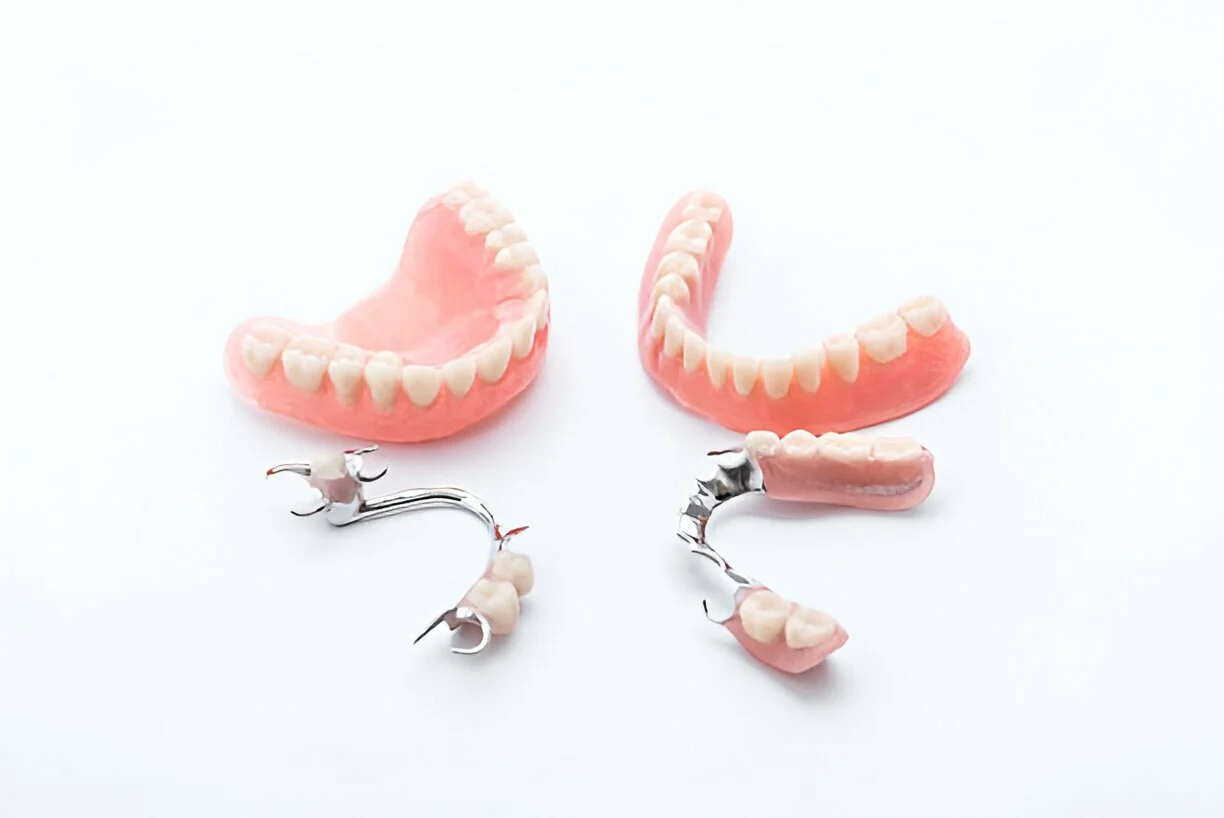
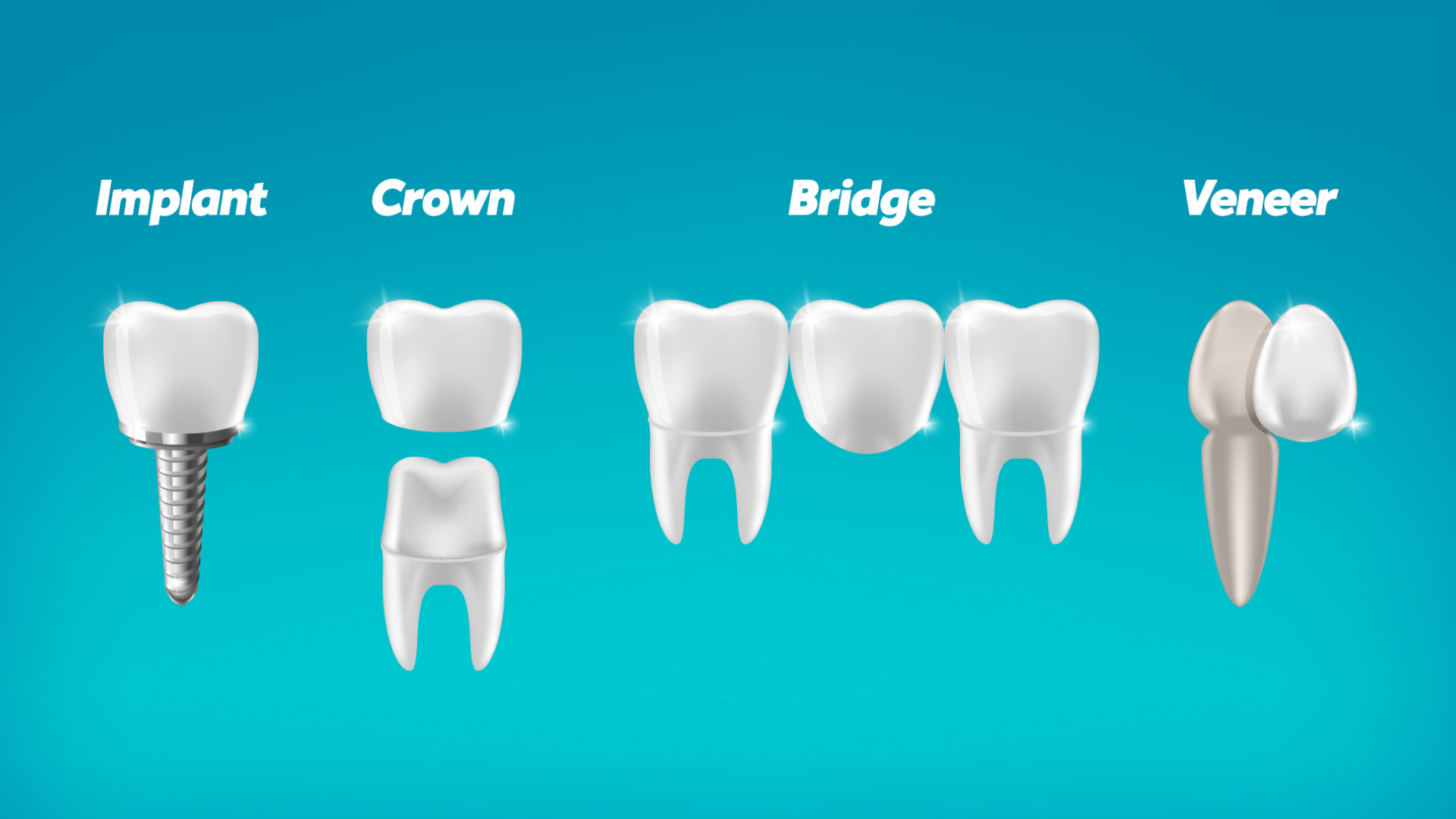
- Dentures: Removable appliances used to replace multiple missing teeth.
- Bridges: Fixed appliances that attach to adjacent teeth to fill a gap.
- Crowns: Caps placed over damaged teeth to restore their shape and strength.
Are dental implants available on the NHS?
Dental implants NHS are rarely available on the NHS due to limited funding and strict eligibility criteria. They are typically only offered in cases of severe medical necessity, such as after trauma or cancer treatment. In most instances, patients must seek private dental care for implants.
How much do crowns, bridges, or dentures cost on NHS?
The cost of crowns, bridges, or dentures on NHS is determined by the relevant charge band:
- Crowns: Covered under Band 3 (£319.10).
- Bridges: Also covered under Band 3 (£319.10).
- Dentures: Typically covered under Band 3 (£319.10), depending on the type.
While the NHS provides essential tooth replacement options, those seeking more advanced solutions may want to consider alternative options like dental tourism with Albania Dental Implants, which offers affordable and high-quality dental services.
NHS Dental Emergencies and Out-of-Hours Care
What counts as a dental emergency for the NHS? A dental emergency for the NHS typically includes severe pain, uncontrolled bleeding, significant swelling, or trauma affecting your mouth. These situations require urgent dental care NHS to alleviate pain and prevent further complications.
Examples of Emergencies
Examples of dental emergencies include:
- Severe toothache that doesn’t respond to over-the-counter pain relief.
- Infections or abscesses causing swelling and fever.
- Trauma to the mouth resulting in broken or dislodged teeth.
How do you access urgent NHS dental care?
To access urgent NHS dental care:
- Contact your regular dentist if possible.
- Call NHS 111 for advice and to find an available emergency dentist.
- Visit an accident and emergency (A&E) department for severe trauma or bleeding.
Appointment booking for emergency NHS dentistry may involve attending a designated urgent care center.
Fees for emergency NHS dentistry
The fees for emergency NHS dentistry are typically charged at Band 1 (£26.80), covering the assessment and immediate treatment needed to address the emergency. Follow-up treatments may incur additional charges, depending on the course of care required.
If you’re looking for a more comprehensive and cost-effective solution, consider Albania Dental Implants for affordable dental treatment. We offer a range of services to restore your smile at a fraction of the cost in the UK.
Latest Changes and News: NHS Dental Policy in 2024
What policy changes affect NHS dental care in 2024? NHS dentistry news in 2024 reflects ongoing efforts to improve access and affordability. Policy updates impacting patients may include changes to NHS dental contract changes, funding allocations, and eligibility criteria.
Policy Updates Impacting Patients
Key policy updates may include:
- Revised funding models to incentivize dentists to take on more NHS patients.
- Changes to dental contract terms to encourage preventative care.
- Adjustments to eligibility criteria for certain treatments.
Are there new charges or rules for NHS dental treatment?
Any announced changes to funding, access, or eligibility will be communicated through official NHS channels. It’s essential to stay informed about the latest developments to understand how they may affect your access to NHS dental services.
For individuals seeking more comprehensive and potentially more affordable care, Albania Dental Implants provide a valuable alternative. We offer a range of dental solutions, including dental implants, crowns, and veneers, at competitive prices, with the added benefit of a beautiful travel destination.
Conclusion
Navigating teeth on NHS care requires understanding the available services, eligibility criteria, and associated costs. While the NHS provides essential dental care, alternative options like Albania Dental Implants can offer a more comprehensive and affordable solution.
Restore your smile and confidence with Albania Dental Implants. Contact Albania Dental Implants today to learn more about our affordable dental solutions and start your journey towards a healthier, more confident smile!