



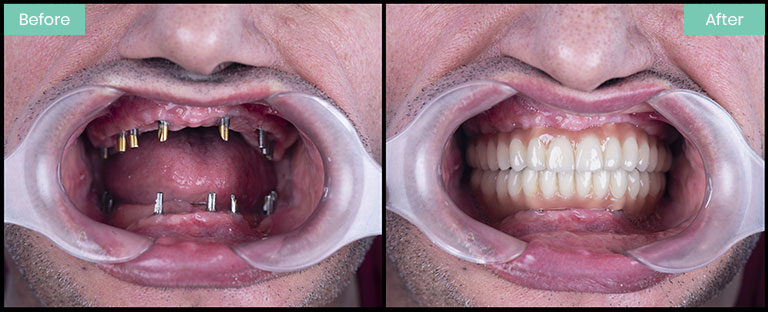
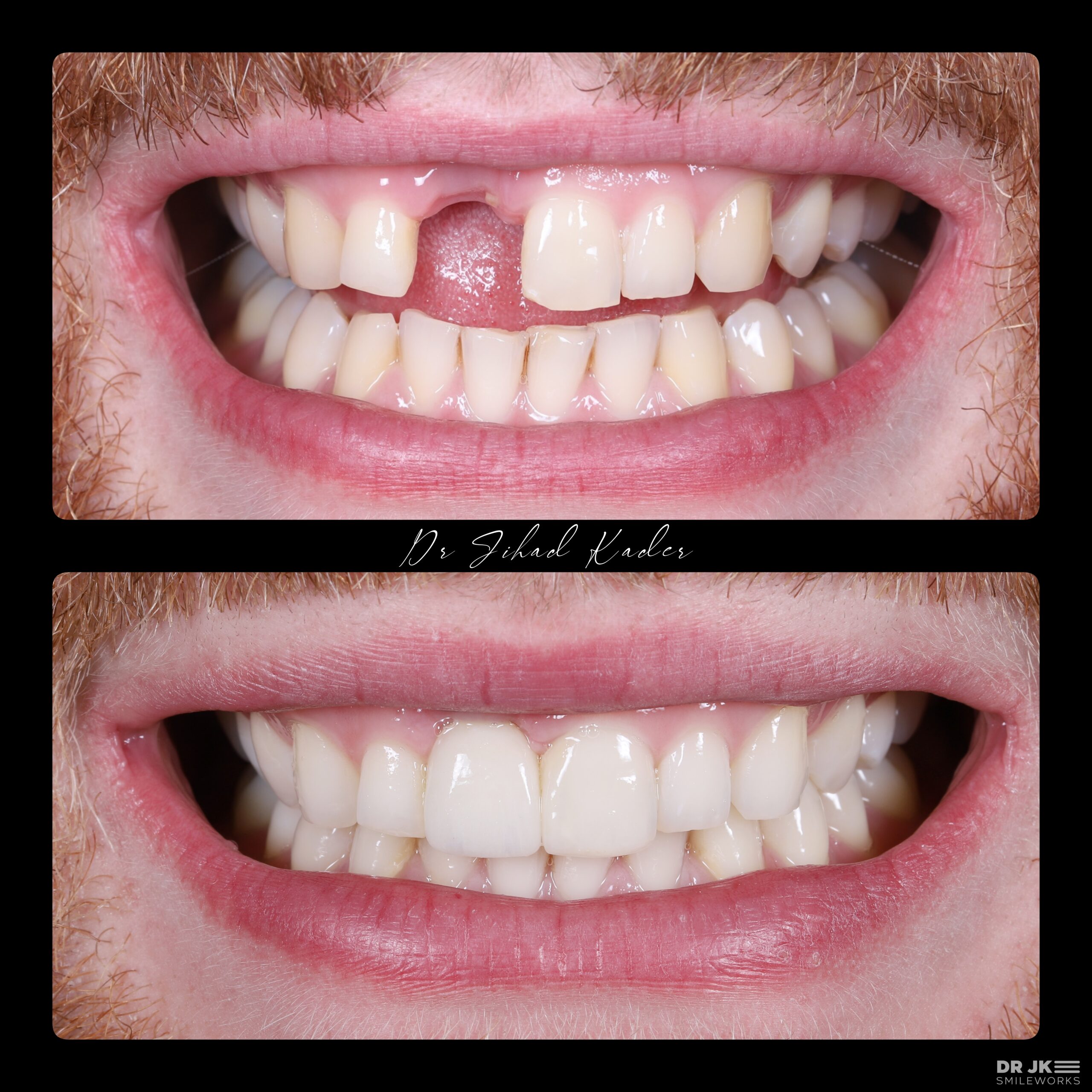
We’ll cover everything from NHS provisions to private treatments, including a look at how you could benefit from dental tourism in albania, for high-quality, affordable dental care.
What Is Teeth Replacement?
Related Keywords: Tooth replacement options UK, What is teeth replacement, Tooth loss treatment UK
Definition and Overview
Teeth replacement refers to the various methods used to restore missing teeth, improving both the aesthetic appearance of your smile and the functionality of your bite. It’s more than just filling gaps; it’s about restoring your ability to eat, speak, and smile with confidence. Tooth loss treatment UK has advanced significantly in recent years, offering a range of innovative solutions.
Importance of Replacing Missing Teeth
Replacing missing teeth is essential for several reasons:
- Preventing Shifting: Missing teeth can cause adjacent teeth to shift, leading to misalignment and potential bite problems.
- Maintaining Jawbone Health: The jawbone needs stimulation from teeth to remain healthy. Tooth loss can lead to bone resorption.
- Improving Speech: Missing teeth can affect your ability to speak clearly.
- Enhancing Appearance: Replacing missing teeth restores your smile and boosts your self-esteem.
- Improving Chewing Efficiency: Gaps in your teeth can make it difficult to chew properly, impacting your digestion.
Outline of Current UK Options
In the UK, several tooth replacement options UK are available, including:
- Dental Implants: Considered the gold standard, implants involve surgically placing a titanium post into the jawbone to support a replacement tooth.
- Dentures: Removable replacements for missing teeth, available as full or partial dentures.
- Dental Bridges: Fixed appliances that bridge the gap between missing teeth, using adjacent teeth for support.
Common Teeth Replacement Options in the UK
Related Keywords: Dental implants UK, Dentures UK, Dental bridges UK, Full mouth reconstruction UK
Dental Implants
Dental implants in the UK have become a popular choice for replacing missing teeth, offering a long-lasting and natural-looking solution. They are strong, durable, and can improve your overall oral health.
Procedure
The dental implant procedure typically involves several steps:
- Consultation and Assessment: Your dentist will assess your oral health, take X-rays, and create a treatment plan.
- Implant Placement: The implant, a titanium post, is surgically placed into your jawbone.
- Osseointegration: The implant fuses with your jawbone over several months, providing a stable foundation.
- Abutment Placement: Once osseointegration is complete, an abutment is attached to the implant.
- Crown Placement: A custom-made crown is attached to the abutment, completing the restoration.
Benefits and Drawbacks
Dental implants offer numerous benefits:
- Durability: Implants can last a lifetime with proper care. According to the Association of Oral and Maxillofacial Surgeons, dental implants have a success rate of over 95%.
- Natural Look and Feel: Implants look and function like natural teeth.
- Improved Speech and Eating: Implants provide stability, allowing you to speak and eat with confidence.
- Bone Health: Implants stimulate bone growth, preventing bone loss.
However, there are also drawbacks to consider:
- Cost: Implants can be more expensive than other teeth replacement options.
- Surgery: The procedure requires surgery, which carries some risks.
- Time: The entire process can take several months to complete.
Who is Suitable?
Ideal candidates for dental implants have:
- Good overall health.
- Sufficient bone density in the jaw.
- Healthy gums.
- Commitment to good oral hygiene.
Dentures
Dentures UK are a more traditional and affordable option for replacing missing teeth. They are removable and can replace a few teeth or an entire arch.
Types (Full/Partial)
There are two main types of dentures:
- Full Dentures: Replace all teeth in either the upper or lower jaw, or both.
- Partial Dentures: Replace some missing teeth and are held in place by clasps that attach to adjacent teeth.
Pros and Cons
The advantages of dentures include:
- Affordability: Dentures are generally less expensive than dental implants.
- Non-Invasive: No surgery is required.
- Quick Solution: Dentures can be fitted relatively quickly.
However, dentures also have disadvantages:
- Comfort: Dentures can be uncomfortable and may require adjustment.
- Stability: Dentures may slip or move, affecting speech and eating.
- Bone Loss: Dentures do not stimulate bone growth and can lead to bone loss over time.
- Maintenance: Requires daily cleaning and soaking.
Care Requirements
Proper care of dentures is essential for maintaining oral health and prolonging their lifespan:
- Clean dentures daily with a denture brush and cleanser.
- Soak dentures in a denture solution overnight.
- Visit your dentist regularly for check-ups and adjustments.
Dental Bridges
Dental bridges UK are a fixed solution for replacing one or more missing teeth. They consist of a replacement tooth (pontic) anchored by crowns on the adjacent teeth (abutments).
Procedure and Materials
The dental bridge procedure typically involves:
- Preparation: The abutment teeth are prepared by removing some enamel to accommodate the crowns.
- Impressions: Impressions of your teeth are taken to create a custom-fit bridge.
- Temporary Bridge: A temporary bridge is placed while the permanent bridge is being made.
- Permanent Bridge Placement: The permanent bridge is cemented onto the abutment teeth.
Dental bridges can be made from various materials, including porcelain, ceramic, and metal alloys.
Indications
Dental bridges are suitable for:
- Replacing one or more missing teeth.
- Patients with good oral hygiene.
- Patients who prefer a fixed solution over dentures.
Pros and Cons
The advantages of dental bridges include:
- Fixed Solution: Bridges are cemented in place and do not require removal.
- Natural Appearance: Bridges can be made to match the color and shape of your natural teeth.
- Improved Speech and Chewing: Bridges restore your ability to speak and chew properly.
However, dental bridges also have disadvantages:
- Tooth Preparation: Requires altering the structure of adjacent teeth.
- Maintenance: Bridges require diligent oral hygiene to prevent decay and gum disease.
- Lifespan: Bridges may need to be replaced after several years.
NHS vs. Private Teeth Replacement
Related Keywords: NHS teeth replacement, Private teeth replacement costs, Cost of dental implants UK
What’s Available on the NHS?
The NHS provides a range of dental services, including tooth replacement options. However, the availability of certain treatments like dental implants is limited due to funding constraints and specific criteria. Accessing NHS teeth replacement typically involves lower costs, but it may also mean longer waiting times and fewer treatment options.
According to NHS guidelines, treatments are prioritised based on clinical need. This means that while essential tooth replacement like dentures and bridges are often available, dental implants on the NHS are usually reserved for patients with specific medical conditions or significant trauma.
Private Sector Options
The private sector offers a wider range of tooth replacement options UK, including dental implants, high-quality dentures, and advanced bridge designs. Private dental clinics often provide shorter waiting times, personalized treatment plans, and access to the latest technologies. However, private teeth replacement costs are typically higher compared to NHS treatments.
Choosing private tooth replacement options also allows you to select from a broader range of materials and aesthetic options, ensuring a result that meets your specific needs and preferences. For example, private clinics may offer zirconia implants or advanced denture designs for enhanced comfort and appearance.
Price Comparison and Accessibility
The cost of dental implants UK varies significantly between NHS and private sectors. NHS implants are rare but can be more affordable if you meet the strict eligibility criteria. Private implants, on the other hand, can range from £2,000 to £4,000 per tooth, depending on the clinic and complexity of the case.
Accessibility also differs. NHS treatments may require you to be on a waiting list, while private clinics offer more flexible appointment schedules and faster treatment times. When considering affordable tooth replacement UK, it’s essential to weigh the cost against the benefits of faster, more personalised care offered by private providers. For an even more affordable option without sacrificing quality, consider Albania Dental Implants.
How to Choose the Right Teeth Replacement Option
Related Keywords: Best dental clinics UK, Affordable tooth replacement UK, Tooth extraction and replacement UK
Assessment of Personal Health and Preference
Choosing the right tooth replacement option UK requires careful consideration of your personal health, lifestyle, and preferences. Start by assessing your overall oral health and any underlying medical conditions that might impact the success of different treatments. For example, patients with uncontrolled diabetes or autoimmune diseases may not be ideal candidates for dental implants.
Your lifestyle and preferences also play a crucial role. If you prefer a fixed, long-term solution that closely mimics natural teeth, dental implants might be the best choice. On the other hand, if you prefer a non-surgical, more affordable option, dentures or bridges might be more suitable. Consider what’s most important to you – stability, aesthetics, cost, or convenience – when making your decision.
Finding a Reputable Provider
Finding the best dental clinics UK is essential for ensuring a successful tooth extraction and replacement UK. Look for experienced dentists with a strong track record in restorative dentistry. Check online reviews, ask for referrals from friends or family, and verify the dentist’s qualifications and credentials.
A reputable provider will conduct a thorough examination, discuss your treatment options in detail, and provide clear information about the costs, risks, and benefits of each procedure. They should also be willing to answer your questions and address any concerns you may have.
Considerations for Affordability and Long-Term Outcomes
Affordability is a significant factor for many patients seeking affordable tooth replacement UK. While dental implants may have a higher upfront cost, they often offer better long-term outcomes and value compared to other options. Consider the lifespan of the treatment, potential maintenance costs, and the impact on your overall oral health when evaluating the affordability of different choices.
Don’t hesitate to explore alternative solutions such as seeking treatment with dental tourism in Albania where costs are significantly lower, especially if you require extensive work such as full mouth reconstruction in Albania, while the quality remains comparable to the UK.
Furthermore, it is prudent to inquire whether payment plan options are available for dental implants to make your dental care more affordable and within your budget.
Treatment Journey – What to Expect
Related Keywords: Consultation, Tooth extraction and replacement UK, Aftercare
Initial Consultation
The first step in your tooth extraction and replacement UK journey is an initial consultation with a dentist. This consultation is crucial for assessing your oral health, discussing your goals, and determining the most suitable treatment plan. During the consultation, the dentist will:
- Review your medical history.
- Conduct a thorough oral examination.
- Take X-rays or CT scans to evaluate your jawbone and teeth.
- Discuss your tooth replacement options.
- Provide a detailed treatment plan with associated costs.
Typical Treatment Timeline
The treatment timeline for teeth replacement varies depending on the chosen option:
- Dental Implants: The entire process, from consultation to final crown placement, can take several months. It involves implant placement, osseointegration (healing period), abutment placement, and crown placement.
- Dentures: Denture fitting typically requires several appointments over a few weeks. This includes taking impressions, creating a model, fitting the dentures, and making any necessary adjustments.
- Dental Bridges: The bridge procedure usually takes two to three appointments. This involves preparing the abutment teeth, taking impressions, and fitting the permanent bridge.
Aftercare Advice
Proper aftercare is essential for ensuring the success and longevity of your tooth replacement treatment. Your dentist will provide specific instructions based on the chosen option, but general guidelines include:
- Dental Implants: Maintain good oral hygiene, avoid smoking, and attend regular check-ups.
- Dentures: Clean dentures daily, soak them overnight, and visit your dentist for adjustments.
- Dental Bridges: Practice diligent oral hygiene, use floss threaders to clean under the bridge, and avoid hard or sticky foods.
Risks, Benefits, and Long-term Outcomes
Related Keywords: Benefits of teeth replacement, Risks of dental implants, Long-term dental health UK
Success Rates
The success rates of teeth replacement options vary depending on the chosen treatment and individual factors. Dental implants generally have high success rates, with studies showing a success rate of over 95% over a 10-year period. Dentures and bridges also have good success rates, although they may require more maintenance and replacements over time.
Maintenance Requirements
Maintaining your long-term dental health UK after teeth replacement is crucial for ensuring the longevity of your treatment. Regular maintenance includes:
- Good oral hygiene practices, such as brushing and flossing.
- Regular dental check-ups and cleanings.
- Avoiding habits that can damage your teeth, such as smoking and teeth grinding.
Potential Complications
While teeth replacement procedures are generally safe, potential complications can occur. These may include:
- Dental Implants: Infection, nerve damage, implant failure.
- Dentures: Soreness, gum irritation, difficulty speaking or eating.
- Dental Bridges: Tooth decay, gum disease, bridge failure.
It’s essential to discuss these potential risks with your dentist and follow their instructions carefully to minimize the likelihood of complications.
FAQ – Frequently Asked Questions
Can you replace teeth on the NHS in the UK?
Yes, you can replace teeth on the NHS in the UK, but the available options may be limited. The NHS typically offers dentures and bridges as standard tooth replacement options. Dental implants are less common and are usually reserved for patients with specific medical needs. To find out more, it is important to check Can you get dental implants on NHS? to assess your NHS availablity.
How much do dental implants cost in the UK?
The cost of dental implants UK varies depending on the clinic, location, and complexity of the case. On average, a single dental implant can cost between £2,000 and £4,000. Dental implants in Albania can be significantly more affordable.
What is the most affordable tooth replacement solution?
The most affordable tooth replacement solution is typically dentures. Dentures are less expensive than dental implants and bridges, making them a budget-friendly option for many patients.
Are teeth replacements permanent?
The permanency of teeth replacements varies. Dental implants are considered a long-term solution and can last a lifetime with proper care. Dentures and bridges, on the other hand, may need to be replaced after several years due to wear and tear.
How long does each procedure take?
The duration of each tooth replacement procedure varies:
- Dental implants: Several months, including healing time.
- Dentures: Several weeks, including fitting and adjustments.
- Dental bridges: Two to three appointments.
Is tooth replacement painful?
Tooth replacement procedures are typically performed under local anesthesia to minimize discomfort. Some soreness and swelling may occur after the procedure, but this can be managed with pain medication. To discover more about this sensitive topic, we have a detailed guide on how painful are dental implants UK?
What aftercare is required?
Aftercare varies depending on the tooth replacement option. Generally, good oral hygiene, regular dental check-ups, and avoiding habits that can damage your teeth are essential.
Can smokers get dental implants?
Smoking can negatively impact the success of dental implants. Smokers have a higher risk of implant failure due to impaired healing and increased risk of infection. However, with proper planning and diligent oral hygiene, smokers can still be candidates for dental implants.
How soon after tooth extraction can you get a replacement?
The timing for tooth replacement after extraction depends on the chosen option. Immediate implants can be placed at the time of extraction, while delayed implants are placed after the extraction site has healed (typically several months). Dentures and bridges can be fitted sooner, but your dentist will advise on the best course of action.
Do dental implants look and feel natural?
Yes, dental implants are designed to look and feel like natural teeth. With proper placement and custom-made crowns, dental implants can seamlessly blend in with your natural smile, providing both aesthetic and functional benefits.
Conclusion
Choosing the right teeth replacement UK solution is a significant decision that impacts your oral health, confidence, and overall well-being. By understanding the available options, considering your personal needs and preferences, and consulting with a reputable dentist, you can make an informed choice that restores your smile and improves your quality of life.
If you’re looking for high-quality, affordable dental care, consider the benefits of Albania Dental Implants. We offer a range of services, including dental implants, dentures, and bridges, with experienced dentists and state-of-the-art facilities. Contact us today to schedule a consultation and discover how we can help you achieve a confident, healthy smile.





