



Tooth Dental Implants – Your Complete Guide
Tooth dental implants are a revolutionary solution for replacing missing teeth, offering a permanent and aesthetically pleasing alternative to traditional dentures and bridges. This comprehensive guide will explore everything you need to know about tooth dental implants, helping you make an informed decision about restoring your smile and improving your quality of life.
What Are Tooth Dental Implants?
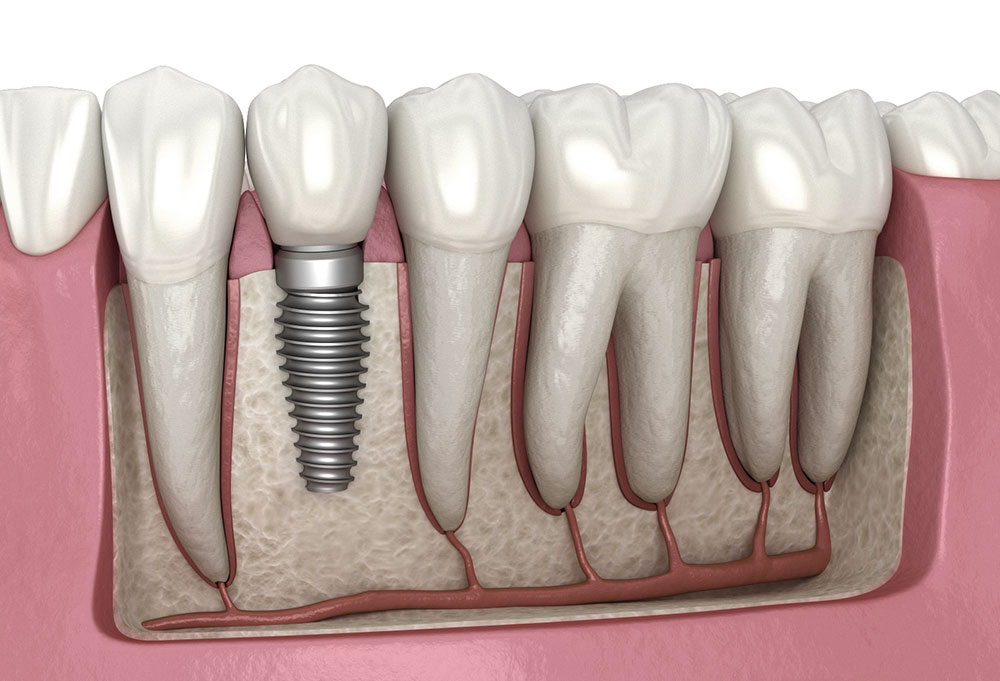
Tooth dental implants, along with different implant types, are artificial tooth roots, typically made of titanium, that are surgically placed into the jawbone. They provide a stable foundation for replacement teeth that look, feel, and function like natural teeth. Unlike dentures, which rest on the gums, dental implants are anchored in the bone, offering superior stability and preventing bone loss.
Why Tooth Dental Implants Are Preferred for Tooth Replacement
There are several reasons why tooth dental implants are often preferred over other tooth replacement options:
- Durability: Dental implants are designed to last a lifetime with proper care. According to a 2023 study published in the Journal of Oral Implantology, the 10-year survival rate for dental implants is over 95%.
- Stability: Because implants are fused to the jawbone, they provide exceptional stability, allowing you to eat, speak, and smile with confidence.
- Aesthetics: Implants look and feel like natural teeth, seamlessly blending with your existing smile.
- Bone Health: Dental implants stimulate bone growth in the jaw, preventing bone loss that can occur with missing teeth.
- Improved Oral Health: Unlike bridges, implants do not require altering adjacent teeth, preserving more of your natural tooth structure.
How Do Tooth Dental Implants Work?
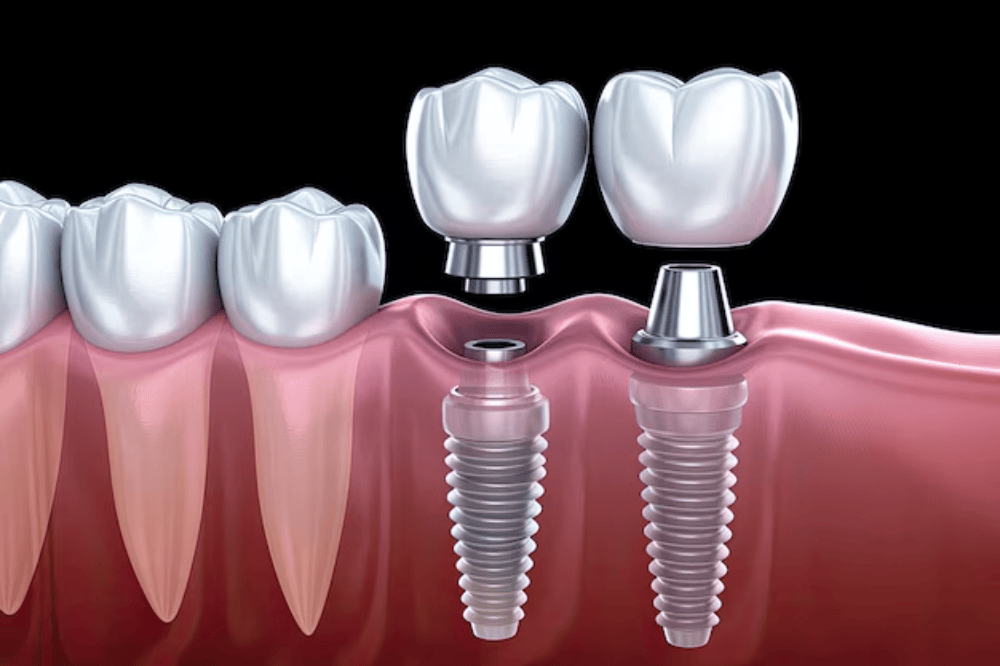
Understanding the dental implant procedure and its components is crucial. A tooth dental implant consists of three main parts: the implant itself (the titanium post), the abutment (which connects the implant to the crown), and the crown (the artificial tooth). The dental implant procedure involves a surgical placement of the titanium implant into the jawbone. Over time, the bone fuses with the implant in a process called osseointegration, creating a strong and permanent foundation.
Step-by-Step: Placing the Implant
- Consultation: Your dentist will evaluate your oral health, bone density, and medical history to determine if you are a suitable candidate for dental implants.
- Implant Placement: The implant is surgically placed into the jawbone under local anesthesia. Some patients may opt for sedation.
- Healing (Osseointegration): The implant is left to heal for several months, allowing the bone to fuse with the implant.
- Abutment Placement: Once osseointegration is complete, the abutment is attached to the implant.
- Crown Placement: Finally, the custom-made crown is attached to the abutment, completing the tooth restoration.
Who Is Eligible for Implants?
Generally, most people are eligible for tooth dental implants, but there are some key considerations. To be considered a good candidate, you should have:
- Good overall health
- Adequate bone density in the jaw
- Healthy gums
- Commitment to good oral hygiene
Certain medical conditions, such as uncontrolled diabetes or severe gum disease, may affect your eligibility. As mentioned on Albania Dental Implants , certain health and lifestyle factors can mean that dental implants are not suitable for everyone
Types of Tooth Dental Implants
Exploring implant types, including mini dental implants and same-day dental implants, can help you choose the best option. Not all implants are created equal. There are several types of tooth dental implants available, each with its own unique characteristics and applications.
Differences in Materials and Structure
The most common types of dental implants include:
- Endosteal Implants: These are the most widely used type of implant, placed directly into the jawbone. They are suitable for most patients with good bone density.
- Subperiosteal Implants: These implants are placed under the gum but on or above the jawbone. They are used in patients who have insufficient bone height for endosteal implants.
- Mini Dental Implants (MDIs): These are smaller in diameter than traditional implants and are often used to stabilize dentures. According to a study in Clinical Oral Implants Research, MDIs offer a less invasive and more affordable solution for denture stabilization.
- Zirconia Implants:These implants, which are metal free, offer excellent bio compatability and are an aesthetic option.
When Each Type Is Recommended
The choice of implant type depends on several factors, including bone density, location of the missing tooth, and patient preferences:
- Endosteal Implants: Ideal for patients with good bone density and seeking a long-term, stable tooth replacement.
- Subperiosteal Implants: Recommended for patients with insufficient bone height who are not candidates for bone grafting.
- Mini Dental Implants: A good option for stabilizing dentures and for patients who may not be able to undergo more extensive implant surgery.
Immediate loading dental implants in albania are also available allowing for a quicker solution to missing teeth.
Cost of Tooth Dental Implants in the UK
Understanding the cost of dental implants and the distinction between NHS and private dental implants is essential for planning. The cost of tooth dental implants in the UK can vary significantly depending on several factors, including the type of implant, the complexity of the procedure, and the location of the dental practice. Generally, private dental implants are more costly than those potentially offered through the NHS (where available).
Average Prices (NHS, Private)
As mentioned on Albania Dental Implants it’s important to understand exactly what is available, the eligibility criteria and total costs.
- NHS: In rare cases where dental implants are deemed medically necessary, the NHS may cover a portion of the cost. However, availability is limited, and waiting lists can be long. The NHS typically only covers implants for patients who have lost teeth due to trauma, cancer treatment, or certain congenital conditions. According to NHS guidelines, the cost of a single implant under Band 3 treatment (which includes complex procedures) can range from £282.80.
- Private: Private dental practices offer a wider range of implant options and generally have shorter waiting times. However, the cost is significantly higher. A single dental implant from a private dentist in the UK can range from £2,000 to £4,000 or more, including the implant, abutment, and crown. Full mouth implants can range from £7,000 to £25,000
What’s Included in the Cost?
The cost of dental implants typically includes:
- Initial consultation and examination
- X-rays and CT scans
- Surgical placement of the implant
- Abutment placement
- Custom-made crown
- Follow-up appointments
Tooth Replacement Alternatives: Implants vs. Bridges and Dentures
Considering tooth replacement options, comparing dental bridges to implants, as well as dentures, can aid in decision-making. While dental implants are an excellent option for tooth replacement, they are not the only solution. Dental bridges and dentures are two alternative options to consider.
Table Comparing Implants, Bridges, Dentures
Here’s a table comparing implants, bridges, and dentures:
| Feature | Dental Implants | Dental Bridges | Dentures |
|---|---|---|---|
| Lifespan | Lifetime with proper care | 5-15 years | 5-10 years |
| Stability | Excellent | Good | Moderate |
| Aesthetics | Excellent | Good | Fair |
| Bone Health | Preserves bone | No effect | Accelerates bone loss |
| Impact on Adjacent Teeth | None | Requires altering adjacent teeth | May put pressure on adjacent teeth |
| Cost | £2,000 – £4,000+ per implant | £700 – £1,500 per bridge | £300 – £800 per denture |
What to Expect: The Dental Implant Procedure
Knowing what to expect during the dental implant procedure, including aftercare, can reduce anxiety. The dental implant procedure involves several steps, from the initial consultation to the final placement of the crown. Knowing what to expect can help you feel more prepared and confident throughout the process.
Steps From Consultation to Healing
- Initial Consultation: Your dentist will assess your oral health, bone density, and medical history. They will take X-rays and CT scans to evaluate the best placement for the implant.
- Treatment Planning: A customized treatment plan will be developed based on your individual needs. This plan will outline the number of implants needed, the type of implant, and the timeline for the procedure.
- Implant Placement Surgery: The implant is surgically placed into the jawbone under local anesthesia. In some cases, bone grafting may be necessary to ensure adequate bone density.
- Healing Period: The implant is left to heal for several months, allowing osseointegration to occur. During this time, you may be fitted with a temporary crown or denture.
- Abutment Placement: Once the implant has fully integrated with the bone, the abutment is attached.
- Crown Placement: Finally, the custom-made crown is attached to the abutment, completing the tooth restoration.
How long do you go without teeth when getting implants? As mentioned on Albania Dental Implants There are various temporary solutions available to restore your smile
Pain, Timeline, and Recovery Explained
- Pain: Most patients report minimal discomfort during and after the dental implant procedure. Local anesthesia is used during the surgery, and pain medication can be prescribed to manage any post-operative discomfort.
- Timeline: The entire dental implant process can take several months, from the initial consultation to the final placement of the crown. The healing period after implant placement is typically 3-6 months.
- Recovery: After the implant placement surgery, you may experience some swelling, bruising, and discomfort. These symptoms can be managed with pain medication and ice packs. It’s important to follow your dentist’s instructions carefully to ensure proper healing.
Risks and Complications of Dental Implants
Being aware of implant risks and complications, as well as the success rate, is important for informed consent. Like any surgical procedure, dental implants carry some risks and potential complications. However, with proper planning and execution, the risks are generally low.
Most Common and Rare Risks
Some of the most common risks and complications associated with dental implants include:
- Infection: Infection at the implant site can occur, especially if proper oral hygiene is not maintained.
- Nerve Damage: Nerve damage can occur during implant placement, leading to numbness or tingling in the gums, lips, or chin.
- Sinus Problems: Implants placed in the upper jaw can sometimes protrude into the sinus cavity, causing sinus problems.
- Implant Failure: In rare cases, the implant may not fuse properly with the bone, leading to implant failure.
It’s vital to be aware of the potential risks before making a decision about dental implants. Potential health risks of dental implants are discussed on Albania Dental Implants .
How Success Rates Compare to Alternatives
Dental implants have a high success rate compared to other tooth replacement options. According to the American Academy of Implant Dentistry, the overall success rate for dental implants is around 95%. This is significantly higher than the success rates for dental bridges and dentures, which typically last for 5-10 years.
Benefits and Long-Term Outlook
Focusing on dental implant benefits, including functionality and aesthetics, can highlight their value. Dental implants offer numerous benefits over other tooth replacement options, making them a worthwhile investment in your oral health and quality of life.
Functionality, Aesthetics, Oral Health
Some of the key benefits of dental implants include:
- Improved Chewing Ability: Implants allow you to eat all types of foods without discomfort or restriction.
- Enhanced Speech: Unlike dentures, implants do not slip or shift, allowing you to speak clearly and confidently.
- Natural Appearance: Implants look and feel like natural teeth, seamlessly blending with your existing smile.
- Preservation of Bone: Implants stimulate bone growth in the jaw, preventing bone loss and maintaining facial structure.
- Improved Self-Esteem: Restoring your smile with implants can boost your confidence and self-esteem.
Lifespan and Maintenance
With proper care and maintenance, dental implants can last a lifetime. This includes:
- Brushing and flossing daily
- Regular dental checkups and cleanings
- Avoiding hard or sticky foods that can damage the crown
- Not smoking
How long do dental implants last? As mentioned on Albania Dental Implants , The factors that influence the longevity of dental implants is crucial for making informed decisions
Patient Journey: Real Stories & Testimonials
Hearing UK patient case studies (summary, not identifiable) can provide relatable experiences. While we cannot share identifiable patient information, we can share summaries of the positive experiences of patients who have chosen dental implants at our clinic.
Case Study 1: A 55-year-old woman from London had lost several teeth due to gum disease. She was self-conscious about her smile and had difficulty eating certain foods. After receiving dental implants, she reported a significant improvement in her confidence and chewing ability. She was thrilled with the natural look and feel of her new teeth.
Case Study 2: A 62-year-old man from Manchester had been wearing dentures for many years. He was frustrated with the discomfort and instability of his dentures. After receiving implant-supported dentures, he reported a dramatic improvement in his quality of life. He was able to eat all of his favorite foods and no longer worried about his dentures slipping.
Dental Tourism In Albania offers a cost-effective option for UK residents who are seeking quality dental care.
Aftercare and Maintenance for Tooth Dental Implants
Understanding aftercare for implants, including dental implant cleaning, is essential for long-term success. Proper aftercare and maintenance are essential for ensuring the long-term success of your tooth dental implants. This includes maintaining good oral hygiene and attending regular dental checkups.
Dos and Don’ts After Surgery
Following your dentist’s instructions carefully after surgery can help ensure a smooth recovery:
Dos:
- Take pain medication as prescribed
- Apply ice packs to reduce swelling
- Eat soft foods
- Rinse your mouth with warm salt water
- Get plenty of rest
Don’ts:
- Smoke
- Drink alcohol
- Eat hard or sticky foods
- Use a straw
- Touch the implant site
How to Keep Implants Healthy Long-Term
To keep your dental implants healthy long-term, follow these tips:
- Brush your teeth twice a day with a soft-bristled toothbrush
- Floss daily
- Use an interdental brush to clean around the implants
- Attend regular dental checkups and cleanings
- Avoid smoking
FAQs about Tooth Dental Implants
Answering common search queries in an FAQ format can address remaining concerns.
What are tooth dental implants and why are they used?
Tooth dental implants are artificial tooth roots, typically made of titanium, that are surgically placed into the jawbone. They are used to replace missing teeth, providing a stable foundation for replacement teeth that look, feel, and function like natural teeth.
How long does a dental implant last?
With proper care and maintenance, dental implants can last a lifetime. As said on Albania Dental Implants It’s essential for making an informed decision and ensuring a worthwhile investment in your oral health
Are dental implants painful to get?
Most patients report minimal discomfort during and after the dental implant procedure. Local anesthesia is used during the surgery, and pain medication can be prescribed to manage any post-operative discomfort.
Can anyone get a dental implant?
Generally, most people are eligible for dental implants, but there are some key considerations, such as good overall health, adequate bone density, and healthy gums.
What’s the difference between NHS and private dental implants?
NHS dental implants are rarely available and are typically reserved for patients who have lost teeth due to trauma, cancer treatment, or certain congenital conditions. Private dental implants offer a wider range of options and generally have shorter waiting times, but they are more expensive.
How much do dental implants cost in the UK?
The cost of dental implants in the UK can vary significantly depending on the type of implant, the complexity of the procedure, and the location of the dental practice. A single dental implant from a private dentist can range from £2,000 to £4,000 or more.
What are the side effects and risks of implants?
Some of the potential side effects and risks of dental implants include infection, nerve damage, sinus problems, and implant failure.
How do I care for my dental implant after surgery?
After surgery, it’s important to take pain medication as prescribed, apply ice packs to reduce swelling, eat soft foods, rinse your mouth with warm salt water, and get plenty of rest.
What is the difference between a dental bridge and an implant?
A dental bridge is a false tooth that is anchored to adjacent teeth, while a dental implant is an artificial tooth root that is surgically placed into the jawbone. Implants are more stable and durable than bridges, but they are also more expensive.
Can implants be done in a day?
In some cases, same-day dental implants are possible, where the implant and crown are placed in a single visit. However, this is not always possible and depends on individual circumstances.
Are mini dental implants as good as regular implants?
Mini dental implants are smaller in diameter than regular implants and are often used to stabilize dentures. They are a less invasive and more affordable solution for denture stabilization but may not be as durable as regular implants.
Ready to Restore Your Smile? Contact Albania Dental Implants Today!
If you’re considering tooth dental implants to restore your smile and improve your quality of life, contact Albania Dental Implants today. We offer high-quality, affordable dental implant services and dental tourism in albania, helping you achieve a healthy, confident smile. Our experienced team will assess your individual needs and develop a customized treatment plan to help you achieve your goals. Don’t wait any longer to restore your smile – contact us today for a consultation!





