



Tooth Implant Procedure — Everything You Need to Know
What is a Tooth Implant Procedure?
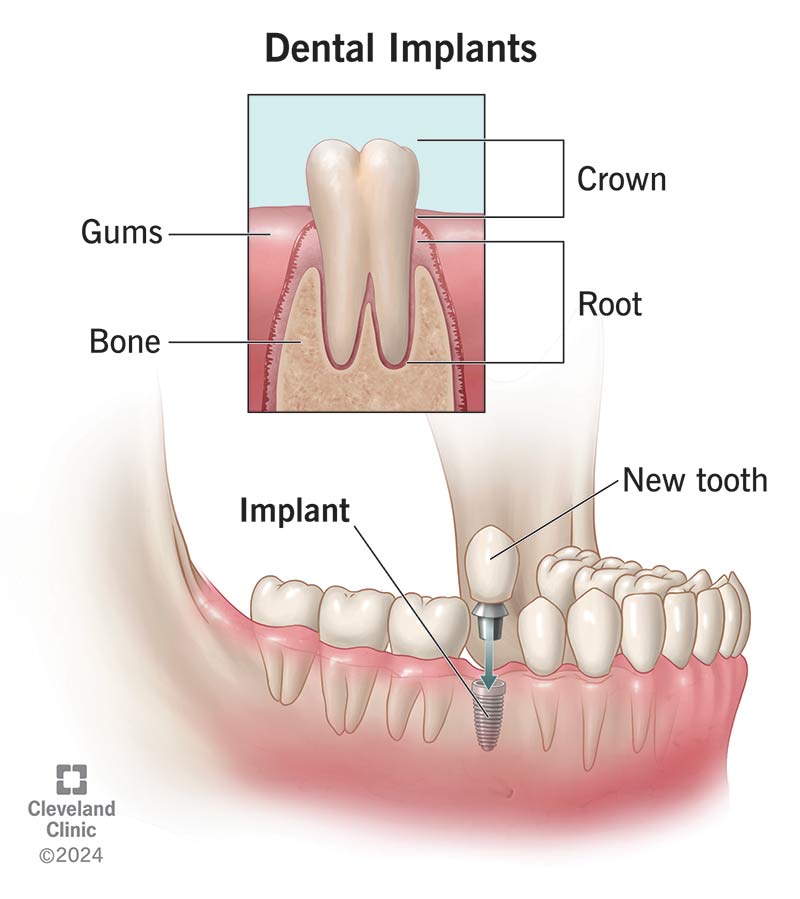
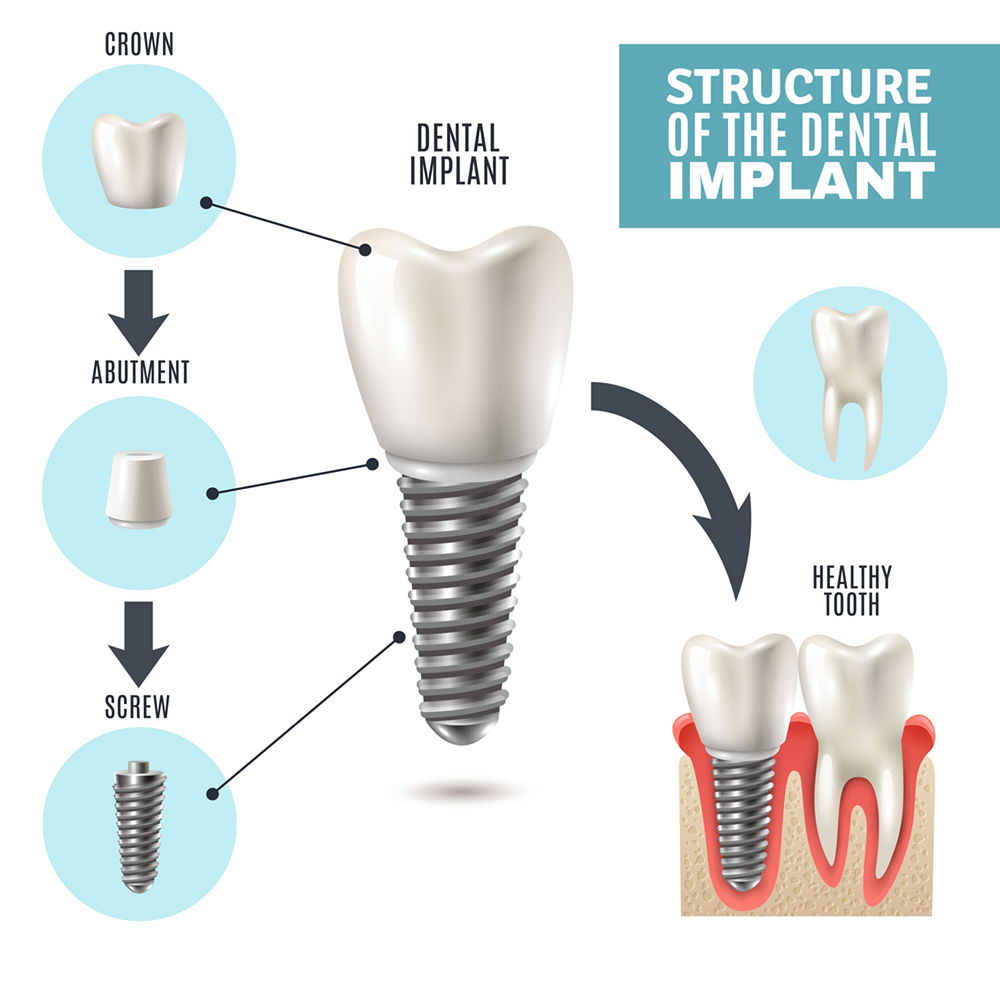
Understanding the dental implant surgery process is key to making an informed decision about your oral health. A tooth implant is a surgical procedure that involves replacing a missing tooth with an artificial tooth root. This artificial root, usually made of titanium, is then fused to the jawbone, providing a stable base for a replacement tooth or crown.
Main Benefits of Tooth Implants
- Improved Appearance: Dental implants look and feel like your own teeth.
- Enhanced Speech: With poor-fitting dentures, teeth can slip within the mouth causing you to mumble or slur your words. Dental implants allow you to speak without the worry that teeth might slip.
- Increased Comfort: Because they become part of you, implants eliminate the discomfort of removable dentures.
- Easier Eating: Sliding dentures can make chewing difficult. Dental implants function like your own teeth, allowing you to eat your favorite foods with confidence and without pain.
- Improved Self-Esteem: Dental implants can give you back your smile and help you feel better about yourself.
- Long-Term Durability: With good care, many implants last a lifetime.
- Convenience: Removable dentures are just that; removable. Dental implants eliminate the embarrassing inconvenience of removing dentures, as well as the need for messy adhesives to keep them in place.
- Bone Health: Dental implants help preserve the jawbone, preventing bone loss that can occur when teeth are missing.
Types of Dental Implants
There are several types of dental implants available, each suited for different needs and situations:
- Endosteal Implants: These are the most common type, placed directly into the jawbone. They are suitable for most patients with a healthy jawbone.
- Subperiosteal Implants: These are placed under the gum but on or above the jawbone. They are used for patients who don’t have enough healthy jawbone to support endosteal implants and do not want to undergo bone grafting.
- Zygomatic Implants: This is a less common type. These are anchored in the cheekbone (zygomatic bone) instead of the jawbone. They may be used if you don’t have enough jawbone for endosteal implants.
Typical Reasons for Needing an Implant
There are various reasons why someone might need a single tooth implant or multiple implants. These include:
- Tooth Decay: Severe decay can lead to tooth loss.
- Gum Disease (Periodontitis): This can damage the bone and tissues that support teeth.
- Injury or Trauma: Accidents can result in teeth being knocked out.
- Congenital Defects: Some people are born with missing teeth.
Step-by-Step: How Does the Tooth Implant Procedure Work?
Understanding the tooth extraction and implant timeline can help you prepare for the process and manage your expectations. Here’s a step-by-step overview of the procedure:
Initial Consultation and Assessment
The first step involves a thorough examination by a dentist or oral surgeon. This includes:
- Medical History Review: The dentist will review your medical history to identify any conditions that might affect the implant procedure.
- Dental Examination: A comprehensive examination of your teeth and gums.
- X-rays and CT Scans: Imaging tests to assess the jawbone and identify the best location for the implant.
- Treatment Planning: A customized treatment plan based on your specific needs.
Tooth Extraction (If Needed)
If the damaged tooth is still present, it will need to be extracted. This is usually done a few weeks before the implant placement to allow the area to heal.
Jawbone Preparation/Bone Graft (If Needed)
In some cases, the jawbone may not be thick enough or strong enough to support a dental implant. In this situation, a bone grafting in albania procedure may be necessary. This involves adding bone to the jawbone to increase its density and volume. The bone can be taken from another part of your body or from a donor source.
Placing the Implant (Surgical Process)
The surgical placement of the implant involves:
- Anesthesia: Local anesthesia is typically used to numb the area. In some cases, sedation may be used for patients who are anxious.
- Incision: The dentist makes an incision in the gum to expose the jawbone.
- Drilling: A series of holes are drilled into the jawbone to create space for the implant.
- Implant Placement: The titanium implant is carefully screwed into place.
- Suturing: The gum is stitched closed, and a healing cap may be placed on the implant.
Healing Period and Osseointegration
After the implant is placed, there is a healing period of several months, known as osseointegration. During this time, the implant fuses with the jawbone, providing a strong and stable foundation for the replacement tooth.
Abutment Placement
Once osseointegration is complete, the dentist will place an abutment on the implant. The abutment is a connector that will hold the crown.
Crown Fitting and Final Restoration
The final step involves creating and fitting a custom-made crown to the abutment. The crown is designed to match the color, shape, and size of your natural teeth, providing a seamless and natural-looking restoration.
How Much Does a Tooth Implant Cost in the UK?
Understanding the dental implant cost is crucial for planning your treatment. The cost can vary widely based on several factors.
Average Costs for Single vs. Multiple Implants
- Single Tooth Implant: The average cost for a single tooth implant in the UK ranges from £2,000 to £4,000.
- Multiple Implants: The cost for multiple implants can vary significantly, depending on the number of implants needed. All-on-4 dental implants, a technique where a full arch of teeth is replaced with four implants, can cost between £7,000 to £15,000 per arch.
Factors Affecting Price
Several factors can influence the overall cost of dental implants:
- Materials: The type of materials used for the implant and crown can affect the price. Titanium implants are generally more expensive than other materials.
- Complexity: Complex cases that require bone grafting or sinus lifts can increase the cost.
- Surgeon’s Experience: Experienced and specialized surgeons may charge higher fees.
- Location: Dental implant costs can vary depending on the location of the dental clinic.
While the cost of dental implants in the UK can be substantial, exploring options like dental tourism in Albania with Albania Dental Implants can offer a more affordable alternative without compromising on quality.
Possible Financing or NHS Coverage
While dental implants are not commonly covered by the NHS, there may be exceptions for medically necessary cases. Financing options are often available through dental clinics to help manage the cost.
Tooth Implant Recovery: Healing and Aftercare
Proper dental implant aftercare is essential for a successful recovery and the long-term health of your implant.
What to Expect in the Recovery Phase
The recovery phase typically involves some discomfort, swelling, and bruising. Pain medication can help manage the discomfort. Here’s what you can generally expect:
- First Few Days: Expect some bleeding, swelling, and discomfort. Follow your dentist’s instructions for pain management.
- First Week: Stick to soft foods and avoid strenuous activities. Keep the implant site clean.
- Several Weeks: The initial healing phase lasts several weeks. You may gradually return to a normal diet and activities.
- Several Months: Osseointegration, the process of the implant fusing with the jawbone, takes several months.
Aftercare Tips for Optimal Healing
Follow these aftercare tips to ensure optimal healing:
- Maintain Good Oral Hygiene: Brush and floss gently around the implant site. Use an antibacterial mouthwash to keep the area clean.
- Avoid Hard and Chewy Foods: Stick to soft foods during the initial healing phase.
- Avoid Smoking: Smoking can impair healing and increase the risk of implant failure.
- Attend Follow-Up Appointments: Regular check-ups with your dentist are essential to monitor the healing process and ensure the implant is functioning properly.
Typical Complications and How to Avoid Them
Although dental implants have a high success rate, complications can occur. These include:
- Infection: Proper oral hygiene and following your dentist’s instructions can help prevent infection.
- Implant Failure: This can occur if the implant does not properly fuse with the jawbone. Avoiding smoking and maintaining good oral hygiene can reduce the risk of failure.
- Nerve Damage: This is rare but can occur during the surgical placement of the implant. Choosing an experienced surgeon can minimize this risk.
Risks, Complications, and Tooth Implant Alternatives
Understanding the potential dental implant risks and complications can help you make an informed decision. While dental implants are generally safe, it’s essential to be aware of the possible issues.
Common and Rare Risks
- Infection: Infection at the implant site can occur if proper hygiene is not maintained.
- Nerve Injury: Rarely, nerves in the jaw can be injured during implant placement, leading to temporary or permanent numbness or tingling.
- Sinus Problems: Implants in the upper jaw can sometimes protrude into the sinus cavity.
- Implant Rejection: Although rare, the body can reject the implant, leading to failure.
Success Rates and Longevity
Dental implants have a high success rate, with many lasting a lifetime with proper care. Success rates typically range from 95% to 98%.
However, as with any medical procedure, awareness of potential risks is paramount. Individuals with systemic diseases such as diabetes, osteoporosis, or compromised immune systems may face increased challenges during and after dental implant placement. Smoking, too, significantly elevates the risk of implant failure due to its adverse effects on the healing process and bone integration. Moreover, certain medications, particularly bisphosphonates prescribed for osteoporosis, can interfere with bone metabolism, potentially complicating implant integration.
Alternatives to Dental Implants
If dental implants are not suitable for you, there are alternative tooth replacement options:
- Dental Bridges: These involve attaching an artificial tooth to adjacent teeth.
- Dentures: Removable dentures are a more traditional option for replacing missing teeth.
Frequently Asked Questions (FAQs)
What is the success rate of dental implants?
The success rate of dental implants is generally high, typically ranging from 95% to 98%. Factors such as oral hygiene, overall health, and the dentist’s experience can affect the success rate.
How long does the tooth implant procedure take from start to finish?
The entire tooth implant procedure can take several months, from the initial consultation to the final crown placement. The healing period (osseointegration) typically takes 3 to 6 months.
Is the tooth implant procedure painful?
The tooth implant procedure is typically performed under local anesthesia, so you should not feel pain during the surgery. Some discomfort, swelling, and bruising are normal after the procedure, but pain medication can help manage these symptoms.
How long do dental implants last?
With proper care, dental implants can last a lifetime. Good oral hygiene and regular dental check-ups are essential for maintaining the longevity of your implants.
Can anyone get dental implants?
Most people are good candidates for dental implants, but a thorough evaluation by a dentist or oral surgeon is necessary to determine if you are eligible. Factors such as bone density, overall health, and smoking habits can affect your eligibility.
What foods can I eat after a dental implant?
After a dental implant, it’s essential to stick to soft foods during the initial healing phase. Examples include yogurt, mashed potatoes, soup, and smoothies. Avoid hard, crunchy, and chewy foods that can damage the implant site.
What are signs of dental implant failure?
Signs of dental implant failure can include:
- Severe pain or discomfort
- Loose implant
- Swelling or inflammation
- Difficulty chewing
If you experience any of these symptoms, contact your dentist immediately.
Are dental implants covered by the NHS in the UK?
Dental implants are not commonly covered by the NHS, except in medically necessary cases. You will typically need to pay for dental implants privately.
Do I need bone grafting for a dental implant?
Bone grafting may be necessary if you do not have enough healthy jawbone to support the implant. Your dentist will assess your bone density and determine if a bone graft is needed.
Is there an age limit for dental implants?
There is no strict upper age limit for dental implants. As long as you are in good overall health, you can be a candidate for dental implants regardless of your age.
Conclusion
The tooth implant procedure is a highly effective and long-lasting solution for replacing missing teeth and restoring your smile. While it involves several steps and a significant investment, the benefits of improved appearance, enhanced speech, increased comfort, and long-term durability make it a worthwhile option for many. If you are considering dental implants, consult with a qualified dentist or oral surgeon to determine if they are the right choice for you.
Considering a more affordable option for your dental implants? Albania Dental Implants Services offers high-quality dental implant procedures in Albania, combining expert care with the benefits of dental tourism. Contact Albania Dental Implants today to book a consultation with a dental implant specialist and explore your options for restoring your smile.





