



Tooth Implant UK — Comprehensive Guide and Pricing
Tooth implant uk is a popular solution for replacing missing teeth, offering a permanent and natural-looking result for patients across the United Kingdom. If you’re seeking a durable and aesthetically pleasing solution for a missing tooth or multiple teeth, this comprehensive guide will provide you with everything you need to know about dental implants, including the different types available, the procedure, costs, and how to find the best clinic in the UK. For those considering options abroad, we’ll also touch upon the possibilities of dental tourism in albania, where high-quality treatment can be found at more affordable prices.
What Are Tooth Implants?
When exploring dental implants uk, it’s essential to understand the basics of what they are and how they function. Dental implants are artificial tooth roots, typically made of titanium, that are surgically implanted into the jawbone to provide a stable and long-lasting foundation for replacement teeth.
Definition and Overview
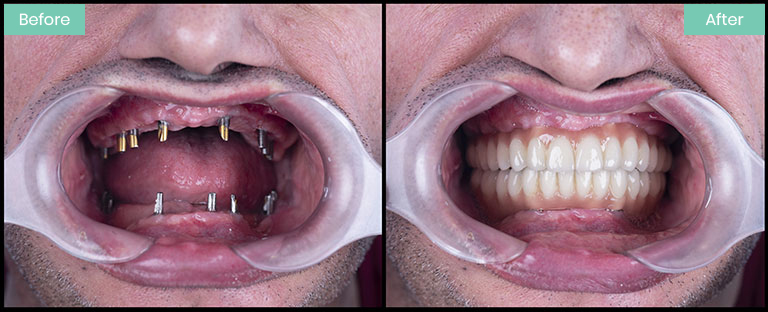
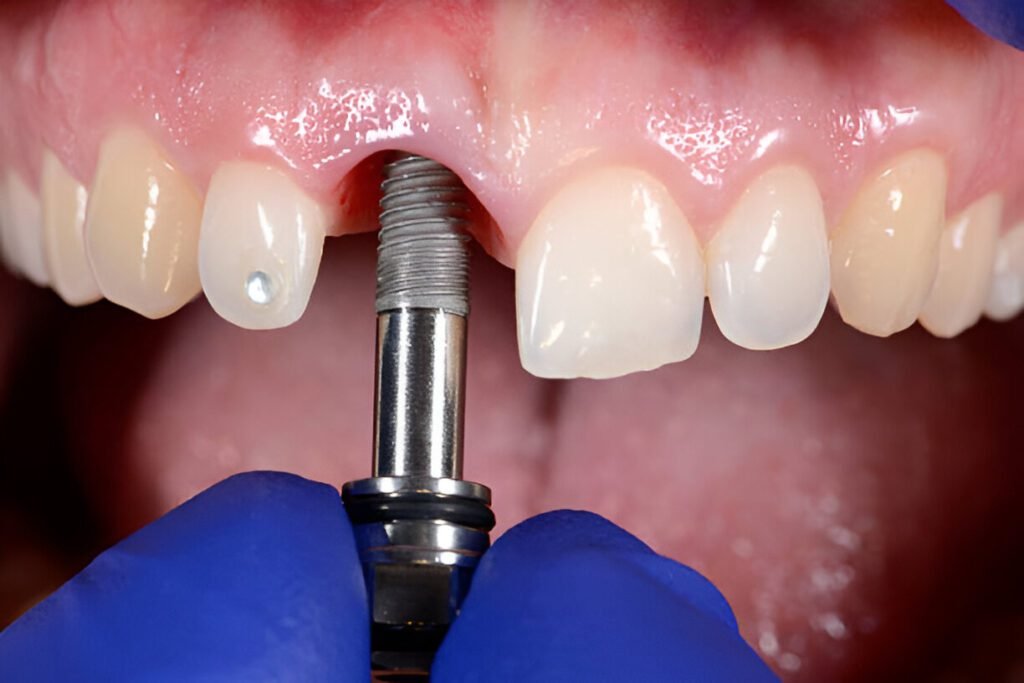
A dental implant is a small, screw-like post that is inserted into the jawbone to act as an anchor for a replacement tooth. Over time, the bone fuses with the implant in a process called osseointegration, creating a strong and permanent bond. This provides a stable base for a crown, bridge, or denture. At Albania Dental Implants, we understand the significance of this procedure and about Albania Dental Implants we offer comprehensive services to help restore your smile and confidence.
Types of Dental Implants Available in the UK
There are several types of dental implants available in the UK, each suited to different needs and situations. The most common types include:
- Endosteal Implants: These are the most widely used type, placed directly into the jawbone. They are suitable for most patients with good bone density.
- Subperiosteal Implants: These are placed under the gum but on top of the jawbone. They are used in cases where there is insufficient bone height for endosteal implants.
- All-on-4 Implants: This technique involves placing just four implants to support an entire arch of replacement teeth. It’s a cost-effective solution for those who need a full set of teeth replaced.
- Mini Dental Implants: These are smaller in diameter than traditional implants and are often used to stabilize dentures.
Who is a Candidate for Dental Implants?
Dental implants are a suitable option for many people, but not everyone is an ideal candidate. Good candidates typically:
- Have good overall health
- Have sufficient bone density in the jaw
- Are committed to maintaining good oral hygiene
- Do not smoke or have uncontrolled diabetes
Certain medical conditions, such as uncontrolled diabetes or severe gum disease, may affect the success of dental implants. A thorough evaluation by a qualified dentist is necessary to determine suitability.
Benefits of Tooth Implants
Dental implants offer numerous benefits compared to other tooth replacement options like dentures and bridges. These benefits include:
- Durability: Dental implants are a long-lasting solution that can last a lifetime with proper care.
- Natural Look and Feel: Implants look and function like natural teeth, providing a seamless and confident smile.
- Improved Speech: Unlike dentures, implants do not slip or move, allowing for clear and natural speech.
- Enhanced Comfort: Implants are permanently anchored in the jawbone, eliminating the discomfort associated with removable dentures.
- Better Oral Health: Implants do not require altering adjacent teeth, preserving more of your natural teeth.
- Increased Confidence: With a stable and natural-looking smile, implants can significantly boost self-esteem and confidence.
Tooth Implant Cost UK — What to Expect?
Understanding the dental implant cost is a crucial part of deciding whether to proceed with this treatment. The cost of dental implants in the UK can vary significantly based on several factors, including the type of implant, the complexity of the procedure, and the location of the clinic.
Average Costs (Private vs NHS)
The cost of dental implants can vary greatly between private clinics and the NHS.
- Private Dental Implants:
- Single Tooth Implant: £2,500 – £4,000
- All-on-4 Implants: £10,000 – £20,000 per arch
- Full Mouth Implants: £20,000 – £40,000
- NHS Dental Implants:
- Dental implants are rarely available on the NHS and are typically only offered in cases of medical necessity, such as after trauma or cancer surgery. When available, the cost is generally lower than private treatment but can still be significant.
Factors Affecting Price (Single Tooth Implant, Materials, Complexity)
Several factors can influence the price of dental implants:
- Number of Implants: The more implants required, the higher the overall cost. A single tooth implant will be less expensive than a full mouth restoration.
- Materials Used: The type of materials used for the implant post and crown can affect the price. Titanium implants are standard, but zirconia implants are also available and may be more expensive.
- Complexity of the Procedure: Additional procedures like bone grafting or sinus lifts can increase the cost.
- Location of the Clinic: Clinics in major cities or affluent areas may charge more than those in smaller towns.
- Dentist’s Experience: Highly experienced and qualified dentists may charge higher fees for their services.
Are dental implants available on the NHS in the UK?
NHS tooth implant availability is limited. Dental implants are rarely available on the NHS and are typically only offered in cases of medical necessity. This includes situations where tooth loss is the result of trauma, cancer surgery, or certain congenital conditions. Even in these cases, access can be restricted due to funding limitations and waiting lists.
Insurance and Financing Options
Paying for dental implants can be a significant investment, but there are several options available to make it more affordable:
- Dental Insurance: Some dental insurance plans may cover a portion of the cost of dental implants. It’s essential to check with your insurance provider to understand the extent of your coverage.
- Financing Plans: Many dental clinics offer financing plans that allow you to spread the cost of treatment over several months or years. These plans may have interest charges, so it’s essential to compare the terms and conditions.
- Personal Loans: You can also consider taking out a personal loan to cover the cost of dental implants. This may offer more flexible repayment terms than financing plans offered by dental clinics.
- Dental Tourism: For more affordable options, consider dental tourism in countries like Albania, where high-quality treatment is available at a fraction of the cost.
Tooth Implant Procedure UK — Step-by-Step
The dental implant procedure typically involves several steps, from the initial consultation to the final placement of the crown. Understanding the process can help alleviate anxiety and prepare you for what to expect.
Initial Consultation and Assessment
The first step is an initial consultation with a dentist who specializes in dental implants. During this appointment, the dentist will:
- Review your medical history
- Perform a thorough oral examination
- Take X-rays and CT scans to assess your jawbone density and identify any potential issues
- Discuss your treatment goals and options
Based on this assessment, the dentist will develop a personalized treatment plan and provide you with an estimated cost for the procedure.
Implant Placement (Surgery)
The implant placement is a surgical procedure that is typically performed under local anaesthesia. In some cases, sedation may be used to help you relax. The dentist will:
- Make an incision in the gum tissue to expose the jawbone
- Drill a small hole in the bone
- Insert the titanium implant post into the hole
- Suture the gum tissue around the implant
In some cases, a temporary healing cap may be placed on top of the implant. The implant will then be left to heal and integrate with the jawbone over several months.
Recovery and Integration
The recovery period after implant placement is crucial for successful osseointegration. During this time, the bone fuses with the implant, creating a strong and stable foundation. The recovery period typically lasts:
- Lower Jaw: 3-4 months
- Upper Jaw: 5-6 months
During this time, you may experience some discomfort, swelling, and bruising. Pain medication can help manage any discomfort. It’s essential to follow your dentist’s instructions for post-operative care, which may include:
- Eating soft foods
- Avoiding smoking
- Maintaining good oral hygiene
Fitting the Crown/Bridge/Denture
Once the implant has fully integrated with the jawbone, the final step is to attach the replacement tooth or teeth. This may involve:
- Abutment Placement: An abutment is a connector that is attached to the implant post and serves as a base for the crown, bridge, or denture.
- Crown Placement: A custom-made crown is attached to the abutment, providing a natural-looking and functional replacement tooth.
- Bridge or Denture Placement: For multiple missing teeth, a bridge or denture can be attached to several implants, providing a stable and long-lasting solution.
How much does a single tooth implant cost in the UK?
The cost of a single tooth implant in the UK typically ranges from £2,500 to £4,000. This includes the cost of the implant post, abutment, and crown. The price can vary based on the materials used, the complexity of the procedure, and the location of the clinic. It’s essential to consult with a dentist to get an accurate estimate for your specific situation.
Tooth Implants vs Alternatives
While tooth implants are an excellent solution for missing teeth, it’s essential to consider the alternatives and weigh the pros and cons of each option. The most common alternatives to dental implants are dental bridges and removable dentures.
Comparison with Dental Bridges
Dental bridges are a traditional method of replacing missing teeth. They involve:
- Grinding down the adjacent teeth to support a false tooth (pontic) in the gap.
- The bridge is then cemented onto the adjacent teeth, filling the space.
Pros of Dental Bridges:
- Lower upfront cost compared to dental implants.
- Shorter treatment time.
Cons of Dental Bridges:
- Requires altering adjacent teeth, which can weaken them over time.
- Less durable than dental implants and may need to be replaced every 5-10 years.
- Can be more difficult to clean, increasing the risk of decay and gum disease.
Comparison with Removable Dentures
Removable dentures are a less invasive option for replacing missing teeth. They are:
- Removable appliances that fit over the gums to replace missing teeth.
- They can be full dentures (replacing all teeth in an arch) or partial dentures (replacing some teeth).
Pros of Removable Dentures:
- Lowest upfront cost compared to dental implants and bridges.
- Non-invasive and do not require surgery.
Cons of Removable Dentures:
- Less stable than dental implants and can slip or move, affecting speech and eating.
- Can be uncomfortable and require frequent adjustments.
- May accelerate bone loss in the jaw.
- Can be difficult to clean and maintain.
What is the best alternative to dental implants?
The best alternative to dental implants depends on individual needs and circumstances. Dental bridges are a good option for those seeking a faster and less expensive solution, while dentures are suitable for those looking for a non-invasive and affordable option. However, dental implants offer the most durable, stable, and natural-looking result.
Pros and Cons of Each Option
Dental Implants:
- Pros: Durable, natural-looking, improved speech and comfort, better oral health, increased confidence.
- Cons: Higher cost, longer treatment time, requires surgery.
Dental Bridges:
- Pros: Lower cost, shorter treatment time.
- Cons: Requires altering adjacent teeth, less durable, can be difficult to clean.
Removable Dentures:
- Pros: Lowest cost, non-invasive.
- Cons: Less stable, uncomfortable, may accelerate bone loss, can be difficult to clean.
Aftercare and Longevity of Dental Implants
Proper dental implant aftercare is essential for ensuring the longevity and success of your implants. With proper care, dental implants can last a lifetime.
Post-Surgery Care
After the implant placement surgery, it’s essential to follow your dentist’s instructions for post-operative care. This may include:
- Taking pain medication as prescribed
- Applying ice packs to reduce swelling
- Eating soft foods
- Avoiding smoking
- Maintaining good oral hygiene
Maintenance Tips for Longevity
To ensure the long-term success of your dental implants, it’s essential to maintain good oral hygiene and follow these tips:
- Brush your teeth at least twice a day with a soft-bristled toothbrush.
- Floss daily to remove plaque and debris from around the implants.
- Use an interdental brush to clean hard-to-reach areas around the implants.
- Visit your dentist regularly for check-ups and professional cleanings.
- Avoid smoking and excessive alcohol consumption.
Signs of Complications & When to Seek Help
While dental implants are generally successful, complications can occur. It’s essential to recognize the signs of complications and seek help from your dentist promptly. These signs may include:
- Persistent pain or discomfort
- Swelling or inflammation around the implant
- Bleeding or pus around the implant
- Loose implant or crown
- Difficulty chewing or speaking
If you experience any of these symptoms, contact your dentist immediately.
How long do dental implants last?
How long do dental implants last in the UK? With proper care, dental implants can last a lifetime. However, factors such as oral hygiene, lifestyle, and overall health can affect their longevity. Regular dental check-ups and good oral hygiene practices are crucial for maintaining the health and stability of your implants.
Choosing the Best Dental Implants UK — Clinic & Dentist Tips
Choosing the best dental implants clinic and dentist is crucial for ensuring a successful outcome. Here are some tips to help you make the right choice:
What to Look for in a Dental Implant Clinic
When choosing a dental implant clinic, consider the following:
- Experience: Look for a clinic with extensive experience in dental implant procedures.
- Technology: Ensure the clinic uses advanced technology, such as 3D imaging and computer-guided surgery.
- Hygiene: The clinic should maintain high standards of hygiene and sterilization.
- Location: Choose a clinic that is conveniently located and easily accessible.
- Cost: Compare the costs of different clinics and ensure you understand what is included in the price.
Qualifications and Experience
When choosing a dentist, consider their qualifications and experience. Look for:
- Board Certification: Ensure the dentist is board-certified in implant dentistry or a related specialty.
- Training: Check if the dentist has completed advanced training in dental implant procedures.
- Experience: Look for a dentist with extensive experience in placing and restoring dental implants.
- References: Ask for references from previous patients and check online reviews.
Patient Testimonials and Reviews
Patient testimonials and reviews can provide valuable insights into the quality of care and the dentist’s expertise. Look for:
- Online Reviews: Check online review sites like Google, Yelp, and Facebook for patient reviews.
- Testimonials: Read testimonials on the clinic’s website and social media pages.
- Before and After Photos: Look for before and after photos of previous patients to assess the dentist’s skill and aesthetic results.
How do I find the best dental implant clinic near me?
To find the best dental implant clinic near you, start by asking for recommendations from your general dentist or friends and family. Research online, read reviews, and check the clinic’s credentials and experience. Schedule consultations with a few clinics to discuss your needs and assess their expertise and facilities.
Frequently Asked Questions
Here are some frequently asked questions about dental implants in the UK:
Is the tooth implant procedure painful?
The tooth implant procedure is typically performed under local anaesthesia, so you should not feel any pain during the surgery. After the procedure, you may experience some discomfort, swelling, and bruising, which can be managed with pain medication. Most patients report that the discomfort is manageable and subsides within a few days.
How long does it take to get a dental implant in the UK?
The total time to get a dental implant in the UK can range from several months to a year. This includes the initial consultation, implant placement surgery, recovery period (osseointegration), and the final placement of the crown, bridge, or denture. Factors such as bone grafting or sinus lifts can extend the treatment time.
What is the success rate for tooth implants in the UK?
The success rate for tooth implants in the UK is generally high, with most studies reporting a success rate of 95% or higher. Factors that can affect the success rate include the patient’s overall health, oral hygiene, and the dentist’s experience.
Can anyone get dental implants?
Dental implants are a suitable option for many people, but not everyone is an ideal candidate. Good candidates typically have good overall health, sufficient bone density in the jaw, are committed to maintaining good oral hygiene, and do not smoke or have uncontrolled diabetes. A thorough evaluation by a qualified dentist is necessary to determine suitability.
How do I care for my dental implant?
Caring for your dental implant involves maintaining good oral hygiene, including brushing your teeth at least twice a day, flossing daily, and using an interdental brush to clean hard-to-reach areas. Regular dental check-ups and professional cleanings are also essential for maintaining the health and stability of your implant.
What are the risks or potential complications?
While dental implants are generally safe and successful, there are some potential risks and complications, including infection, nerve damage, sinus problems, and implant failure. Choosing an experienced and qualified dentist can help minimize these risks.
Are there financing or payment plans available for tooth implants?
Yes, many dental clinics offer financing or payment plans to help make the cost of tooth implants more affordable. These plans may allow you to spread the cost of treatment over several months or years. You can also consider taking out a personal loan or exploring dental tourism options for more affordable treatment.
While options in the UK can be costly, we at Albania Dental Implants, we strive to provide transparent and affordable options for your consideration.
Conclusion
Tooth implants are a durable, natural-looking, and long-lasting solution for replacing missing teeth. While the cost can be significant, the benefits of improved speech, comfort, and confidence make them a worthwhile investment for many people. Whether you choose to have your implants placed in the UK or explore affordable options abroad, it’s essential to choose a qualified and experienced dentist and follow their instructions for post-operative care to ensure the success of your treatment.
Ready to take the next step toward a confident and healthy smile? Contact Albania Dental Implants today to schedule a consultation and learn more about our affordable and high-quality dental implant solutions.





