



Tooth Implants: The Complete Guide for Patients in the UK
Tooth implants are a revolutionary solution for missing teeth and oral rehabilitation, offering a permanent and natural-looking alternative to traditional dentures and bridges. This comprehensive guide is designed for patients in the UK, providing detailed information about what tooth implants are, how they work, and why they are becoming increasingly popular. If you’re considering restoring your smile and improving your quality of life, you’ve come to the right place.
1. Introduction to Tooth Implants: Dental Implants & Implant Dentistry
Are you tired of living with missing teeth? Do dentures feel uncomfortable or insecure? Dental implants, a cornerstone of modern implant dentistry, offer a robust and aesthetically pleasing solution. Think of a dental implant as an artificial tooth root, typically made of titanium, that is surgically placed into your jawbone. This provides a stable foundation for a replacement tooth that looks, feels, and functions just like your natural teeth. At Albania Dental Implants, we specialize in providing high-quality and affordable dental implant solutions.
Why are Tooth Implants a Popular Choice?
- Durability: Dental implants are designed to last a lifetime with proper care. As noted by the Oral Health Foundation, implants offer long term stability, helping maintain bone density.
- Natural Look and Feel: They closely mimic the appearance and function of natural teeth.
- Improved Confidence: Restore your smile and self-esteem with a secure and attractive tooth replacement.
- Enhanced Oral Health: Unlike bridges, implants don’t require altering adjacent teeth.
2. What Are Tooth Implants? Missing Tooth Replacement & Cosmetic Dentistry
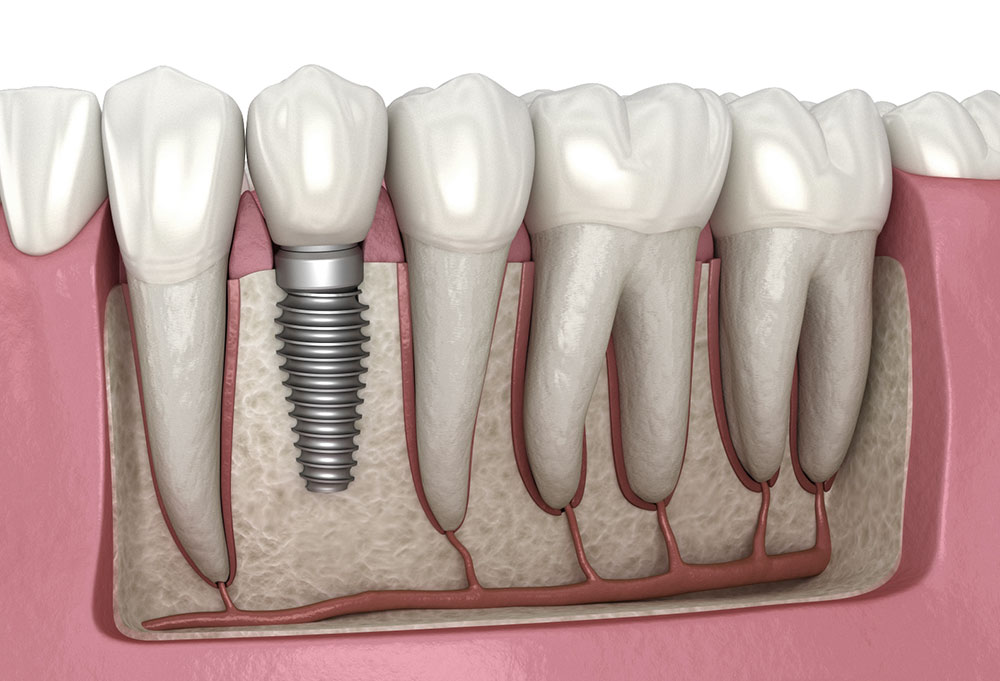
So, what exactly are tooth implants? In the realm of cosmetic dentistry, they are more than just a simple fix; they’re a long-term solution for missing tooth replacement. A dental implant is essentially a small titanium post that is surgically inserted into the jawbone, where it fuses with the bone over time through a process called osseointegration. This creates a strong, stable base for a replacement tooth (a crown), bridge, or even dentures.
Components of a Tooth Implant
- Implant Post: The titanium screw that anchors into the jawbone.
- Abutment: A connector piece that attaches to the implant post and supports the crown.
- Crown: The artificial tooth that is custom-made to match your natural teeth in size, shape, and color.
At Albania Dental Implants Services, we prioritize providing implants that are tailored to your specific needs.
3. Who Needs Tooth Implants? Implant Indications & Suitability
Wondering if you’re the right candidate for tooth implants? Tooth implants aren’t just about aesthetics; they’re about restoring function and preserving your overall oral health. Ideally, candidates for dental implants should have adequate bone density in the jaw to support the implant. However, even if you’ve experienced bone loss, procedures like bone grafting can help improve your suitability.
Situations Where Tooth Implants May Be Recommended:
- Missing one or more teeth: Implants can replace individual teeth without affecting adjacent teeth.
- Difficulty with dentures: Implants can provide a stable base for dentures, improving comfort and function.
- Desire for a permanent tooth replacement: Implants offer a long-lasting solution compared to bridges or dentures.
- Jawbone deterioration: Implants can help stimulate bone growth and prevent further bone loss.
Who Should Not Get Dental Implants?
Certain medical conditions and lifestyle factors can affect your suitability for dental implants. This is why you should read Who Should Not Get Dental Implants?
4. The Tooth Implant Procedure Explained: Implant Procedure, Single vs Multiple Implants, Immediate Load Implants, & Bone Grafting
The implant procedure might seem daunting, but it’s a well-established and predictable process. The exact steps can vary depending on your individual needs, including whether you require a single vs multiple implants, or if you’re a candidate for immediate load implants. For many, bone grafting is an important part of this treatment. Here’s a step-by-step overview:
Step-by-Step Guide to the Implant Procedure
- Initial Consultation and Assessment: A thorough examination, including X-rays or CT scans, to assess your bone density and overall oral health. At dental clinic in albania , we use advanced imaging technology to ensure precise planning.
- Implant Placement: The surgical placement of the titanium implant into your jawbone. This is typically performed under local anesthesia, with options for sedation if needed.
- Osseointegration: A healing period of several months, allowing the implant to fuse with the jawbone.
- Abutment Placement: Once osseointegration is complete, a small connector piece (abutment) is attached to the implant.
- Crown Placement: Finally, a custom-made crown is attached to the abutment, completing your new tooth.
5. Types of Tooth Implants: Mini Implants, All-on-4, & Implant-Supported Dentures
Not all tooth implants are created equal. Depending on your specific needs and situation, different types of tooth implants may be recommended. Some of the common ones are:
Exploring Different Types of Implants
- Mini Implants: Smaller in diameter than traditional implants, they are often used to stabilize dentures.
- All-on-4 Implants: A technique that uses only four implants to support an entire arch of teeth, offering a cost-effective and efficient solution.
- Implant-Supported Dentures: Dentures that attach to implants, providing greater stability and comfort than traditional dentures. Our clients can visit Albania to take the treatment of implant overdentures in albania
6. Costs and Options for Tooth Implants in the UK: Implant Costs UK, NHS vs Private Implants, & Implant Clinics UK
One of the most pressing concerns for patients is understanding the implant costs UK. The cost of dental implants in the UK can vary significantly based on several factors, including the number of implants needed, the complexity of the procedure, and the location of the clinic.
Factors Affecting the Cost of Tooth Implants
- Type of Implant: Different types of implants, such as mini implants or All-on-4, have varying costs.
- Bone Grafting: If bone grafting is required, it will add to the overall cost.
- Clinic Location: Prices can vary depending on the location of the dental clinic in the UK.
- Dentist’s Experience: Highly experienced dentists may charge more for their services.
7. Benefits & Risks of Tooth Implants: Implant Benefits, Implant Risks, & Long-Term Results
Like any medical procedure, tooth implants come with both implant benefits and potential implant risks. Understanding these aspects is crucial for making an informed decision and setting realistic expectations. While the potential downsides exist, the long-term benefits and high success rates make dental implants a compelling option for many.
Benefits of Tooth Implants
- Improved Oral Health: Implants don’t require altering adjacent teeth, promoting better long-term oral health.
- Enhanced Appearance: They look and feel like natural teeth, improving your smile and confidence.
- Increased Comfort: Implants are stable and secure, eliminating the discomfort of dentures.
- Improved Speech: Unlike dentures, implants allow you to speak clearly and confidently.
- Long-Term Durability: With proper care, implants can last a lifetime. As per NHS guidance, dental implants are very durable.
At cost of dental implants in albania, we have many patients traveling from UK due to lower cost.
8. Aftercare and Recovery Following Tooth Implants: Implant Aftercare
Proper implant aftercare is crucial for ensuring the success and longevity of your dental implants. Following your dentist’s instructions carefully during the recovery period will help prevent complications and promote optimal healing. Here are some key aspects of aftercare:
Essential Tips for a Smooth Recovery
- Follow Post-Operative Instructions: Adhere to your dentist’s specific instructions regarding pain management, diet, and oral hygiene.
- Maintain Good Oral Hygiene: Gently brush and floss around the implant site, using a soft-bristled toothbrush and non-abrasive toothpaste.
- Avoid Hard and Sticky Foods: Stick to a soft diet during the initial healing period to avoid putting excessive pressure on the implant site.
- Attend Follow-Up Appointments: Regular check-ups with your dentist are essential for monitoring the healing process and addressing any potential issues.
9. Comparing Alternatives to Tooth Implants: Bridges vs Implants & Dentures vs Implants
While tooth implants are an excellent solution for many, it’s essential to consider the alternatives and weigh the pros and cons of each option. The main comparisons are bridges vs implants and dentures vs implants.
A Closer Look at Alternative Options
- Dental Bridges: Fixed appliances that replace a missing tooth by attaching to adjacent teeth.
- Pros: Less invasive than implants, lower initial cost.
- Cons: Requires altering adjacent teeth, shorter lifespan than implants.
- Dentures: Removable appliances that replace multiple or all teeth in an arch.
- Pros: Less expensive than implants, non-invasive.
- Cons: Can be uncomfortable and unstable, may affect speech and taste, require regular adjustments and replacements.
10. Frequently Asked Questions About Tooth Implants: Key Patient Questions & Detailed Answers
Let’s address some of the most common questions patients have about tooth implants.
What are tooth implants and how do they work?
Tooth implants are artificial tooth roots, usually made of titanium, surgically placed into the jawbone. They fuse with the bone over time, providing a stable base for a replacement tooth (crown).
Am I a suitable candidate for tooth implants?
Ideal candidates have good overall health, adequate bone density in the jaw, and healthy gums. A thorough evaluation by a dentist is necessary to determine suitability.
How long does the implant procedure take?
The entire process, from initial consultation to final crown placement, can take several months, depending on individual healing times and the need for additional procedures like bone grafting. As mentioned in How long do you go without teeth when getting implants? we offer various temporary solutions to restore your smile.
Are tooth implants safe?
Tooth implants are generally considered safe, with a high success rate. However, like any surgical procedure, there are potential risks, such as infection, nerve damage, and implant failure.
What is the average cost of dental implants in the UK?
The average cost of a single dental implant in the UK can range from £2,000 to £4,000 or more, depending on various factors. Why are dental implants so expensive in UK?
Do NHS dentists offer tooth implants or are they only available privately?
Tooth implants are not routinely available on the NHS and are primarily offered privately. In some cases, the NHS may provide implants if there is a medical need.
How long do tooth implants last?
With proper care and maintenance, tooth implants can last a lifetime. Regular dental check-ups and good oral hygiene are essential for long-term success.
Is the implant procedure painful?
The implant procedure is typically performed under local anesthesia, minimizing discomfort. Some patients may experience mild pain or soreness after the procedure, which can be managed with over-the-counter pain medication. In the article How painful are dental implants? we offer a detailed explanation.
What is the difference between tooth implants and bridges or dentures?
Tooth implants are a permanent solution that replaces the entire tooth structure, while bridges and dentures are removable appliances that rest on the gums or attach to adjacent teeth. As explained in Is a Dental Bridge Better Than an Implant?
What is All-on-4, and when is it used?
All-on-4 is a technique that uses only four implants to support an entire arch of teeth. It’s often used for patients who have lost most or all of their teeth in one or both jaws.
What aftercare is needed after implants are placed?
After implants are placed, it’s essential to maintain good oral hygiene, follow your dentist’s instructions regarding diet and pain management, and attend regular follow-up appointments.
Can smokers get tooth implants?
Smoking can significantly increase the risk of implant failure. While smokers can get tooth implants, they may have a lower success rate and may need to quit smoking to improve their chances of success.
What are the risks and complications of tooth implants?
Potential risks and complications include infection, nerve damage, implant failure, and sinus problems. These risks are relatively low, but it’s essential to discuss them with your dentist before proceeding with the procedure.
How do I choose the right clinic for tooth implants in the UK?
When choosing a clinic for tooth implants, consider factors such as the dentist’s experience and qualifications, the technology and equipment used, the clinic’s reputation, and the cost of treatment.
Conclusion
Tooth implants offer a life-changing solution for missing teeth, restoring your smile, confidence, and overall quality of life. While the cost may seem significant, the long-term benefits and durability of implants make them a worthwhile investment. At Albania Dental Implants, we are dedicated to providing high-quality and affordable dental implant solutions, combining expert care with the benefits of dental tourism in Albania.
Ready to take the first step towards a brighter, healthier smile? Contact Albania Dental Implants today to schedule a consultation and learn more about how tooth implants can transform your life.