




Tooth Replacement: Comprehensive Guide to Restoring Your Smile
Tooth replacement is essential for anyone facing the challenges of a missing tooth, impacting not only your smile’s aesthetics but also your overall dental health and well-being. Whether you’re exploring options due to an accident, decay, or other reasons, this comprehensive guide will walk you through the various tooth replacement options available, the procedures involved, the associated costs in the UK, and answer some frequently asked questions to help you make an informed decision.
What is Tooth Replacement?
missing tooth options
Tooth replacement refers to any method used to fill the gap left by a missing tooth. This can involve a variety of techniques and materials designed to restore the function and appearance of your smile. Leaving a gap can lead to several problems, including shifting of adjacent teeth, difficulty chewing, bone loss in the jaw, and speech impediments.
Why is tooth replacement important for dental health and appearance?
Replacing missing teeth is crucial for several reasons:
- Maintaining Alignment: When a tooth is lost, surrounding teeth can shift into the empty space, leading to misalignment and bite problems.
- Preventing Bone Loss: Teeth stimulate the jawbone. When a tooth is missing, the bone in that area can deteriorate over time.
- Improving Chewing Ability: Missing teeth can make it difficult to chew properly, leading to digestive issues and limiting your food choices.
- Enhancing Appearance and Confidence: A complete smile boosts confidence and improves your overall appearance, positively impacting social interactions and self-esteem. Replacing missing front teeth is paramount.
Several options are available for tooth replacement, each with its own advantages and disadvantages. Let’s explore some of the most common methods.
Dental Implants: The Gold Standard for Tooth Replacement
dental implants
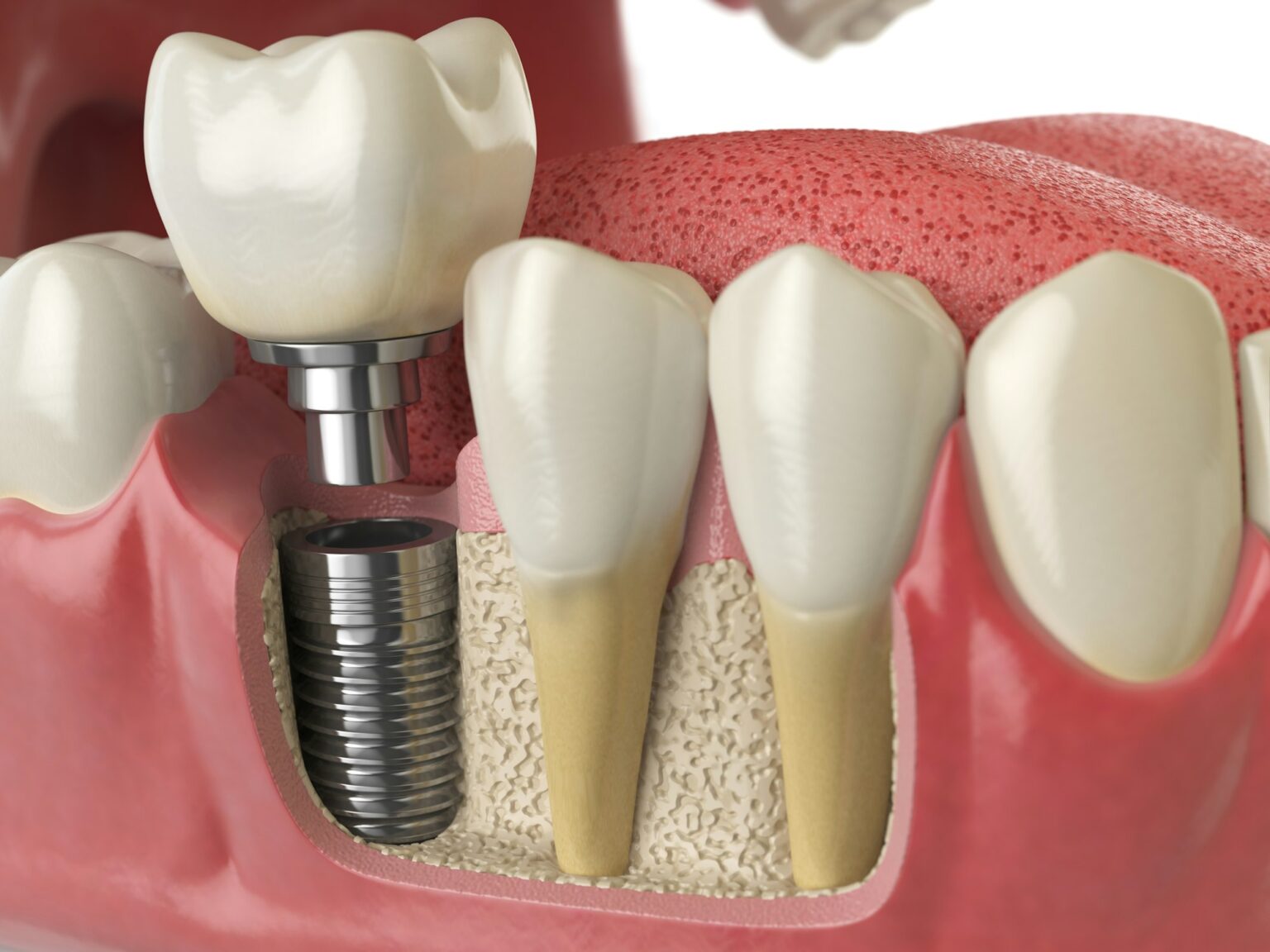
Dental implants are widely considered the gold standard for tooth replacement due to their longevity, stability, and natural appearance. They are a permanent solution that involves surgically placing a titanium post into the jawbone to act as an artificial tooth root.
What are dental implants?
Dental implants are artificial tooth roots, usually made of titanium, that are surgically placed into the jawbone. Over time, the bone fuses with the implant in a process called osseointegration, providing a stable foundation for a replacement tooth or crown. Dental implants in Albania are a viable option for those looking to save money.
Procedure overview
The dental implant procedure typically involves several steps:
- Consultation and Assessment: The dentist evaluates your oral health, takes X-rays or CT scans, and determines if you are a suitable candidate for dental implants.
- Implant Placement: The implant is surgically placed into the jawbone. This may require a local anaesthetic or sedation, depending on your comfort level.
- Osseointegration: This is the healing period, which can take several months, during which the bone fuses with the implant. Temporary tooth replacement options can be used.
- Abutment Placement: Once osseointegration is complete, an abutment (a connector) is attached to the implant.
- Crown Placement: A custom-made crown, designed to match your natural teeth, is attached to the abutment, completing the tooth replacement.
Longevity, pros, and cons
- Pros:
- Long-lasting: With proper care, dental implants can last a lifetime.
- Natural Look and Feel: They closely resemble natural teeth in both appearance and function.
- Improved Oral Health: Implants do not require altering adjacent teeth, as with bridges.
- Bone Preservation: Implants stimulate bone growth, preventing bone loss in the jaw.
- Cons:
- Higher Cost: Dental implants are generally more expensive than other tooth replacement options.
- Surgical Procedure: Implant placement requires surgery, which carries some risks, such as infection or nerve damage.
- Time Commitment: The entire process can take several months to complete.
Ideal candidates
Ideal candidates for dental implants generally have good oral health, sufficient bone density in the jaw, and are committed to maintaining good oral hygiene. Those with uncontrolled diabetes or heavy smokers may not be suitable candidates. A consultation with a dentist is essential to determine if dental implants are the right option for you. If you don’t have enough bone for dental implants, a bone graft will likely be needed.
Dentures: Affordable and Removable Tooth Replacement
dentures
Dentures are a removable missing tooth options designed to replace missing teeth and surrounding tissues. They are a more affordable option compared to dental implants, but they also come with their own set of considerations.
Types (full, partial)
There are two main types of dentures:
- Full Dentures: These are used when all the teeth in an arch (upper or lower) are missing. They rest directly on the gums.
- Partial Dentures: These are used when some natural teeth remain. They attach to the remaining teeth with clasps or attachments to provide stability. Snap-in dentures can be used.
Fitting process
The process of getting dentures typically involves several appointments:
- Initial Consultation: The dentist examines your mouth, takes impressions, and determines the best type of denture for your needs.
- Impressions: Accurate impressions of your gums and remaining teeth (if any) are taken to create a model for the denture.
- Try-in Appointment: A wax model of the denture is created, allowing you to try it in and make adjustments to the fit, appearance, and bite.
- Final Fitting: The final denture is fabricated and fitted. Adjustments may be needed to ensure a comfortable and secure fit.
Pros and cons
- Pros:
- Affordable: Dentures are generally less expensive than dental implants or bridges.
- Non-Invasive: The fitting process does not require surgery.
- Improved Appearance: Dentures can significantly improve your smile and facial aesthetics.
- Cons:
- Less Stable: Dentures can be less stable than implants or bridges and may require adhesives.
- Comfort Issues: Some people find dentures uncomfortable, especially when eating or speaking.
- Bone Loss: Dentures do not stimulate bone growth and can contribute to bone loss in the jaw over time.
Cost comparison to implants
Dentures are typically significantly cheaper than dental implants. While the exact cost varies depending on the type of denture and the clinic, you can expect to pay considerably less for dentures compared to the upfront cost of dental implants. However, it’s important to consider the long-term costs and benefits of each option, as implants may offer better value over time due to their longevity and stability. If you are considering getting dental work, then it’s important to consider the overall cost of dental implants.
Dental Bridges: Fixed Tooth Replacement Options
dental bridges
Dental bridges are fixed missing tooth options used to replace one or more missing teeth. They consist of a false tooth (pontic) that is held in place by abutment teeth (teeth adjacent to the gap) that have been fitted with crowns.
What is a dental bridge?
A dental bridge is a prosthetic device that bridges the gap created by one or more missing teeth. The bridge is anchored to the adjacent teeth, providing a stable and natural-looking tooth replacement.
How does it work?
The dental bridge procedure typically involves the following steps:
- Preparation of Abutment Teeth: The abutment teeth are prepared by removing some enamel to make room for the crowns.
- Impressions: Impressions of your teeth are taken to create a model for the bridge.
- Bridge Fabrication: A custom-made bridge is fabricated in a dental laboratory.
- Cementation: The bridge is cemented onto the abutment teeth, filling the gap with the pontic.
Pros, cons, and costs
- Pros:
- Fixed Solution: Bridges are a fixed tooth replacement option, providing stability and convenience.
- Improved Appearance: Bridges can restore your smile and improve your facial aesthetics.
- Relatively Affordable: Bridges are generally less expensive than dental implants.
- Cons:
- Requires Altering Adjacent Teeth: Bridges require the preparation of adjacent teeth, which can weaken them.
- Risk of Decay: The abutment teeth are at risk of decay and gum disease if not properly cared for.
- Bone Loss: Bridges do not stimulate bone growth and can contribute to bone loss in the jaw.
Suitability
Dental bridges are suitable for people who have one or more missing teeth and healthy adjacent teeth to support the bridge. They are also a good option for those who are not candidates for dental implants or prefer a less invasive solution. Is a dental bridge better than an implant? This is something you should discuss with your dentist. The cost of a dental bridge in the UK is something to factor in.
Tooth Replacement Procedure: What to Expect
tooth replacement procedure, tooth extraction and replacement
Understanding what to expect during the tooth replacement procedure can help alleviate anxiety and prepare you for the process. The specifics will vary depending on the option you choose (dental implants, dentures, or bridges), but there are some general steps involved.
Overview from consultation to aftercare
- Initial Consultation: This is the first step, where the dentist evaluates your oral health, discusses your options, and creates a treatment plan.
- Preparation: This may involve tooth extraction, bone grafting (if needed for implants), or preparation of abutment teeth (for bridges).
- Placement/Fitting: This is where the tooth replacement is placed or fitted. For implants, this involves surgical placement; for dentures, it involves fitting the denture; and for bridges, it involves cementing the bridge onto the abutment teeth.
- Follow-up Care: Regular check-ups are essential to monitor the success of the tooth replacement and address any issues that may arise.
- Aftercare: Proper oral hygiene is crucial for maintaining the longevity of your tooth replacement. This includes regular brushing, flossing, and professional cleanings.
Timeline for different options
- Dental Implants: The entire process can take several months, from initial consultation to final crown placement.
- Dentures: The fitting process typically takes several weeks, with multiple appointments for impressions, try-ins, and final adjustments.
- Dental Bridges: The procedure can usually be completed in two to three appointments over a few weeks.
Pain and recovery
The level of pain and the duration of recovery will depend on the type of tooth replacement you choose. Implants may involve some post-operative discomfort, which can be managed with pain medication. Dentures may cause some initial soreness as you adjust to wearing them. Bridges typically have minimal discomfort after the cementation process. It’s common for dental patients to wonder “How painful is a dental implant?”.
Cost of Tooth Replacement in the UK
cost of tooth replacement
Understanding the cost of tooth replacement in the UK is a crucial factor in making an informed decision. The prices can vary widely depending on the type of tooth replacement, the materials used, and the clinic location.
Average costs of implants, dentures, and bridges
- Dental Implants: A single dental implant can range from £2,000 to £4,000 or more, depending on the complexity of the case and the materials used.
- Dentures: Full dentures can cost between £600 and £2,000 per arch (upper or lower), while partial dentures may range from £400 to £1,500.
- Dental Bridges: A traditional dental bridge can cost between £700 and £2,000, depending on the number of teeth involved and the materials used.
Factors influencing price (materials, clinic location)
Several factors can influence the price of tooth replacement:
- Materials: The type of materials used for the tooth replacement (e.g., titanium for implants, porcelain for crowns) can affect the cost.
- Clinic Location: Prices tend to be higher in urban areas or in clinics with advanced technology and experienced specialists.
- Complexity of the Case: More complex cases, such as those requiring bone grafting or sinus lifts, may incur additional costs.
- NHS vs. Private Treatment: Treatment through the NHS may be more affordable, but it may also have limitations in terms of available options and waiting times.
NHS vs private treatment
The NHS offers some tooth replacement options, such as dentures and bridges, at a lower cost compared to private treatment. However, the availability of dental implants on the NHS is limited and usually only offered in cases of medical necessity. Private treatment offers a wider range of options, materials, and potentially shorter waiting times, but at a higher cost. Is it possible to get dental implants on the NHS? You should also consider dental implants in Albania for more cost-effective options.
Choosing the Best Tooth Replacement Option for You
best tooth replacement methods
Choosing the best tooth replacement methods requires careful consideration of your individual needs, preferences, and circumstances. There is no one-size-fits-all solution, and the optimal choice will depend on several factors.
Suitability by age, health, tooth location (front/molar)
- Age: While there is no strict upper age limit for tooth replacement, younger patients may benefit more from long-lasting solutions like dental implants.
- Health: Certain health conditions, such as diabetes or autoimmune diseases, can affect the success of some tooth replacement options.
- Tooth Location: The location of the missing tooth can also influence the choice. Front teeth may require more attention to aesthetics, while molars may require stronger, more durable solutions.
Aesthetic and functional considerations
Aesthetic considerations are particularly important for front teeth, where a natural-looking appearance is crucial. Dental implants and high-quality bridges can provide excellent aesthetic results. Functional considerations are important for all teeth, ensuring that the tooth replacement restores your ability to chew and speak properly.
Temporary vs permanent solutions
Temporary tooth replacement options, such as removable partial dentures or flippers, can be used as a short-term solution while you wait for a more permanent option. Permanent solutions, such as dental implants or fixed bridges, offer long-term stability and function. To cover your missing teeth while waiting for the implant, there are temporary solutions available.
Tooth Replacement for Front Teeth: Unique Considerations
tooth replacement for front teeth
Tooth replacement for front teeth requires special attention due to the cosmetic importance of this area. The goal is to achieve a seamless and natural-looking result that blends in with your existing teeth.
Cosmetic importance
The appearance of your front teeth significantly impacts your smile and overall facial aesthetics. When replacing front teeth, it’s crucial to consider the shape, size, color, and alignment of the tooth replacement to achieve a harmonious and natural-looking result.
Special challenges and solutions
Replacing front teeth can present some unique challenges, such as:
- Achieving a Natural Appearance: Matching the color and translucency of adjacent teeth can be difficult.
- Ensuring Proper Alignment: The tooth replacement must be properly aligned to avoid gaps or overlaps.
- Maintaining Gumline Aesthetics: The gumline around the tooth replacement should look natural and symmetrical.
Solutions may include using high-quality materials like porcelain or zirconia, working with a skilled cosmetic dentist, and considering techniques like gum grafting to improve the gumline aesthetics. Albania Dental Implants services are available.
Temporary Tooth Replacement Solutions
temporary tooth replacement
Temporary tooth replacement solutions are often recommended when you need to wait for a more permanent option, such as during the osseointegration period for dental implants or while a bridge is being fabricated. These solutions can help maintain your appearance and function during the interim period.
Situations when temporary options are recommended
Temporary tooth replacement options are commonly recommended in the following situations:
- Waiting for Dental Implants: After implant placement, it can take several months for the bone to fuse with the implant.
- During Bridge Fabrication: While a dental bridge is being custom-made in a dental laboratory.
- After Tooth Extraction: To maintain aesthetics and prevent shifting of adjacent teeth while you consider permanent options.
Pros and cons
- Pros:
- Maintains Aesthetics: Prevents a visible gap in your smile.
- Prevents Shifting of Teeth: Holds the space open, preventing adjacent teeth from drifting into the gap.
- Improved Function: Can help with chewing and speech during the interim period.
- Cons:
- Less Stable: Temporary options are generally less stable than permanent solutions.
- May Require Adjustments: Temporary tooth replacements may require adjustments to ensure a comfortable fit.
- Not a Long-Term Solution: Temporary options are not designed for long-term use and should be replaced with a permanent solution.
Aftercare and Longevity of Tooth Replacement
permanent tooth replacement
Proper aftercare is essential for maximizing the lifespan and success of your permanent tooth replacement. Whether you choose dental implants, dentures, or bridges, following the recommended care instructions is crucial.
Care instructions for implants, dentures, and bridges
- Dental Implants:
- Brush and floss daily, paying close attention to the area around the implant.
- Use a soft-bristled toothbrush and non-abrasive toothpaste.
- Visit your dentist regularly for professional cleanings and check-ups.
- Dentures:
- Remove and clean your dentures daily with a denture brush and denture cleaner.
- Soak your dentures in water or a denture-cleaning solution overnight.
- Visit your dentist regularly for check-ups and adjustments.
- Dental Bridges:
- Brush and floss daily, paying close attention to the area around the abutment teeth and under the pontic.
- Use a floss threader to clean under the pontic.
- Visit your dentist regularly for professional cleanings and check-ups.
Expected lifespans
- Dental Implants: With proper care, dental implants can last a lifetime.
- Dentures: Dentures typically last for 5 to 10 years, depending on the materials used and how well they are maintained.
- Dental Bridges: Bridges can last for 10 to 15 years, but may require replacement over time due to wear and tear or decay of the abutment teeth.
Signs a replacement needs attention
It’s important to be aware of the signs that your tooth replacement may need attention. These may include:
- Pain or discomfort
- Loose or wobbly teeth/dentures/bridges
- Swelling or inflammation of the gums
- Difficulty chewing or speaking
- Changes in bite
If you experience any of these signs, it’s important to contact your dentist promptly for an evaluation and treatment.
Frequently Asked Questions About Tooth Replacement
Here are some frequently asked questions about tooth replacement:
What is the best tooth replacement option for me?
The best tooth replacement option for you depends on several factors, including your oral health, bone density, budget, and personal preferences. Dental implants are generally considered the gold standard due to their longevity and natural feel, but dentures and bridges can also be effective options. A consultation with a dentist is essential to determine the best choice for your individual needs.
How long does a dental implant last?
With proper care and maintenance, a dental implant can last a lifetime. The implant itself is made of titanium, a biocompatible material that fuses with the jawbone. However, the crown (the visible part of the tooth replacement) may need to be replaced every 10 to 15 years due to wear and tear.
Are dentures comfortable?
Modern dentures are designed to be more comfortable than traditional dentures, but some people still find them uncomfortable, especially when eating or speaking. Proper fitting and adjustments are crucial for maximizing comfort. Implant-supported dentures can provide greater stability and comfort compared to traditional dentures. If you find that dentures are not the answer, you might ask, “Are snap-in dentures cheaper than implants?”.
How much does tooth replacement cost in the UK?
The cost of tooth replacement in the UK varies depending on the type of replacement. Dental implants can range from £2,000 to £4,000 per implant, full dentures can cost between £600 and £2,000 per arch, and dental bridges can range from £700 to £2,000. This is more about dental implant cost UK.
Can I get tooth replacement on the NHS?
The NHS offers some tooth replacement options, such as dentures and bridges, at a lower cost compared to private treatment. However, the availability of dental implants on the NHS is limited and usually only offered in cases of medical necessity.
How soon after extraction can I get a replacement?
The timeline for getting a tooth replacement after extraction depends on the option you choose. Immediate implants can be placed at the time of extraction, while traditional implants may require a waiting period of several months to allow the bone to heal. Dentures and bridges can usually be fitted within a few weeks or months after extraction.
Do tooth replacements look natural?
Modern tooth replacements are designed to look very natural. Dental implants and high-quality bridges can closely resemble natural teeth in both appearance and function. Dentures can also be made to look natural, but it’s important to work with a skilled dentist who can customize the fit and appearance of the denture.
Is tooth replacement painful?
The level of pain associated with tooth replacement varies depending on the procedure. Dental implant placement may involve some post-operative discomfort, which can be managed with pain medication. Dentures may cause some initial soreness as you adjust to wearing them. Bridges typically have minimal discomfort after the cementation process.
What are temporary tooth replacement options?
Temporary tooth replacement options include removable partial dentures (flippers), temporary bridges, and implant-supported temporary crowns. These options can help maintain your appearance and function while you wait for a more permanent solution.
How do I care for my replacement tooth?
Proper oral hygiene is essential for caring for your replacement tooth. This includes brushing and flossing daily, using a soft-bristled toothbrush and non-abrasive toothpaste, and visiting your dentist regularly for professional cleanings and check-ups. For dentures, it’s important to remove and clean them daily with a denture brush and denture cleaner.
Are there risks or side effects?
All tooth replacement options carry some risks or side effects. Dental implants may involve risks such as infection or nerve damage. Dentures may cause soreness or discomfort. Bridges may increase the risk of decay on the abutment teeth. It’s important to discuss these risks with your dentist and follow their recommendations for minimizing them.
Can children have tooth replacement?
Tooth replacement in children is usually limited to temporary options, such as removable partial dentures, as their jaws are still growing. Permanent solutions, such as dental implants, are typically not recommended until the jaw has fully developed.
Conclusion
Tooth replacement is a significant decision that can greatly improve your oral health, appearance, and overall quality of life. By understanding the various options available – including dental implants, dentures, and bridges – and carefully considering your individual needs and circumstances, you can make an informed choice that’s right for you. We invite you to contact Albania Dental Implants today to schedule a consultation and explore the best tooth replacement solution for your smile. Ask about all on 4 dental implants in Albania.





