




What is a Tooth Transplant and Does the NHS Provide It?
NHS dental tooth transplant options, while not as common as other treatments, can be a viable solution for specific cases. A tooth transplant, also known as dental autotransplantation, involves moving a tooth from one location in your mouth to another. This usually involves moving a tooth that isn’t needed, like a wisdom tooth, to replace a damaged or missing tooth.
Tooth transplantation NHS availability is limited, as it is a highly specialised procedure. It’s different from standard treatments like implants or bridges, and is generally considered when other options aren’t suitable. The NHS tends to prioritise treatments based on clinical need and cost-effectiveness, which can influence whether a tooth transplant is offered.
Definition of Tooth Transplant and Dental Autotransplantation
Dental autotransplantation involves surgically moving a tooth from one site to another within the same individual’s mouth. This is typically done when a tooth is missing or damaged and a suitable donor tooth is available elsewhere in the mouth. The ideal donor tooth is often a wisdom tooth, as these are frequently extracted and may be a good fit for the socket of the missing tooth.
Availability under NHS and how it differs from standard treatments
While the NHS does offer a range of dental treatments, NHS dental tooth transplants aren’t widely available. Standard treatments such as dental implants, bridges, and dentures are more commonly offered due to their higher success rates and cost-effectiveness. The availability of tooth transplants depends on the specific circumstances of the patient and the resources available at the dental hospital or specialist clinic. Given this limited availability of tooth transplants, exploring options abroad, such as dental tourism in Albania at Albania Dental Implants, may be worth considering to address your dental needs.
Eligibility Criteria for Tooth Transplant on the NHS
Understanding the eligibility for tooth transplant NHS is crucial before pursuing this treatment option. Like any medical procedure offered on the NHS, strict criteria must be met. If you are considering a tooth transplant NHS will assess your needs carefully.
NHS Requirements (Age, Oral Health, Medical Need)
The NHS has specific requirements for patients seeking a tooth transplant. These typically include:
- Age: Younger patients, particularly adolescents, are often considered more suitable candidates as their jaws are still developing, and the transplanted tooth has a higher chance of integrating successfully.
- Oral Health: Good overall oral hygiene is essential. Patients must have healthy gums and sufficient bone structure to support the transplanted tooth.
- Medical Need: The transplant must be deemed clinically necessary, usually to replace a tooth lost due to trauma, disease, or congenital absence.
Assessment and Referral Process via NHS Dentists
The process usually begins with a thorough assessment by your general NHS dentist. If a tooth transplant seems like a viable option, they will refer you to a specialist, such as an oral surgeon or a consultant at a dental hospital. The specialist will conduct further evaluations, including X-rays and scans, to determine if you meet the NHS dental implant criteria and if the transplant is likely to be successful. The dental referrals NHS dentists make are critical for accessing specialist services.
How Much Does a Tooth Transplant Cost with the NHS?
The cost of tooth transplant NHS treatment is an important consideration for patients. NHS dental charges are structured into different bands, depending on the complexity of the treatment needed. Understanding these bands can help you estimate the potential expenses.
NHS Bands and What is Covered
NHS dental treatments are divided into three main bands:
- Band 1: This covers examinations, diagnosis, and advice, as well as simple treatments like fluoride applications.
- Band 2: This includes everything in Band 1, plus additional treatments such as fillings, root canal work, and extractions.
- Band 3: This covers everything in Bands 1 and 2, along with more complex procedures like crowns, dentures, and bridges.
Because tooth transplants are a highly specialised procedure, they might fall under Band 3 or require a separate assessment for funding approval. Keep in mind that some aspects might not be fully covered, requiring you to contribute to the overall cost. The NHS dental treatment coverage does have its limitations.
Breakdown of Potential Extra Costs & Private vs NHS Cost Comparison
Even with NHS coverage, there may be potential extra costs to consider:
- Specialist Consultations: Initial assessments with specialists may incur additional charges.
- Complex Procedures: If the transplant requires extensive preparatory work or follow-up treatments, these might not be fully covered.
- Cosmetic Enhancements: If you desire cosmetic improvements after the transplant, these are usually not included in NHS coverage.
Compared to private dental care, the NHS offers significantly lower costs, but with longer waiting times and limited availability. Private tooth transplants can be considerably more expensive but provide quicker access and a wider range of options. However, considering options abroad, such as exploring the cost of dental implants in Albania at Albania Dental Implants, may provide you with more affordable solutions.
Tooth Transplant vs Dental Implants on the NHS
When considering options for replacing a missing tooth, it’s essential to understand the difference between a tooth implant vs tooth transplant NHS. Both aim to restore function and aesthetics, but they involve very different approaches.
Procedure Differences, Indications, Prognosis
- Tooth Transplant: This involves moving a tooth from one location in your mouth to another. It’s typically done when a healthy, but perhaps unnecessary tooth (like a wisdom tooth) can be used to replace a damaged or missing one. The success of a tooth transplant depends on factors like the age of the patient, the health of the donor tooth, and the skill of the surgeon.
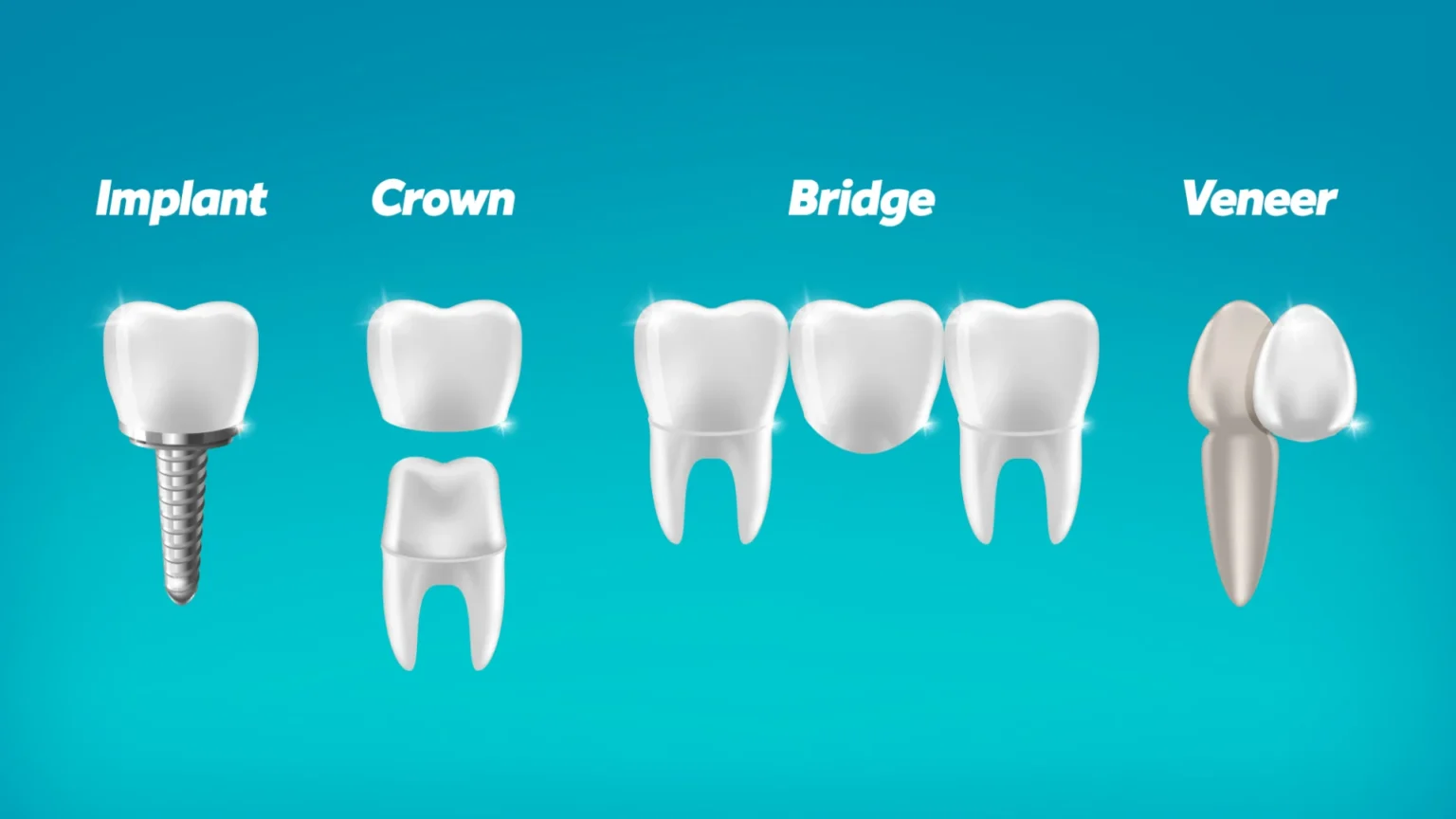
- Dental Implant: This involves surgically placing a titanium post into the jawbone, which then acts as an anchor for a replacement tooth. Dental implants are a more predictable and widely available option, especially for adults.
The prognosis for dental implants is generally very good, with high success rates. Tooth transplants can be successful, but they are more prone to complications and may not last as long as implants.
Which Option is Typically Offered by the NHS
Due to their higher success rates and wider applicability, dental implants are more commonly offered by the NHS. The NHS dental implant criteria prioritise cases where implants are the most suitable and cost-effective solution. Tooth transplants are usually considered only in specific situations, such as for younger patients where a suitable donor tooth is available.
The Tooth Transplant Procedure Step by Step
Understanding the autotransplantation teeth NHS procedure can help alleviate any anxieties you may have. The process involves several key steps, from initial assessment to post-operative care.
Explanation of the Clinical Process
- Initial Assessment: Your dentist will conduct a thorough examination, including X-rays and scans, to determine if you are a suitable candidate for a tooth transplant.
- Extraction of the Donor Tooth: The donor tooth, usually a wisdom tooth, is carefully extracted to minimise damage.
- Preparation of the Recipient Site: The site where the tooth is to be transplanted is prepared, ensuring it is clean and ready to receive the new tooth.
- Transplantation: The donor tooth is carefully placed into the prepared site.
- Stabilisation: The transplanted tooth is stabilised using sutures or a splint to allow it to heal properly.
Typical Patient Experience if Performed Through the NHS
If the procedure is performed through the NHS, you can expect to be treated by experienced specialists in a hospital or specialist dental clinic. Dental referrals NHS dentists make are critical for getting you into the system. The experience will involve several appointments, including consultations, the surgical procedure, and follow-up care. While NHS provides quality care, a viable option for more efficient, high-quality and cost-effective autotransplantation can be dental tourism in Albania. At Albania Dental Implants you have access to excellent resources, including oral surgery in Albania. For more information, Contact Albania Dental Implants.
Success Rates and Risks of Tooth Transplantation (UK Data)
Understanding the success rate of tooth transplant NHS procedures is vital for making an informed decision. While tooth transplantation can be effective, it’s essential to be aware of both the potential benefits and risks.
Published Statistics, Risk Factors, Prognosis
Published statistics on tooth transplantation in the UK can be difficult to find, as the procedure is not as common as other dental treatments. However, studies from dental journals and specialist clinics indicate that the success rate for autotransplantation can range from 70% to 90%, depending on various factors:
- Age: Younger patients generally have higher success rates.
- Tooth Type: Premolars and canines tend to have better outcomes than molars.
- Surgical Technique: Minimally invasive techniques improve success.
Risk factors include infection, root resorption (where the body breaks down the root of the transplanted tooth), and failure of the tooth to integrate with the surrounding bone. The prognosis is generally good if the transplant is successful, but long-term monitoring is necessary.
Aftercare Requirements Specific to NHS Patients
Aftercare is crucial for ensuring the success of a tooth transplant. NHS patients will typically receive detailed instructions on:
- Oral Hygiene: Gentle cleaning of the transplanted tooth and surrounding area.
- Diet: Avoiding hard or sticky foods that could damage the tooth.
- Follow-Up Appointments: Regular check-ups to monitor healing and integration.
It’s essential to follow these instructions carefully and attend all scheduled appointments to maximise the chances of a successful outcome.
NHS Waiting Times and Referral Process for Tooth Transplantation
Navigating the NHS dental waiting lists can be a concern when considering a tooth transplant. Understanding the referral process and potential wait times is crucial for planning your treatment.
GP, Dental Consultant and Specialist Referrals
The referral process typically begins with your general dentist, who will assess your oral health and determine if a tooth transplant is a suitable option. If so, they will make a referral to a specialist, such as an oral surgeon or a consultant at a dental hospital. In some cases, your GP may also be involved, particularly if there are underlying medical conditions to consider. These dental referrals NHS dentists make are critical to getting access to specialist care.
How Wait Times Might Differ from Implants or Other Treatments
Waiting times for a tooth transplant on the NHS can vary significantly depending on several factors, including:
- Location: Waiting times can differ between regions and dental hospitals.
- Specialist Availability: The availability of specialists in tooth transplantation can impact how long you wait.
- Clinical Need: Urgent cases may be prioritised, while non-urgent cases may experience longer delays.
Generally, tooth transplants may have longer waiting times than more common procedures like dental implants or bridges, due to the specialised nature of the treatment. However, depending on the specific needs, a good alternative can be dental implants in Albania, which can be organized through Albania Dental Implants.
Alternatives to Tooth Transplant on the NHS
When a tooth transplant isn’t possible, it’s important to know the alternatives to tooth transplant NHS. Several standard treatments can effectively replace missing teeth and restore your smile.
Situations when a Transplant Isn’t Possible and Standard Alternatives (Bridges, Dentures, Implants)
A tooth transplant may not be possible due to:
- Lack of a suitable donor tooth
- Poor overall oral health
- Underlying medical conditions
In these cases, standard alternatives include:
- Dental Bridges: These involve attaching a false tooth to the adjacent teeth.
- Dentures: Removable appliances that replace multiple missing teeth.
- Dental Implants: Permanent replacements that are surgically implanted into the jawbone.
How to Proceed if Denied a Transplant on the NHS
If you are denied a tooth transplant on the NHS, you have several options:
- Appeal the Decision: You can appeal the decision through the NHS complaints procedure.
- Seek a Second Opinion: Consult with another dentist or specialist to explore alternative treatment options.
- Consider Private Treatment: Explore private dental care, which may offer a wider range of options and shorter waiting times.
Keep in mind that you can always opt to seek dental treatment abroad. For example, Albania Dental Implants offers high-quality, low-cost dental implants as an option for patients who are not eligible for NHS treatment.
Patient Experiences: What to Expect from Tooth Transplant on the NHS
Understanding what to expect from a tooth transplant on the NHS can help you prepare for the process and manage your expectations. Hearing about the experiences of other patients can also provide valuable insights.
Pre-Op, Surgery, and Recovery Timelines
The typical timeline for a tooth transplant on the NHS involves:
- Pre-Op: Several weeks or months for consultations, assessments, and planning.
- Surgery: The transplant procedure itself, which can take a few hours.
- Recovery: Several weeks or months for the transplanted tooth to heal and integrate.
Common Outcomes and Support Services
Common outcomes include successful integration of the transplanted tooth, improved oral function, and enhanced aesthetics. However, some patients may experience complications such as infection, root resorption, or failure of the tooth to integrate. Support services typically include regular follow-up appointments, advice on oral hygiene, and access to specialist care if needed. Keep in mind that if NHS options are not suitable, Albania Dental Implants provides an excellent alternative with many satisfied patients.
FAQ-Style Questions to Answer in Detail
Is a tooth transplant available on the NHS?
Yes, a tooth transplant, also known as autotransplantation, is available on the NHS, but it is not a common procedure. The NHS typically offers tooth transplants only in specific circumstances where it is deemed the most clinically appropriate and cost-effective option. Availability depends on factors like patient age, overall oral health, and the presence of a suitable donor tooth within the patient’s mouth. It is essential to consult with an NHS dentist to assess eligibility and explore alternative tooth replacement options like bridges or dental implants if a transplant is not feasible.
Who is eligible for a tooth transplant on the NHS?
Eligibility for a tooth transplant on the NHS is stringent. Ideal candidates are generally younger patients, often adolescents, whose jaws are still developing. Good overall oral health and sufficient bone structure are also crucial. The transplant must be clinically necessary, typically to replace a tooth lost due to trauma, disease, or congenital absence. The NHS prioritizes treatments based on clinical need and cost-effectiveness, so a tooth transplant must be the most suitable option compared to alternatives like dental implants or bridges. A thorough assessment by an NHS dentist and referral to a specialist are necessary to determine eligibility.
How much does a tooth transplant cost with the NHS?
The cost of a tooth transplant on the NHS varies depending on the complexity of the treatment and the specific NHS band that applies. NHS dental treatments are divided into three main bands, with more complex procedures like tooth transplants typically falling under Band 3. This band covers everything included in Bands 1 and 2, along with more complex procedures like crowns, dentures, and bridges. It’s important to note that some aspects might not be fully covered, requiring you to contribute to the overall cost. Consulting with your NHS dentist will provide a clearer understanding of potential costs and available coverage, or you can consider options such as affordable dental implants UK.
What is the difference between a tooth transplant and a dental implant in NHS care?
The key difference between a tooth transplant and a dental implant in NHS care lies in the procedure and applicability. A tooth transplant involves moving a tooth from one location in your mouth to another, typically using a wisdom tooth to replace a damaged or missing tooth. This option is more common in younger patients. A dental implant, on the other hand, involves surgically placing a titanium post into the jawbone to anchor a replacement tooth. Dental implants are more predictable and widely available, especially for adults. The NHS tends to favor dental implants due to their higher success rates and broader applicability.
How do you get referred for a tooth transplant under the NHS?
The referral process for a tooth transplant under the NHS begins with your general dentist. If they assess that a tooth transplant is a viable option, they will refer you to a specialist, such as an oral surgeon or a consultant at a dental hospital. The specialist will conduct further evaluations, including X-rays and scans, to determine if you meet the NHS criteria for a tooth transplant. In some cases, your GP may also be involved, particularly if there are underlying medical conditions to consider.
How long are NHS waiting times for a tooth transplant?
NHS waiting times for a tooth transplant can vary significantly depending on several factors, including location, specialist availability, and clinical need. Generally, tooth transplants may have longer waiting times than more common procedures like dental implants or bridges, due to the specialized nature of the treatment. Urgent cases may be prioritized, while non-urgent cases may experience longer delays. Contacting your local dental hospital or specialist clinic can provide a more accurate estimate of current waiting times in your area.
What are the success rates for NHS tooth transplantation?
Success rates for NHS tooth transplantation can range from 70% to 90%, depending on various factors such as patient age, the type of tooth transplanted, and the surgical technique used. Younger patients generally have higher success rates. Risk factors include infection, root resorption, and failure of the tooth to integrate with the surrounding bone. Long-term monitoring is necessary to ensure the transplanted tooth remains healthy and functional. Albania Dental Implants provides a resource page for further information.
Are children or adults more likely to be approved for an NHS tooth transplant?
Children are more likely to be approved for an NHS tooth transplant compared to adults. Younger patients, particularly adolescents, are considered more suitable candidates as their jaws are still developing, and the transplanted tooth has a higher chance of integrating successfully. In adults, dental implants are often the preferred option due to their higher success rates and wider applicability.
What are alternatives if I’m not eligible for a transplant on the NHS?
If you are not eligible for a transplant on the NHS, several alternatives are available. These include dental bridges, dentures, and dental implants. Dental bridges involve attaching a false tooth to the adjacent teeth. Dentures are removable appliances that replace multiple missing teeth. Dental implants are permanent replacements that are surgically implanted into the jawbone. The best alternative depends on your specific needs, overall oral health, and budget.
Does the NHS cover aftercare and follow-up post-transplant?
Yes, the NHS typically covers aftercare and follow-up appointments post-transplant. This includes regular check-ups to monitor healing and integration, advice on oral hygiene, and access to specialist care if needed. Following the aftercare instructions carefully and attending all scheduled appointments is crucial for maximizing the chances of a successful outcome.
Can you request an NHS-funded dental implant if a transplant isn’t suitable?
Yes, you can request an NHS-funded dental implant if a transplant isn’t suitable, but approval depends on meeting specific eligibility criteria. The NHS typically provides dental implants only in cases where there is a clear clinical need, such as tooth loss due to trauma or congenital absence. The decision is based on the individual’s circumstances and the suitability of alternative treatments, so it’s essential to discuss your options with an NHS dentist to explore the available alternatives and options such as the possibility of a multiple implants with bridges in Albania at Albania Dental Implants to potentially address your needs.
Considering Dental Implants? Look Beyond the NHS
While this article has focused on tooth transplants and the NHS, dental implants are a more common and often more predictable solution for missing teeth. If you’re finding NHS options limited, or simply want to explore high-quality, affordable alternatives, consider looking abroad.
Albania Dental Implants offers world-class dental implant services at a fraction of the cost you might find in the UK. We combine experienced professionals, state-of-the-art technology, and a commitment to patient satisfaction to deliver exceptional results. Don’t let missing teeth hold you back any longer – contact us today for a free consultation and discover how we can help you restore your smile and confidence!





