




Tooth Transplant: The Complete Guide to Tooth Transplants in the UK
A tooth transplant, a procedure offering a natural alternative to artificial tooth replacement, is gaining attention in the UK. This comprehensive guide explores everything you need to know about tooth transplants, from understanding what they are and who’s a candidate, to comparing them with dental implants and finding specialists in the UK. Whether you’re considering this option for yourself or a loved one, this guide will provide the information needed to make an informed decision.
What is a Tooth Transplant?
When considering natural tooth replacement options, understanding what a tooth transplant entails is crucial. A tooth transplant, also known as tooth autotransplantation or dental transplant, involves moving a tooth from one location in the mouth to another, or from one person to another. Typically, this involves transplanting a tooth from one area of the patient’s own mouth (autotransplantation) to replace a missing tooth.
Tooth Transplant vs Dental Implants
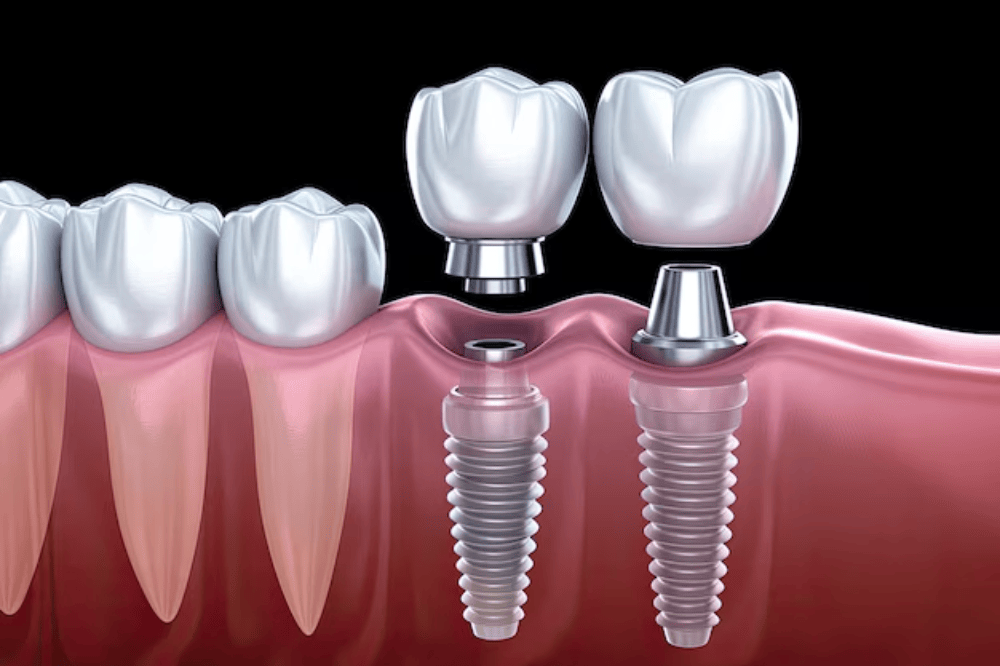
It’s important to differentiate a tooth transplant from dental implants. Dental implants are artificial tooth roots, typically made of titanium, that are surgically placed into the jawbone to support a replacement tooth. While implants are a reliable and popular option, tooth transplants offer the advantage of using a natural tooth, which can integrate better with the surrounding tissues. However, at Albania Dental Implants, we provide top-tier implant solutions tailored to your individual needs, with the added benefit of affordable dental tourism in Albania.
Brief History and UK Relevance
The concept of tooth extraction and transplantation has been around for centuries. In the UK, advancements in dental techniques and technology have made tooth transplants a viable option for certain cases, especially in young patients where jaw development is still ongoing.
Types of Tooth Transplants
Several types of tooth transplants exist, each with its own set of considerations and success rates. The two primary types are autotransplantation and allotransplantation. Understanding the differences between these procedures is vital for determining the best course of action for your specific situation.
Explanation of Autotransplantation
Autotransplantation involves transplanting a tooth from one location to another within the same individual’s mouth. This typically involves moving a tooth that is not essential, such as a wisdom tooth, to replace a damaged or missing teeth in a more visible area. The success of autotransplantation depends on factors like the patient’s age, the condition of the transplanted tooth, and the skill of the surgeon.
Explanation of Allotransplantation
Allotransplantation, or tooth graft, involves transplanting a tooth from a donor to a recipient. This type of transplant is less common due to the risk of rejection and the need for immunosuppressant medications. While research is ongoing, allotransplantation remains a complex and less predictable procedure compared to autotransplantation.
Success Rates and Typical Use Cases
The tooth transplant success rate varies depending on the type of transplant and the individual case. Autotransplantation generally has a higher success rate, particularly in younger patients. Typical use cases include replacing teeth lost due to trauma, decay, or congenital absence. According to the British Dental Journal, autotransplantation can have a success rate of up to 90% in well-selected cases.
Who is a Candidate for Tooth Transplant?
Determining eligibility for a tooth transplant involves considering various factors, including age, jaw development, and overall dental health. Not everyone is an ideal candidate for this procedure.
Ideal Patient Profile
The ideal patient profile for a tooth transplant typically includes children, young adults, and adults with good overall dental health. Children and young adults are often better candidates because their jaws are still developing, which can aid in the integration of the transplanted tooth. Older adults may also be eligible if they meet specific medical and dental criteria.
Medical and Dental Criteria
Specific medical and dental criteria must be met to be considered a suitable candidate for a tooth transplant. These criteria include:
- Adequate bone support at the recipient site
- Good oral hygiene
- Absence of active dental disease
- Availability of a suitable donor tooth
Certain medical conditions, such as uncontrolled diabetes or immune disorders, may disqualify a patient from undergoing a tooth transplant.
Common Conditions Treated
Tooth transplants are often used to treat various conditions, including:
- Dental trauma resulting in tooth loss
- Congenitally missing teeth
- Loss of teeth due to decay or infection
How Does the Tooth Transplant Procedure Work?
Understanding the tooth transplant procedure, including the surgical process, is essential for anyone considering this option. The process involves several steps, from pre-operative evaluation to post-surgery care and recovery.
Step-by-Step Breakdown of the Process
The tooth transplant procedure typically involves the following steps:
- Pre-operative evaluation: A comprehensive examination, including X-rays and CT scans, to assess the donor and recipient sites.
- Tooth extraction: Careful extraction of the donor tooth to minimize damage.
- Transplant surgery: Placement of the donor tooth into the recipient site, ensuring proper alignment and stability.
- Post-surgery care: Monitoring the transplanted tooth and providing instructions for oral hygiene and diet.
Pre-operative Evaluation
The pre-operative evaluation is a critical step in the tooth transplant process. This involves a thorough assessment of the patient’s oral health, including X-rays and CT scans to evaluate the bone structure and identify any potential issues. This evaluation helps the dental team determine the suitability of the transplant and plan the surgical procedure.
At Albania Dental Implants, we provide comprehensive services to help you make informed decisions about your oral health.
Transplant Surgery Details
The transplant surgery involves carefully extracting the donor tooth and placing it into the prepared recipient site. The surgeon ensures that the transplanted tooth is properly aligned and stabilized using sutures or splints. The goal is to promote integration with the surrounding tissues and bone.
Aftercare and Expected Recovery Timeline
Aftercare is crucial for the success of a tooth transplant. Patients are typically advised to follow a soft diet, maintain excellent oral hygiene, and attend regular follow-up appointments. The expected recovery timeline can vary, but initial healing usually takes a few weeks, with complete integration occurring over several months.
Tooth Transplant vs Dental Implants
When considering options for replacing missing teeth, it’s important to conduct a thorough dental implant comparison to see if dental implants in albania might be best for you. Both tooth transplants and dental implants offer effective solutions, but they have distinct advantages and disadvantages.
Comparison Table
Here’s a comparison table highlighting the key differences between tooth transplants and dental implants:
| Feature | Tooth Transplant | Dental Implant |
|---|---|---|
| Material | Natural tooth | Artificial (typically titanium) |
| Integration | Natural integration with tissues | Osseointegration (bone fusion) |
| Success Rate | Variable, depends on factors like age | High, with proper care |
| Cost | Variable, can be lower in some cases | Generally higher |
| Recovery | Can be longer, requires monitoring | Relatively shorter |
| Risks | Risk of failure, root resorption | Risk of infection, implant failure |
Advantages and Disadvantages
Tooth Transplant Advantages:
- Natural tooth structure
- Potential for better long-term integration
- Can be a more cost-effective solution in some cases
Tooth Transplant Disadvantages:
- Limited availability of donor teeth
- Risk of failure and root resorption
- Not suitable for all patients
Dental Implant Advantages:
- High success rate
- Predictable outcome
- Suitable for a wide range of patients
Dental Implant Disadvantages:
- Higher cost
- Requires surgical procedure
- Risk of infection and implant failure
When to Choose Each Method
Tooth transplants are often considered when a suitable donor tooth is available, and the patient is young with good overall dental health. Dental implants are typically chosen when there is no suitable donor tooth, or the patient prefers a more predictable and well-established solution.
Success Rates and Risks of Tooth Transplants
Understanding the tooth transplant success rate, potential risks, and complications is crucial for making an informed decision.
Published Success Rates
Published success rates for tooth transplants vary, but autotransplantation generally has a higher success rate compared to allotransplantation. Factors such as the patient’s age, the condition of the transplanted tooth, and the skill of the surgeon can influence the outcome. According to a study in the Journal of Oral and Maxillofacial Surgery, autotransplantation has a success rate ranging from 70% to 90%.
Common Risks and Complications
Common risks and complications associated with tooth transplants include:
- Rejection of the transplanted tooth (more common with allotransplantation)
- Root resorption, where the body breaks down the tooth root
- Infection at the transplant site
- Failure of the transplant to integrate with the surrounding bone
Preventing Transplant Failure
To minimize the risk of transplant failure, it’s essential to:
- Choose a qualified and experienced oral surgeon
- Maintain excellent oral hygiene
- Follow all post-operative instructions carefully
- Attend regular follow-up appointments
Cost of Tooth Transplant in the UK
Understanding the tooth transplant cost UK is a crucial factor for anyone considering this procedure. The cost can vary significantly depending on several factors, including whether you opt for NHS or private treatment.
Typical Costs (NHS vs Private)
The typical costs for a tooth transplant in the UK can range from £2,000 to £5,000 per tooth in private clinics. However, it’s important to note that tooth transplants are rarely covered by the NHS, and are generally offered only in cases of severe trauma or congenital conditions. Even when available, there may be long waiting lists. By contrast, the cost of dental implants in albania is more affordable and of high quality.
Factors That Affect Pricing
Factors that can affect the pricing of a tooth transplant include:
- The complexity of the surgical procedure
- The location of the clinic
- The experience and qualifications of the surgeon
- Additional costs for X-rays, CT scans, and follow-up appointments
Financing and Insurance
Since tooth transplants are often not covered by the NHS, patients may need to explore financing and insurance options. Some private dental insurance plans may cover a portion of the cost, but it’s essential to check the terms and conditions carefully. Financing options, such as dental loans or payment plans, may also be available.
Finding a Tooth Transplant Specialist
When considering a tooth transplant, finding a qualified and experienced tooth transplant dentist UK or oral surgeon is essential for a successful outcome.
How to Find a Qualified Provider
To find a qualified provider, consider the following steps:
- Ask your general dentist for a referral
- Search online directories of dental specialists
- Check the credentials and qualifications of potential providers
- Read patient reviews and testimonials
Questions to Ask
When consulting with a potential provider, it’s essential to ask the following questions:
- What is your experience with tooth transplants?
- What is your success rate?
- What are the potential risks and complications?
- What is the estimated cost of the procedure?
- What are my options for pain management?
Verification of Credentials
Always verify the credentials of a potential provider by checking their qualifications with the General Dental Council (GDC) in the UK. This ensures that the provider is properly trained and registered to perform tooth transplant procedures.
Patient Experiences and Case Studies
Reading real tooth transplant stories and patient reviews can provide valuable insights into the experiences of others who have undergone this procedure.
Selected Case Studies
While specific UK case studies may be limited due to the rarity of tooth transplants, reviewing similar cases from other countries can offer helpful information. These case studies often highlight the benefits and challenges of tooth transplants, as well as the factors that contribute to success.
Patient Testimonials
Patient testimonials can provide first-hand accounts of the tooth transplant experience. These testimonials often describe the emotional and physical impact of the procedure, as well as the overall satisfaction with the results.
Before and After Photos
Before and after photos can visually demonstrate the results of a tooth transplant, showcasing the improvement in appearance and function. These photos can be a valuable tool for understanding the potential outcomes of the procedure.
Frequently Asked Questions (FAQs) About Tooth Transplants
Here, we address some of the most frequently asked questions about tooth transplants to provide you with a comprehensive understanding of the procedure.
What is a tooth transplant and who is it for?
As mentioned earlier, a tooth transplant involves moving a tooth from one location to another, either within the same person’s mouth (autotransplantation) or from a donor to a recipient (allotransplantation). It is generally suitable for children, young adults, and adults with good overall dental health and a suitable donor tooth.
How successful are tooth transplants in the UK?
The success rates for tooth transplants in the UK vary depending on the specific circumstances, but autotransplantation generally has a higher success rate. Proper patient selection, skilled surgical technique, and diligent post-operative care are crucial for achieving a successful outcome.
What is the recovery time after a tooth transplant?
The recovery time after a tooth transplant can vary, but initial healing usually takes a few weeks. Complete integration of the transplanted tooth with the surrounding bone can take several months. Patients are typically advised to follow a soft diet, maintain excellent oral hygiene, and attend regular follow-up appointments during this period.
What are the risks and side effects?
The risks and side effects of tooth transplants include rejection, root resorption, infection, failure of the transplant to integrate, and damage to surrounding tissues. Careful patient selection, skilled surgical technique, and diligent post-operative care can help minimize these risks.
How much does a tooth transplant cost on the NHS and privately?
Tooth transplants are rarely covered by the NHS and are generally only offered in cases of severe trauma or congenital conditions. Privately, the cost can range from £2,000 to £5,000 per tooth, depending on the complexity of the procedure and the location of the clinic.
Can children receive tooth transplants?
Yes, children are often ideal candidates for tooth transplants, particularly autotransplantation, as their jaws are still developing, which can aid in the integration of the transplanted tooth.
How long does a transplanted tooth last?
The lifespan of a transplanted tooth can vary, but with proper care and maintenance, it can last for many years. Regular dental check-ups and excellent oral hygiene are essential for preserving the transplanted tooth.
Is a tooth transplant painful?
Like any surgical procedure, a tooth transplant can involve some discomfort. However, local anaesthesia is typically used during the procedure to minimize pain. Post-operative pain can usually be managed with over-the-counter pain relievers.
What alternatives are there to tooth transplants?
Alternatives to tooth transplants include dental implants, bridges, and dentures. Each of these options has its own advantages and disadvantages, and the best choice depends on the individual’s specific needs and preferences. In comparison with dental bridges, a dental implant is often the better solution.
How do I know if my dentist offers tooth transplantation?
To find out if your dentist offers tooth transplantation, simply ask them directly. If they don’t offer this service, they may be able to refer you to a qualified oral surgeon or specialist who does.
Conclusion: Is a Tooth Transplant Right for You?
A tooth transplant can be a viable option for replacing missing teeth, offering a natural and potentially long-lasting solution. However, it’s essential to carefully consider the advantages, disadvantages, risks, and costs before making a decision. Consulting with a qualified and experienced oral surgeon or dentist is crucial for determining whether a tooth transplant is the right choice for you.
If you’re looking for a comprehensive and affordable solution for missing teeth, consider Albania Dental Implants. We offer high-quality dental implants in Albania, combining expert care with the benefits of dental tourism. Contact us today to learn more and schedule a consultation.





