



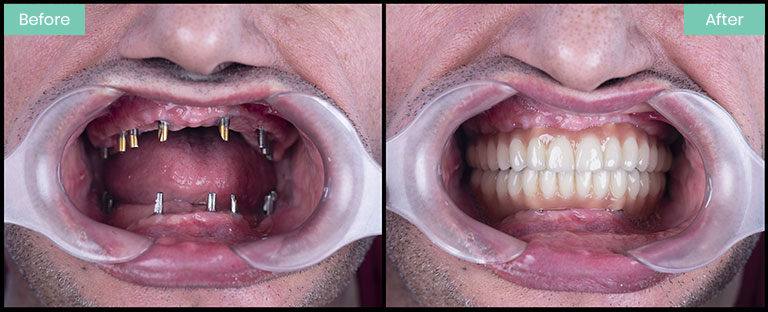

UK Teeth Implants: Comprehensive Guide to Costs, Procedures, and Benefits
UK teeth implants offer a permanent solution to missing teeth, restoring your smile and confidence. This comprehensive guide will explore the costs, procedures, and benefits of choosing teeth implants in the UK, helping you make an informed decision about your dental health. Whether you’re exploring options within the NHS or considering private treatment, understanding the process is crucial.
What Are UK Teeth Implants?
Cluster keywords: dental implants UK, tooth replacement, dental implant technology
Dental implants are a long-lasting and natural-looking solution for tooth loss. They involve surgically placing a titanium post into the jawbone, which then fuses with the bone over time (osseointegration). This post acts as an anchor for a replacement tooth or teeth, providing stability and support similar to natural roots. Dental implants UK are becoming increasingly popular due to their durability and aesthetic appeal compared to other tooth replacement options.
Overview of Teeth Implants
A dental implant essentially has three parts:
- The Implant: A titanium screw that is surgically placed into the jawbone.
- The Abutment: A connector that sits on top of the implant and connects it to the crown.
- The Crown: The artificial tooth that is attached to the abutment.
Choosing dental implants in the UK offers numerous benefits, including improved chewing ability, enhanced speech, and a restored smile. Unlike dentures, implants are fixed in place and don’t require messy adhesives.
Brief History and Advancement in the UK Context
The concept of dental implants dates back centuries, but modern implantology began in the mid-20th century. In the UK, the adoption of dental implant technology has steadily grown, with continuous advancements in materials, techniques, and technology. The increasing demand for reliable tooth replacement solutions has driven the development of specialized dental implant clinics throughout the country. These advancements have made the dental implants in the uk procedure more predictable and accessible for patients seeking a permanent solution for missing teeth.
UK Teeth Implants Procedure: Step-by-Step
Cluster keywords: teeth implant procedure UK, implant surgery process, dental implant stages
Understanding the teeth implant procedure UK can help alleviate any anxieties you may have. The process typically involves several stages, from initial consultation to final restoration. Here’s a step-by-step overview:
Detailed Chronological Description of the Typical Implant Process
- Initial Consultation: A thorough examination, including X-rays or CT scans, to assess your oral health and bone density. The dentist will discuss your treatment options and create a personalized plan.
- Bone Grafting (If Necessary): If you have insufficient bone density in the jaw, a bone graft may be required to provide a stable foundation for the implant. Bone grafting in albania is a similar procedure.
- Implant Placement: The implant is surgically placed into the jawbone under local anesthesia. In some cases, sedation may be used to ensure your comfort.
- Osseointegration: This is the healing period, which typically lasts several months, during which the implant fuses with the jawbone.
- Abutment Placement: Once osseointegration is complete, the abutment is attached to the implant.
- Crown Placement: Finally, the custom-made crown is attached to the abutment, completing the restoration.
Surgical Steps, Anesthetics, and Healing Times
The surgical steps involve making a small incision in the gum tissue to expose the jawbone. A pilot hole is then drilled, followed by progressively larger drills to create the space for the implant. The implant is carefully screwed into place, and the gum tissue is stitched closed.
Local anesthesia is typically used to numb the area during the surgical procedure. Sedation options, such as intravenous sedation or oral sedatives, are also available for patients who experience anxiety. Healing times vary depending on individual factors, but osseointegration usually takes 3 to 6 months. Following the implant placement, there might be some discomfort, swelling, and bruising, but these side effects can be managed with pain medication and proper aftercare.
UK Teeth Implants Cost and Pricing
Cluster keywords: teeth implant cost UK, NHS dental implants, private dental implant prices
The teeth implant cost UK can vary significantly depending on several factors, including the number of implants needed, the type of restoration, and the location of the dental clinic. Understanding these costs can help you budget and explore financing options.
Typical Price Ranges (Single, Multiple, Full Arch)
- Single Tooth Implant: The cost of a single tooth implant in the UK typically ranges from £2,500 to £4,000.
- Multiple Implants: The cost of multiple implants can range from £6,000 to £15,000, depending on the number of implants and the complexity of the case.
- Full Arch Implants (All-on-4): A full arch restoration using the All-on-4 technique can cost between £8,000 to £15,000 per arch.
NHS vs. Private Treatments
NHS dental implants are rarely available and are typically limited to cases of medical necessity, such as after trauma or cancer surgery. Even then, the criteria are strict, and availability can be limited. Private dental implant treatments are more readily accessible, but they come at a higher cost. Private clinics often offer a wider range of implant options, materials, and advanced technologies.
Factors Influencing the Cost
Several factors can influence the overall cost of teeth implants in the UK:
- Complexity of the Case: More complex cases, such as those requiring bone grafting or sinus lifts, will typically cost more.
- Type of Implant: Different types of implants, such as titanium or zirconia implants, can vary in price.
- Restoration Material: The material used for the crown, such as porcelain or zirconia implants in albania, can also affect the cost.
- Location of the Clinic: Dental clinics in major cities or affluent areas may charge higher fees.
- Dentist’s Experience: Experienced implant dentists may charge more for their expertise.
Considering the financial implications is crucial. Exploring options like dental tourism in albania could provide a more affordable alternative without compromising on quality.
Pros and Cons of Teeth Implants in the UK
Cluster keywords: teeth implant advantages, dental implant risks UK, alternatives to dental implants
Teeth implants advantages are numerous, but it’s also essential to be aware of the potential risks and drawbacks. Weighing these factors can help you determine if implants are the right choice for you.
Benefits of Teeth Implants Over Other Treatments
- Durability: Implants are a long-lasting solution that can last many years with proper care.
- Stability: Implants are fixed in place and provide excellent stability for chewing and speaking.
- Aesthetics: Implants look and feel like natural teeth, enhancing your smile and confidence.
- Bone Preservation: Implants stimulate bone growth and prevent bone loss in the jaw.
- Improved Oral Health: Implants don’t require altering adjacent teeth, promoting better overall oral health.
Risks or Drawbacks
Dental implant risks UK, while rare, can include:
- Infection: Infection at the implant site can occur, requiring antibiotic treatment.
- Nerve Damage: Nerve damage can result in numbness or tingling in the gums, lips, or chin.
- Sinus Problems: Implants in the upper jaw can sometimes protrude into the sinus cavity.
- Implant Failure: In rare cases, the implant may not fuse with the bone, leading to failure.
- Cost: Dental implants are a significant investment compared to other tooth replacement options.
Who Should NOT Get Implants
Certain medical conditions or lifestyle factors may make you unsuitable for implants:
- Uncontrolled Diabetes: High blood sugar levels can impair healing and increase the risk of infection.
- Heavy Smoking: Smoking can reduce blood flow to the jawbone, hindering osseointegration.
- Severe Gum Disease: Active gum disease can compromise the stability of the implant.
- Certain Medications: Some medications, such as bisphosphonates, can interfere with bone healing.
If you are considering dental implants but have any of these conditions, it’s important to discuss them with your dentist.
Alternatives: Bridges, Dentures
If implants aren’t the right choice for you, there are alternative tooth replacement options:
- Dental Bridges: A bridge involves anchoring a false tooth to adjacent teeth.
- Dentures: Dentures are removable appliances that can replace multiple teeth or a full arch.
What is the best alternative to dental implants? Bridges and dentures are typically less expensive than implants but may not offer the same level of stability and longevity.
Choosing a UK Teeth Implant Specialist
Cluster keywords: best dental implant clinics UK, choosing implant dentist, UK dental implant regulations
Choosing implant dentist is a critical step in ensuring a successful outcome. Look for a dentist with extensive experience, specialized training, and a commitment to providing high-quality care.
Credentials to Look For
When selecting a dental implant specialist, consider the following credentials:
- Qualifications: Look for a dentist with a degree in dentistry (BDS or DDS) and postgraduate training in implantology.
- Experience: Choose a dentist who has performed a large number of implant procedures.
- Specialized Training: Ensure the dentist has completed specialized training courses in implant placement and restoration.
- Professional Memberships: Membership in professional organizations, such as the Association of Dental Implantology (ADI), can indicate a commitment to continuing education and high standards of care.
Verification, Professional Bodies, Clinic Reviews
Verify the dentist’s credentials by checking their registration with the General Dental Council (GDC). Professional bodies, such as the ADI, provide directories of qualified implant dentists. Online reviews can offer valuable insights into other patients’ experiences. Looking for the best dental implant clinics UK, consider clinics that provide transparent pricing, detailed treatment plans, and positive patient testimonials.
Aftercare and Success Rates for UK Teeth Implants
Cluster keywords: dental implant aftercare, teeth implant success UK, dental hygiene implants
Proper dental implant aftercare is essential for ensuring the long-term success of your implants. Following your dentist’s instructions and maintaining good oral hygiene habits are crucial.
Post-Surgical Care and Maintenance
After the implant placement, you’ll receive detailed instructions on how to care for the surgical site. This may include:
- Pain Management: Taking prescribed pain medication to manage discomfort.
- Dietary Restrictions: Eating soft foods to avoid putting pressure on the implant.
- Oral Hygiene: Gently cleaning the surgical site with a soft-bristled toothbrush and antibacterial mouthwash.
- Follow-Up Appointments: Attending regular check-up appointments to monitor healing and implant stability.
Expected Lifespan
How long do dental implants last? With proper care, dental implants can last for many years, even a lifetime. Factors that can affect lifespan include oral hygiene, lifestyle habits (such as smoking), and overall health.
Success Rates & Main Reasons for Failures
Teeth implant success UK rates are generally high, with most studies reporting success rates of over 95%. However, failures can occur due to:
- Infection: Peri-implantitis, an infection around the implant, can lead to bone loss and implant failure.
- Poor Bone Density: Insufficient bone density can compromise implant stability.
- Smoking: Smoking increases the risk of implant failure.
- Medical Conditions: Certain medical conditions, such as uncontrolled diabetes, can impair healing and increase the risk of failure.
Maintaining good oral hygiene, attending regular dental check-ups, and addressing any potential issues promptly can help maximize the lifespan and success of your implants.
For patients experiencing challenges affording dental implants in the UK, exploring options like Albania Dental Implants can offer a cost-effective solution without compromising on quality.
Frequently Asked Questions (FAQs) About UK Teeth Implants
Cluster keywords: teeth implant FAQs UK, dental implant concerns, patient questions
How painful is the dental implant process in the UK?
While pain is subjective, most patients report that the dental implant process is less painful than they anticipated. Local anesthesia is used during the surgical procedure to numb the area, and sedation options are available for those who experience anxiety. Following the surgery, you may experience some discomfort, swelling, and bruising, but these side effects can be managed with pain medication. At Albania Dental Implants Services, we prioritize patient comfort throughout the process.
Are teeth implants on the NHS, or do I need private care?
Can you get implants on a NHS dentist? Dental implants are rarely available on the NHS and are typically limited to cases of medical necessity. Most patients opt for private dental implant treatments, which offer a wider range of options and materials. If cost is a concern, consider exploring options like dental tourism in albania, which can provide significant savings.
How long do UK teeth implants last?
How long do dental implants last in the UK? With proper care and maintenance, dental implants can last for many years, even a lifetime. Regular dental check-ups, good oral hygiene habits, and avoiding smoking can help maximize the lifespan of your implants.
What might make me unsuitable for teeth implants?
Who should not get dental implants? Certain medical conditions, such as uncontrolled diabetes, severe gum disease, and certain medications, can make you unsuitable for implants. Heavy smoking can also reduce the success rate of implant treatment. Discuss your medical history and lifestyle habits with your dentist to determine if implants are right for you.
How should I care for my dental implants?
Caring for your dental implants involves the same good oral hygiene habits that you would use for natural teeth:
- Brush your teeth twice a day with a soft-bristled toothbrush.
- Floss daily to remove plaque and debris from around the implant.
- Use an antibacterial mouthwash to kill bacteria and prevent infection.
- Attend regular dental check-ups for professional cleanings and examinations.
What risks or complications should I know about?
What is the downside to dental implants? Potential risks and complications include infection, nerve damage, sinus problems, and implant failure. However, these complications are rare, and the overall success rate of dental implants is high. Choosing an experienced implant dentist and following proper aftercare instructions can minimize these risks.
Can I get teeth implants if I’ve lost bone in my jaw?
What can you do if you don’t have enough bone for dental implants? If you have insufficient bone density in the jaw, a bone graft may be required to provide a stable foundation for the implant. Bone grafting involves transplanting bone tissue from another area of your body or using synthetic bone material. This procedure can increase the success rate of implant treatment in patients with bone loss.
How soon can I return to normal activities after implants?
Most patients can return to normal activities within a few days after implant placement. However, it’s important to avoid strenuous activities and follow your dentist’s instructions for post-operative care. Eating soft foods and avoiding chewing on the implant site can help promote healing.
Is it safe to travel abroad for dental implants instead?
Traveling abroad for dental implants in albania can be a safe and affordable option, but it’s important to do your research and choose a reputable clinic with experienced dentists. Ensure that the clinic follows international standards of hygiene and safety and that the dentists are qualified and experienced in implantology. At Albania Dental Implants, we offer high-quality dental implant treatments at affordable prices.
What’s the difference between “mini” and regular teeth implants?
What is a mini dental implant? Mini dental implants are smaller in diameter than regular implants and are often used to stabilize dentures. They are less invasive and less expensive than regular implants, but they may not be suitable for all cases. Regular implants are stronger and more durable and are typically used to replace individual teeth or support bridges. Your dentist can help you determine which type of implant is right for you.
Conclusion
UK teeth implants offer a reliable and long-lasting solution for missing teeth, restoring your smile and confidence. While the cost can be a significant factor, the benefits of improved oral health, enhanced aesthetics, and increased functionality make implants a worthwhile investment. Whether you choose to pursue treatment within the UK or explore more affordable options like dental tourism in albania, understanding the procedure, costs, and potential risks is essential. Don’t hesitate to contact albania dental implants to discuss your options and take the first step towards a healthier, more confident smile.





