


If you’re considering dental implants to restore your smile and improve your oral health, a key question is: what are dental implants made of? The materials used in dental implants are carefully selected for their strength, durability, and biocompatibility, ensuring a long-lasting and safe solution for missing teeth. At Albania Dental Implants, we are committed to using only the highest quality materials for our implants, providing you with a smile that looks and feels natural.
What Materials Are Used for Dental Implants?
When exploring dental implant materials, you’ll quickly encounter two primary options: titanium and zirconia. Understanding the properties of titanium implants and zirconia implants is crucial in making an informed decision. Factors such as biocompatibility and implant durability play a significant role in the success and longevity of the implant.
Titanium Implants: The Gold Standard
Titanium has been the workhorse of dental implantology for decades, and for good reason. This metal and its alloys boast a unique combination of properties that make them ideal for use in the human body. Titanium is exceptionally strong yet lightweight, offering the necessary structural support for a dental implant without adding excessive bulk. Its resistance to corrosion ensures that the implant remains stable and durable over time, even in the harsh environment of the mouth.
The prevalence of titanium in dental implants stems from its excellent biocompatibility. This means that the body readily accepts titanium, minimizing the risk of allergic reactions or rejection. Bone cells actually fuse to the titanium surface in a process called osseointegration, creating a strong and stable bond between the implant and the jawbone. This osseointegration is critical for the long-term success of the implant.
Zirconia Implants: A Metal-Free Alternative
For patients seeking a metal-free option, zirconia implants offer a compelling alternative. Zirconia is a ceramic material known for its high strength, durability, and aesthetic appeal. Its white color closely resembles that of natural teeth, making it an excellent choice for implants in highly visible areas of the mouth. At Albania Dental Implants, we offer high-quality zirconia implants in albania for patients who prioritize aesthetics.
Like titanium, zirconia is also biocompatible, reducing the risk of adverse reactions. While zirconia implants have been available for a shorter time than titanium implants, studies have shown promising results in terms of osseointegration and long-term stability. Zirconia implants are particularly well-suited for patients with metal sensitivities or allergies.
The Importance of Biocompatibility
The human body is a complex and sensitive system, and any material implanted within it must be able to coexist peacefully. Biocompatibility refers to the ability of a material to be accepted by the body without causing adverse reactions or rejection. Titanium and zirconia are both highly biocompatible, which is why they are the preferred materials for dental implants.
Biocompatibility testing is a rigorous process that involves evaluating the material’s potential to cause inflammation, allergic reactions, or toxicity. Only materials that pass these tests are considered safe for use in dental implants. Choosing a biocompatible material is essential for minimizing the risk of complications and ensuring the long-term success of your implant.
Durability and Resistance to Corrosion
Dental implants are designed to withstand the daily stresses of chewing, biting, and speaking. Therefore, durability and resistance to corrosion are paramount. Titanium and zirconia both excel in these areas. Titanium’s strength and corrosion resistance have been proven over decades of use, while zirconia offers comparable performance in a metal-free package. At Albania Dental Implants, we ensure that all our dental implant materials meet the highest standards of durability and resistance to corrosion.
Proper maintenance and oral hygiene are also crucial for maintaining the durability of your dental implants. Regular brushing, flossing, and professional cleanings will help to prevent plaque and bacteria from accumulating around the implant, which can lead to inflammation and bone loss.
The Structure of a Dental Implant: Key Components and Their Materials
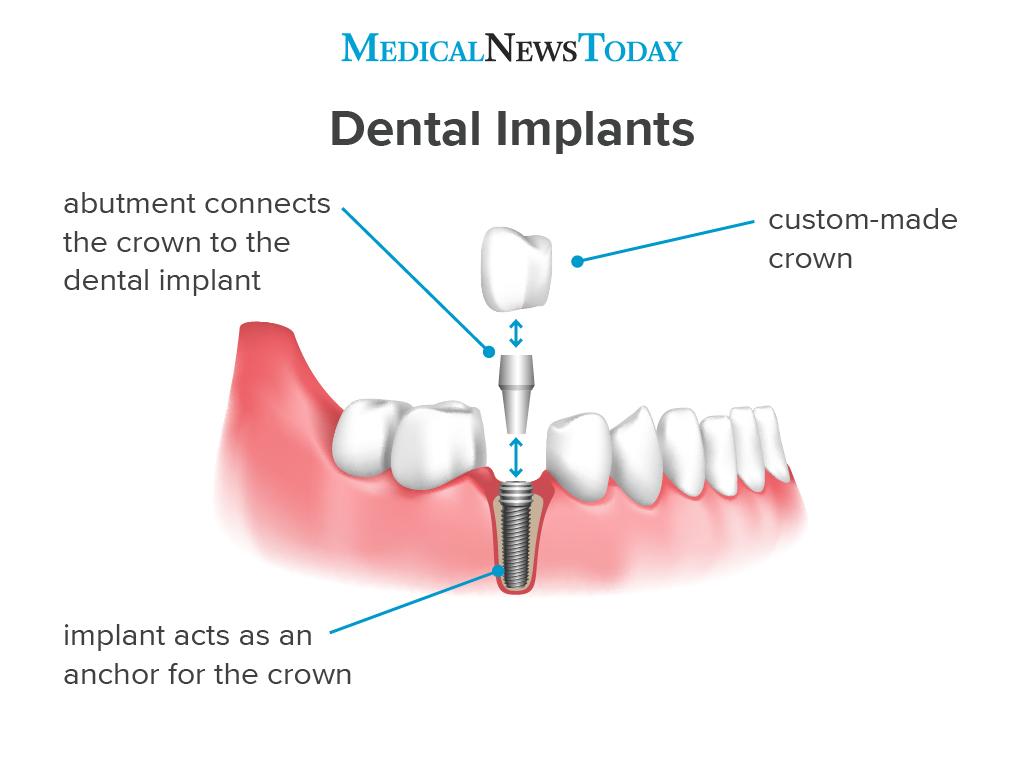
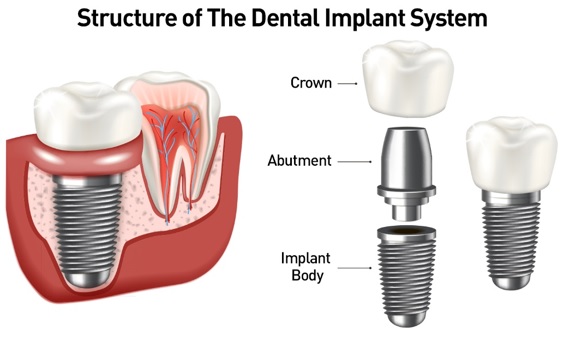
To fully understand what dental implants are made of, it’s important to break down the three main components: the implant post, the abutment, and the dental crown. Each component plays a crucial role in the function and aesthetics of the implant, and different materials are used for each part to optimize performance.
Understanding the Three Main Parts
A dental implant is more than just a single piece; it’s a carefully engineered system composed of three key components:
- Implant Post (Root): This is the foundation of the implant, surgically placed into the jawbone. It’s primarily made of titanium or zirconia, as discussed in the previous section.
- Abutment: This connector piece attaches to the implant post and serves as a base for the dental crown. It can be made of titanium, zirconia, or even precious metals like gold.
- Dental Crown: This is the visible part of the implant, designed to mimic the appearance and function of a natural tooth. It can be made of porcelain, ceramic, metal alloys, or zirconia.
The Implant Post: The Foundation of Your New Tooth
The implant post, which acts as the “root” of your new tooth, is typically made of titanium or zirconia. These materials are chosen for their biocompatibility and ability to fuse with the jawbone through osseointegration. The implant post provides a stable and secure anchor for the abutment and crown.
The size and shape of the implant post will depend on the location of the missing tooth and the amount of available bone. Your dentist will carefully assess your individual needs to determine the best implant post for your situation. At Albania Dental Implants, we use advanced imaging technology to ensure precise implant placement.
The Abutment: Connecting the Implant to the Crown
The abutment is a critical link between the implant post and the dental crown. It’s typically made of titanium, zirconia, or precious metals like gold. The material choice for the abutment will depend on factors such as aesthetics, strength requirements, and the patient’s individual preferences.
Titanium abutments are strong and durable, while zirconia abutments offer excellent aesthetics, particularly for front teeth. Gold abutments are highly biocompatible and can provide a warm, natural-looking base for the crown. The abutment is carefully designed to provide a secure and stable connection between the implant post and the crown.
The Dental Crown: Restoring Your Smile
The dental crown is the visible part of the implant, designed to replicate the appearance and function of a natural tooth. The material choices for dental crowns are diverse, including porcelain, ceramic, metal alloys, and zirconia.
- Porcelain and Ceramic Crowns: These materials offer excellent aesthetics, closely mimicking the color, translucency, and texture of natural teeth. They are ideal for front teeth and other highly visible areas.
- Metal Alloy Crowns: These crowns are exceptionally strong and durable, making them well-suited for back teeth that endure heavy chewing forces.
- Zirconia Crowns: Zirconia crowns offer a combination of strength, durability, and aesthetics, making them a versatile choice for any location in the mouth.
The choice of material for the dental crown will depend on factors such as aesthetics, strength requirements, and the patient’s individual preferences. Your dentist will work with you to select the best material for your unique needs.
Why Different Materials Are Used for Each Part
The use of different materials for each component of a dental implant is a strategic decision based on optimizing performance and aesthetics. The implant post requires biocompatibility and the ability to osseointegrate with the bone. The abutment needs to provide a strong and stable connection between the post and the crown. The dental crown must replicate the appearance and function of a natural tooth.
By carefully selecting the right material for each component, dentists can create dental implants that are strong, durable, biocompatible, and aesthetically pleasing. At Albania Dental Implants, we are committed to using only the highest quality materials for all our dental implant components.
Titanium vs Zirconia Implants: Which Is Better?
The debate between titanium vs zirconia implants is a common one among patients considering dental implants. Both materials have their advantages and disadvantages, and the best choice will depend on your individual needs and preferences. Let’s delve into a detailed comparison of titanium and zirconia implants, considering factors such as strength, aesthetics, allergic reactions, longevity, and cost, to help you determine which material is right for you.
A Head-to-Head Comparison
| Feature | Titanium Implants | Zirconia Implants |
|---|---|---|
| Strength | Excellent, well-established | Very good, continually improving |
| Aesthetics | Good, but can sometimes show a grey line at the gumline | Excellent, naturally tooth-colored |
| Biocompatibility | Excellent, long history of use | Excellent, metal-free option |
| Allergic Reactions | Extremely rare | Extremely rare |
| Longevity | Excellent, long-term data available | Good, but long-term data is still being collected |
| Cost | Generally more affordable | Generally more expensive |
Pros and Cons of Titanium Implants
Titanium implants have been the gold standard in dental implantology for decades, and they offer a number of compelling advantages:
- Strength and Durability: Titanium is exceptionally strong and resistant to fracture, ensuring long-term stability and functionality.
- Biocompatibility: Titanium has a long and successful history of biocompatibility, minimizing the risk of allergic reactions or rejection.
- Osseointegration: Bone cells readily fuse to the titanium surface, creating a strong and stable bond between the implant and the jawbone.
- Long-Term Data: Titanium implants have been used for decades, providing a wealth of long-term data on their success and longevity.
- Cost-Effectiveness: Titanium implants are generally more affordable than zirconia implants.
However, titanium implants also have a few potential drawbacks:
- Aesthetics: In some cases, a thin grey line may be visible at the gumline, particularly with thin gums.
- Metal Sensitivity: Although extremely rare, some individuals may have a sensitivity to titanium.
Pros and Cons of Zirconia Implants
Zirconia implants are a metal-free alternative that offers a number of appealing benefits:
- Aesthetics: Zirconia is naturally tooth-colored, providing excellent aesthetics, particularly for front teeth.
- Biocompatibility: Zirconia is highly biocompatible, making it a suitable option for patients with metal sensitivities or allergies.
- One-Piece Design: Many zirconia implants are designed as a single piece, eliminating the microgap between the implant and the abutment, which can reduce the risk of bacterial accumulation.
However, zirconia implants also have some potential disadvantages:
- Strength: While zirconia is strong, it may not be as fracture-resistant as titanium.
- Long-Term Data: Zirconia implants have been available for a shorter time than titanium implants, and long-term data is still being collected.
- Cost: Zirconia implants are generally more expensive than titanium implants.
Who Should Consider Each Material Type
The choice between titanium and zirconia implants depends on your individual needs and preferences. You should consider titanium implants if:
- You prioritize strength and durability.
- You are concerned about cost.
- You do not have any metal sensitivities or allergies.
You should consider zirconia implants if:
- You prioritize aesthetics, especially for front teeth.
- You have metal sensitivities or allergies.
- You prefer a metal-free option.
Ultimately, the best way to determine which material is right for you is to consult with your dentist. At Albania Dental Implants, our experienced dentists can assess your individual needs and recommend the best implant material for your situation. We provide comprehensive dental implants services to help you achieve a healthy and beautiful smile.
Safety and Biocompatibility of Dental Implant Materials
When considering dental implants, a primary concern for many patients is safety. Are dental implants safe? The answer is a resounding yes, especially when high-quality materials and experienced professionals are involved. However, understanding the allergic reactions, the importance of biocompatibility studies, and the potential for implant allergies is crucial for making an informed decision.
A Proven Track Record of Safety
Both titanium and zirconia, the primary materials used in dental implants, have a long and successful history of use in medicine and dentistry. Their safety record is well-established, with decades of research and clinical experience demonstrating their biocompatibility and effectiveness. At Albania Dental Implants, we prioritize patient safety above all else, using only the highest quality materials and adhering to strict sterilization protocols.
The long-term safety record of titanium and zirconia implants is a testament to their biocompatibility and resistance to corrosion. These materials are designed to withstand the harsh environment of the mouth and to integrate seamlessly with the surrounding tissues, minimizing the risk of complications.
Incidence and Management of Rare Allergies
While both titanium and zirconia are highly biocompatible, allergic reactions are extremely rare. However, it’s important to be aware of the possibility and to understand how to manage it. The reported incidence of titanium allergies is less than 1%, and zirconia allergies are even rarer.
If you suspect that you may be allergic to titanium or zirconia, your dentist can perform allergy testing to confirm the diagnosis. If an allergy is confirmed, alternative implant materials, such as zirconia, can be used. Management of allergic reactions typically involves removing the implant and providing appropriate medical treatment.
The Rigorous Process of Biocompatibility Testing
Biocompatibility testing is a critical step in the development and approval of dental implant materials. These tests are designed to evaluate the material’s potential to cause inflammation, allergic reactions, or toxicity. The testing process involves both in vitro (laboratory) and in vivo (animal) studies.
In vitro tests assess the material’s interaction with cells and tissues in a controlled environment. In vivo tests evaluate the material’s performance in a living organism, mimicking the conditions of a dental implant. Only materials that pass these rigorous tests are considered safe for use in dental implants.
Minimizing the Risk of Complications
While dental implants are generally safe and effective, there are some potential complications that can occur. These include infection, nerve damage, and implant failure. However, the risk of these complications can be minimized by choosing an experienced dentist, following proper oral hygiene practices, and attending regular check-up appointments. Albania Dental Implants has a team of highly qualified surgeons performing oral surgery in albania to ensure the highest success rate of the procedure.
Proper maintenance of your dental implants is crucial for their long-term success. This includes brushing, flossing, and using an antibacterial mouthwash daily. You should also avoid smoking and excessive alcohol consumption, as these habits can increase the risk of complications. Regular check-ups and professional cleanings will help to detect and address any potential problems early on.
Frequently Asked Questions about Dental Implant Materials
Choosing the right dental implant involves many considerations, and the materials used are a crucial aspect. Here, we address some of the most frequently asked questions to help you make an informed decision. These FAQs will touch on everything from material alternatives to the impact on imaging tests.
Are all dental implants made of titanium?
No, not all dental implants are made of titanium. While titanium has been the gold standard for decades, zirconia implants offer a metal-free alternative for patients seeking a more aesthetic or biocompatible option. Both materials have their advantages and disadvantages, and the best choice will depend on your individual needs and preferences.
Are there alternatives to metal dental implants?
Yes, zirconia implants are a popular alternative to metal dental implants. Zirconia is a ceramic material that offers excellent aesthetics, biocompatibility, and strength. It’s an ideal choice for patients with metal sensitivities or allergies or those who simply prefer a metal-free option.
Can you be allergic to dental implant materials?
While extremely rare, it is possible to be allergic to dental implant materials, including titanium and zirconia. If you suspect that you may be allergic, your dentist can perform allergy testing to confirm the diagnosis. Alternative implant materials can be used if an allergy is confirmed.
How long do dental implant materials last?
Dental implant materials are designed to be durable and long-lasting. With proper care and maintenance, titanium and zirconia implants can last for decades, or even a lifetime. Factors such as oral hygiene, diet, and lifestyle can affect the longevity of your implants.
Why are ceramic (zirconia) implants considered “metal-free”?
Zirconia is a ceramic material, which means it’s not a metal. This makes it an attractive option for patients who are concerned about the potential risks of metal implants or who simply prefer a metal-free restoration.
Do dental implant materials affect imaging tests (e.g., MRI)?
Titanium implants can sometimes cause minor artifacts on MRI images, but these artifacts are usually not significant enough to interfere with the interpretation of the scan. Zirconia implants do not typically cause any artifacts on MRI images. It’s important to inform your doctor and radiologist about the presence of dental implants before undergoing any imaging tests.
Which dental implant material looks the most natural?
Zirconia is generally considered to be the most natural-looking dental implant material, as its white color closely resembles that of natural teeth. This makes it an ideal choice for implants in highly visible areas of the mouth.
Are certain implant materials more suitable for front teeth?
Yes, zirconia implants are often preferred for front teeth due to their excellent aesthetics. The tooth-colored material blends seamlessly with the surrounding teeth, creating a natural and beautiful smile.
What are the environmental impacts of dental implant materials?
The environmental impacts of dental implant materials are relatively minor compared to other industries. However, it’s important to consider the sourcing, manufacturing, and disposal of these materials. Titanium is a naturally abundant metal, and zirconia is derived from zircon sand. Recycling programs for dental implant materials are becoming increasingly common.
How to know which dental implant material is right for me?
The best way to determine which dental implant material is right for you is to consult with your dentist. They can assess your individual needs and preferences and recommend the best option for your unique situation. Factors such as aesthetics, biocompatibility, strength requirements, and cost will be taken into consideration.
At Albania Dental Implants, we prioritize personalized dental implant choice. We offer a range of materials and treatment options to ensure that you receive the best possible care. Our experienced dentists will guide you through the material selection process and help you make an informed decision based on your individual needs and patient suitability.
Choosing the Best Dental Implant Material: Factors to Consider
Selecting the most suitable dental implant material is a crucial step in ensuring the success and longevity of your treatment. Several factors should be carefully considered, including your oral health, any allergies you may have, your bone density, aesthetic preferences, and budget.
Assessing Your Oral Health
Your overall oral health plays a significant role in determining the best dental implant material for you. Factors such as gum disease, bone loss, and tooth decay can affect the success of the implant. If you have gum disease or bone loss, your dentist may recommend treatments to address these issues before placing the implant. Albania Dental Implants provides bone grafting in albania for patients who need to increase bone density before implant placement.
Considering Allergies and Sensitivities
If you have known allergies, it’s crucial to inform your dentist. While allergic reactions to titanium and zirconia are rare, they can occur. Your dentist can perform allergy testing to determine whether you have any sensitivities to these materials. If an allergy is confirmed, alternative implant materials can be used.
Evaluating Bone Density
Bone density is another important factor to consider. Dental implants require sufficient bone to fuse with and provide a stable foundation. If you have low bone density, your dentist may recommend bone grafting to increase the amount of available bone. The type of implant material used can also be influenced by bone density, with some materials being better suited for patients with low bone density.
Prioritizing Aesthetic Preferences
Aesthetic preferences are also important, especially for implants in highly visible areas of the mouth. Zirconia implants are often preferred for front teeth due to their excellent aesthetics. If aesthetics are a top priority, your dentist can help you select the best material to achieve a natural and beautiful smile. At Albania Dental Implants, we also offer cosmetic dentistry in albania to further enhance your smile.
Determining Your Budget
Budget is a practical consideration for many patients. Titanium implants are generally more affordable than zirconia implants. However, the long-term benefits of dental implants, such as improved oral health and quality of life, can outweigh the initial cost. Albania Dental Implants provides high-quality and cost of dental implants in albania. Financing options are available to make dental implants more accessible.
Conclusion
Choosing the right material for your dental implants is a critical step towards achieving a healthy, functional, and beautiful smile. Both titanium and zirconia offer excellent biocompatibility and durability, but the best choice will depend on your individual needs and preferences. By carefully considering factors such as oral health, allergies, bone density, aesthetic preferences, and budget, you can make an informed decision and enjoy the long-term benefits of dental implants.
At Albania Dental Implants, we are committed to providing our patients with the highest quality materials and the most advanced techniques. Our experienced dentists will work with you to develop a personalized treatment plan that meets your unique needs and helps you achieve the smile of your dreams.
Ready to take the next step towards a confident and healthy smile? Contact Albania Dental Implants today to schedule a consultation and learn more about our dental implant services. Let us help you restore your smile and improve your quality of life. We also offer comprehensive dental tourism in albania, combining high-quality dental care with an unforgettable travel experience. Click here to contact our team!