



What are the negatives of All-on-4? This article explores the downsides and potential risks associated with All-on-4 dental implants, helping you make an informed decision about whether this treatment is right for you.
Understanding All-on-4: What is it and who is it for?
All-on-4 dental implants are a revolutionary solution for replacing an entire arch of missing teeth using only four implants. This innovative technique offers a fixed and functional set of teeth, improving the quality of life for those with significant tooth loss. However, it’s essential to understand what the procedure entails and who is a suitable candidate.
All-on-4 dental implants: A comprehensive overview
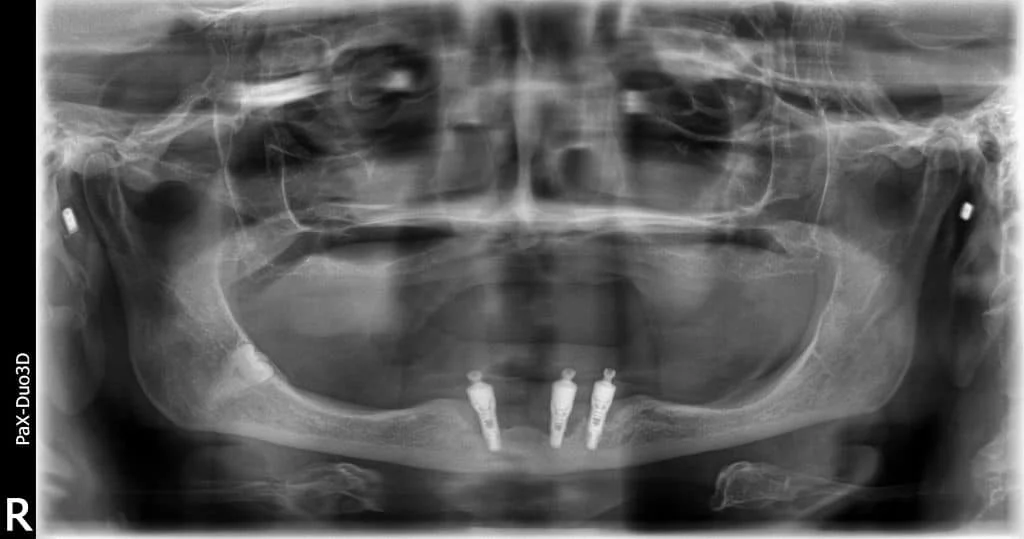
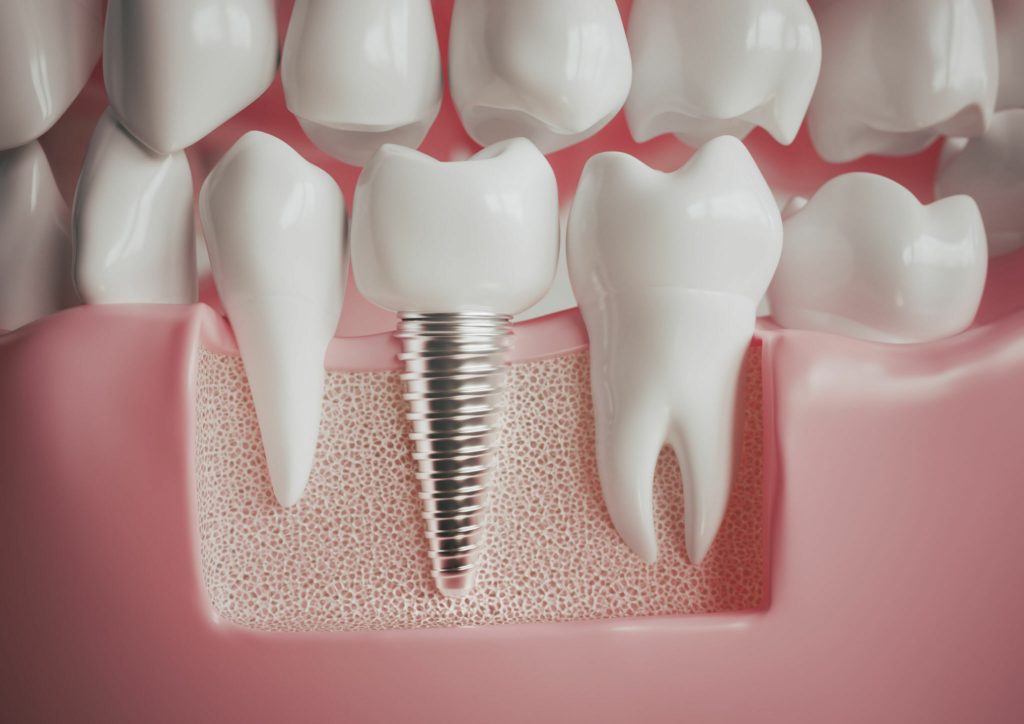
The All-on-4 technique involves placing four dental implants in the jawbone – two straight implants in the front and two angled implants in the back. These implants act as a support for a full set of prosthetic teeth, providing a stable and durable solution. This method is often preferred over traditional dentures because it eliminates the need for adhesives and prevents bone loss.
Many patients find the All-on-4 approach appealing because it typically requires less bone grafting than traditional implants, making it a viable option for individuals who have experienced some bone loss in the jaw. It also offers a faster treatment timeline, with many patients receiving their new teeth in just one day.
Patient suitability for All-on-4: Are you a good candidate?
Determining patient suitability is crucial for the success of the All-on-4 procedure. Ideal candidates are those who have lost most or all of their teeth in one or both arches and have sufficient bone density to support the implants. However, certain factors can affect candidacy, including:
- Overall health: Patients with uncontrolled diabetes or other systemic diseases may not be suitable candidates.
- Oral hygiene: Maintaining good oral hygiene is essential for the long-term success of All-on-4 implants.
- Smoking: Smoking can significantly increase the risk of implant failure.
- Bone density: While All-on-4 can work with less bone density, severe bone loss may require bone grafting.
A thorough evaluation by a qualified dentist is necessary to determine if All-on-4 is the right option for you. At Albania Dental Implants, we offer comprehensive consultations to assess your individual needs and determine the most appropriate treatment plan. You can improve your smile with Albania Dental Implants services.
All-on-4 vs. traditional implants: Key differences
While both All-on-4 and traditional dental implants aim to replace missing teeth, there are several key differences between the two approaches:
- Number of implants: All-on-4 uses only four implants per arch, while traditional implants may require more, depending on the number of missing teeth.
- Bone grafting: All-on-4 often requires less bone grafting than traditional implants.
- Treatment time: All-on-4 typically has a shorter treatment time, with many patients receiving their new teeth in just one day.
- Cost: All-on-4 can be more cost-effective than traditional implants due to the reduced number of implants and bone grafting requirements.
Traditional implants might be more suitable for patients with sufficient bone density and who prefer a more conservative approach. However, All-on-4 offers a faster and less invasive option for those with bone loss or who desire a quicker turnaround.
The main disadvantages of All-on-4 dental implants
While the All-on-4 technique offers numerous benefits, it is crucial to be aware of the potential disadvantages. Understanding these drawbacks can help you make a well-informed decision about whether this treatment is right for you. Some people may not understand What is the Downside of All on Four Dental Implants? So be sure to get clued up!
All-on-4 disadvantages: Potential drawbacks to consider
Some of the main disadvantages of All-on-4 dental implants include:
- Limited adjustability: Once the All-on-4 prosthesis is placed, it can be challenging to make significant adjustments.
- Higher initial cost: Although All-on-4 can be more cost-effective in the long run, the initial investment can be higher than traditional dentures.
- Risk of complications: As with any surgical procedure, there is a risk of complications, such as infection, implant failure, and nerve damage.
- Maintenance: All-on-4 implants require regular maintenance and professional cleanings to ensure their longevity.
It’s important to weigh these disadvantages against the benefits of All-on-4 before making a decision. Consulting with a qualified dentist can help you determine if the advantages outweigh the potential drawbacks in your specific case.
All-on-4 complications: What can go wrong?
While All-on-4 dental implants have a high success rate, complications can occur. Some potential complications include:
- Infection: Infection at the implant site can lead to implant failure and bone loss.
- Implant failure: Implants may fail to integrate with the jawbone, requiring removal and replacement.
- Nerve damage: Damage to the nerves in the jaw can cause pain, numbness, or tingling in the face, lips, or tongue.
- Prosthesis fracture: The All-on-4 prosthesis can fracture or break, requiring repair or replacement.
- Peri-implantitis: This is an inflammation of the tissues surrounding the implant, and is another potential complication, if left untreated, this can lead to bone loss and implant failure.
Choosing an experienced and qualified dentist can help minimize the risk of these complications. Proper aftercare and maintenance are also crucial for preventing problems and ensuring the long-term success of your implants.
Risks of All-on-4 dental implants: Understanding the potential dangers
The risks associated with All-on-4 dental implants are similar to those of other dental implant procedures. These risks can include:
- Bleeding: Excessive bleeding during or after the procedure.
- Swelling: Swelling and bruising in the face and gums.
- Pain: Pain and discomfort at the implant site.
- Sinus problems: If implants are placed in the upper jaw, they can potentially damage the sinuses.
- Poor aesthetics: The final result may not meet the patient’s aesthetic expectations.
Discussing these risks with your dentist is essential to ensure you have a clear understanding of the potential dangers and how they can be managed. A skilled dentist will take precautions to minimize these risks and ensure a safe and successful procedure.
All-on-4 failure rate: What are the chances of implant failure?
The All-on-4 technique has a high success rate, with studies reporting success rates ranging from 90% to 95% over a 5-10 year period. However, it’s important to note that implant failure can occur. Factors that can contribute to implant failure include:
- Poor oral hygiene: Inadequate oral hygiene can lead to infection and implant failure.
- Smoking: Smoking significantly increases the risk of implant failure.
- Medical conditions: Certain medical conditions, such as uncontrolled diabetes, can affect implant success.
- Bone loss: Insufficient bone density can lead to implant instability and failure.
- Improper implant placement: Incorrect placement of implants can compromise their stability and longevity.
Following your dentist’s instructions for aftercare and maintenance is crucial for maximizing the success rate of your All-on-4 implants. Regular check-ups and professional cleanings can also help detect and address any potential problems early on.
Potential complications and risks
While All-on-4 dental implants offer a promising solution for restoring a full arch of teeth, understanding the potential long-term problems and complications is essential for making an informed decision. Being aware of these risks allows you to take proactive measures to minimize them and ensure the longevity of your implants.
Long-term problems with All-on-4: What to expect in the future?
Some potential long-term problems associated with All-on-4 dental implants include:
- Bone loss around implants: Bone loss can occur over time, potentially compromising the stability of the implants.
- Prosthesis wear and tear: The All-on-4 prosthesis can wear down over time, requiring repair or replacement.
- Screw loosening: The screws that hold the prosthesis in place can loosen, requiring tightening or replacement.
- Gum recession: Gum recession around the implants can expose the implant threads and affect aesthetics.
Regular check-ups and professional cleanings are crucial for detecting and addressing these long-term problems early on. Maintaining good oral hygiene and avoiding habits like smoking can also help minimize the risk of complications.
All-on-4 complications: A detailed look at potential issues
Beyond the general complications associated with dental implants, All-on-4 can have specific complications, such as:
- Prosthesis instability: If the implants are not properly integrated with the jawbone, the prosthesis can become unstable.
- Difficulty cleaning: Cleaning under and around the All-on-4 prosthesis can be challenging, increasing the risk of infection and inflammation.
- Speech problems: In some cases, the All-on-4 prosthesis can affect speech, particularly in the initial stages after placement.
Choosing a skilled and experienced dentist who is familiar with the All-on-4 technique can help minimize the risk of these complications. Your dentist can also provide guidance on proper cleaning techniques and address any speech problems that may arise.
Does All-on-4 cause bone loss?
The very nature of the All-on-4 treatment should prevent future bone loss. The dental implants will continue to stimulate the bone and maintain it’s strength. However, the implants have to be properly maintained with regular check ups and good oral hygiene. Peri-implantitis, if left untreated, this can lead to bone loss and implant failure. If these are maintained then you should be preventing bone loss.
Maintenance and cost considerations
When considering All-on-4 dental implants, it’s essential to factor in the ongoing maintenance requirements and the overall cost. Understanding these aspects can help you prepare for the long-term commitment and budget accordingly.
All-on-4 maintenance issues: What is required to keep your implants healthy?
Maintaining All-on-4 dental implants requires a commitment to good oral hygiene and regular professional care. Key maintenance practices include:
- Brushing: Brush your teeth at least twice a day using a soft-bristled toothbrush and fluoride toothpaste. Pay close attention to the areas around the implants and under the prosthesis.
- Flossing: Use floss or interdental brushes to clean between the implants and under the prosthesis.
- Professional cleanings: Visit your dentist for professional cleanings and check-ups every 3-6 months.
- Specialized tools: Your dentist may recommend specialized tools, such as water flossers or interdental brushes, to help you clean hard-to-reach areas.
Neglecting these maintenance practices can lead to infection, inflammation, and implant failure. Working closely with your dentist and following their recommendations is crucial for ensuring the long-term health of your implants.
All-on-4 cost vs. benefit: Is the investment worth it?
The cost of All-on-4 dental implants can vary depending on several factors, including the location of the clinic, the dentist’s experience, and the materials used. However, it’s essential to consider the long-term benefits when evaluating the cost:
- Improved quality of life: All-on-4 implants can significantly improve your ability to eat, speak, and smile with confidence.
- Long-term durability: With proper care, All-on-4 implants can last for many years, potentially decades.
- Bone loss prevention: All-on-4 implants can help prevent further bone loss in the jaw.
- Reduced maintenance compared to dentures: All-on-4 implants eliminate the need for adhesives and frequent adjustments associated with traditional dentures.
While the initial investment may seem high, the long-term benefits of All-on-4 implants can make it a worthwhile investment for many people. At Albania Dental Implants, we offer competitive pricing and flexible financing options to help make All-on-4 implants more accessible. Consider cost of dental implants in Albania.
Who should avoid All-on-4?
While All-on-4 dental implants are a viable option for many, certain individuals should avoid this procedure due to various factors that can compromise its success and longevity. Understanding these contraindications is crucial for ensuring you make the right decision for your oral health.
Patient suitability for All-on-4: Who is not a good candidate?
Certain medical conditions, lifestyle habits, and anatomical factors can make individuals unsuitable candidates for All-on-4 dental implants. These include:
- Uncontrolled diabetes: High blood sugar levels can impair healing and increase the risk of infection.
- Severe osteoporosis: Weakened bones may not provide adequate support for the implants.
- Smoking: Smoking significantly increases the risk of implant failure.
- Active periodontal disease: Gum disease can compromise the stability of the implants.
- Certain medications: Some medications, such as bisphosphonates, can interfere with bone healing.
- Bruxism (teeth grinding): Excessive teeth grinding can put undue stress on the implants and prosthesis.
- Significant bone loss: Although All-on-4 can work with less bone density, severe bone loss may require extensive bone grafting, making it a less ideal option.
A thorough evaluation by a qualified dentist is essential to determine if you are a suitable candidate for All-on-4 implants. During the consultation, your dentist will assess your medical history, oral health, and bone density to determine the best course of treatment. A bad candidate may instead look to cheaper alternatives Cheapest Implants UK to improve their smile.
All-on-4 failure rate: Factors that increase the risk of failure
Even in ideal candidates, the All-on-4 procedure carries a risk of failure. Factors that can increase the risk of implant failure include:
- Poor oral hygiene: Inadequate oral hygiene can lead to infection and implant failure.
- Smoking: Smoking significantly increases the risk of implant failure.
- Medical conditions: Certain medical conditions, such as uncontrolled diabetes, can affect implant success.
- Bone loss: Insufficient bone density can lead to implant instability and failure.
- Improper implant placement: Incorrect placement of implants can compromise their stability and longevity.
- Lack of maintenance: Neglecting regular check-ups and professional cleanings can lead to complications and implant failure.
Minimizing these risk factors is crucial for maximizing the success rate of your All-on-4 implants. Following your dentist’s instructions for aftercare and maintenance is essential, as is maintaining good oral hygiene and avoiding habits like smoking.
Frequently Asked Questions about All-on-4 negatives
Here are some frequently asked questions about the negatives of All-on-4 dental implants:
Is All-on-4 safe?
All-on-4 is generally considered safe when performed by a qualified and experienced dentist. However, as with any surgical procedure, there are potential risks and complications. Choosing a skilled dentist and following their instructions for aftercare can help minimize these risks.
What complications can arise after the procedure?
Complications that can arise after All-on-4 include infection, implant failure, nerve damage, prosthesis fracture, and peri-implantitis. Maintaining good oral hygiene and attending regular check-ups can help prevent these complications.
Does All-on-4 cause bone loss?
While All-on-4 implants are designed to prevent further bone loss, bone loss can occur around the implants over time if proper maintenance is not followed. Neglecting oral hygiene and skipping professional cleanings can contribute to bone loss.
How much maintenance does All-on-4 require?
All-on-4 implants require a commitment to good oral hygiene and regular professional care. This includes brushing, flossing, using specialized cleaning tools, and attending check-ups and cleanings every 3-6 months.
What is the failure rate of All-on-4 implants?
The All-on-4 technique has a high success rate, with studies reporting success rates ranging from 90% to 95% over a 5-10 year period. However, implant failure can occur due to factors such as poor oral hygiene, smoking, medical conditions, and bone loss.
How does All-on-4 compare to traditional dental implants for longevity?
All-on-4 implants can last for many years, potentially decades, with proper care and maintenance. Their longevity is comparable to traditional dental implants. However, factors like oral hygiene, smoking, and medical conditions can affect the lifespan of both types of implants. Do research into how long do dental implants last.
Who is not suitable for All-on-4 implants?
Individuals with uncontrolled diabetes, severe osteoporosis, smoking habits, active periodontal disease, certain medications, bruxism, or significant bone loss may not be suitable candidates for All-on-4 implants.
Can All-on-4 be removed or corrected if problems arise?
Yes, All-on-4 implants can be removed or corrected if problems arise. However, this may require additional surgery and bone grafting. Prevention is always better than cure, so proper maintenance and regular check-ups are essential.
Is the cost justified given the potential risks?
The cost of All-on-4 implants can be justified by the improved quality of life, long-term durability, bone loss prevention, and reduced maintenance compared to dentures. However, it’s essential to weigh the cost against the potential risks and complications before making a decision.
What do patients complain about after All-on-4 procedures?
Some common complaints after All-on-4 procedures include discomfort, swelling, speech difficulties, and difficulty cleaning under the prosthesis. These issues are typically temporary and can be managed with proper care and guidance from your dentist.
Conclusion
While All-on-4 dental implants offer a life-changing solution for many, it’s crucial to be aware of the potential negatives and complications. Understanding these drawbacks can help you make an informed decision about whether this treatment is right for you. By choosing a qualified dentist, maintaining good oral hygiene, and attending regular check-ups, you can minimize the risks and maximize the success of your All-on-4 implants. If you’re considering All-on-4 implants, contact Albania Dental Implants today to schedule a consultation and learn more about how we can help you achieve a confident and healthy smile through dental tourism in Albania.





