


What are the three types of dentures? This is a question many people ask when considering tooth replacement options. At Albania Dental Implants, we understand the importance of having a functional and confident smile. This guide will explain the three primary types of dentures available today, helping you make an informed decision about the best solution for your needs.
Types of dentures explained
Dentures, also known as false teeth, are removable appliances used to replace missing teeth and surrounding tissues. They can improve your ability to chew and speak, and also enhance your appearance. Understanding the different types of dentures is essential for anyone considering this treatment. The primary types of dentures explained generally fall into three main categories, each designed to address specific needs and situations. Let’s explore these options to see which might be right for you. At Albania Dental Implants, we offer comprehensive services, including consultations to determine the best type of denture or considering dental implants in Albania tailored to your individual needs.
What are dentures and what purpose do they serve?
Dentures are prosthetic devices constructed to replace missing teeth. They are typically made of acrylic resin, sometimes in combination with metal frameworks. The main purposes of dentures include:
- Restoring the ability to chew and eat properly.
- Improving speech clarity, which can be affected by missing teeth.
- Supporting facial muscles to prevent sagging, which can occur after tooth loss.
- Enhancing appearance and boosting self-confidence.
When considering types of dentures explained, it’s essential to understand the benefits and limitations of each to ensure the best fit for your lifestyle and oral health. For those seeking a more permanent solution, dental implants in Albania can offer a stable and long-lasting alternative.
An introduction to the three main types of dentures
The three main types of dentures explained are:
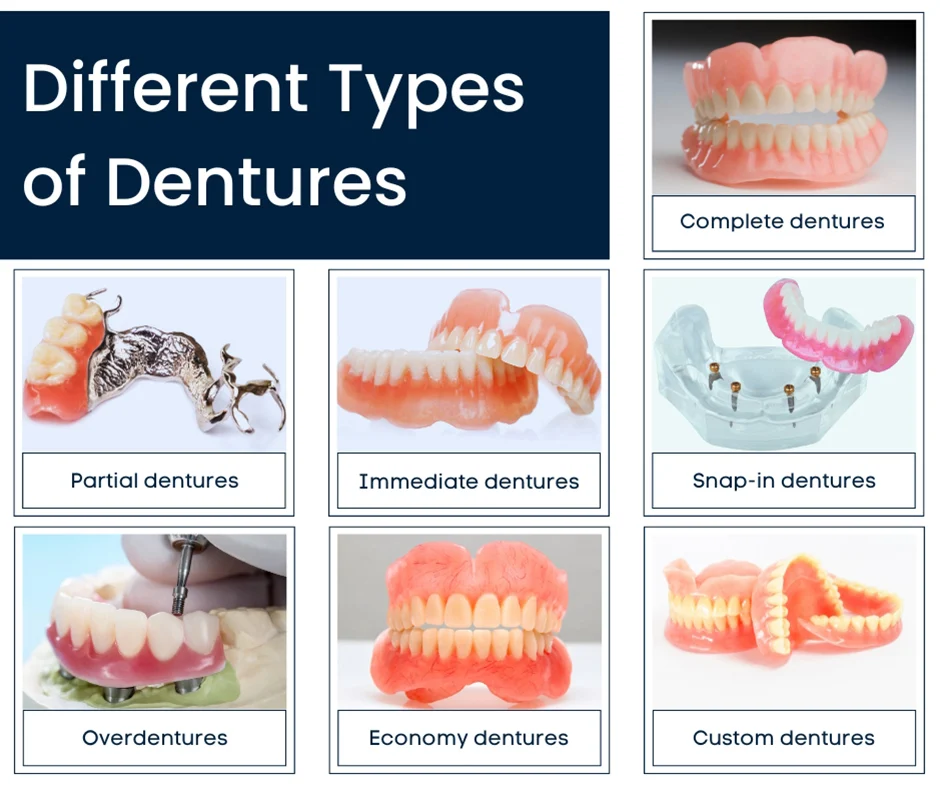
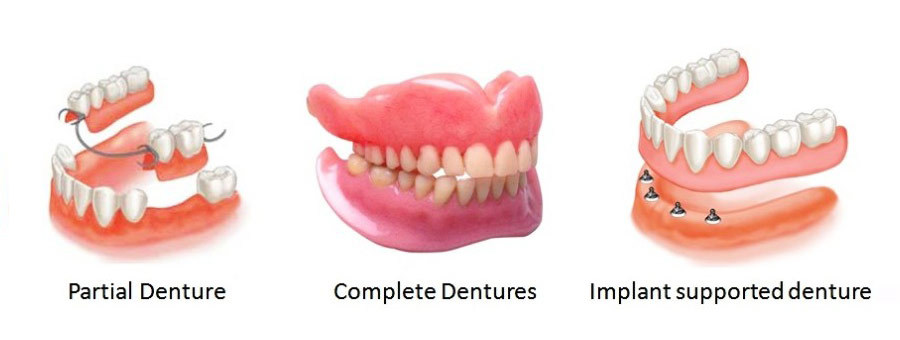
- Complete Dentures (Full Dentures): These replace all the teeth in either the upper or lower jaw, or both.
- Partial Dentures: These are used when some natural teeth remain.
- Immediate Dentures: These are fitted immediately after tooth extraction.
Each type has its own unique characteristics, advantages, and disadvantages, which we will delve into in the following sections. Understanding these differences will help you make a well-informed decision with your dentist. At Albania Dental Implants, our experienced team can guide you through this process, providing personalised recommendations based on your specific needs and oral health situation. We also offer alternatives such as all on 4 dental implants in Albania for a more stable and permanent solution.
Complete dentures (Full dentures)
When considering complete dentures vs partial dentures, it’s important to understand the distinct differences. Complete dentures, also known as full dentures, are designed to replace all the natural teeth in either the upper or lower jaw, or both. This type of denture is typically used when all the teeth have been lost due to decay, injury, or disease. Understanding when they are used and what the pros and cons are can help you make an informed choice. For some, a more permanent solution like dental implants in Albania might be a better fit in the long run.
What are complete dentures?
Complete dentures are removable appliances that are custom-made to fit snugly over your gums and jawbone. They consist of a flesh-coloured acrylic base that fits over your gums, and artificial teeth that are attached to the base. The upper denture covers the palate (roof of the mouth), while the lower denture is horseshoe-shaped to accommodate the tongue. These dentures rely on suction and the support of the surrounding tissues for retention.
When considering complete dentures vs partial dentures, keep in mind that complete dentures offer a full replacement, while partial dentures are used when some natural teeth remain. At Albania Dental Implants, we focus on providing well-fitted, comfortable complete dentures that restore your smile and improve your quality of life. We also offer options like implant overdentures in Albania, which combine the benefits of dentures with the stability of dental implants.
When are complete dentures used?
Complete dentures are typically used in the following situations:
- When all teeth are missing in one or both jaws.
- After all remaining teeth have been extracted due to extensive decay, gum disease, or injury.
- When other tooth replacement options, such as dental implants or bridges, are not suitable due to medical or financial reasons.
If you’re exploring options after tooth extraction, it’s worth noting that at Albania Dental Implants, we also offer services like immediate loading dental implants in Albania, which can provide a quicker and more permanent solution compared to traditional dentures. For many, a more affordable solution can be found with dental tourism in Albania.
What are the pros and cons of complete dentures?
Choosing between complete dentures vs partial dentures involves weighing the advantages and disadvantages.
Pros of Complete Dentures:
- Improved Appearance: Complete dentures can restore your smile and enhance your facial appearance, filling out sunken cheeks and improving overall aesthetics.
- Enhanced Chewing Ability: They enable you to eat a wider variety of foods, improving nutrition and overall health.
- Improved Speech: Replacing missing teeth can improve speech clarity and pronunciation.
- Cost-Effective: Compared to other tooth replacement options like dental implants, complete dentures are generally more affordable.
Cons of Complete Dentures:
- Adjustment Period: It can take time to get used to wearing complete dentures. They may feel bulky or loose at first, and it may take practice to speak and eat comfortably.
- Reduced Taste Sensation: Upper dentures can cover the palate, which may slightly reduce your sense of taste.
- Potential Discomfort: Dentures can sometimes cause irritation or sore spots, especially if they don’t fit properly. Regular adjustments by your dentist are necessary.
- Bone Resorption: Over time, the jawbone may shrink (resorb) due to lack of stimulation from natural teeth, which can affect the fit of the dentures.
When considering the pros and cons, it’s also important to explore alternatives like dental implants in Albania. While they may have a higher initial cost, implants offer greater stability, prevent bone loss, and can significantly improve your quality of life. Consulting with Albania Dental Implants can help you determine the best option for your individual needs and budget.
Partial dentures
In exploring complete dentures vs partial dentures, it’s crucial to understand that partial dentures are specifically designed for individuals who still have some natural teeth remaining. Partial dentures fill in the gaps created by missing teeth, preventing the remaining teeth from shifting and maintaining proper alignment. This section explains who partial dentures are suitable for, the materials they’re made from, and how they stack up against complete dentures. We will help you determine if partial dentures are the right solution for your missing teeth.
Explanation of partial dentures
Partial dentures are removable dental appliances that replace some, but not all, of your natural teeth. They typically consist of replacement teeth attached to a plastic or metal base that connects to your existing teeth with clasps or attachments. These clasps help keep the denture in place, providing stability and support.
While partial dentures offer a solution for missing teeth, alternatives like multiple implants with bridges in Albania can offer a more permanent and stable outcome. At Albania Dental Implants, we evaluate each patient’s unique situation to recommend the most suitable treatment option, whether it’s a partial denture, a bridge, or dental implants. For patients looking for a more permanent solution dental implants in Albania should be considered.
Who are partial dentures suitable for?
Partial dentures are a suitable option for individuals who:
- Have lost some teeth due to decay, injury, or gum disease but still have healthy teeth remaining.
- Need to prevent their remaining teeth from shifting or drifting into the gaps left by missing teeth.
- Are looking for a more affordable tooth replacement option compared to dental implants or bridges.
- Need a removable appliance that can be easily cleaned and maintained.
It’s worth noting that while partial dentures are a practical solution, they may not be the best long-term option for everyone. At Albania Dental Implants, we offer a range of alternatives, including dental implants in Albania, which provide superior stability and prevent bone loss. For those missing all their teeth and looking for a long term solution all on 6 dental implants in Albania is an option to consider.
What materials are used in partial dentures?
Partial dentures can be made from a variety of materials, including:
- Acrylic Resin: This is a common material for the base and teeth of partial dentures. It’s lightweight, affordable, and can be easily customized to match the colour of your natural teeth and gums.
- Metal: Metal frameworks, typically made of chrome cobalt, provide strength and stability to the denture. Metal clasps are used to attach the denture to your existing teeth.
- Flexible Materials: Some partial dentures are made from flexible nylon materials that are more comfortable and less likely to irritate the gums. These are often called “flexible dentures.”
The choice of material depends on factors such as cost, durability, comfort, and aesthetics. At Albania Dental Implants, we use high-quality materials to ensure that your partial dentures are both functional and aesthetically pleasing. An affordable solution is found with dental tourism in Albania.
How do partial dentures compare to complete dentures?
When considering complete dentures vs partial dentures, there are several key differences to keep in mind:
- Coverage: Complete dentures replace all the teeth in a jaw, while partial dentures only replace some teeth.
- Support: Complete dentures rely on suction and the support of the gums and jawbone for retention, while partial dentures are supported by both the gums and the remaining natural teeth.
- Stability: Partial dentures tend to be more stable than complete dentures because they are anchored to your natural teeth.
- Adjustment: Adjusting to partial dentures may be easier than adjusting to complete dentures because you still have some natural teeth to provide a sense of stability and orientation.
Ultimately, the best type of denture for you depends on the number of missing teeth and the condition of your remaining teeth. At Albania Dental Implants, we offer personalized consultations to assess your needs and recommend the most suitable solution. For patients with several missing teeth, multiple implants with bridges in Albania may be a better, more permanent solution.
Immediate dentures
Immediate dentures offer a unique advantage: they’re placed in your mouth immediately after your teeth are extracted. This means you don’t have to go without teeth during the healing process. This section will explain what makes immediate dentures different, how they are fitted, and what the benefits and considerations are. We’ll also discuss the transition to permanent dentures. This is a great way to improve self-esteem after a tooth extraction.
What makes immediate dentures different?
The primary difference between immediate dentures and conventional dentures is the timing of their placement. Conventional dentures are made and placed after the gums and bone have fully healed following tooth extraction, which can take several months. In contrast, immediate dentures are prepared in advance and placed immediately after the teeth are extracted.
This approach offers several benefits, including maintaining facial aesthetics and allowing you to adapt to dentures more quickly. However, it also requires careful planning and follow-up adjustments. For those seeking alternative and permanent solutions, Albania Dental Implants offers dental implants in Albania, which can be placed immediately following extraction in some cases, providing a stable and long-lasting solution. For many, a more affordable solution can be found with dental tourism in Albania.
How are immediate dentures fitted?
The process of fitting immediate dentures involves several steps:
- Initial Consultation: Your dentist will examine your teeth and gums, take X-rays, and discuss your treatment options.
- Impressions: Impressions of your mouth are taken to create a model for the denture.
- Tooth Extraction: The remaining teeth are extracted.
- Denture Placement: The immediate dentures are placed in your mouth immediately after the extraction.
- Follow-Up Adjustments: As your gums and bone heal, the denture may need to be adjusted to ensure a comfortable fit.
Because the mouth changes shape during the healing process, immediate dentures typically require more frequent adjustments than conventional dentures. At Albania Dental Implants, our team provides comprehensive aftercare to ensure your immediate dentures fit well and remain comfortable throughout the healing process. For a more permanent solution, we offer options like immediate loading dental implants in Albania, which can minimize the need for adjustments and provide long-term stability.
Benefits and considerations of immediate dentures
Benefits of Immediate Dentures:
- Immediate Aesthetics: You don’t have to go without teeth during the healing period.
- Protection of Extraction Sites: The denture acts as a bandage, protecting the gums and reducing bleeding.
- Improved Speech: Immediate replacement of teeth helps maintain proper speech patterns.
- Easier Adaptation: Adapting to dentures may be easier when you have them in place from the start.
Considerations of Immediate Dentures:
- Multiple Adjustments: Immediate dentures require frequent adjustments as the gums and bone heal and change shape.
- Temporary Fit: The initial fit may not be as precise as conventional dentures due to the healing process.
- Possible Sore Spots: Sore spots and irritation can occur, requiring adjustments by your dentist.
While immediate dentures provide immediate benefits, it’s essential to be aware of the potential drawbacks. At Albania Dental Implants, we provide detailed consultations to ensure you understand both the advantages and disadvantages of immediate dentures. We also offer alternative solutions such as all on 4 dental implants in Albania for a more permanent and stable option.
The transition to permanent dentures
Because immediate dentures are fitted before the gums have fully healed, they are considered a temporary solution. Once the healing process is complete (usually after several months), you will typically transition to permanent dentures.
Permanent dentures are custom-made to fit the final shape of your gums and bone, providing a more accurate and comfortable fit. At Albania Dental Implants, we ensure a smooth transition from your immediate dentures to permanent dentures, taking new impressions and carefully crafting your new dentures for optimal comfort and function. Alternatively, many patients opt for dental implants in Albania at this stage, seeking a more permanent and stable solution to tooth loss.
Removable vs. Fixed dentures
When exploring tooth replacement options, understanding the difference between fixed dentures vs removable dentures is essential. This distinction impacts comfort, function, and maintenance. Removable dentures, as the name suggests, can be taken out for cleaning and during sleep. In contrast, fixed dentures are attached to dental implants and cannot be removed by the patient. This section provides definitions, examples, suitability, and cost differences between the two, as well as their maintenance needs.
Definitions and examples
Removable dentures are prosthetic devices designed to replace missing teeth that can be taken out of the mouth for cleaning and maintenance. They include complete dentures, which replace all teeth, and partial dentures, which replace some teeth while attaching to existing teeth with clasps. An example is a traditional set of dentures that you remove each night.
Fixed dentures, on the other hand, are permanently attached to dental implants that are surgically placed in the jawbone. These dentures offer greater stability and function like natural teeth. A common example is an implant-supported bridge or an all on 4 dental implants in Albania restoration.
Suitability and cost differences
The choice between fixed dentures vs removable dentures depends on several factors, including your oral health, bone density, and budget.
Removable Dentures:
- Suitability: Suitable for those with significant bone loss or limited budget.
- Cost: Generally more affordable upfront than fixed dentures.
Fixed Dentures:
- Suitability: Ideal for those with sufficient bone density to support dental implants and who desire greater stability and function.
- Cost: More expensive initially due to the cost of implants and surgical procedures.
At Albania Dental Implants, we offer both fixed dentures vs removable dentures and provide detailed consultations to help you determine the best option for your specific needs and financial situation. For patients considering fixed solutions, we provide affordable dental implants in Albania with options like all on 6 dental implants in Albania and personalized treatment plans. We also offer affordable dental tourism in Albania.
Maintenance and care needs
The maintenance and care of fixed dentures vs removable dentures also differ significantly:
Removable Dentures:
- Cleaning: Must be removed and cleaned daily with a denture brush and cleaner.
- Soaking: Should be soaked in a denture solution overnight to prevent drying and warping.
- Check-ups: Regular dental check-ups are necessary to ensure proper fit and to address any irritation or sore spots.
Fixed Dentures:
- Cleaning: Require regular brushing and flossing, just like natural teeth. Special tools like interdental brushes may be needed to clean around the implants.
- Check-ups: Regular dental check-ups and professional cleanings are essential to maintain the health of the implants and surrounding tissues.
Regardless of which option you choose, proper maintenance is crucial for the longevity and health of your dentures. At Albania Dental Implants, we provide detailed instructions on how to care for your dentures and offer ongoing support to ensure your smile stays healthy and vibrant. If you are seeking a more permanent solution dental implants in Albania is the answer.
Choosing the right dentures
The process of who needs dentures and choosing the right type can feel overwhelming. Several factors come into play, including age, oral health, bone structure, and personal preferences. This section helps guide you through these considerations to make an informed decision. We’ll explore the factors influencing the choice of denture type, so you can determine the best fit for your unique situation. We will help you determine if you need dentures.
Factors influencing the choice of denture type
Several factors influence the type of denture that is best for you:
- Number of Missing Teeth: If you’re missing all your teeth in one or both jaws, complete dentures are necessary. If you have some natural teeth remaining, partial dentures may be an option.
- Oral Health: The health of your gums and remaining teeth (if any) will impact the suitability of different denture types. Gum disease or decay may need to be addressed before getting dentures.
- Bone Structure: The amount and density of bone in your jaw affect the stability and retention of dentures. Significant bone loss may make traditional dentures less stable and could necessitate considering implant-supported options.
- Personal Preferences: Your lifestyle, aesthetic goals, and comfort level with different types of appliances will also influence your choice.
At Albania Dental Implants, we consider all these factors when recommending the best denture solution for you. We offer comprehensive consultations to assess your oral health, discuss your preferences, and create a personalized treatment plan. For those with bone loss, we also offer bone grafting in Albania to improve the success of implant-supported dentures or even zirconia implants in Albania.
How do age, oral health, bone structure, and preferences play a role?
Age:
As you age, changes in bone density and gum health can affect the fit and stability of dentures. Older adults may also have other health conditions that impact their ability to tolerate certain dental procedures. However, at Albania Dental Implants, we tailor our treatments to suit patients of all ages, ensuring comfort and functionality.
Oral Health:
Good oral hygiene is essential for the success of dentures. If you have existing gum disease or decay, it’s crucial to address these issues before getting dentures. At Albania Dental Implants, we offer comprehensive general dentistry services to ensure your mouth is healthy and ready for dentures or other tooth replacement options.
Bone Structure:
The density and volume of your jawbone are critical for the stability of dentures, especially implant-supported dentures. If you have significant bone loss, bone grafting may be necessary. Albania Dental Implants specializes in bone grafting in Albania, ensuring that you have a solid foundation for your dentures.
Preferences:
Ultimately, the best type of denture for you depends on your personal preferences. Some people prefer the affordability and simplicity of traditional dentures, while others prioritize the stability and natural feel of implant-supported dentures. At Albania Dental Implants, we take the time to understand your goals and preferences, so we can recommend a solution that meets your needs and exceeds your expectations.
Making the right choice requires careful consideration and professional guidance. At Albania Dental Implants, our experienced team is here to help you navigate the options and find the perfect denture solution for your smile. For those considering a more permanent solution than dentures, dental implants in Albania is something to consider.
Denture materials and care
The denture materials used in construction significantly affect their durability, comfort, and aesthetics. Proper denture care advice is equally crucial for extending their lifespan and maintaining good oral health. This section covers common materials used in the UK, cleaning and maintenance best practices, and considerations for longevity and replacement. Taking the time to care for your dentures can improve your oral health.
Common materials in UK denture construction
In the UK, dentures are commonly constructed using the following materials:
- Acrylic Resin: This is the most common material for the base and teeth of dentures due to its affordability, ease of customization, and natural appearance.
- Chrome Cobalt: This metal alloy is used for the framework of partial dentures, providing strength and stability.
- Porcelain: While less common now, porcelain was previously used for denture teeth due to its durability and natural appearance.
- Flexible Thermoplastic Materials: These materials, such as nylon, are used for flexible dentures, offering greater comfort and reduced irritation.
The selection of denture materials impacts the overall comfort, fit, and longevity of the dentures. At Albania Dental Implants, we use high-quality materials to ensure our dentures are both functional and aesthetically pleasing. For patients seeking alternatives with enhanced aesthetics and biocompatibility, we also offer options like zirconia implants in Albania. For many, a more affordable solution can be found with dental tourism in Albania.
Cleaning and maintenance best practices
Proper denture care advice is essential for maintaining the health of your dentures and your mouth:
- Daily Cleaning: Clean your dentures daily with a denture brush and a mild denture cleaner. Avoid using regular toothpaste, as it can be abrasive.
- Rinsing: Rinse your dentures thoroughly after each meal to remove food particles.
- Soaking: Soak your dentures in a denture-cleaning solution or water overnight to prevent drying and warping.
- Handling: Handle your dentures with care to avoid dropping them, as they can break easily.
- Oral Hygiene: Even if you have complete dentures, continue to brush your gums, tongue, and palate twice daily to maintain good oral hygiene.
Following these denture care advice steps will help extend the life of your dentures and prevent oral health problems. At Albania Dental Implants, we provide detailed instructions on how to care for your dentures and offer ongoing support to ensure your smile stays healthy and vibrant.
Longevity and replacement
With proper care, dentures can last for several years. However, they will eventually need to be replaced due to wear and tear, changes in your mouth, or bone resorption. Generally, dentures need to be replaced every 5-10 years.
Signs that your dentures may need to be replaced include:
- Loose or Ill-Fitting Dentures: If your dentures no longer fit snugly, they may cause irritation, sore spots, or difficulty chewing.
- Cracks or Chips: Cracks or chips in the denture base or teeth can compromise their strength and aesthetics.
- Stains or Odours: Stains or odours that cannot be removed with regular cleaning may indicate that your dentures are deteriorating.
Regular dental check-ups are essential for monitoring the condition of your dentures and identifying any issues early on. At Albania Dental Implants, we offer comprehensive denture maintenance and replacement services to keep your smile looking and feeling its best. For those seeking a more permanent solution, we encourage you to explore the benefits of dental implants in Albania.
Dentures cost and NHS information for the UK
Understanding the cost of dentures in the UK is crucial for anyone considering this tooth replacement option. This section provides information on typical costs privately and through the NHS, what’s included at different price points, and options for insurance or help with dental costs. You should research how much dentures will cost.
Typical costs privately and through the NHS
The cost of dentures in the UK can vary widely depending on several factors, including the type of denture, the materials used, and the dentist’s fees.
NHS Dentures:
The NHS offers dentures at a fixed price, which is determined by the complexity of the treatment. As of 2024, the cost for a complete or partial denture under NHS Band 3 is £319.10. This covers the cost of the appliance, fitting, and any necessary adjustments.
Private Dentures:
Private denture costs can range from £500 to £2,000 or more per denture, depending on the materials and the complexity of the case. Premium materials, such as high-end acrylic or flexible bases, will increase the cost. Additional procedures, such as tooth extractions or bone grafting, will also add to the overall cost.
When comparing the cost of dentures in the UK, it’s essential to consider the quality of materials and the level of expertise offered. At Albania Dental Implants, we provide high-quality dentures at competitive prices, with options like dental tourism in Albania to make treatment more affordable. Our dentures are crafted using premium materials and advanced techniques, ensuring a comfortable fit and natural-looking smile.
What’s included at different price points?
The cost of dentures in the UK often reflects the services and materials included:
- Basic NHS Dentures: This typically includes the denture itself, impressions, fitting, and basic adjustments.
- Mid-Range Private Dentures: These may include higher-quality materials, more personalized fitting, and additional aesthetic options.
- Premium Private Dentures: These often involve advanced techniques, such as digital impressions, custom tooth arrangements, and premium materials for superior comfort and aesthetics.
Understanding what’s included at each price point will help you make an informed decision about the best option for your needs and budget. At Albania Dental Implants, we offer transparent pricing and detailed consultations to ensure you understand the value of our services. For those seeking a permanent alternative to dentures, we also offer affordable dental implants in Albania, with options like all on 4 dental implants in Albania available.
Insurance and help with dental costs
Several options are available to help with the cost of dentures in the UK:
- NHS Assistance: If you are eligible for certain benefits, such as Universal Credit or Income Support, you may be entitled to free or reduced-cost NHS dental treatment.
- Dental Insurance: Private dental insurance plans can help cover the cost of dentures, depending on the level of coverage.
- Dental Payment Plans: Many dental practices offer payment plans that allow you to spread the cost of treatment over time.
- Charitable Organisations: Some charitable organisations may provide financial assistance for dental treatment to those in need.
Exploring these options can help make dentures more affordable and accessible. At Albania Dental Implants, we offer flexible payment plans and work with insurance providers to help you manage the cost of your treatment. Additionally, our dental tourism in Albania option provides a cost-effective way to receive high-quality dental care. To find out if you can get implants on a NHS dentist, visit our website to find more information.
FAQ Section (Questions to Answer in Detail)
Here are some frequently asked questions about dentures and dental health. We will answer each question in detail.
What are the three types of dentures?
As detailed above, the three main types of dentures explained are complete dentures, partial dentures, and immediate dentures. Complete dentures replace all teeth in either the upper or lower jaw. Partial dentures replace some teeth while attaching to existing teeth. Immediate dentures are fitted immediately after tooth extraction.
How do complete dentures differ from partial dentures?
The main difference between complete dentures vs partial dentures lies in their coverage. Complete dentures replace all the teeth in a dental arch, while partial dentures are used when some natural teeth remain. Partial dentures also include clasps or attachments that connect to the remaining teeth for stability.
Who is a good candidate for each type of denture?
- Complete Dentures: Suitable for individuals who have lost all their teeth in one or both jaws.
- Partial Dentures: Ideal for those who have some natural teeth remaining and need to fill gaps caused by missing teeth.
- Immediate Dentures: A good option for those who need teeth extracted and want to avoid going without teeth during the healing process.
What are the main advantages and disadvantages of each?
- Complete Dentures: Advantages include improved appearance and chewing ability; disadvantages include potential discomfort and reduced taste sensation.
- Partial Dentures: Advantages include maintaining tooth alignment and being more stable than complete dentures; disadvantages include potential for tooth decay around clasps.
- Immediate Dentures: Advantages include immediate aesthetics and protection of extraction sites; disadvantages include the need for frequent adjustments.
Are immediate dentures permanent?
No, immediate dentures are not permanent. They are a temporary solution to maintain aesthetics and function while your gums heal after tooth extraction. You will typically transition to permanent dentures after several months.
How long do dentures last?
With proper care, dentures can last for 5-10 years. However, they will eventually need to be replaced due to wear and tear, changes in your mouth, or bone resorption.
How do you care for different types of dentures?
Denture care advice includes daily cleaning with a denture brush and cleaner, rinsing after meals, and soaking in a denture solution overnight. Regular dental check-ups are also essential for maintaining the health of your dentures and mouth.
What is the cost of dentures in the UK?
The cost of dentures in the UK varies depending on the type and materials used. NHS dentures cost £319.10, while private dentures can range from £500 to £2,000 or more per denture.
Can I get dentures on the NHS?
Yes, dentures are available on the NHS. The cost for a complete or partial denture under NHS Band 3 is £319.10.
How soon after tooth extraction can I get dentures?
With immediate dentures, you can get them placed immediately after tooth extraction. For conventional dentures, you will need to wait several months for your gums to heal before getting fitted.
Are there alternatives to dentures?
Yes, alternatives to dentures include dental implants and bridges. Dental implants offer a more permanent and stable solution, while bridges are used to fill gaps caused by missing teeth by attaching to adjacent teeth.
Conclusion
Choosing the right type of denture is a significant decision that impacts your oral health, appearance, and quality of life. Understanding the types of dentures explained – complete, partial, and immediate – is the first step towards making an informed choice. Each type offers unique benefits and considerations, and the best option for you will depend on your individual needs and preferences.
At Albania Dental Implants, we are committed to providing high-quality denture solutions tailored to your specific needs. Whether you’re considering complete dentures to restore a full smile, partial dentures to fill gaps while preserving existing teeth, or immediate dentures for immediate aesthetic improvement after extraction, our experienced team is here to guide you every step of the way. We also offer advanced alternatives like dental implants in Albania, providing a more permanent and stable solution.
Don’t let missing teeth hold you back. Contact Albania Dental Implants today to schedule a consultation and discover the best denture option for you. Regain your confidence and enjoy a healthy, beautiful smile once again. Check out our Albania dental implants reviews to see how we have helped other patients!