


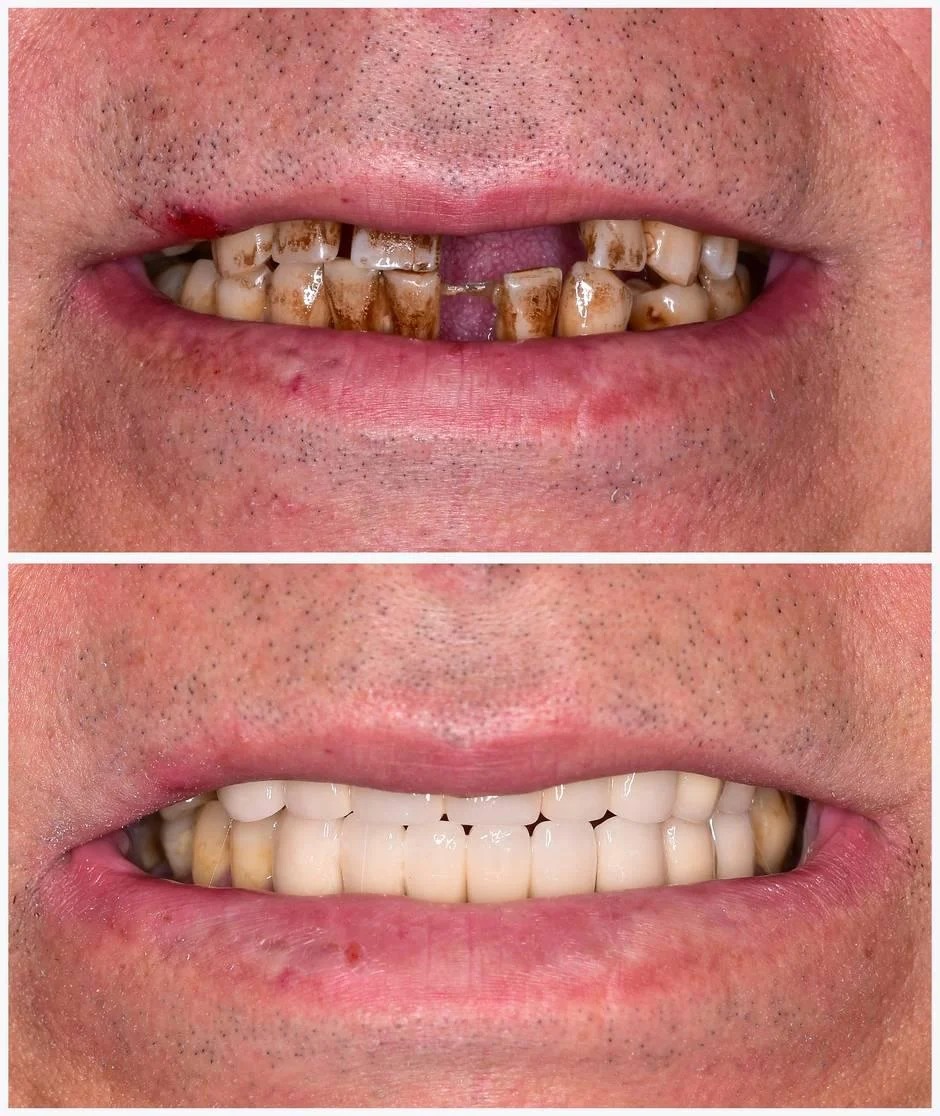

What can you do if you have bad teeth and no money in the UK? This guide details actionable, low-cost steps and solutions available to help you get dental care, even when finances are tight. We’ll explore NHS options, charities, and creative funding solutions to help you regain your smile and confidence, and when the time is right, consider options for quality and affordable dental tourism in Albania.
Free Dental Treatment UK: What Are Your Options?
If you’re struggling to afford dental care, understanding your options for free dental treatment UK is crucial. Many people believe that dental care is out of reach when they have limited income, but that’s not always the case. The NHS provides pathways to free or heavily subsidised treatment for eligible individuals. This section will explore eligibility and how to access necessary care.
NHS Free Dental Eligibility
The NHS offers free dental treatment to specific groups of people. Knowing whether you qualify can significantly ease the burden of dental costs. The following groups are typically eligible:
- Children under 18
- Pregnant women and women who have had a baby in the last 12 months
- Individuals receiving certain benefits
It’s worth noting that eligibility isn’t solely based on income; it also considers specific life circumstances. Understanding your eligibility can be the first step in accessing much-needed dental care without financial stress. If you don’t qualify for free NHS dental care, there are still other avenues for affordable treatment, such as the NHS Low Income Scheme.
Exemptions for Low-Income or Benefits Claimants
If you’re on a low income or claiming certain benefits, you might be entitled to free or reduced-cost NHS dental treatment. The NHS Low Income Scheme (LIS) provides help with health costs, including dental care. You can apply for the scheme if you receive:
- Income Support
- Income-based Jobseeker’s Allowance
- Income-related Employment and Support Allowance
- Pension Credit Guarantee Credit
- Universal Credit (and meet specific criteria)
If eligible, you’ll receive a certificate (HC2 or HC3) that covers all or part of your dental costs. An HC2 certificate means you’re entitled to free NHS dental treatment, while an HC3 certificate offers partial help, reducing the amount you have to pay. Applying for the LIS is a straightforward process that can significantly alleviate financial concerns surrounding dental care.
Urgent vs. Routine Care
When considering free dental treatment, it’s important to distinguish between urgent and routine care. The NHS generally prioritizes urgent dental problems, such as severe pain, infection, or trauma. In such cases, you can often access emergency dental care without upfront payment, even if you’re not typically eligible for free treatment. Routine care, such as check-ups, fillings, and hygiene appointments, may be subject to NHS charges unless you qualify for exemptions.
Prioritizing urgent dental needs ensures that immediate problems are addressed promptly. This approach helps prevent complications and further deterioration of your oral health. Remember, addressing urgent issues doesn’t exclude you from seeking affordable solutions for routine care; it simply means managing priorities effectively.
NHS Dental Services for Low-Income Individuals
Navigating NHS dental services for low-income individuals can seem daunting, but understanding the available support mechanisms can make a significant difference. The NHS provides several avenues for those with limited financial resources to access necessary dental treatment. This section explores the NHS Low Income Scheme and how it can help you get the dental care you need.
How to Apply for the NHS Low Income Scheme
Applying for the NHS Low Income Scheme (LIS) is a straightforward process. You’ll need to complete an HC1 form, which you can obtain from your local Jobcentre Plus, NHS hospital, or online via the NHS website. The form requires you to provide details about your income, savings, and outgoings. Supporting documents, such as bank statements and benefit award letters, may also be required.
Once you’ve completed the form, you’ll need to send it to the NHS Business Services Authority (NHSBSA) for assessment. The NHSBSA will review your application and determine whether you’re eligible for full (HC2 certificate) or partial (HC3 certificate) help with health costs. The entire process usually takes a few weeks, so it’s advisable to apply as soon as possible if you think you might be eligible.
HC2 Certificate Explained
An HC2 certificate provides full help with health costs, meaning you’re entitled to free NHS dental treatment. With an HC2 certificate, you won’t have to pay for any NHS dental charges, including check-ups, fillings, extractions, and more complex treatments. Presenting your HC2 certificate at your dental appointment ensures that you receive the necessary care without financial burden.
The HC2 certificate is valid for a specific period, usually several months or a year, depending on your circumstances. It’s important to keep your certificate safe and renew it before it expires to continue receiving free dental treatment. This support ensures that individuals on very low incomes can maintain their oral health without financial strain.
Finding NHS Dentists Accepting New Patients
Finding an NHS dentist accepting new patients can sometimes be challenging, but there are several strategies you can use to increase your chances. Start by contacting your local NHS England office or using the NHS website to search for dentists in your area. Many dental practices list their availability for new NHS patients on their websites or through online directories. If you’re having difficulty finding a dentist, consider contacting NHS 111 for assistance. They can provide information about local dental services and help you find a dentist who is currently accepting new NHS patients.
Be persistent in your search and don’t be afraid to contact multiple dental practices. Joining a waiting list is also a viable option, as spaces often become available over time. By actively searching and utilizing available resources, you can find an NHS dentist who can provide the dental care you need.
Emergency Dental Help in the UK
When faced with severe dental pain or trauma, knowing how to access emergency dental help UK is essential. This section outlines the steps you can take to get immediate assistance, even if you have limited financial resources. Understanding the available options can provide peace of mind during a stressful situation.
Accessing NHS Emergency Dental Care
The NHS provides emergency dental care for urgent problems that require immediate attention. These problems include severe pain, uncontrolled bleeding, significant swelling, or trauma to the face or mouth. To access NHS emergency dental care, contact your regular dentist first, if possible. Many dental practices reserve emergency appointments for their registered patients. If your dentist is unavailable or you don’t have a regular dentist, call NHS 111. They can provide advice and direct you to the nearest emergency dental service.
Emergency dental care is usually provided at a local dental practice or an urgent care center. You may have to pay an NHS charge for emergency treatment, but no one will be refused care due to inability to pay. The focus is on addressing the immediate problem and relieving your symptoms.
Using NHS 111 for Dental Emergencies
NHS 111 is a valuable resource for dental emergencies, especially when you’re unsure where to turn. By calling 111, you can speak to a trained advisor who will assess your situation and provide appropriate advice. They can help you find a local emergency dentist, offer self-care tips, or arrange for a call back from a dental professional. NHS 111 is available 24 hours a day, 7 days a week, making it accessible whenever you need urgent dental assistance. The service is free to use, and calls are confidential.
When you call NHS 111, be prepared to provide detailed information about your dental problem, including the location and severity of your pain or symptoms. This information will help the advisor determine the best course of action and ensure that you receive the appropriate care.
Temporary At-Home Solutions Until You See a Dentist
While waiting to see a dentist, there are several temporary at-home solutions you can use to manage dental pain and discomfort. Over-the-counter pain relievers, such as ibuprofen or paracetamol, can help alleviate pain and reduce inflammation. Applying a cold compress to your cheek can also help numb the area and reduce swelling. For toothaches, rinsing your mouth with warm salt water can help clean the area and reduce bacteria. Avoid sugary or acidic foods and drinks, as these can exacerbate your symptoms. If you have a loose filling or crown, try to avoid chewing on that side of your mouth until you can see a dentist.
These at-home solutions are not a substitute for professional dental care, but they can provide temporary relief while you wait for an appointment. If your symptoms worsen or you develop new symptoms, such as fever or difficulty breathing, seek immediate medical attention.
Charities and Organisations Offering Free Dental Care in the UK
For individuals facing financial hardship, charities offering free dental care UK can be a lifeline. Several organisations provide free or heavily subsidised dental treatment to vulnerable groups. This section highlights some key charities and outreach programs that can help you access necessary dental care.
Key National and Local Charities (Dentaid, Dental Wellness Trust, etc.)
Several national and local charities in the UK offer free or low-cost dental care to those in need. Dentaid is a prominent charity that provides dental treatment to vulnerable people in the UK and overseas. They run mobile dental clinics and outreach programs that offer free dental care to homeless people, refugees, and other marginalized groups. The Dental Wellness Trust focuses on improving the oral health of children through education and preventative programs. They also provide free dental treatment to children in disadvantaged communities.
Other local charities and community organizations may also offer dental services to low-income individuals. Contact your local council or search online for charities in your area that provide dental care. These charities often rely on donations and volunteers to provide their services, so consider supporting them if you can.
Community Dental Services
Community dental services provide dental care to individuals who may have difficulty accessing mainstream dental services. These services often cater to people with disabilities, mental health problems, or complex medical conditions. Community dental services are typically provided in community clinics, mobile dental units, or even in patients’ homes. They offer a range of treatments, including check-ups, fillings, extractions, and preventive care.
To access community dental services, you may need a referral from your GP, social worker, or another healthcare professional. Contact your local council or NHS England office for information about community dental services in your area. These services play a crucial role in ensuring that everyone has access to dental care, regardless of their circumstances.
Outreach Schemes for Vulnerable Groups
Several outreach schemes in the UK target vulnerable groups, providing them with access to dental care and oral health education. These schemes often focus on specific populations, such as homeless people, refugees, and prisoners. Outreach programs may involve mobile dental clinics, dental health workshops, and the distribution of oral hygiene products. These initiatives aim to improve the oral health of vulnerable groups and reduce health inequalities.
Participating in outreach schemes can be a valuable way to access dental care and learn about oral hygiene practices. Contact local charities, community organizations, or healthcare providers for information about outreach schemes in your area. By reaching out to vulnerable groups, these schemes help ensure that everyone has the opportunity to maintain good oral health.
Dental Grants, Funding, and Payment Plans
Exploring dental grants and funding UK options can significantly ease the financial strain of dental treatment. While free dental care is limited, various grants, funding schemes, and payment plans can help you afford necessary procedures. This section outlines several avenues to explore for financial assistance.
Adult Dental Grant Options
While government grants specifically for adult dental treatment are rare, some charities and organizations offer financial assistance for specific dental procedures. The Oral Health Foundation, for example, provides information about potential funding sources and support schemes. Some dental charities may offer grants for individuals with specific medical conditions or disabilities. It’s worth researching and contacting dental charities to inquire about available grant opportunities.
Eligibility criteria for dental grants vary depending on the organization. You may need to provide information about your income, medical history, and the specific dental treatment you require. Be prepared to provide supporting documents, such as medical reports and benefit statements.
Payment Plans and 0% Financing
Many dental practices offer payment plans to help patients spread the cost of dental treatment over time. These plans allow you to pay for your treatment in monthly installments, making it more affordable. Some practices also offer 0% financing options, which means you won’t have to pay any interest on your payments. Payment plans can be a convenient way to manage the cost of dental treatment without incurring additional debt. Before committing to a payment plan, carefully review the terms and conditions. Check the interest rate, repayment period, and any associated fees. Make sure you can comfortably afford the monthly payments before signing up.
Consider exploring monthly payment options for dental implants to break down the cost into manageable installments.
Crowdfunding and Other Creative Funding Options
In today’s digital age, crowdfunding has emerged as a creative way to raise funds for dental treatment. Platforms like GoFundMe allow you to create a fundraising campaign and share it with your friends, family, and wider community. When creating a crowdfunding campaign for dental treatment, be transparent about your situation. Explain why you need the treatment, how much it will cost, and how the funds will be used. Share your story on social media and encourage others to spread the word. You may be surprised by the generosity of people willing to support your cause. Other creative funding options include selling unwanted items, taking on extra work, or borrowing from family or friends.
Consider these options if you are exploring how to afford dental implants in the UK.
Low-Cost and Training Dental Clinics in the UK
Seeking treatment at low-cost dental clinics UK, particularly those associated with training institutions, can be a viable option for affordable dental care. University dental schools and training clinics offer reduced-cost treatment while providing valuable experience for dental students. This section explores the pros and cons of these clinics.
University Dental Schools and Clinics
Many universities in the UK have dental schools and clinics that offer treatment to the public at a reduced cost. These clinics are staffed by dental students who are supervised by experienced dentists and professors. Treatment costs at university dental clinics are typically lower than those at private dental practices. This is because the students are gaining experience, and the clinics are often subsidized by the university.
University dental clinics offer a range of treatments, including check-ups, fillings, extractions, and more complex procedures. The waiting times for treatment at these clinics can sometimes be longer than those at private practices, but the reduced cost makes it a worthwhile option for many people.
Supervised Treatment by Dental Students
Treatment at university dental clinics is always supervised by qualified and experienced dentists. This ensures that patients receive high-quality care, even though the treatment is being provided by students. The supervising dentists oversee every aspect of the treatment, from diagnosis to procedure execution. They provide guidance and support to the students, ensuring that they adhere to the highest standards of care.
Patients can feel confident that they are receiving safe and effective treatment at university dental clinics. The combination of student enthusiasm and experienced supervision creates a learning environment that benefits both patients and students.
Pros and Cons of Training Clinics
Training dental clinics offer several advantages. Treatment costs are significantly lower. You contribute to the education of future dentists. You receive care under the supervision of experienced professionals.
However, there are potential drawbacks. Treatment times may be longer due to the learning environment. Appointment availability might be limited. You may not have the same level of personalized attention as in a private practice. Weighing these pros and cons can help you decide if a training dental clinic is the right option for you. If you are looking for the best care at the best prices, explore options for Albania Dental Implants.
What To Do If You Can’t Afford a Dentist: Practical Tips
Even when professional dental care seems out of reach, there are several steps you can take to manage your oral health. This section provides what to do if you can’t afford a dentist: practical tips for prioritizing urgent problems, managing pain, and maintaining oral hygiene on a budget.
Prioritising Urgent Problems
If you can’t afford regular dental check-ups, it’s crucial to prioritize urgent dental problems. Ignoring severe pain, swelling, or bleeding can lead to serious health complications. Focus on addressing these issues first. Contact NHS 111 for guidance on accessing emergency dental care. Seek assistance from dental charities or community dental services. Addressing urgent problems prevents further deterioration of your oral health and minimizes the need for costly treatments in the future.
Managing Dental Pain at Home Safely
While waiting to see a dentist, there are several ways to manage dental pain at home. Over-the-counter pain relievers, such as ibuprofen or paracetamol, can help alleviate pain and reduce inflammation. Applying a cold compress to your cheek can also provide temporary relief. Rinsing your mouth with warm salt water can help clean the area and reduce bacteria. Avoid sugary or acidic foods and drinks, as these can exacerbate your symptoms. Use caution when using home remedies and consult a healthcare professional if your pain persists or worsens.
Remember, these are only temporary measures. It’s important to seek professional dental care as soon as possible to address the underlying cause of your pain.
Oral Hygiene Tips on a Budget
Maintaining good oral hygiene is essential, even on a tight budget. Brushing your teeth twice a day with fluoride toothpaste is the most important step. Affordable toothpastes are available at most supermarkets and pharmacies. Floss daily to remove plaque and food particles from between your teeth. You can also use interdental brushes to clean hard-to-reach areas. Consider making your own mouthwash by mixing warm water with a pinch of salt. Regular brushing, flossing, and rinsing can help prevent tooth decay and gum disease, reducing the need for costly dental treatments.
Proper oral hygiene can also help you avoid needing procedures like bone grafting in Albania due to advanced gum disease.
Preparation for Future Dental Costs
Even if you’re currently struggling to afford dental care, it’s important to prepare for future dental costs. Start by creating a budget and setting aside a small amount of money each month for dental expenses. Explore dental insurance options and compare premiums and coverage. Consider opening a health savings account (HSA) if you’re eligible. HSAs allow you to save money for healthcare expenses on a tax-advantaged basis. Taking proactive steps to prepare for future dental costs can help you avoid financial stress when unexpected dental problems arise.
Additionally, researching the cost of dental implants in Albania can provide insight into potential long-term solutions and budget planning.
Frequently Asked Questions About Bad Teeth and No Money in the UK
This section addresses common questions about accessing dental care when you have bad teeth and limited financial resources in the UK.
How do I get free dental treatment if I have no money in the UK?
You can get free dental treatment in the UK if you’re eligible for NHS free dental care or if you receive an HC2 certificate through the NHS Low Income Scheme. Certain groups, such as children, pregnant women, and individuals receiving specific benefits, are automatically eligible for free NHS dental treatment. Applying for the NHS Low Income Scheme can also provide access to free or reduced-cost dental care if you meet the eligibility criteria. Additionally, some dental charities and community organizations offer free dental treatment to vulnerable groups.
Can I see an NHS dentist if I am unemployed or on benefits?
Yes, you can see an NHS dentist if you’re unemployed or on benefits. Being unemployed or receiving benefits doesn’t automatically entitle you to free NHS dental treatment, but it may make you eligible for the NHS Low Income Scheme. If you qualify for the scheme, you’ll receive an HC2 or HC3 certificate that covers all or part of your dental costs. Contact your local Jobcentre Plus or the NHS website for information about applying for the NHS Low Income Scheme.
What services are available in a dental emergency if I can’t pay?
In a dental emergency, you can access NHS emergency dental care, even if you can’t pay upfront. The NHS provides emergency dental care for urgent problems, such as severe pain, uncontrolled bleeding, or significant swelling. Contact your regular dentist or NHS 111 for assistance. No one will be refused emergency dental care due to inability to pay. However, you may be charged an NHS fee for emergency treatment, which you’ll need to pay later.
Are there any charities that provide free dental care for adults?
Yes, several charities provide free dental care for adults in the UK. Dentaid, the Dental Wellness Trust, and other local charities offer free or low-cost dental treatment to vulnerable adults. These charities often focus on specific populations, such as homeless people, refugees, and individuals with disabilities. Contact dental charities in your area to inquire about available services and eligibility criteria.
How do I apply for the NHS Low Income Scheme for dental care?
To apply for the NHS Low Income Scheme, you’ll need to complete an HC1 form. You can obtain the form from your local Jobcentre Plus, NHS hospital, or online via the NHS website. The form requires you to provide details about your income, savings, and outgoings. Once you’ve completed the form, send it to the NHS Business Services Authority (NHSBSA) for assessment. The NHSBSA will review your application and determine whether you’re eligible for full (HC2 certificate) or partial (HC3 certificate) help with health costs.
Can dental schools in the UK treat patients for free or at a lower cost?
Yes, dental schools in the UK often treat patients at a lower cost than private dental practices. These clinics are staffed by dental students who are supervised by experienced dentists and professors. Treatment costs at university dental clinics are typically lower because the students are gaining experience, and the clinics are often subsidized by the university. Contact dental schools in your area to inquire about available services and appointment availability.
What should I do if I have an urgent tooth problem and no money?
If you have an urgent tooth problem and no money, contact NHS 111 for assistance. They can provide advice and direct you to the nearest emergency dental service. You can also contact your regular dentist or seek assistance from dental charities or community dental services. No one will be refused emergency dental care due to inability to pay, but you may be charged an NHS fee for emergency treatment.
Are there grants or financial aid schemes for dental treatment in the UK?
While government grants specifically for adult dental treatment are rare, some charities and organizations offer financial assistance for specific dental procedures. The Oral Health Foundation provides information about potential funding sources and support schemes. Some dental charities may offer grants for individuals with specific medical conditions or disabilities. It’s worth researching and contacting dental charities to inquire about available grant opportunities.
What is covered by urgent NHS dental care?
Urgent NHS dental care covers treatment for severe pain, uncontrolled bleeding, significant swelling, or trauma to the face or mouth. This includes emergency extractions, fillings, and other procedures necessary to alleviate your symptoms. Routine dental care, such as check-ups and hygiene appointments, is not typically covered by urgent NHS dental care unless you qualify for exemptions.
How do I manage dental pain at home if I can’t see a dentist?
To manage dental pain at home, you can take over-the-counter pain relievers, apply a cold compress to your cheek, and rinse your mouth with warm salt water. Avoid sugary or acidic foods and drinks, as these can exacerbate your symptoms. If you have a loose filling or crown, try to avoid chewing on that side of your mouth until you can see a dentist. These are only temporary measures, and it’s important to seek professional dental care as soon as possible.
Conclusion: Taking Control of Your Dental Health
Having bad teeth and limited finances in the UK can feel overwhelming, but it’s essential to remember that you have options. By exploring NHS resources, seeking assistance from dental charities, and practicing good oral hygiene, you can take control of your dental health and regain your smile and confidence. Don’t let financial constraints prevent you from seeking the care you need. Take proactive steps to access affordable dental treatment and maintain your oral health. And remember, a brighter smile might be closer than you think. For those seeking high-quality, affordable solutions, especially when extensive work is needed, consider the benefits of dental tourism in Albania. Contact Albania Dental Implants today to learn more about our services and how we can help you achieve a healthy, beautiful smile without breaking the bank. Start your journey to a confident smile; contact Albania Dental Implants now!