




What happens if a tooth root is left in the gum NHS? It’s a common concern following a tooth extraction, and understanding the potential implications within the NHS framework is crucial for patients. This article will explore the risks, management, and treatment options available when a tooth root fragment remains after extraction, providing you with the information you need to make informed decisions about your oral health.
Understanding Tooth Root Retention
Defining Tooth Root Left in Gum and Retained Tooth Root Symptoms
A tooth root left in gum, also known as a retained tooth root, refers to a fragment of the tooth remaining in the jawbone after a tooth extraction. This can occur for various reasons, and while sometimes it’s a deliberate clinical decision, other times it can be an unforeseen complication. The key is to identify potential problems early. Retained tooth root symptoms can vary, but common signs include pain, swelling, inflammation around the extraction site, or even no immediate symptoms at all.
Why Fragments May Remain After Extraction
There are several reasons why root fragments might remain after a tooth extraction, including:
- Complex tooth anatomy: Severely curved or fragile roots can fracture during extraction.
- Difficult extractions: Impacted teeth or teeth fused to the bone may be challenging to remove completely.
- Close proximity to nerves or sinuses: In some cases, removing the entire root carries a higher risk of nerve damage or sinus perforation.
- Bone density: Very dense bone can make it difficult to extract the tooth without fracturing the root.
The presence of a root fragment doesn’t always indicate negligence; sometimes, it’s the best clinical decision to minimize harm to surrounding tissues.
How Common Is It Under NHS Dental Care?
While precise statistics are difficult to obtain, leaving a small tooth root fragment is not uncommon in NHS dental practices. NHS dentists operate under resource constraints and prioritize patient safety. A small, asymptomatic root tip might be left if its removal poses a significant risk. However, it’s essential to have clear communication with your dentist about the risks and benefits of leaving a fragment versus attempting complete removal.
Immediate and Long-Term Risks
Infection Risks Tooth Root and Symptoms
One of the primary concerns when a tooth root is left in the gum is the potential for infection. The retained root can act as a breeding ground for bacteria, leading to an infection in the surrounding tissues. Infection risks tooth root include:
- Bacterial contamination: The root fragment can harbor bacteria, leading to local infection.
- Compromised immune response: A foreign body can trigger an inflammatory response, weakening local defenses.
- Delayed healing: Infection can hinder the healing process of the extraction site.
Symptoms of infection can include:
- Persistent or worsening pain
- Swelling and redness around the extraction site
- Pus or discharge
- Fever
- Bad taste in the mouth
If you experience any of these symptoms, it’s crucial to seek immediate dental attention.
Tooth Root Left In Gum Complications: Pain, Swelling, and Abscess Formation
Even without an active infection, a retained tooth root can cause other complications. The body may react to the foreign object, leading to chronic inflammation and discomfort. Tooth root left in gum complications include:
- Chronic pain: The fragment can irritate surrounding tissues, causing ongoing pain.
- Swelling: Inflammation can lead to swelling in the gums and surrounding areas.
- Abscess formation: A pocket of pus can form around the root, leading to significant pain and swelling.
These complications can significantly impact your quality of life, making it essential to address the issue promptly.
Nerve or Bone Involvement
In some cases, a retained tooth root may be located close to a nerve or embedded within the jawbone. This proximity can lead to further complications:
- Nerve damage: Pressure on or irritation of a nearby nerve can cause pain, numbness, or tingling in the face, lip, or tongue.
- Bone resorption: The presence of the root fragment can sometimes stimulate bone loss around the area.
Careful assessment and imaging are necessary to identify these risks before deciding on a course of treatment.
When Root Fragments May Be Left Intentionally (Clinical Decisions)
It’s important to remember that sometimes leaving a root fragment is a conscious decision made by the dentist in your best interest. This might occur when:
- The root is very small and deeply embedded.
- Removing the root would risk damage to nearby nerves or the sinus cavity.
- The patient has medical conditions that make prolonged surgery risky.
In these situations, the dentist will carefully weigh the risks and benefits of removal versus retention, and a decision is made based on minimizing potential harm to the patient. Regular monitoring is typically recommended in these cases.
NHS Guidance and Dental Management
Common NHS Advice for Patients and NHS Dental Advice on Roots
The NHS provides general advice on aftercare following a tooth extraction. However, specific NHS dental advice on roots will depend on the individual case and the dentist’s assessment. Generally, the NHS advises patients to:
- Keep the extraction site clean by gently rinsing with warm salt water.
- Avoid smoking and alcohol, which can hinder healing.
- Eat soft foods to prevent irritation.
- Take pain medication as prescribed or recommended by the dentist.
- Attend follow-up appointments as scheduled.
If a root fragment is left behind, the dentist will explain the reasons why and provide specific instructions for monitoring the site.
When to Seek Urgent NHS Dental Help and NHS Dental Emergency Guidance
Certain symptoms after a tooth extraction warrant immediate attention. You should seek urgent NHS dental help if you experience:
- Severe pain that is not controlled by medication.
- Excessive bleeding that doesn’t stop after applying pressure.
- Signs of infection, such as fever, swelling, or pus.
- Difficulty breathing or swallowing.
The NHS dental emergency guidance emphasizes seeking prompt care for any concerning symptoms to prevent complications.
NHS Policies for Follow-Up
NHS policies for follow-up after a tooth extraction with a retained root will vary. The dentist will typically schedule a follow-up appointment to assess healing and monitor the root fragment. The frequency of follow-up will depend on the size and location of the root, as well as the patient’s overall health and risk factors. X-rays may be taken to monitor the position of the root and any changes in the surrounding bone.
Standard Treatment Options: Monitoring, Removal, or Antibiotics
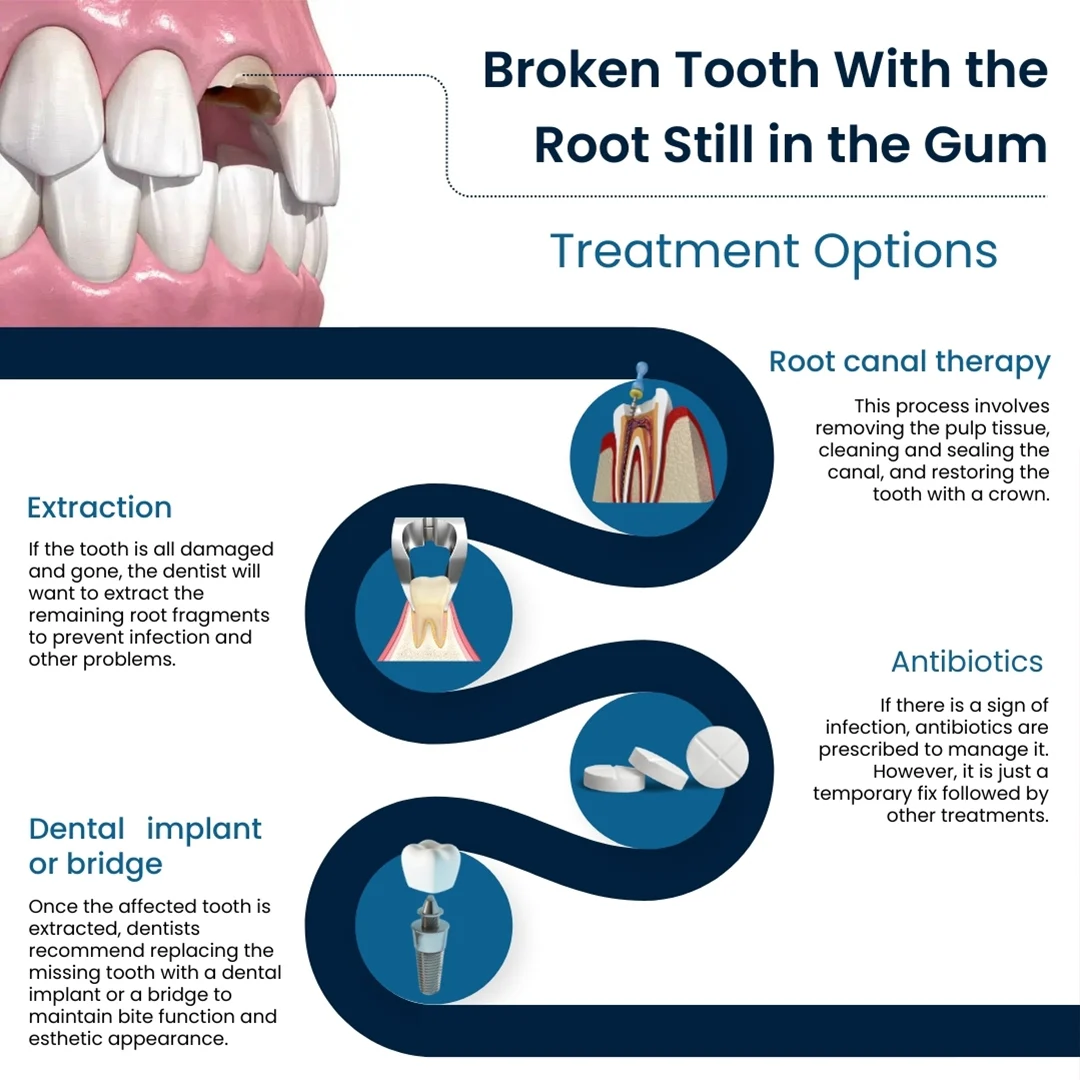
The standard treatment options for a retained tooth root on the NHS include:
- Monitoring: If the root is small, asymptomatic, and poses minimal risk, the dentist may recommend simply monitoring it with regular check-ups and X-rays.
- Removal: If the root is causing symptoms or poses a risk of infection or other complications, removal is typically recommended. This may involve a surgical extraction.
- Antibiotics: If an infection develops, antibiotics may be prescribed to control the infection. However, antibiotics alone are not a long-term solution, and removal of the root fragment is often necessary to prevent recurrent infections.
The best course of action will be determined on a case-by-case basis, taking into account all relevant factors.
Treatment and Follow-Up Options
Diagnostic Process: X-Ray, Clinical Exam
The diagnostic process for evaluating a retained tooth root typically involves a thorough clinical exam and imaging studies. The dentist will:
- Clinical Exam: Visually inspect the extraction site for signs of inflammation, infection, or other abnormalities.
- X-ray: Take an X-ray to visualize the size, shape, and location of the retained root fragment. The X-ray will also help assess the proximity of the root to nerves, sinuses, and other important structures. In some cases, a CT scan may be necessary for a more detailed view.
This information is crucial for determining the best course of treatment.
How and When Retained Roots Are Removed
If removal of the retained dental roots is deemed necessary, the procedure is typically performed by a dentist or oral surgeon. The timing of the removal depends on several factors:
- Symptoms: If the root is causing pain, swelling, or infection, removal is usually recommended as soon as possible.
- Size and location: Larger roots or roots located close to nerves or sinuses may require more careful planning and a more specialized surgical approach.
- Healing process: Sometimes, it’s best to wait until the initial extraction site has partially healed before attempting to remove the root fragment.
The removal procedure may involve a simple extraction or a more complex surgical extraction, depending on the specific circumstances.
Healing Process If Root Remains vs. After Removal
The healing process differs depending on whether the root remains in place or is removed:
- Root Remains: If the root remains and is asymptomatic, the extraction site will typically heal around it. However, there is always a risk of future complications.
- Root Removed: After removal, the extraction site will heal gradually over several weeks or months. Bone will fill in the socket, and the gums will close over the area.
Proper aftercare is essential in both scenarios to minimize the risk of complications and promote optimal healing.
What to Expect at an NHS Dental Appointment
At an NHS dental appointment concerning a retained tooth root, you can expect the following:
- Examination: The dentist will examine the extraction site and review your medical history.
- Discussion: The dentist will discuss the risks and benefits of different treatment options.
- X-rays: X-rays may be taken to assess the root fragment.
- Treatment Plan: A treatment plan will be developed based on your individual needs and circumstances.
- Aftercare Instructions: You will receive detailed aftercare instructions to promote healing and prevent complications.
Don’t hesitate to ask questions and express any concerns you may have. Clear communication with your dentist is essential.
Possible Complications and When to Worry
Signs of Infection or Complications: Ongoing Pain, Fever, Bad Taste
Be vigilant for signs of infection after dental extraction NHS. These include:
- Ongoing pain: Pain that worsens or doesn’t improve with pain medication.
- Fever: A temperature of 38°C (100.4°F) or higher.
- Bad taste: A persistent bad taste in your mouth.
- Swelling: Increased swelling or redness around the extraction site.
- Pus or discharge: Any drainage from the extraction site.
If you experience any of these symptoms, contact your dentist immediately.
Risks of Ignoring a Retained Root and Long-Term Effects of Tooth Root Left In Gum
Ignoring a retained root can lead to several long-term effects of tooth root left in gum, including:
- Chronic infection: The root fragment can serve as a constant source of infection.
- Bone loss: Chronic inflammation can lead to bone loss around the root.
- Cyst formation: In rare cases, a cyst can form around the root fragment.
- Damage to adjacent teeth: The root fragment can potentially damage adjacent teeth.
Addressing the issue promptly can prevent these complications and protect your overall oral health.
Link to General Oral Health and Rare Risks (Cyst, Jawbone Issues)
A retained tooth root can negatively impact your general oral health. The chronic inflammation and infection can contribute to gum disease and other oral health problems. In rare cases, a cyst may form around the root fragment, or more serious jawbone issues may develop. Maintaining good oral hygiene and attending regular dental check-ups are essential for preventing these complications.
Prevention and Patient Advice
What to Do If You Suspect a Root Is Left Behind
If you suspect that a root is left behind after a tooth extraction, the first step is to contact your NHS dentist. They can examine the extraction site and take X-rays to confirm the presence of a root fragment. Don’t hesitate to voice your concerns and ask questions. Your dentist should be able to explain the situation clearly and discuss the available treatment options.
How to Care for the Wound at Home
Proper home care is crucial for promoting healing and preventing complications after a tooth extraction. Follow these guidelines:
- Gently rinse your mouth with warm salt water after meals.
- Avoid smoking and alcohol.
- Eat soft foods.
- Take pain medication as prescribed or recommended.
- Maintain good oral hygiene by brushing and flossing carefully around the extraction site.
When to Revisit Your NHS Dentist
It’s essential to revisit your NHS dentist for follow-up appointments as scheduled. These appointments allow the dentist to monitor the healing process and address any potential complications. If you experience any concerning symptoms between appointments, such as increased pain, swelling, or signs of infection, contact your dentist immediately.
Importance of Follow-Up Appointments
Follow-up appointments are crucial for ensuring the long-term success of your tooth extraction. These appointments allow the dentist to:
- Assess the healing process.
- Monitor the position of any retained root fragments.
- Address any potential complications.
- Provide guidance on maintaining good oral hygiene.
By attending these appointments and following your dentist’s instructions, you can help prevent future problems and maintain optimal oral health.
Summary and NHS Support
In summary, while leaving a tooth root after extraction can sometimes happen, understanding the potential complications is key. From infection risks tooth root, to possible long-term effects of tooth root left in gum, being proactive with your aftercare and follow-up appointments is essential. The NHS provides guidance and treatment options, but it’s crucial to communicate openly with your dentist and seek prompt care for any concerning symptoms. Remember to prioritize your oral health and follow your dentist’s recommendations for the best possible outcome.
For further NHS help or resources, consult your dentist or visit the NHS website for information on dental care and emergency services.
Is it dangerous if a piece of tooth root is left in the gum?
The danger of a tooth root left in the gum depends on several factors, including the size and location of the fragment, as well as your overall health. Small, asymptomatic fragments may pose minimal risk, while larger fragments or those located close to nerves or sinuses may be more problematic. Potential risks include infection, chronic inflammation, bone loss, and, in rare cases, cyst formation. It’s best to have your dentist evaluate the situation and recommend the appropriate course of action.
What symptoms indicate a problem after tooth extraction?
Symptoms that indicate a problem after tooth extraction include severe pain, excessive bleeding, swelling, redness, fever, a bad taste in your mouth, and pus or discharge from the extraction site. If you experience any of these symptoms, contact your dentist immediately.
Will the NHS always remove a retained tooth root?
The NHS will not always remove a retained tooth root. The decision to remove or monitor a root fragment depends on the individual case. If the root is small, asymptomatic, and poses minimal risk, the dentist may recommend simply monitoring it. However, if the root is causing symptoms or poses a risk of infection or other complications, removal is typically recommended. The dentist will weigh the risks and benefits of each approach before making a decision.
How long can a root fragment stay in the gum safely?
How long a root fragment can stay in the gum safely varies. A small, asymptomatic root might remain for years without causing issues, provided good oral hygiene is maintained, and regular check-ups are attended. However, any sign of infection, inflammation, or discomfort warrants immediate attention. The decision on how long to monitor vs. remove the fragment depends on the individual circumstances and risk assessment by your dentist. Remember, being proactive and vigilant about your oral health is key.
What should I do if I think a root is left in my gum?
If you suspect a root is left in your gum after extraction, schedule an appointment with your NHS dentist immediately. They can examine the area, take X-rays to confirm, and discuss appropriate treatment options. Do not attempt to remove it yourself, as this can lead to infection or further complications.
Can a retained tooth root cause infection or other problems?
Yes, a retained tooth root can cause infection or other problems. The root can act as a breeding ground for bacteria, leading to infection, pain, swelling, and even abscess formation. Long-term, it can contribute to bone loss and, in rare cases, cyst formation. Monitoring and potential removal are often necessary to prevent such issues.
Will the fragment come out on its own?
It is unlikely that a retained tooth root fragment will come out on its own. While the body might try to push it out, it’s more likely to become embedded and potentially cause problems. Professional intervention is usually required for its safe removal.
What are NHS emergency dental care options for this?
NHS emergency dental care options for a retained tooth root experiencing complications include accessing an emergency dental appointment for assessment and treatment. If you’re experiencing severe pain, swelling, or signs of infection, contact your dentist or the NHS 111 service for guidance. They can advise on the nearest available emergency dental service.
Experiencing complications after a tooth extraction can be daunting, but seeking treatment abroad at Albania Dental Implants provides an affordable and effective solution. Our Albania Dental Implants services offer access to cutting-edge treatments for retained tooth roots. With a full mouth reconstruction in Albania, you can ensure optimal oral health and a confident smile. Our dental tourism in Albania packages offer an all-inclusive solution that not only saves you money but also gives you a chance to explore the beautiful scenery and rich culture of Albania while you recover. By opting for dental tourism in Albania for root removal and dental implant solutions, you can save up to 70% on costs without compromising on quality.
Considering dental implants in Albania could be a transformative choice for your oral health. We also provide options like single tooth implants in Albania that offer a permanent and natural-looking solution.
Regain your confidence and oral health by choosing Albania Dental Implants. Contact Albania Dental Implants today to explore your options and take the first step towards a healthier, more confident smile. We can replace a missing tooth with a dental implant.