




Deciding between tooth extraction and a dental implant? What hurts more, tooth extraction or implant? Understanding the pain, recovery, and aftercare involved in each procedure is crucial for making an informed decision. This guide provides a comprehensive comparison to help you choose the right option for your needs.
Tooth Extraction Pain: What Patients Experience
When considering tooth extraction, it’s natural to be concerned about the level of pain involved. Let’s delve into what patients typically experience during and after tooth removal, covering aspects like anaesthesia, the healing process, and strategies for managing discomfort. We will cover tooth extraction pain, anaesthesia for dental procedures, tooth socket healing and aftercare tooth extraction.
What is tooth extraction?
Tooth extraction is the removal of a tooth from its socket in the bone. It’s usually performed when a tooth is severely damaged, decayed, or impacted, and cannot be saved by other treatments. While nobody relishes the thought of having a tooth pulled, it’s a common and often necessary procedure for maintaining overall oral health.
Pain during the procedure: local anaesthesia and sensations.
Thanks to modern dental techniques, pain during tooth extraction is minimised through the use of anaesthesia for dental procedures. Local anaesthesia is typically administered to numb the area around the tooth, ensuring you feel little to no pain during the extraction itself. You might experience some pressure or movement, but sharp pain should be absent. For those with dental anxiety, options like sedation dentistry can further enhance comfort. If you are interested in sedation please contact Albania dental implants for more information.
Typical pain after extraction: duration and severity.
Following tooth extraction, some discomfort is to be expected. The tooth extraction pain usually peaks within the first 24 hours and gradually subsides over the next few days. The severity can vary depending on the complexity of the extraction, but over-the-counter pain relievers like ibuprofen or paracetamol are usually effective in managing it. Your dentist may also prescribe stronger pain medication if needed.
Factors influencing pain (complexity, infection, bone involvement).
Several factors can influence the level of pain experienced after tooth extraction. Complex extractions, such as those involving impacted wisdom teeth or teeth with curved roots, may result in more discomfort. Pre-existing infections or significant bone involvement can also contribute to increased pain and a longer healing time. Adhering to your dentist’s aftercare tooth extraction instructions is vital for minimising complications and promoting a smoother recovery.
Healing timeline and discomfort profile.
The tooth socket healing process typically takes several weeks. The initial few days after extraction are usually the most uncomfortable, with pain, swelling, and possibly some bruising. After about a week, the pain should significantly decrease, and the socket will begin to close. Full healing can take several months, during which time the bone gradually fills in the extraction site.
How to manage post-extraction pain.
Effective pain management after tooth extraction is crucial for a comfortable recovery. Here are some tips:
- Take pain medication as prescribed or recommended by your dentist.
- Apply ice packs to the cheek for 15-20 minutes at a time, several times a day, to reduce swelling.
- Eat soft foods like soup, yogurt, and mashed potatoes to avoid irritating the extraction site.
- Rinse your mouth gently with warm salt water after meals to keep the area clean.
- Avoid smoking and drinking alcohol, as these can delay healing.
- Get plenty of rest to allow your body to recover.
Dental Implant Pain: What to Expect
Now, let’s turn our attention to dental implants. How much pain is involved with this procedure, and what can you expect during the recovery process? We will explore dental implant pain, implant surgery discomfort, anaesthesia for dental procedures, aftercare dental implant and recovery time implant.
What is a dental implant?
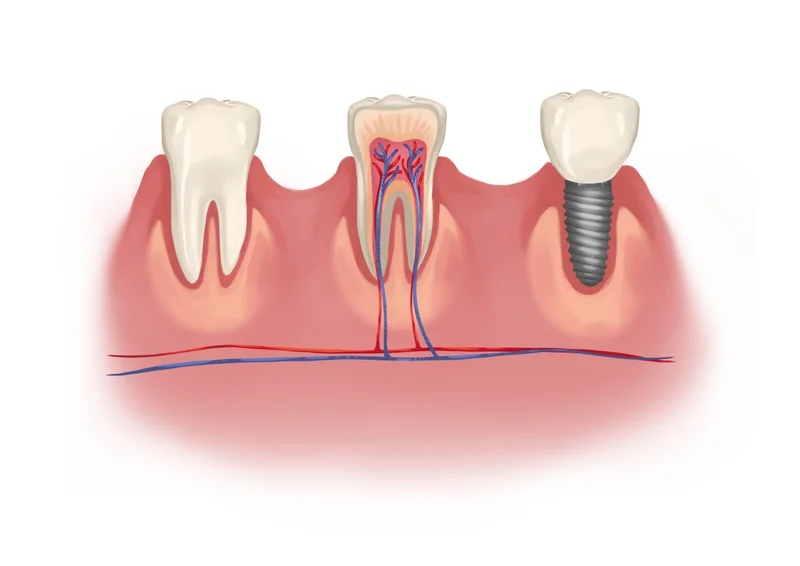
A dental implant is a small titanium screw that is surgically placed into the jawbone to replace a missing tooth root. Over time, the bone fuses with the implant, creating a strong and stable foundation for a replacement tooth. Dental implants are considered a long-term solution for missing teeth, offering excellent stability, functionality, and aesthetics. They are a popular choice for those seeking a permanent and natural-looking replacement.
Pain during implant surgery: anaesthesia types and feelings.
Similar to tooth extraction, anaesthesia for dental procedures is essential for minimising pain during dental implant surgery. Local anaesthesia is typically used to numb the area where the implant will be placed. In some cases, particularly for anxious patients or more complex procedures, sedation dentistry may be offered to promote relaxation and reduce discomfort. With proper anaesthesia, you should only feel pressure, not pain, during the implant placement.
Post-surgical discomfort: swelling, bruising, pain levels.
Some post-surgical discomfort is normal after dental implant placement. This may include swelling, bruising, and mild to moderate pain. The intensity can vary depending on the individual and the complexity of the surgery. However, most patients find that over-the-counter pain relievers are sufficient to manage the discomfort. Your dentist may also prescribe stronger pain medication if necessary. Albania Dental Implants offers a range of options including single tooth implants in Albania
Recovery process and timeline for implant.
The recovery time implant process involves several stages. The initial healing period, lasting about 1-2 weeks, focuses on soft tissue healing. During this time, you may experience some swelling, bruising, and discomfort. After the initial healing, osseointegration begins, where the bone fuses with the implant. This process can take several months. Once osseointegration is complete, the abutment (connector) is attached to the implant, and finally, the replacement tooth (crown) is placed.
Factors affecting pain (bone grafting, tissue involvement).
Several factors can influence the level of pain associated with dental implant placement. If bone grafting in Albania is required to augment the jawbone before implant placement, this can add to the overall discomfort and healing time. The extent of tissue involvement during surgery, such as the need for gum grafts, can also affect pain levels. Your dentist will discuss these factors with you beforehand and recommend appropriate pain management strategies.
Pain management strategies after implant placement.
Managing pain effectively after dental implant placement is vital for a smooth recovery. Here are some strategies:
- Take pain medication as prescribed or recommended by your dentist.
- Apply ice packs to the cheek for 15-20 minutes at a time, several times a day, to reduce swelling.
- Eat soft foods to avoid putting excessive pressure on the implant site.
- Maintain excellent oral hygiene by gently brushing and rinsing with a saltwater solution.
- Avoid smoking and drinking alcohol, as these can impair healing.
- Attend all follow-up appointments with your dentist to monitor healing.
Tooth Extraction vs Implant: Which Hurts More?
Now that we’ve examined the pain associated with each procedure individually, let’s compare tooth extraction vs implant. The goal is to offer comparison dental pain levels. It is useful to assess pain relief techniques available.
Patient-reported pain scores and experience.
Patient experiences vary, but generally, most report that the initial pain after tooth extraction might be slightly more intense than after dental implant placement. However, the implant discomfort can last longer due to the more invasive nature of the surgery. A 2020 study published in the Journal of Oral Implantology found that while extraction patients reported higher pain scores in the first 24 hours, implant patients reported more consistent discomfort over the first week.
Differences in pain profiles between extraction and implant.
The pain profiles of tooth extraction and dental implant procedures differ in several ways. Extraction pain is often described as sharp and throbbing, primarily concentrated in the extraction site. Implant pain, on the other hand, tends to be more of a dull ache, often accompanied by swelling and soreness in the surrounding tissues. Additionally, nerve involvement can sometimes cause referred pain, which is pain felt in other areas of the face or jaw.
Professional guidance: when is pain likely to be greater?
In general, pain after tooth extraction is likely to be greater when the extraction is complex, such as with impacted wisdom teeth or teeth with curved roots. Similarly, pain after implant placement may be more pronounced if bone grafting in Albania is necessary or if the implant site is close to a nerve. Your dentist can assess your individual situation and provide guidance on what to expect in terms of pain.
Complications and exceptions (difficult extractions, complex implants).
Complications can arise with both procedures, impacting the pain levels. A difficult extraction, where the tooth breaks or is tightly lodged in the bone, can lead to increased pain and a longer recovery. With implants, complications like infection or implant failure can cause significant pain and require further intervention. It is important that all procedures are handled with expert knowledge like you would find from implantology in Albania. Early detection and treatment of complications are key to minimising pain and ensuring a successful outcome.
Tips for minimising pain for both procedures.
Regardless of whether you’re undergoing tooth extraction or dental implant placement, there are steps you can take to minimise pain:
- Choose an experienced and qualified dentist or oral surgeon.
- Follow all pre-operative and post-operative instructions carefully.
- Take pain medication as prescribed or recommended.
- Apply ice packs to reduce swelling.
- Eat soft foods to avoid irritating the surgical site.
- Maintain excellent oral hygiene.
- Avoid smoking and drinking alcohol.
- Get plenty of rest.
- Contact your dentist immediately if you experience any unusual or severe pain.
Frequently Asked Questions about Tooth Extraction and Implant Pain
Here are detailed answers to some common questions about the pain associated with tooth extraction and dental implants:
How painful is a tooth extraction compared to a dental implant?
The perceived pain levels vary from person to person, but generally, patients report that the initial pain after a tooth extraction can be more intense but shorter-lived compared to the pain experienced after dental implant placement. The implant pain tends to be a more consistent, dull ache that lasts for a longer period.
Is recovery from tooth extraction longer or more uncomfortable than implant?
While the initial discomfort after tooth extraction might be higher, the overall recovery time is typically shorter than that of a dental implant. Extractions usually heal within a few weeks, while implants require several months for complete osseointegration. In terms of overall discomfort, it’s a trade-off between a more intense initial pain versus a longer period of mild to moderate discomfort.
Do dental implants hurt during the procedure or only after?
Thanks to local anaesthesia and sedation dentistry, you should not feel any pain during the dental implant procedure itself. The anaesthesia completely numbs the area, ensuring a pain-free experience. However, you can expect some discomfort, swelling, and soreness after the anaesthesia wears off, which can be managed with pain medication and other self-care measures.
What factors make tooth extraction more painful?
Several factors can contribute to increased pain during and after tooth extraction, including:
- Impaction (especially with wisdom teeth)
- Curved or long tooth roots
- Pre-existing infection
- Significant bone involvement
- Difficult or complicated extraction procedures
Can anaesthesia fully prevent pain in either procedure?
Yes, with the use of local anaesthesia, pain can be effectively prevented during both tooth extraction and dental implant procedures. In some cases, sedation dentistry can further enhance comfort and relaxation. However, it’s important to remember that anaesthesia only eliminates pain during the procedure, and some discomfort is to be expected afterwards.
How long does pain typically last after each treatment?
After tooth extraction, the most intense pain usually lasts for the first 24-48 hours and then gradually subsides over the next few days. Most patients find significant relief within a week. With dental implants, the initial discomfort may last for a few days, followed by a more prolonged period of mild to moderate soreness that can persist for several weeks.
Which procedure has more risk of complications affecting pain?
Both procedures carry some risk of complications that can affect pain levels. With tooth extractions, potential complications include dry socket, infection, and nerve damage. For dental implants, complications can include infection, implant failure, nerve damage, and sinus problems. However, with proper planning, skilled surgical technique, and careful aftercare dental implant, the risk of complications can be minimised.
What are the best ways to manage pain after tooth extraction or dental implant?
Effective pain management strategies include:
- Taking pain medication as prescribed or recommended by your dentist
- Applying ice packs to reduce swelling
- Eating soft foods to avoid irritating the surgical site
- Maintaining excellent oral hygiene
- Avoiding smoking and drinking alcohol
- Getting plenty of rest
Can anxiety or fear affect perceived pain during dental procedures?
Yes, anxiety and fear can significantly affect how you perceive pain during dental procedures. When you’re anxious, your body releases stress hormones that can heighten your sensitivity to pain. This is why relaxation techniques and sedation dentistry can be helpful in managing both anxiety and perceived pain.
Is it normal to have swelling or bruising with either procedure?
Yes, swelling and bruising are common side effects after both tooth extraction and dental implant procedures. They are a natural part of the healing process and usually subside within a week or two. Applying ice packs and taking anti-inflammatory medications can help reduce swelling and bruising.
Considering Dental Implants in Albania?
If you’re considering dental implants, especially multiple implants with bridges in Albania, we invite you to explore the services offered by Albania Dental Implants. We provide high-quality, affordable dental care in a modern and comfortable setting. Our experienced team of dental professionals is dedicated to providing personalised care and helping you achieve a healthy, confident smile. Learn more about dental tourism in Albania
- Cost-effective treatment options
- Experienced and qualified dental professionals
- State-of-the-art facilities
- Personalised care plans
- Beautiful and relaxing location
Conclusion
Deciding between tooth extraction and dental implants involves considering various factors, including pain, recovery, and long-term outcomes. While the initial pain after tooth extraction might be more intense, the overall recovery time is shorter. Dental implants, on the other hand, offer a long-term solution for missing teeth with a more consistent, but manageable, level of discomfort. By understanding the pain profiles, recovery processes, and management strategies for each procedure, you can make an informed decision in consultation with your dentist. If you are considering implants and are looking for a cost effective way to improve your smile, then contact our friendly staff at Albania Dental Implants today.





