


What is a mini dental implant? It’s a smaller version of a traditional dental implant, offering a less invasive and often more affordable solution for replacing missing teeth or securing dentures. This guide explores everything you need to know about mini dental implants, from how they work to their benefits, drawbacks, and costs in the UK.
How Do Mini Dental Implants Work? (mini dental implant procedure)
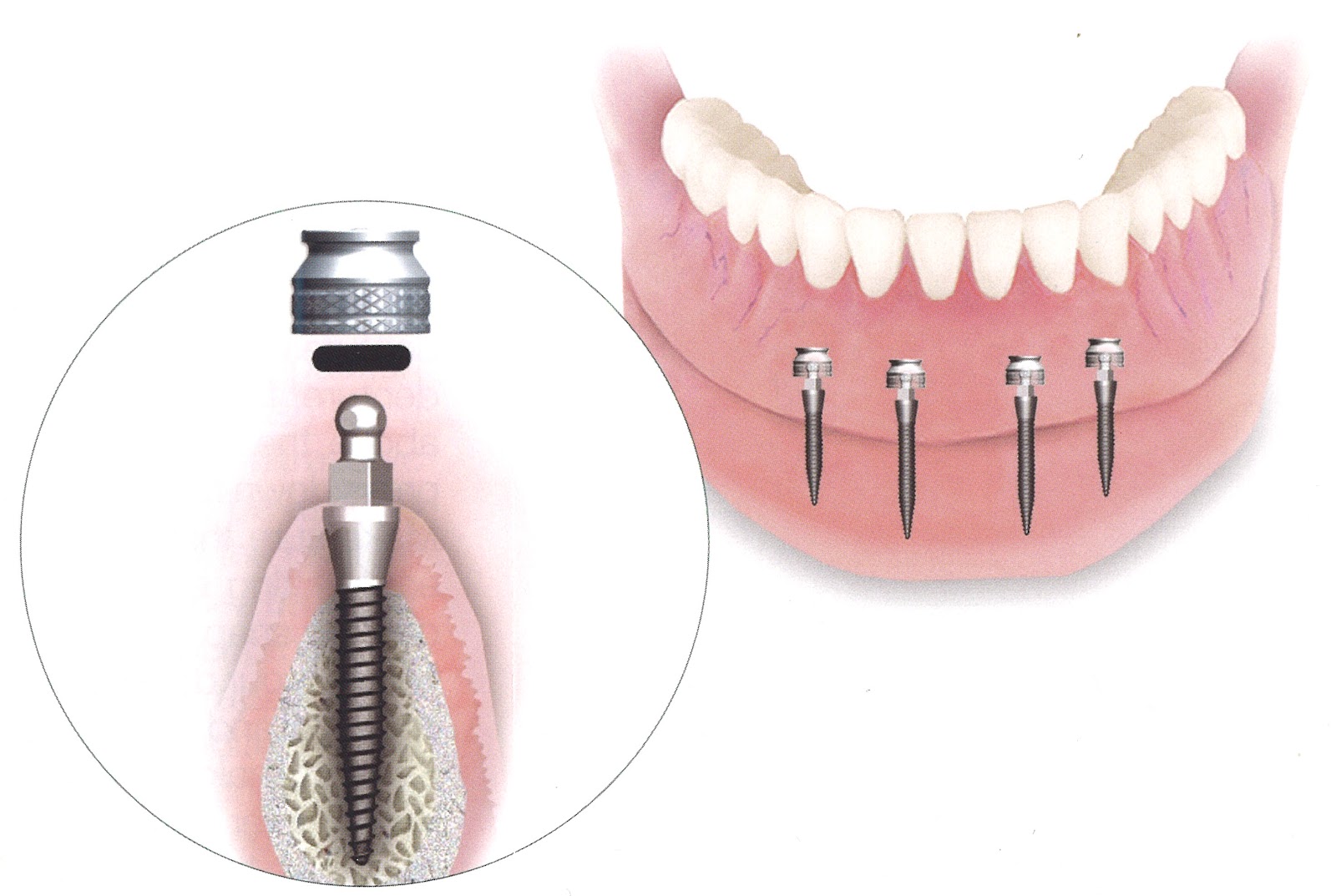
The mini dental implant procedure involves placing small, screw-like posts into the jawbone. These posts are typically made of titanium and are much narrower than traditional implants, usually around 1.8 to 3 millimetres in diameter. The top of the implant features a ball-shaped projection that connects to a corresponding socket in a denture or prosthetic tooth.
Mini Dental Implant Structure and Placement
Mini dental implants consist of a one-piece design, meaning the post and abutment (the part that connects to the restoration) are fused together. This simplifies the surgical process. The placement typically involves a minimally invasive technique, often requiring only local anaesthesia. A small pilot hole is created in the jawbone, and the implant is gently screwed into place. In many cases, dentures or prosthetic teeth can be attached immediately after implant placement, providing instant stability.
Comparing the Mini Dental Implant Procedure to Traditional Implants
Unlike traditional implants, the mini dental implant procedure often avoids the need for a flap surgery, where the gum is cut and pulled back to expose the bone. This results in less discomfort, faster healing times, and reduced risk of complications. The simplicity of the procedure also makes it a viable option for patients with limited bone density, who might not be suitable for traditional implants without bone grafting.
Mini Dental Implants vs Regular Implants (mini dental implant vs regular implant)
Choosing between mini and regular dental implants depends on your individual needs and circumstances. Here’s a comparison table to help you understand the key differences:
| Feature | Mini Dental Implants | Regular Dental Implants |
|---|---|---|
| Size | 1.8 – 3 mm diameter | 3.5 – 5 mm diameter |
| Use | Denture stabilisation, single tooth replacement in limited spaces | Single tooth replacement, multiple teeth replacement, full arch restoration |
| Cost | Lower | Higher |
| Surgery Time | Shorter, less invasive | Longer, more invasive |
| Healing Time | Faster | Slower |
| Bone Grafting | Less likely needed | Often required for sufficient bone density |
| Stability | Slightly less robust for heavy loads | Excellent, high load-bearing capacity |
When to Choose Mini vs Regular Implants
Mini dental implants are a great choice for stabilising dentures and for cases where bone density is limited. Regular dental implants are better suited for replacing individual teeth or supporting bridges and full arch restorations, especially when a strong, stable foundation is needed. Your dentist can assess your oral health and recommend the best option for you. For extensive tooth loss, options like all on 4 dental implants in Albania might be more suitable.
Benefits of Mini Dental Implants (mini dental implant benefits)
Mini dental implants offer a range of advantages that make them an appealing option for many patients seeking tooth replacement or denture stabilisation.
Minimally Invasive Nature
The mini dental implant procedure is less invasive than traditional implant surgery. This means smaller incisions, less bleeding, and reduced post-operative discomfort. Many patients find they can return to their normal activities much sooner after mini implant placement.
Cost Advantage
One of the most significant benefits of mini dental implants is their lower cost compared to regular implants. The simplified procedure and smaller size of the implants contribute to reduced material and surgical expenses.
Suitability for Limited Bone Density
Mini dental implants are often a viable option for patients who have experienced bone loss in the jaw. Their smaller size allows them to be placed in areas where traditional implants might not be possible without bone grafting. However, in severe cases, procedures like bone grafting in Albania might still be necessary to ensure implant stability.
Faster Treatment Times
The mini dental implant procedure is generally quicker than traditional implant surgery, both in terms of placement and healing time. This can be particularly appealing for patients who want to restore their smile and functionality as soon as possible.
Limitations and Drawbacks (mini dental implant drawbacks)
While mini dental implants offer numerous benefits, it’s important to be aware of their limitations and potential drawbacks.
Who Is Not Suited for Mini Dental Implants?
Mini dental implants may not be suitable for patients with severely compromised bone quality, uncontrolled systemic diseases, or bruxism (teeth grinding). Heavy smokers and individuals with poor oral hygiene may also experience higher failure rates.
Long-Term Stability Concerns
Due to their smaller size, mini dental implants may not provide the same long-term stability as traditional implants, especially when subjected to heavy chewing forces. This is something to consider as how long dental implants last is a common concern.
Load-Bearing Issues
Mini dental implants are primarily designed for denture stabilisation and may not be suitable for supporting individual crowns or bridges in areas with high bite forces. Overloading mini implants can lead to premature failure.
Potential for Higher Failure Rate
Studies suggest that mini dental implants may have a slightly higher failure rate compared to traditional implants, particularly in the long term. Regular maintenance and check-ups are crucial for ensuring their longevity.
Who Is a Good Candidate? (best candidates for mini dental implants)
Determining if you are a good candidate for mini dental implants requires a thorough evaluation by a qualified dentist. Several factors are considered, including bone health, medical history, and lifestyle.
Suitability Based on Bone Health
Patients with adequate bone volume and density are generally better candidates for mini dental implants. However, even individuals with some bone loss may be suitable, as mini implants can sometimes be placed without bone grafting. A CBCT scan can help assess bone quality and determine the best implant placement strategy.
Medical Factors
Your overall health plays a crucial role in the success of dental implants. Individuals with well-controlled diabetes, cardiovascular disease, or other systemic conditions may still be eligible for mini dental implants. However, those with uncontrolled medical issues or compromised immune systems may face a higher risk of complications.
Lifestyle Considerations
Lifestyle habits such as smoking and poor oral hygiene can significantly impact the success of dental implants. Smokers are generally advised to quit before undergoing implant surgery, as smoking impairs healing and increases the risk of implant failure. Maintaining excellent oral hygiene is essential for preventing peri-implantitis, an infection that can lead to bone loss around the implant.
Mini Dental Implants for Denture Stabilisation (mini dental implants for dentures)
One of the most common and effective uses of mini dental implants is to stabilise dentures. This provides patients with improved comfort, function, and confidence.
How They Are Used in Denture Retention
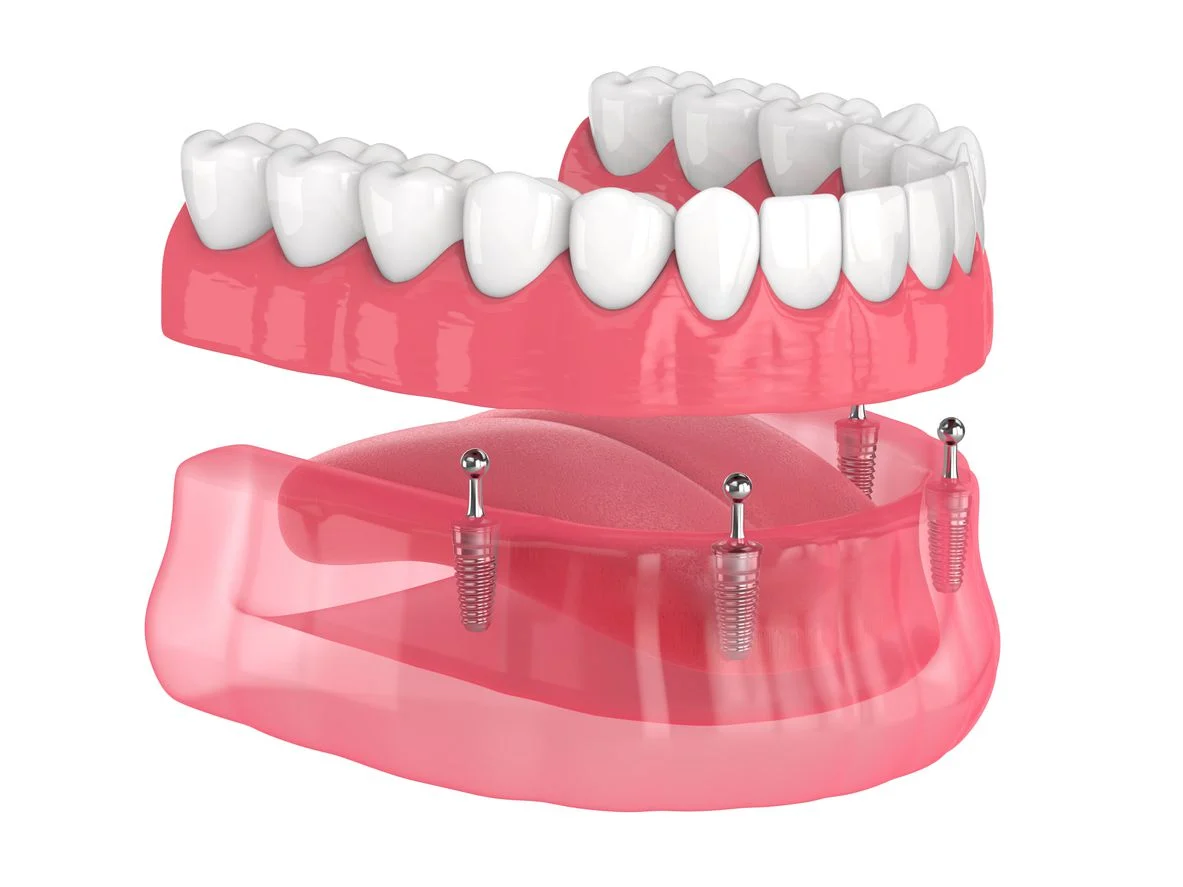
Mini dental implants act as anchors that securely hold dentures in place. Typically, four to six mini implants are placed in the jawbone, and the denture is modified to snap onto the implants. This eliminates the need for messy adhesives and prevents the denture from slipping or shifting during eating and speaking.
Patient Outcomes
Patients who have their dentures stabilised with mini dental implants often report significant improvements in their quality of life. They can enjoy a wider variety of foods, speak more clearly, and feel more confident in social situations. The stability provided by mini implants also reduces the risk of gum irritation and sore spots associated with traditional dentures.
Considering Implant Overdentures in Albania
If you’re considering denture stabilisation, exploring implant overdentures in Albania could be a cost-effective and high-quality option. Dental tourism in Albania offers access to experienced dentists and state-of-the-art facilities at competitive prices.
Procedure: What to Expect (mini dental implant procedure, aftercare)
Understanding the mini dental implant procedure and aftercare instructions can help you prepare for a successful treatment experience.
Steps Before the Procedure
Before undergoing mini dental implant placement, you will have a consultation with your dentist. This will involve a thorough examination of your oral health, including X-rays or CBCT scans to assess bone quality. Your dentist will discuss your medical history, treatment goals, and any potential risks or complications. A personalised treatment plan will be developed based on your individual needs.
During the Procedure
The mini dental implant procedure is typically performed under local anaesthesia. The dentist will create small pilot holes in the jawbone and gently screw the implants into place. The procedure usually takes about one to two hours, depending on the number of implants being placed. In many cases, your dentures or prosthetic teeth can be attached immediately after implant placement.
Aftercare Instructions
Following mini dental implant placement, it’s important to follow your dentist’s aftercare instructions carefully. This may include:
- Taking pain medication as prescribed
- Applying ice packs to reduce swelling
- Eating soft foods for the first few days
- Rinsing your mouth with an antiseptic mouthwash
- Avoiding smoking and alcohol
- Maintaining excellent oral hygiene
Regular Check-ups
Regular check-ups with your dentist are essential for monitoring the health of your mini dental implants and ensuring their long-term success. Your dentist will assess the stability of the implants, check for any signs of infection or inflammation, and provide professional cleaning to remove plaque and tartar.
Cost of Mini Dental Implants in the UK (mini dental implant cost, mini dental implants UK)
The cost of mini dental implants in the UK can vary depending on several factors, including the number of implants needed, the complexity of the case, and the location of the dental practice.
Price Ranges
Generally, mini dental implants are more affordable than traditional implants. In the UK, the cost of a single mini dental implant can range from £500 to £1500. However, this is just an estimate, and the actual cost may vary. Stabilising a full denture with mini implants typically costs between £2000 and £6000.
NHS/Private Availability
Mini dental implants are generally not available on the NHS, except in very specific circumstances where there is a medical need. Most patients opt for private dental care to receive mini dental implants. However, if you are concerned about the cost of implants in the UK, you might consider dental tourism in Albania, where the prices are significantly lower.
Factors Affecting Cost
Several factors can influence the cost of mini dental implants, including:
- The number of implants required
- The need for any additional procedures, such as tooth extraction
- The type of denture or prosthetic tooth being used
- The dentist’s experience and expertise
- The location of the dental practice
Patient Experiences and Reviews (mini dental implant reviews)
Considering patient experiences and reviews can provide valuable insights into what to expect from mini dental implant treatment.
Realistic Expectations
It’s important to have realistic expectations about the outcomes of mini dental implant treatment. While mini implants can significantly improve denture stability and quality of life, they may not provide the same level of strength and stability as traditional implants. Discuss your goals and expectations with your dentist to ensure that mini implants are the right choice for you.
Typical Satisfaction Rates
Many patients who have their dentures stabilised with mini dental implants report high levels of satisfaction. They appreciate the improved comfort, function, and confidence that mini implants provide. However, some patients may experience complications such as implant failure or peri-implantitis. Regular maintenance and check-ups are crucial for ensuring long-term success.
Comparing Patient Reviews to Other Options
Patient reviews for mini dental implants are generally positive, particularly for denture stabilisation. However, some patients may prefer traditional implants for their greater strength and stability. Consider all your options and discuss the pros and cons of each with your dentist before making a decision.
FAQ-style Questions and Answers:
What is a mini dental implant and how is it different from a standard implant?
A mini dental implant is a smaller and narrower version of a traditional dental implant. Mini implants are typically around 1.8 to 3 millimetres in diameter, while standard implants are typically 3.5 to 5 millimetres. Mini implants are often used to stabilise dentures or replace small teeth in limited spaces, while standard implants are used for single tooth replacement, multiple teeth replacement, or full arch restoration.
Who is a suitable candidate for a mini dental implant?
A suitable candidate for a mini dental implant is someone with adequate bone volume, although mini-implants can often be used even with some bone loss. They are also a good option for those seeking denture stabilisation or needing a single tooth replaced in a confined space. Overall health and lifestyle factors, like not smoking and maintaining good oral hygiene, also contribute to suitability.
What are the advantages and disadvantages of mini dental implants?
Advantages of mini dental implants include their minimally invasive nature, lower cost, suitability for limited bone density, and faster treatment times. Disadvantages include potentially lower long-term stability compared to regular implants, limitations in load-bearing capacity, and a potentially higher failure rate in some cases.
How much do mini dental implants cost in the UK?
In the UK, the cost of a single mini dental implant can range from £500 to £1500. Stabilising a full denture with mini implants typically costs between £2000 and £6000. However, these are just estimates, and the actual cost can vary based on location and the complexity of the case.
How is the procedure for placing a mini dental implant performed?
The procedure for placing a mini dental implant involves creating a small pilot hole in the jawbone and gently screwing the implant into place. It’s typically performed under local anaesthesia and is less invasive than traditional implant surgery. Dentures or prosthetic teeth can often be attached immediately after implant placement.
How long do mini dental implants last?
While the lifespan of mini dental implants can vary, they typically last for several years with proper care and maintenance. Factors that affect their longevity include bone quality, oral hygiene, and the amount of stress placed on the implants. Regular check-ups with your dentist are crucial for ensuring their long-term success.
Can mini dental implants be used to secure dentures?
Yes, mini dental implants are commonly used to secure dentures. They act as anchors that hold the dentures in place, providing improved comfort, function, and confidence. This eliminates the need for messy adhesives and prevents the dentures from slipping or shifting.
What aftercare is required for mini dental implants?
Aftercare for mini dental implants includes taking pain medication as prescribed, applying ice packs to reduce swelling, eating soft foods for the first few days, rinsing your mouth with an antiseptic mouthwash, avoiding smoking and alcohol, and maintaining excellent oral hygiene. Regular check-ups with your dentist are also essential.
Are mini dental implants covered by the NHS in the UK?
Mini dental implants are generally not covered by the NHS in the UK, except in very specific circumstances where there is a medical need. Most patients opt for private dental care to receive mini dental implants. If you cannot afford implants in the UK, you should consider alternatives like dental tourism.
Are there risks or complications with mini dental implants?
Yes, there are potential risks and complications with mini dental implants, including infection, implant failure, peri-implantitis (inflammation around the implant), and nerve damage. However, these complications are relatively rare and can often be avoided with proper planning, surgical technique, and aftercare.
How do patient reviews for mini dental implants compare to other options?
Patient reviews for mini dental implants are generally positive, particularly for denture stabilisation. Many patients report improved comfort, function, and confidence. However, some patients may prefer traditional implants for their greater strength and stability. Reviews should be compared based on individual needs and preferences.
Considering Dental Implants? Think Albania Dental Implants.
If you’re considering dental implants, we invite you to explore the services offered by Albania Dental Implants. Our experienced team provides a range of implant solutions, including mini dental implants, to help you restore your smile and improve your quality of life. We use state-of-the-art technology and adhere to the highest standards of care to ensure optimal results. Contact Albania Dental Implants today to schedule a consultation and discover how we can help you achieve a healthy, confident smile.