




What is dental implant? It’s a question many people ask when facing tooth loss and considering a permanent solution. A dental implant is essentially an artificial tooth root, typically made of titanium, that is surgically placed into the jawbone to support a replacement tooth or bridge. Dental implants offer a stable, functional, and aesthetically pleasing way to restore your smile and improve your quality of life, especially when you consider Albania Dental Implants services for an affordable and high-quality solution.
How Does a Dental Implant Work?
Understanding how a dental implant works involves exploring the dental implant process, dental implant procedure, and components of a dental implant. The system isn’t a single piece but rather a carefully engineered assembly designed to mimic the structure and function of a natural tooth.
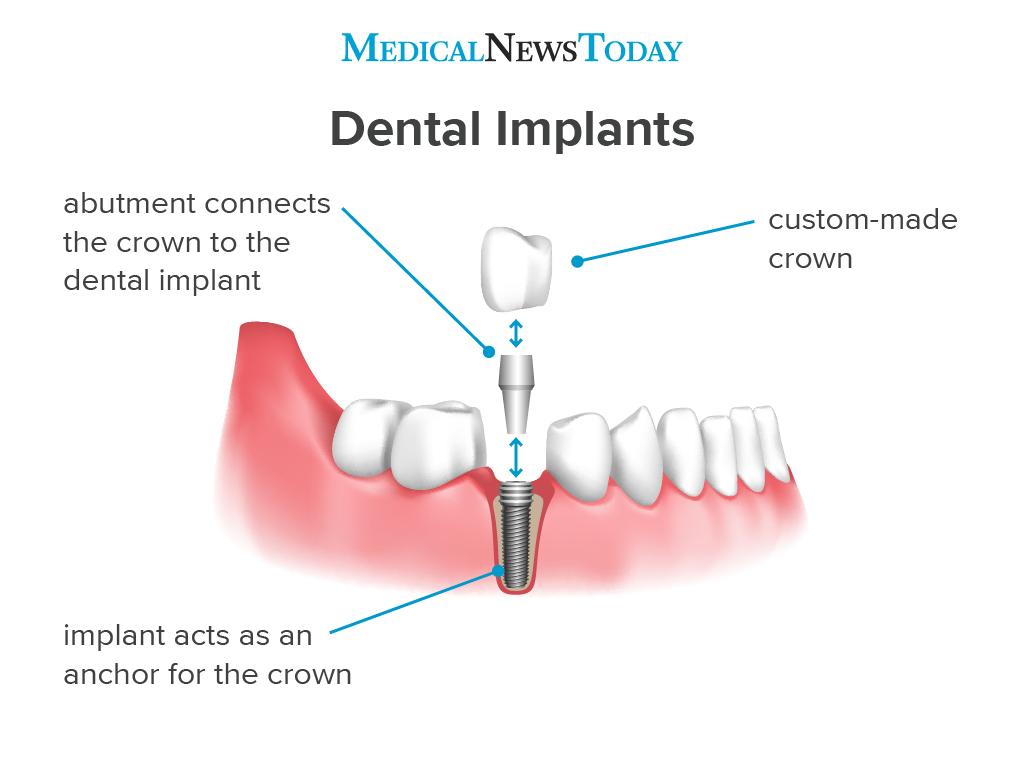
Components of a Dental Implant
A dental implant system primarily consists of three key components:
- Implant Fixture: This is the titanium post that is surgically inserted into the jawbone. The fixture acts as the artificial root, providing a secure base for the replacement tooth. The high biocompatibility of titanium allows it to fuse with the bone through a process called osseointegration.
- Abutment: This is a connector piece that attaches to the implant fixture. The abutment serves as an anchor for the crown, creating a stable link between the implant and the visible replacement tooth.
- Crown: The crown is the artificial tooth that sits atop the abutment. It is custom-made to match the shape, size, and color of your natural teeth, providing a seamless and aesthetically pleasing restoration.
Stages of the Dental Implant Procedure
The dental implant procedure is a multi-stage process that requires careful planning and execution.
- Initial Consultation and Assessment: The first step involves a thorough examination by a dentist or oral surgeon. This assessment includes X-rays, CT scans, and impressions to evaluate bone density, identify any underlying issues, and determine the optimal implant placement.
- Implant Placement: During this surgical procedure, the dentist will make an incision in the gum tissue to expose the jawbone. A pilot hole is drilled, and the titanium implant fixture is carefully screwed into place. The gum tissue is then sutured closed, and a period of healing is required for osseointegration to occur.
- Osseointegration: This crucial phase involves the fusion of the titanium implant fixture with the surrounding jawbone. This process can take several months, typically ranging from 3 to 6 months, ensuring a solid and stable foundation for the replacement tooth.
- Abutment Placement: Once osseointegration is complete, a second minor surgical procedure is performed to attach the abutment to the implant fixture. The gum tissue is reopened, and the abutment is screwed into the implant.
- Crown Placement: The final step involves the placement of the custom-made crown onto the abutment. The crown is carefully designed to blend seamlessly with your natural teeth, restoring your smile’s aesthetics and functionality.
The typical patient experience involves local anesthesia during the surgical procedures to minimize discomfort. Post-operative pain is usually managed with over-the-counter pain relievers.
How Long Does It Take to Get a Dental Implant?
The total timeframe for getting a dental implant can vary depending on individual circumstances. The entire process, from initial consultation to final crown placement, can take anywhere from 6 to 12 months. Factors influencing the timeline include bone density, the need for additional procedures like bone grafting, and the individual’s healing rate.
Types of Dental Implants
There are several types of dental implants available, including endosteal implant, subperiosteal implant, zygomatic implant, and single vs multiple dental implants. The best type for you depends on your specific needs and oral health.
Endosteal Implants
Endosteal implants are the most common type of dental implant. They are surgically implanted directly into the jawbone.
- Pros: High success rate, long-lasting, versatile for single or multiple tooth replacement.
- Cons: Requires sufficient bone density, longer healing time compared to other options.
- When Used: Ideal for patients with good bone density and overall oral health.
Subperiosteal Implants
Subperiosteal implants are placed under the gum but on or above the jawbone. They consist of a metal framework that rests on the bone.
- Pros: Suitable for patients with insufficient bone density for endosteal implants, less invasive than bone grafting.
- Cons: Lower success rate compared to endosteal implants, potential for gum irritation.
- When Used: Used when bone grafting is not an option, and the patient has some jawbone height.
Zygomatic Implants
Zygomatic implants are longer implants that anchor into the zygomatic bone (cheekbone) instead of the jawbone.
- Pros: Suitable for patients with severe bone loss in the upper jaw, avoids the need for extensive bone grafting.
- Cons: More complex surgical procedure, higher cost, requires a highly skilled surgeon.
- When Used: Used when severe bone resorption makes traditional implants impossible in the upper jaw.
Single vs Multiple Dental Implants
The number of implants needed depends on the number of missing teeth and their location.
- Single Tooth Implants: Used to replace a single missing tooth, providing a standalone solution that doesn’t affect adjacent teeth.
- Multiple Dental Implants: Used to replace multiple missing teeth, either as individual implants for each tooth or as implant-supported bridges where multiple teeth are supported by a few implants.
- Consider multiple implants with bridges in Albania if you have several adjacent missing teeth.
What are the Three Types of Dental Implants?
While the above classification covers the main types, another way to categorize implants is by their placement:
- Endosteal: As mentioned, placed in the bone.
- Subperiosteal: Placed under the gum, but on the bone.
- Transosteal: Implants that pass through the jawbone. This is a less common type used primarily when the jawbone is severely atrophied.
Benefits and Risks of Dental Implants
When considering dental implants, it’s important to weigh the advantages of dental implants against the disadvantages of dental implants, considering dental implant safety and dental implant complications. While dental implants offer numerous benefits, they also come with potential risks and side effects.
Advantages of Dental Implants
- Durability: Dental implants are known for their exceptional durability and longevity. With proper care and maintenance, they can last a lifetime, making them a worthwhile long-term investment.
- Function: Dental implants restore full chewing function, allowing you to enjoy all your favorite foods without discomfort or restrictions.
- Aesthetics: Dental implants are designed to look, feel, and function like natural teeth, providing a seamless and aesthetically pleasing restoration.
- Health Benefits: Dental implants help preserve bone density, prevent shifting of adjacent teeth, and improve overall oral health. They can also help reduce the risk of gum disease and bone loss.
- Improved Speech: Unlike dentures, dental implants are securely anchored in the jawbone, allowing for clear and confident speech.
Disadvantages of Dental Implants and Potential Risks
- Cost: Dental implants can be more expensive than other tooth replacement options like dentures or bridges. However, their long-term benefits often outweigh the initial cost.
- Surgical Procedure: Dental implant placement requires surgery, which carries inherent risks such as infection, bleeding, and nerve damage. However, these risks are relatively low when performed by an experienced and qualified surgeon.
- Osseointegration Failure: In rare cases, the implant fixture may not properly fuse with the jawbone, leading to implant failure. This can be caused by factors such as poor bone density, infection, or medical conditions.
- Peri-implantitis: This is an infection that affects the tissues surrounding the implant. It can lead to bone loss and implant failure if left untreated.
Overall, the advantages of dental implants far outweigh the potential risks for most patients. Choosing a skilled and experienced implant dentist, practicing good oral hygiene, and maintaining regular dental checkups can minimize the risk of complications and ensure the long-term success of your dental implants.
Are Dental Implants Safe?
Dental implants are considered safe when performed by a qualified and experienced dental professional. As with any surgical procedure, there are potential risks, but these are generally low. Proper patient selection, thorough planning, and adherence to strict surgical protocols can minimize the risks and ensure a successful outcome.
Who is Suitable for a Dental Implant?
Determining dental implant eligibility involves assessing dental implant candidates, bone requirements, and medical conditions. Not everyone is an ideal candidate for dental implants. Several factors determine who is suitable for this procedure.
Ideal Candidates
Ideal candidates for dental implants generally possess the following characteristics:
- Good Overall Health: Candidates should be in good general health, free from any underlying medical conditions that could compromise healing or immune function.
- Sufficient Bone Density: Adequate bone density in the jawbone is essential for supporting the implant fixture. Patients with significant bone loss may require bone grafting to increase bone volume.
- Healthy Gum Tissue: Healthy gum tissue is crucial for protecting the implant and preventing infection. Patients with gum disease may need to undergo periodontal treatment before implant placement.
- Commitment to Oral Hygiene: Patients must be committed to practicing good oral hygiene, including regular brushing, flossing, and dental checkups, to ensure the long-term success of the implant.
Common Exclusions
Certain medical conditions and lifestyle factors can make individuals unsuitable candidates for dental implants:
- Uncontrolled Diabetes: Patients with uncontrolled diabetes may experience impaired healing and increased risk of infection.
- Smoking: Smoking can significantly reduce blood flow to the jawbone, hindering osseointegration and increasing the risk of implant failure.
- Severe Gum Disease: Untreated gum disease can compromise the stability of the implant and lead to infection.
- Certain Medications: Some medications, such as bisphosphonates, can interfere with bone metabolism and increase the risk of implant failure.
- Bruxism: Severe teeth grinding or clenching (bruxism) can put excessive stress on the implant and increase the risk of damage or failure.
- If you are unsure whether you qualify, reach out to contact Albania Dental Implants.
Importance of a Dental Health Assessment
A thorough dental health assessment is crucial for determining dental implant eligibility. During this assessment, the dentist will evaluate your medical history, oral health, bone density, and other relevant factors to determine whether dental implants are the right option for you. If you are not a suitable candidate for traditional implants, alternative options such as mini implants or implant-supported dentures may be considered.
Can Anyone Get Dental Implants?
While dental implants are a viable option for many people, they are not suitable for everyone. A comprehensive evaluation by a qualified dental professional is essential to determine if you are a good candidate for the procedure.
Dental Implant Cost and Aftercare
Understanding dental implant cost UK, price of dental implants, dental implant recovery, and dental implant aftercare is crucial for making an informed decision and ensuring a successful outcome.
Dental Implant Cost in the UK
The price of dental implants in the UK can vary depending on several factors:
- Type of Implant: Different types of implants, such as endosteal, subperiosteal, or zygomatic implants, have varying costs.
- Number of Implants: The cost will increase with the number of implants needed. Single-tooth implants are generally less expensive than full-mouth implants.
- Additional Procedures: Procedures like bone grafting or sinus lifts, if required, will add to the overall cost.
- Location: Dental implant costs can vary depending on the location of the dental practice. Clinics in major cities like London may have higher prices than those in smaller towns.
- Dentist’s Experience: Experienced and highly qualified dentists may charge more for their services.
- Materials Used: The type of materials used for the implant fixture, abutment, and crown can also affect the cost.
The average cost of a single dental implant in the UK typically ranges from £2,000 to £4,000. A full mouth of dental implants can cost anywhere from £10,000 to £30,000 or more.
Exploring options such as cost of dental implants in Albania can be helpful if you want to save on costs.
Dental Implant Recovery
The recovery phase following dental implant placement is crucial for successful osseointegration and long-term implant stability.
- Initial Healing (1-2 Weeks): During the first week or two, expect some swelling, bruising, and discomfort. Pain medication can help manage any discomfort. It’s essential to follow the dentist’s instructions regarding diet, oral hygiene, and activity restrictions.
- Osseointegration (3-6 Months): This phase involves the fusion of the implant fixture with the jawbone. It’s important to avoid putting excessive pressure on the implant during this time.
Dental Implant Aftercare
Long-term maintenance is essential for ensuring the longevity and success of dental implants:
- Oral Hygiene: Practice good oral hygiene, including brushing twice a day, flossing daily, and using an antibacterial mouthwash.
- Regular Dental Checkups: Schedule regular dental checkups and cleanings to monitor the health of your implants and address any potential issues early on.
- Avoid Smoking: Smoking can significantly increase the risk of implant failure.
- Diet: Avoid hard, sticky, or chewy foods that could damage the implant or crown.
How Much Do Dental Implants Cost in the UK?
As mentioned, the cost of dental implants in the UK can vary widely based on several factors. It’s best to consult with a dental professional for a personalized estimate.
How Do I Care for Dental Implants?
Caring for dental implants is similar to caring for natural teeth: brush twice daily, floss daily, and visit your dentist regularly for checkups and cleanings.
Alternatives to Dental Implants
When considering tooth replacement options, it’s important to compare dental implants to other common methods such as dental bridge vs implants, dentures vs implants, and other tooth replacement options.
Dental Bridges
A dental bridge is a fixed prosthetic device that replaces one or more missing teeth by attaching to adjacent teeth.
- Pros: Less expensive than implants, faster treatment time, non-surgical procedure.
- Cons: Requires altering adjacent teeth, may not last as long as implants, can increase the risk of decay in adjacent teeth.
- To better inform the choice between dental implants or dental bridges, a great resource is: is a dental bridge better than an implant.
Dentures
Dentures are removable prosthetic devices that replace missing teeth. They can be full dentures (replacing all teeth in an arch) or partial dentures (replacing some teeth).
- Pros: Least expensive option, non-surgical procedure, can replace multiple teeth at once.
- Cons: Can be uncomfortable, may affect speech and chewing ability, can lead to bone loss, requires regular adjustments and replacements.
- For a more in-depth comparison of dentures and dental implants, see: are snap-in dentures cheaper than implants?
Other Tooth Replacement Options
- Resin-Bonded Bridges: These bridges are attached to adjacent teeth with minimal alteration. They are less invasive than traditional bridges but may not be as strong or durable.
- Removable Partial Dentures: These are similar to full dentures but replace only a few missing teeth. They are less expensive than implants but may not be as stable or comfortable.
What is the Difference Between a Dental Bridge and an Implant?
The main difference is that a dental bridge is supported by adjacent teeth, while an implant is a standalone solution anchored in the jawbone. Implants are generally more durable and can help prevent bone loss.
Frequently Asked Questions about Dental Implants
This is not a FAQ-style section covering key queries!
What is Dental Implant in Simple Terms?
In simple terms, a dental implant is a permanent artificial tooth root that’s surgically placed into your jawbone. It provides a strong and stable foundation for a replacement tooth that looks, feels, and functions like a natural tooth.
How Long Does a Dental Implant Last?
Dental implants are designed to be a long-term solution for tooth loss. With proper care and maintenance, they can last a lifetime. Factors that affect the lifespan of dental implants include oral hygiene, lifestyle choices, and regular dental checkups. See: How long do dental implants last? for further details.
Is a Dental Implant Painful?
The dental implant procedure is typically performed under local anesthesia to minimize discomfort. Some patients may experience mild pain or soreness after the procedure, which can be managed with over-the-counter pain relievers.
What is the Success Rate of Dental Implants?
Dental implants have a high success rate, generally ranging from 95% to 98%. Factors that can affect the success rate include bone density, overall health, and adherence to post-operative care instructions.
How Long Does It Take to Get a Dental Implant?
The entire process, from initial consultation to final crown placement, can take anywhere from 6 to 12 months, depending on individual circumstances.
Conclusion
Dental implants offer a reliable and long-lasting solution for replacing missing teeth, restoring your smile, and improving your quality of life. However, it’s essential to weigh the benefits and risks, consider your individual circumstances, and consult with a qualified dental professional to determine if dental implants are the right option for you. If you’re considering Albania Dental Implants, we invite you to contact us for a personal assessment and to explore our affordable dental tourism options.