




What is Implant in Dentistry? The Ultimate Guide
What is implant in dentistry? This guide explains the concept, purpose, and key facts about dental implants. If you’re considering a permanent solution for missing teeth, understanding what dental implants are, how they work, and their benefits is crucial. At Albania Dental Implants, we believe in providing patients with comprehensive information to make informed decisions about their oral health. Whether you’re in the UK or considering dental tourism in Albania, this guide will equip you with the knowledge you need.
Introduction to Dental Implants
Dental implants, a modern marvel in dental technology, represent a transformative solution for missing teeth. Unlike traditional methods such as dentures or bridges, implants offer a permanent foundation for replacement teeth, closely mimicking the function and feel of natural teeth. They are more than just replacements; they are investments in long-term oral health and quality of life.
The Purpose of Dental Implants
The primary purpose of dental implants is to provide a stable and durable base for artificial teeth. This stability allows patients to eat, speak, and smile with confidence. Implants also help to maintain the structure of the jawbone, preventing bone loss that can occur after tooth loss. This preservation of bone is crucial for maintaining facial structure and preventing a sunken appearance.
A Brief History of Dental Implants
The concept of dental implants dates back thousands of years, with archaeological evidence showing early attempts using materials like shells and stones. However, modern dental implants, as we know them today, began to take shape in the mid-20th century. Swedish orthopedic surgeon Dr. Per-Ingvar Brånemark discovered osseointegration, the process by which bone fuses directly to titanium, revolutionizing the field. This discovery paved the way for the development of predictable and successful dental implant procedures. Today, dental implants in Albania and across the globe, are a standard treatment for tooth loss, offering patients a long-lasting and reliable solution.
Types of Dental Implants: Endosteal, Subperiosteal, and Zygomatic
When considering dental implants, understanding the different types available is essential. Each type caters to specific needs and bone structures. The main types include endosteal, subperiosteal, and zygomatic implants.
What are the main types of dental implants?
The three main types of dental implants are endosteal, subperiosteal, and zygomatic.
Endosteal Implants
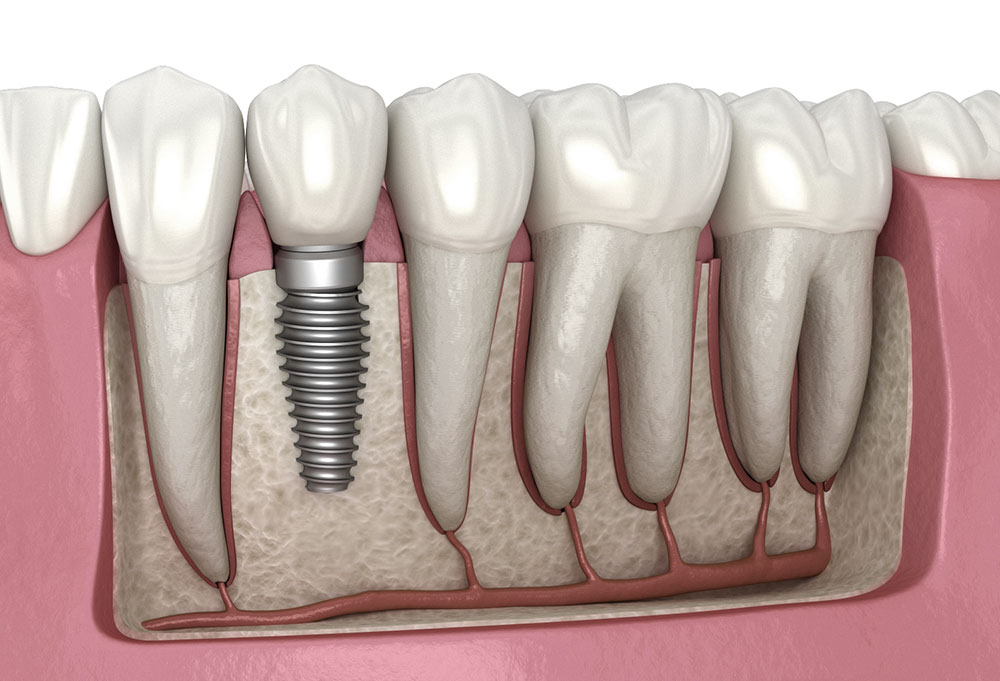
Endosteal implants are the most common type. They are placed “in the bone” (endo- meaning “inside” and -osteal meaning “bone”). These implants are suitable for patients with good jawbone density and are typically shaped like screws or cylinders. The procedure involves surgically placing the implant into the jawbone, allowing it to fuse with the bone over several months in a process called osseointegration, and then attaching a replacement tooth or teeth. Endosteal implants are versatile and can support a single tooth, multiple teeth, or a full set of teeth. Single tooth implants in Albania often utilize this method.
Subperiosteal Implants
Subperiosteal implants are placed “on the bone” but under the gum tissue. These implants are an older type and are less commonly used today. They consist of a metal framework that rests on the jawbone beneath the gum tissue. As the gums heal, the framework becomes integrated with the bone, providing support for replacement teeth. Subperiosteal implants are an option for patients who do not have enough bone depth to support endosteal implants but do not want to undergo bone grafting procedures. However, they are generally considered less stable and have a higher risk of complications compared to endosteal implants.
Zygomatic Implants
Zygomatic implants are the least common type and are typically used in cases where there is severe bone loss in the upper jaw. These implants are longer than traditional implants and are anchored in the zygomatic bone (cheekbone) rather than the jawbone. The procedure is more complex and requires specialized training. Zygomatic implants offer a solution for patients who would otherwise require extensive bone grafting to support traditional implants. While they provide a viable option for severe bone loss, they also carry a higher risk of complications and require a skilled and experienced surgeon.
What materials are dental implants made from?
Dental implants are typically made from titanium or zirconia.
Implant Materials: Titanium and Zirconia
Dental implants are primarily made from two materials: titanium and zirconia. Titanium has been the standard material for decades due to its biocompatibility, strength, and ability to osseointegrate with bone. Zirconia is a ceramic material that has gained popularity as an alternative to titanium. Zirconia implants are metal-free, which may be preferable for patients with metal allergies or concerns about aesthetics. Both materials have their advantages and disadvantages, and the choice depends on individual patient needs and preferences. Titanium implants have a long track record of success and are generally more versatile, while zirconia implants offer excellent aesthetics and are a suitable option for patients seeking metal-free solutions. Some patients prefer zirconia implants in Albania for their aesthetic benefits.
How Does a Dental Implant Work? Understanding the Procedure and Osseointegration
Understanding how a dental implant works involves learning about the implant procedure, the critical process of osseointegration, and the stages of implant surgery. This knowledge can help alleviate any anxieties and provide a clear picture of what to expect.
How are dental implants placed?
Dental implants are placed through a surgical procedure that involves inserting the implant into the jawbone.
The Dental Implant Procedure: A Step-by-Step Overview
The dental implant procedure typically involves several steps, starting with a comprehensive evaluation to determine if you are a suitable candidate. This evaluation includes X-rays, CT scans, and a thorough assessment of your oral health. If you are a candidate, the next step is the surgical placement of the implant. This involves making an incision in the gum tissue to expose the jawbone, creating a space for the implant, and then carefully inserting the implant. The gum tissue is then stitched back together, and the implant is left to heal and integrate with the bone. After several months, once osseointegration is complete, a small connector post called an abutment is attached to the implant. Finally, a custom-made crown is attached to the abutment, completing the process. In some cases, immediate loading dental implants in Albania are possible, allowing for the placement of a temporary crown on the same day as the implant.
What is osseointegration and why is it important?
Osseointegration is the process by which the bone fuses directly to the titanium or zirconia implant, providing a stable and durable foundation for the replacement tooth.
Osseointegration: The Key to Implant Success
Osseointegration is a critical process for the success of dental implants. It refers to the direct structural and functional connection between living bone and the surface of a load-bearing implant. In simpler terms, it’s the process by which the bone grows around and fuses to the implant, creating a stable and permanent foundation. This process typically takes several months and is essential for the long-term success of the implant. Without osseointegration, the implant would not be able to withstand the forces of chewing and biting, and would eventually fail. Factors that can affect osseointegration include the patient’s overall health, bone density, and the presence of infection or inflammation.
Is dental implant surgery painful?
Dental implant surgery is typically performed under local anesthesia, so patients usually experience minimal discomfort during the procedure.
Is Dental Implant Surgery Painful? What to Expect
Many patients are concerned about the pain associated with dental implant surgery. However, the procedure is typically performed under local anesthesia, which numbs the area and minimizes discomfort during the surgery. Some patients may also opt for sedation to further reduce anxiety and discomfort. After the surgery, it is normal to experience some pain, swelling, and bruising. However, this can usually be managed with over-the-counter pain medication. Most patients report that the pain is manageable and subsides within a few days. Following post-operative instructions carefully and maintaining good oral hygiene can help minimize pain and promote healing. How painful are dental implants depends on individual pain tolerance and the complexity of the procedure.
Benefits and Risks of Dental Implants: Weighing the Pros and Cons
Before deciding on dental implants, it’s crucial to weigh the benefits against the potential risks. Understanding both sides will help you make an informed decision about your oral health.
What are the main benefits of dental implants?
The main benefits of dental implants include improved appearance, enhanced comfort, better speech, easier eating, increased self-esteem, and long-term durability.
Advantages of Dental Implants: A Comprehensive Overview
Dental implants offer numerous advantages over traditional tooth replacement options such as dentures and bridges. Some of the main benefits include:
- Improved Appearance: Dental implants look and feel like natural teeth, providing a seamless and aesthetically pleasing solution.
- Enhanced Comfort: Unlike dentures, implants are fixed in place and do not slip or cause irritation.
- Better Speech: Dentures can sometimes affect speech, while implants allow you to speak clearly and confidently.
- Easier Eating: Implants function like natural teeth, allowing you to eat your favorite foods without difficulty or discomfort. Many patients find that you can eat steak with all on four implants, offering a diverse diet.
- Increased Self-Esteem: Restoring your smile with implants can significantly boost your confidence and self-esteem.
- Long-Term Durability: With proper care, dental implants can last a lifetime, making them a cost-effective solution in the long run.
Longevity of Dental Implants: A Lasting Solution
One of the most significant advantages of dental implants is their longevity. While dentures and bridges may need to be replaced every few years, dental implants can last a lifetime with proper care. The key to long-term success is maintaining good oral hygiene, including regular brushing, flossing, and dental check-ups. Additionally, avoiding habits such as smoking and excessive alcohol consumption can help prolong the life of your implants. Factors like bone density and overall health also play a role in the longevity of dental implants. Understanding how long dental implants last in the UK is essential for making an informed decision.
What risks or complications can occur with dental implants?
Potential risks and complications of dental implants include infection, nerve damage, sinus problems, and implant failure.
Risks and Complications: What to Be Aware Of
While dental implants are generally safe and effective, there are some potential risks and complications to be aware of. These include:
- Infection: Infection at the implant site can occur, especially if proper oral hygiene is not maintained.
- Nerve Damage: Damage to nearby nerves can cause pain, numbness, or tingling in the gums, lips, or chin.
- Sinus Problems: Implants placed in the upper jaw can sometimes protrude into the sinus cavity, leading to sinus problems.
- Implant Failure: In rare cases, the implant may not properly fuse with the bone, leading to implant failure.
However, these complications are relatively rare and can often be prevented with proper planning, skilled surgical technique, and good post-operative care. Choosing an experienced and qualified implant dentist can significantly reduce the risk of complications.
Candidacy and Suitability: Who is a Good Candidate for Dental Implants?
Determining whether you are a good candidate for dental implants is a crucial first step. Several factors influence suitability, including age, health conditions, and lifestyle habits.
Who is a good candidate for dental implants?
A good candidate for dental implants generally has good oral health, sufficient bone density in the jaw, and is free from conditions that could impair healing.
Ideal Candidates: Factors to Consider
A good candidate for dental implants typically has the following characteristics:
- Good Oral Health: Healthy gums and teeth are essential for the success of dental implants.
- Sufficient Bone Density: Adequate bone density in the jawbone is necessary to support the implant.
- Good Overall Health: Certain medical conditions, such as uncontrolled diabetes or autoimmune diseases, can impair healing and increase the risk of complications.
- Non-Smoker: Smoking can significantly impair healing and increase the risk of implant failure.
Are there any age or health restrictions?
While there is no strict upper age limit, certain health conditions may make individuals unsuitable for dental implants.
Age and Health Restrictions: What You Need to Know
While there is no strict upper age limit for dental implants, certain health conditions can affect suitability. For example, patients with uncontrolled diabetes, severe cardiovascular disease, or compromised immune systems may not be good candidates. Additionally, certain medications, such as bisphosphonates, can interfere with bone healing and increase the risk of implant failure. Age can also be a factor, as younger patients may not have fully developed jawbones. A thorough medical evaluation is essential to determine if you are a suitable candidate for dental implants, and understanding when not to have a dental implant is vital for ensuring a successful outcome.
What are alternatives to dental implants?
Alternatives to dental implants include dentures, dental bridges, and resin-bonded bridges.
Alternatives to Dental Implants: Exploring Your Options
If you are not a candidate for dental implants or prefer a less invasive option, there are several alternatives to consider. These include:
- Dentures: Removable appliances that replace missing teeth.
- Dental Bridges: Fixed appliances that bridge the gap between missing teeth by attaching to adjacent teeth.
- Resin-Bonded Bridges: Also known as Maryland bridges, these are attached to adjacent teeth with a metal or porcelain framework.
Each of these options has its advantages and disadvantages. Dentures are the most affordable option but can be less stable and comfortable than implants. Bridges are more stable than dentures but require altering the adjacent teeth. What is the best alternative to dental implants depends on your individual needs, budget, and preferences.
Costs and Aftercare: Understanding the Financial and Maintenance Aspects
Understanding the costs involved and the necessary aftercare is essential for making a well-informed decision about dental implants. This includes knowing the expenses, the maintenance required, and whether the procedure can be done on the NHS.
How much do dental implants cost in the UK?
Dental implant costs in the UK can vary widely, depending on the type of implant, the complexity of the procedure, and the location of the clinic.
Dental Implant Costs in the UK: A Detailed Breakdown
The cost of dental implants in the UK can vary widely depending on several factors, including the type of implant, the complexity of the procedure, and the location of the clinic. On average, a single dental implant can cost between £2,000 and £4,000. This cost typically includes the implant itself, the abutment, the crown, and the surgical procedure. Additional costs may include X-rays, CT scans, and bone grafting, if necessary. Patients often seek more affordable options, such as dental implants cost UK NHS or dental tourism.
Is aftercare required for dental implants?
Yes, aftercare is crucial for the success and longevity of dental implants, involving proper oral hygiene and regular dental check-ups.
Aftercare and Maintenance: Ensuring Long-Term Success
Proper aftercare and maintenance are crucial for the long-term success of dental implants. This includes:
- Good Oral Hygiene: Brushing and flossing regularly to keep the implant site clean and free from plaque.
- Regular Dental Check-Ups: Visiting your dentist for regular check-ups and cleanings to monitor the health of the implant and surrounding tissues.
- Avoiding Harmful Habits: Avoiding smoking and excessive alcohol consumption, which can impair healing and increase the risk of implant failure.
Additionally, it’s essential to follow your dentist’s specific post-operative instructions carefully. This may include taking antibiotics to prevent infection, using a special mouthwash, and avoiding certain foods during the initial healing period.
Can dental implants be done on the NHS?
Dental implants are rarely available on the NHS, and are usually only offered in cases of significant medical need.
NHS vs. Private: Exploring Your Options
Dental implants are rarely available on the NHS and are usually only offered in cases of significant medical need, such as after cancer surgery or trauma. In most cases, patients must seek private dental care for dental implants. While private dental care can be more expensive, it offers several advantages, including shorter waiting times, a wider range of treatment options, and the ability to choose your dentist. However, if you’re finding private care too expensive, you can research how can I get free dental implants in the UK.
FAQ Section
What is implant in dentistry and how is it different from dentures?
A dental implant is a permanent artificial tooth root, typically made of titanium, that is surgically placed into the jawbone to support a replacement tooth or teeth. Unlike dentures, which are removable appliances that rest on the gums, dental implants are fixed in place and fuse with the bone through a process called osseointegration. This provides a stable and durable foundation for replacement teeth, allowing patients to eat, speak, and smile with confidence. Implants also help to maintain the structure of the jawbone, preventing bone loss that can occur with dentures.
How long do dental implants last?
With proper care and maintenance, dental implants can last a lifetime. The key to long-term success is maintaining good oral hygiene, including regular brushing, flossing, and dental check-ups. Additionally, avoiding habits such as smoking and excessive alcohol consumption can help prolong the life of your implants. Factors like bone density and overall health also play a role in the longevity of dental implants.
Is there a risk of dental implant rejection?
While the term “rejection” is not entirely accurate, there is a risk of implant failure, which can occur if the implant does not properly fuse with the bone or if infection develops. However, the risk of implant failure is relatively low, with success rates typically exceeding 95%. Factors that can increase the risk of failure include smoking, poor oral hygiene, and certain medical conditions. Choosing an experienced and qualified implant dentist and following post-operative instructions carefully can help minimize the risk of implant failure.
How do I choose a dental implant dentist?
Choosing the right dental implant dentist is crucial for the success of your treatment. Look for a dentist who has extensive training and experience in implant dentistry, as well as a track record of successful implant placements. Check online reviews and testimonials to get an idea of the dentist’s reputation and patient satisfaction. Additionally, make sure the dentist uses high-quality materials and advanced technology. A consultation with the dentist is also essential to discuss your individual needs and goals, and to ensure that you feel comfortable and confident in their care.
What is the recovery time after dental implant surgery?
The recovery time after dental implant surgery can vary depending on the complexity of the procedure and individual healing rates. However, most patients can expect to experience some pain, swelling, and bruising for the first few days after surgery. This can usually be managed with over-the-counter pain medication. The implant site typically takes several months to fully heal and integrate with the bone. During this time, it’s essential to follow your dentist’s instructions carefully and maintain good oral hygiene to promote healing and prevent infection. For full mouth procedures you may be interested in how long does it take to recover from full mouth dental implant surgery.
Conclusion: Transform Your Smile with Dental Implants
Dental implants offer a transformative solution for missing teeth, providing a permanent, stable, and natural-looking alternative to dentures and bridges. At Albania Dental Implants, we are committed to providing high-quality, affordable dental implant services to patients in the UK and beyond. Whether you are looking to restore a single tooth or replace an entire arch of teeth, we can help you achieve a confident and healthy smile. Contact us today to schedule a consultation and learn more about how dental implants can transform your life.





