



Many people in the UK are concerned about dental costs and seek the most affordable solution for restoring missing teeth, whether through NHS or private treatments. This comprehensive guide explores all available options, from dentures and bridges to dental implants and NHS provisions, to help you make an informed decision that fits your budget. We’ll also discuss how traveling to Albania for dental work can be a cost-effective alternative, offering significant savings without compromising quality. At Albania Dental Implants, we are dedicated to providing affordable and high-quality dental solutions.
Cheapest Tooth Replacement Options in the UK
When facing tooth loss, finding the cheapest tooth replacement UK option is a primary concern. Several alternatives exist, each with its own price point and suitability. Understanding the landscape of tooth replacement options UK is the first step in making an informed decision.
Overview of Tooth Replacement Options
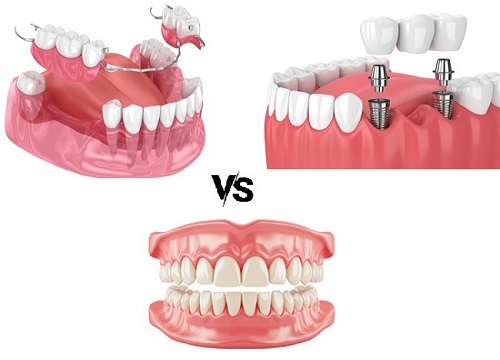
The main options for replacing a missing tooth in the UK include:
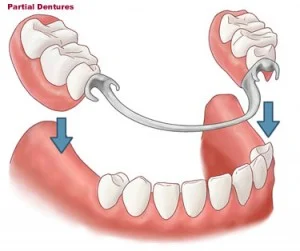
- Dentures: Removable appliances that replace missing teeth. These are generally the most affordable option.
- Dental Bridges: Fixed prosthetic devices that bridge the gap created by a missing tooth.
- Dental Implants: Permanent replacements for missing teeth, involving a surgical procedure to insert a titanium post into the jawbone.
- NHS vs Private Treatment: Each option can be accessed through the National Health Service (NHS) or private dental practices, with varying costs and eligibility criteria.
Brief Comparison and Price Range Overview
Here’s a brief comparison of the estimated costs for each option:
- Dentures: NHS Band 1 (£26.80) to Private (£300 – £800)
- Dental Bridges: NHS Band 3 (£319.10) to Private (£500 – £1500)
- Dental Implants: Not typically available on the NHS, Private (£2,000 – £4,000 per implant)
These prices are approximate and can vary based on the complexity of the case and the specific dental practice. Remember that these are UK costs, and exploring options like dental tourism in Albania can offer significantly lower prices.
Cost of Dentures in the UK
Understanding the dentures cost UK is essential for those seeking an affordable tooth replacement. Dentures are removable appliances that can replace one or more missing teeth. They are often considered the cheapest tooth replacement UK, but the overall cost depends on the type of denture and whether you opt for NHS or private treatment.
Average Cost for Dentures (Full and Partial)
The average costs for dentures in the UK are as follows:
- Full Dentures (replacing all teeth in an arch): NHS Band 3 (£319.10), Private (£600 – £1,500 per arch)
- Partial Dentures (replacing some teeth): NHS Band 1 (£26.80) to Band 3 (£319.10), Private (£300 – £800)
Partial dentures are more affordable due to the lower amount of materials used. The prices also vary depending on the type of material used, with acrylic dentures generally being cheaper than chrome or flexible dentures.
How Costs Differ Between NHS and Private Practices
The main difference in cost lies in the level of subsidy provided by the NHS. NHS dental treatment costs are standardized within specific bands, making them generally more affordable. However, the NHS may not offer the same range of materials or customization options as private practices. Private practices, while more expensive, often provide a wider selection of denture types and materials, potentially offering better comfort and aesthetics. For example, flexible dentures may only be available via private practice. If traveling abroad appeals to you, you might be interested in dental tourism in Albania, where you can get high-quality dentures at a fraction of the price in the UK.
Pros and Cons of Dentures as a Solution
Dentures have several advantages, including:
- Affordability: Generally the cheapest tooth replacement option.
- Non-Invasive: No surgery is required.
- Quick Solution: Dentures can be fitted relatively quickly.
However, dentures also have disadvantages:
- Comfort Issues: Dentures can be uncomfortable, especially at first.
- Maintenance: They require daily cleaning and occasional adjustments.
- Limited Functionality: Dentures may not provide the same level of chewing ability as natural teeth or dental implants.
- Bone Loss: Dentures do not stimulate the jawbone, potentially leading to bone loss over time.
Despite these drawbacks, dentures remain a viable option for many people seeking an affordable solution to missing teeth. They can improve appearance and speech, and restore some chewing ability. However, it’s important to weigh the pros and cons carefully before making a decision.
Dental Bridges: Prices and Suitability
A dental bridge is a fixed solution to replace a missing tooth, literally bridging the gap between adjacent teeth. Understanding the dental bridge price UK is important when considering your options. Bridges can be a more stable alternative to dentures, but they also come with their own set of considerations.
Bridge Types (Traditional, Cantilever, Maryland)
There are several types of dental bridges, each with varying suitability and cost:
- Traditional Bridges: Involve creating a crown for the teeth on either side of the gap (abutment teeth), with a pontic (false tooth) in between.
- Cantilever Bridges: Used when there are abutment teeth only on one side of the gap. This option is less common due to the potential for increased stress on the abutment tooth.
- Maryland Bridges: Consist of a pontic with metal or porcelain wings bonded to the adjacent teeth. This is a more conservative option as it requires less preparation of the abutment teeth.
Typical UK Prices via NHS and Private
The cost of a dental bridge in the UK varies between NHS and private practices:
- NHS: Typically falls under Band 3 (£319.10), which includes bridges, crowns, and dentures.
- Private: Prices range from £500 to £1500 per bridge, depending on the type of bridge, the materials used, and the complexity of the case.
Maryland bridges tend to be at the lower end of the price range, while traditional bridges made of porcelain or zirconia may be more expensive.
Key Benefits and Drawbacks
Dental bridges offer several benefits:
- Fixed Solution: Unlike dentures, bridges are permanently fixed in place.
- Improved Aesthetics: Bridges can restore your smile and improve your confidence.
- Restored Function: Bridges can improve chewing ability and speech.
However, bridges also have some drawbacks:
- Preparation of Adjacent Teeth: Traditional bridges require the preparation of adjacent teeth, which involves removing some enamel.
- Risk of Decay: The abutment teeth are at increased risk of decay if the bridge is not properly cleaned.
- Limited Lifespan: Bridges typically last 10-15 years, requiring eventual replacement.
- Bone Loss: Like dentures, bridges do not stimulate the jawbone, potentially leading to bone loss.
For a long-term investment in your dental health, consider dental implants in Albania.
Dental Implants: Are They Affordable?
Dental implants are considered the gold standard for tooth replacement, offering a permanent and natural-looking solution. However, the high affordable dental implants UK cost can be a significant barrier. This section explores the affordability of dental implants and compares them with other options.
Average UK Costs for Single Implants
The cost of dental implants in the UK varies depending on location, clinic, and complexity of the case. Here’s a general breakdown:
- Single Tooth Implant: £2,000 – £4,000
- Additional Costs: This may include consultations, X-rays, bone grafts (if needed), and the cost of the crown.
Compared to dentures and bridges, dental implants are a significantly more expensive option. However, their long-term benefits can make them a worthwhile investment.
Implant Pros and Cons; When They May Be Cost-Effective
Dental implants offer numerous advantages:
- Longevity: With proper care, implants can last a lifetime.
- Natural Look and Feel: Implants look and feel like natural teeth.
- Improved Function: Implants provide excellent chewing ability and speech clarity.
- Bone Stimulation: Implants stimulate the jawbone, preventing bone loss.
- No Impact on Adjacent Teeth: Unlike bridges, implants do not require the preparation of adjacent teeth.
However, implants also have disadvantages:
- High Cost: Implants are the most expensive tooth replacement option.
- Surgical Procedure: Implant placement requires surgery, with associated risks and recovery time.
- Not Suitable for Everyone: Certain medical conditions and lifestyle factors may make implants unsuitable.
Implants may be cost-effective in the long run due to their longevity and the prevention of bone loss. While the upfront cost is high, the lack of need for frequent replacements, as with dentures or bridges, can make them a more economical choice over time.
Comparison with Dentures and Bridges
Here’s a comparison table:
| Feature | Dentures | Bridges | Implants |
|---|---|---|---|
| Cost | Low | Medium | High |
| Longevity | 5-10 years | 10-15 years | Lifetime (with proper care) |
| Bone Loss Prevention | No | No | Yes |
| Impact on Adjacent Teeth | No | Yes | No |
| Functionality | Limited | Good | Excellent |
Many patients also consider the affordability of dental implants in Albania, where costs are significantly lower.
NHS vs Private: What’s Cheapest for Tooth Replacement?
Deciding between NHS dental treatment and private care significantly impacts the overall cost of tooth replacement. Understanding the eligibility criteria for NHS support and the cost bands is crucial for making an informed decision.
Eligibility for NHS Support and Cost Bands
The NHS provides dental care to all UK residents, but not all treatments are covered. Dental implants, for example, are rarely available on the NHS. The cost of NHS dental treatment is divided into three bands:
- Band 1 (£26.80): Includes examinations, diagnosis, and preventative care like scaling and polishing.
- Band 2 (£73.50): Includes everything in Band 1, plus fillings, root canal treatment, and extractions.
- Band 3 (£319.10): Includes everything in Bands 1 and 2, plus crowns, dentures, and bridges.
To be eligible for NHS dental care, you must be a UK resident and registered with an NHS dentist. Some individuals are exempt from NHS dental charges, including:
- Under 18s
- Pregnant women and those who have had a baby in the past 12 months
- Individuals receiving certain benefits, such as Income Support, Universal Credit (meeting specific criteria), and Pension Credit Guarantee Credit
Cases Where Private Care May Be Preferable
While the NHS offers affordable dental care, private care may be preferable in some cases:
- Wider Range of Treatments: Private practices offer a broader range of treatments, including dental implants and cosmetic dentistry.
- Higher Quality Materials: Private practices may use higher quality materials for dentures, bridges, and crowns.
- Shorter Waiting Times: Private practices generally have shorter waiting times for appointments and treatments.
- Customization: Private dentists often offer more customized treatment plans tailored to individual needs and preferences.
However, you can also consider combining a private dentist for consultations and then travel to Albania for affordable dental treatments and implants.
How to Apply for NHS Dental Care
To apply for NHS dental care, follow these steps:
- Find an NHS Dentist: Search online for NHS dentists in your area or contact NHS England.
- Check Availability: Not all dentists are accepting new NHS patients, so check availability before registering.
- Register with the Dentist: Contact the dentist and ask to register as an NHS patient.
- Attend an Initial Appointment: The dentist will assess your oral health and discuss your treatment options.
Emergency and Temporary Tooth Replacement Options
In situations requiring immediate solutions, knowing the available emergency dental care UK options and temporary tooth replacement methods is crucial. These solutions can provide immediate relief and aesthetics while you consider longer-term treatments.
Available Options for Immediate Needs
When facing a dental emergency, such as a broken or lost tooth, several temporary options can help:
- Temporary Dentures: These are immediate dentures that can be fitted right after tooth extraction, providing a temporary solution while your gums heal.
- Partial Denture Flippers: These are removable appliances that fill the gap caused by a missing tooth.
- DIY Tooth Replacement Kits: Available online, these kits offer temporary solutions for replacing a missing tooth, using materials like thermoplastic beads to create a temporary tooth.
Cost Comparison (NHS Emergency Fees, Temporary Denture Solutions)
The cost of emergency dental care varies depending on whether you seek treatment through the NHS or a private dentist:
- NHS Emergency Dental Treatment: Costs £26.80 (Band 1 charge) for an examination and any necessary treatment.
- Private Emergency Dental Treatment: Costs vary depending on the practice and the treatment required, but can range from £50 to £200 for an emergency appointment and treatment.
- Temporary Denture Solutions: DIY kits cost around £20-£50, while partial denture flippers from a dentist can range from £100 to £300.
Keep in mind if you are struggling with the cost, that there are several routes to improve your dental health even when you are struggling financially.
FAQs (QUESTIONS – Must Be Answered in Detail)
Here are detailed answers to frequently asked questions about the cheapest ways to replace a missing tooth in the UK:
What is the absolute cheapest way to replace a missing tooth in the UK?
The absolute cheapest way to replace a missing tooth in the UK is typically through NHS dental care. Opting for a partial denture through the NHS, which falls under Band 1 (£26.80) or Band 3 (£319.10), is the most budget-friendly option. This provides a functional replacement without the higher costs associated with bridges or implants. However, remember to consider the long-term maintenance and potential impact on adjacent teeth and bone health. In comparison, even the cheapest dental implants in UK cost significantly more upfront.
Are free or subsidised options available for tooth replacement (NHS, charities)?
Yes, there are options for free or subsidized tooth replacement in the UK. Certain individuals are exempt from NHS dental charges, including those under 18, pregnant women, and those receiving specific benefits like Income Support or Universal Credit (meeting specific criteria). Some dental charities and organizations may also offer subsidized treatment to those in financial need. Dental schools sometimes provide reduced-cost treatment as well.
How much does a denture cost on the NHS vs privately?
A denture on the NHS costs £26.80 (Band 1) to £319.10 (Band 3), depending on complexity and materials used. Privately, dentures can range from £300 to £1,500 per arch, depending on the type of denture and the materials used. Private dentures often offer more customization and higher-quality materials, but at a higher cost.
What’s the price difference between an implant, denture, and bridge in the UK?
The price difference is significant. A single dental implant ranges from £2,000 to £4,000, while a denture costs £26.80 to £319.10 on the NHS or £300 to £1,500 privately. A dental bridge typically costs £319.10 on the NHS or £500 to £1,500 privately. Implants are the most expensive option, followed by bridges and then dentures.
Can I get help with dental costs if I’m on benefits or low income?
Yes, you can get help with dental costs if you’re on benefits or low income. You may be eligible for free NHS dental treatment if you receive Income Support, Universal Credit (meeting specific criteria), Pension Credit Guarantee Credit, or other income-related benefits. Additionally, you can explore options with dental charities or seek treatment at dental schools for reduced costs.
Does dental insurance cover tooth replacement in the UK?
Some dental insurance plans in the UK cover tooth replacement, but the extent of coverage varies widely. Some policies may cover a percentage of the cost of dentures or bridges, while others may offer limited coverage for dental implants. It’s essential to carefully review the terms and conditions of your dental insurance policy to understand what is covered and what is not.
Are there risks to choosing the least expensive tooth replacement option?
Yes, there are potential risks. The least expensive option, often dentures, may have comfort issues, require more maintenance, and not provide the same level of functionality as other options like implants. Additionally, dentures and bridges do not prevent bone loss, which can impact long-term oral health.
How long do the cheapest options last, and what maintenance costs are involved?
The cheapest options, like NHS dentures, typically last 5-10 years. Maintenance involves daily cleaning, occasional adjustments, and eventual replacement. Maintenance costs can include denture cleaning solutions, denture adhesive, and dental appointments for adjustments or repairs. These costs, while not as high as the initial cost of implants, can add up over time.
Are there affordable alternatives to traditional dentures or implants?
Affordable alternatives to traditional dentures or implants include partial denture flippers, Maryland bridges, and exploring dental tourism options. Additionally, consider options like mini dental implants, which are less expensive than traditional implants but may not be suitable for all cases.
What is the process and waiting time for NHS dental treatment?
The process for NHS dental treatment involves finding an NHS dentist, registering as a patient, and attending an initial appointment for assessment. Waiting times can vary depending on the dentist and the urgency of your needs. Some areas may have longer waiting lists than others. For specialized treatments like dentures, multiple appointments may be required for fitting and adjustments.
Conclusion
Finding the cheapest way to replace a missing tooth UK involves carefully weighing your options and considering your budget, oral health needs, and long-term goals. While NHS dentures are often the most affordable upfront solution, dental implants offer superior longevity and functionality, potentially making them a cost-effective choice in the long run. Other options like dental bridges provide a middle ground, offering a fixed solution at a moderate price. If you are in a situation where you want quality dental care but find it hard to afford in the UK, you might be interested in Albania Dental Implants and all the services we offer. Ready to regain your smile and confidence without breaking the bank? Contact us today to explore affordable dental solutions tailored to your needs and budget!





