



Why Replace Missing Teeth?
Leaving missing teeth unaddressed can lead to a cascade of problems beyond aesthetics. Understanding the potential consequences can motivate you to seek even the most basic replacement options. Several factors should be considered.
Oral Health Deterioration
Missing teeth can cause adjacent teeth to shift, leading to misalignment and increasing the risk of decay and gum disease. Gaps in your smile can also make it harder to clean your teeth effectively, contributing to plaque buildup and potential infections. Maintaining good oral hygiene becomes more challenging, potentially leading to further tooth loss. Addressing missing teeth promptly helps prevent these issues and preserves your overall oral health.
Chewing and Speaking Difficulties
Missing teeth can significantly impact your ability to chew food properly, leading to digestive issues and limiting your dietary choices. You might find it difficult to eat certain foods, affecting your nutrition and overall health. Missing teeth can also affect your speech, causing lisps or other pronunciation problems that can impact your confidence and communication skills. Replacing missing teeth can restore your ability to chew and speak comfortably and confidently.
Psychological and Social Impact
A missing tooth can significantly impact your self-esteem and confidence. Many people feel self-conscious about smiling or speaking in public, leading to social withdrawal and anxiety. This can affect your personal and professional relationships, limiting your opportunities and overall quality of life. Replacing missing teeth can restore your smile and confidence, improving your social interactions and overall well-being.
Cheapest Tooth Replacement Options in the UK
When considering tooth replacement in the UK, it’s helpful to understand the range of options available, from the most affordable to the more expensive. The ideal choice will depend on your individual needs, budget, and oral health.
Generally, the options, ranked from most affordable to most expensive, are:
- Dentures
- Dental Bridges
- Dental Implants
Within each of these categories, there are further variations in cost depending on materials, complexity, and whether you choose NHS or private dental care.
Traditional Dentures: The Most Affordable Choice
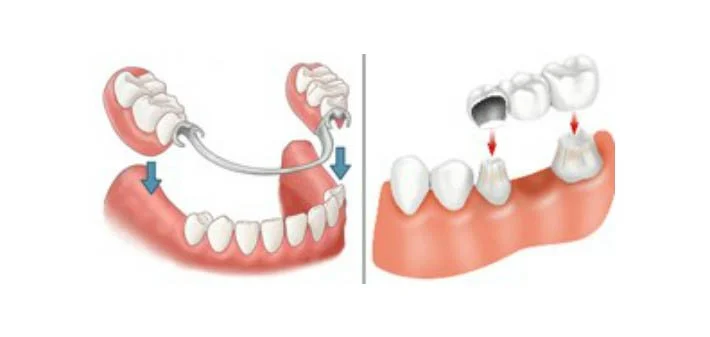
Traditional dentures remain the most accessible and cheapest tooth replacement methods for many in the UK. They are removable appliances that can replace either a full set of teeth (full dentures) or a few missing teeth (partial dentures).
Full dentures are used when all teeth in an arch are missing, while partial dentures are used when some natural teeth remain. Partial dentures often have clasps that attach to the adjacent teeth for stability. Both types are custom-made to fit your mouth and restore your smile.
How much do dentures cost on the NHS and privately?
The basic cost of dentures on the NHS falls into Band 3, which, as of 2024, is £319.10. This covers the examination, diagnosis, and provision of dentures. Private clinics typically charge significantly more, with prices ranging from £500 to several thousand pounds per denture, depending on the materials used and the clinic’s location. Although there is lower upfront cost in the NHS you might face waiting times.
Dentures can be made from acrylic or porcelain. Acrylic dentures are more common due to their lower cost and ease of adjustment. Porcelain dentures are more durable but also more expensive and can wear down opposing natural teeth. The lifespan of dentures varies, but they typically need to be replaced every 5-10 years. Regular checkups with your dentist are essential to ensure proper fit and function. You might also want to consider implant overdentures in Albania.
Dental Bridges
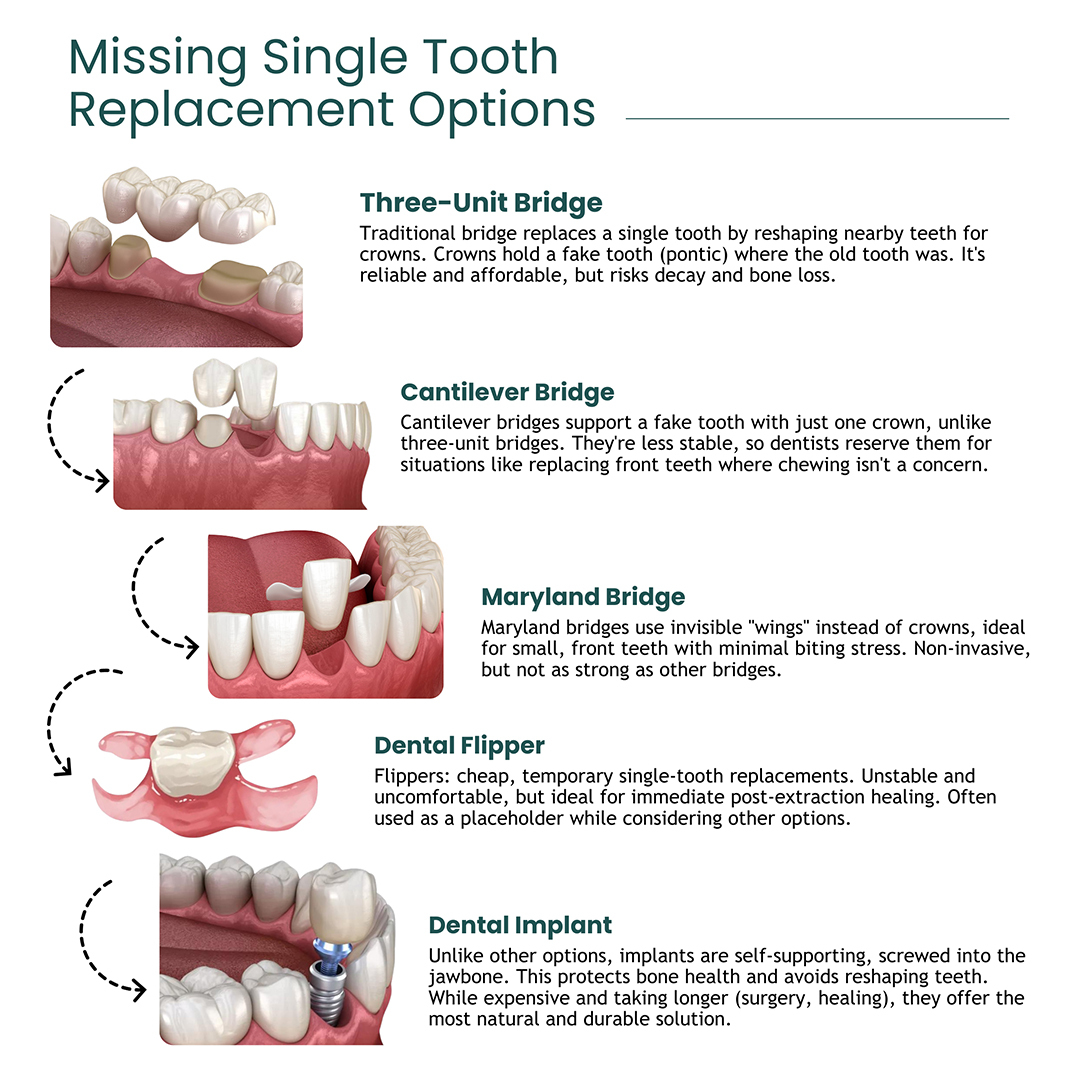
Dental bridges are another option for replacing missing teeth. A bridge consists of a false tooth (pontic) that is anchored to the adjacent teeth (abutments) with crowns. Bridges are a fixed solution, meaning they are not removable like dentures.
The average cost of a dental bridge in the UK ranges from £700 to £1,500 per unit. A bridge typically consists of three units: two crowns for the abutment teeth and one pontic to replace the missing tooth. The cost can vary depending on the materials used, such as porcelain, ceramic, or metal alloys.
Bridges may be cost-effective in the short term, especially if the adjacent teeth already have fillings or crowns. However, they require altering the structure of the adjacent teeth, which can increase the risk of decay and the need for future treatments. Bridges typically last 10-15 years, requiring replacement or repair at some point. It is important to know is a dental bridge better than an implant.
Dental Implants: Costly, but Long-term Value
Dental implants are a popular and long-lasting solution for replacing missing teeth. An implant consists of a titanium post that is surgically placed into the jawbone, acting as an artificial tooth root. A crown is then attached to the implant, providing a natural-looking and functional replacement tooth.
Dental implants are more expensive than dentures or bridges, with the average cost ranging from £2,500 to £4,000 per implant in the UK. The high cost is due to the materials used, the surgical procedure, and the expertise required. Despite the higher upfront cost, implants offer long-term value due to their durability and stability.
Are there affordable alternatives to dental implants?
While traditional dental implants are expensive, there are some lower-cost options to consider. Mini dental implants are smaller in diameter and less expensive than regular implants. They are often used to stabilize dentures or replace small teeth. Another option is to consider dental tourism, where you travel to another country, such as Albania, for more affordable dental treatment.
For more information about Albania Dental Implants Services and affordable options, you can contact Albania Dental Implants.
Other Low-Cost/Same-Day Solutions
In addition to traditional dentures, bridges, and implants, there are some other low-cost and same-day solutions available.
- Snap-in dentures: These dentures attach to dental implants, providing more stability and retention than traditional dentures.
- Removable dental flippers: These are temporary, removable appliances that replace one or a few missing teeth. They are a quick and inexpensive option for filling gaps in your smile.
- Cheapest in-practice solutions: Some dental practices offer payment plans or discounts to make tooth replacement more affordable.
These solutions can be a good option for those on a tight budget or who need a quick fix. However, they may not be as durable or long-lasting as other options.
Affordable Tooth Replacement: Private, NHS, and Charitable Options
Navigating the costs of tooth replacement can be tricky. Understanding the different avenues for accessing dental care, including the NHS, private practices, and charitable organizations, is essential for finding a solution that fits your budget.
What does the NHS cover?
The NHS provides a range of dental treatments, including dentures and bridges. However, dental implants are typically not covered unless there is a medical need. NHS dental charges are divided into three bands:
- Band 1 (£26.80): Covers examinations, diagnosis, and preventative care.
- Band 2 (£73.50): Covers fillings, root canals, and extractions.
- Band 3 (£319.10): Covers dentures, crowns, and bridges.
The NHS provides essential dental care at a subsidized cost. However, waiting times can be long, and the range of treatments available may be limited compared to private practices.
Private vs NHS – cost comparison
Private dental care typically offers a wider range of treatments, higher-quality materials, and shorter waiting times compared to the NHS. However, private dental care is also more expensive. The cost of dentures and bridges in private practices can vary significantly depending on the clinic’s location, the materials used, and the complexity of the treatment.
It is essential to weigh the costs and benefits of both NHS and private dental care to make an informed decision that fits your budget and needs.
NHS eligibility and waiting times
To be eligible for NHS dental treatment, you must be a UK resident. NHS eligibility is not based on income or employment status. Waiting times for NHS dental treatment can vary depending on the area and the demand for services. In some cases, you may have to wait several months for an appointment.
Charities and low-cost dental clinics in the UK
Several charities and low-cost dental clinics in the UK offer affordable dental care to those who cannot afford private treatment. These organizations may provide free or subsidized dental treatment to low-income individuals and families. Some examples of dental charities in the UK include:
- The Dental Health Foundation: Provides information and resources on oral health.
- Dentaid: Offers mobile dental services to underserved communities.
These organizations can be a valuable resource for those seeking affordable dental care.
Pros and Cons of the Cheapest Tooth Replacement Methods
When considering the most affordable options for tooth replacement, it’s essential to weigh the pros and cons of each method to make an informed decision that fits your needs and budget.
Durability
Dentures are typically less durable than dental implants or bridges. They can be prone to damage and may need to be replaced every 5-10 years. Bridges are more durable than dentures but can still be susceptible to decay and damage. Dental implants are the most durable option, lasting for many years with proper care. You might want to know how long dental implants last in the UK.
Comfort and aesthetics
Dentures can sometimes feel bulky and uncomfortable, especially when first fitted. They may also affect your speech and taste. Bridges are generally more comfortable than dentures but may require altering the structure of the adjacent teeth. Dental implants are the most comfortable and natural-looking option, feeling and functioning much like natural teeth.
Maintenance and care requirements
Dentures require daily cleaning and soaking to maintain good oral hygiene. Bridges require careful cleaning around the abutment teeth to prevent decay. Dental implants require regular brushing and flossing, just like natural teeth.
Replacement cycles and long-term costs
Dentures need to be replaced every 5-10 years, incurring ongoing costs. Bridges typically last 10-15 years and may also need to be replaced or repaired. Dental implants can last for many years with proper care, making them a cost-effective option in the long run. Considering the long-term costs and benefits is essential when choosing a tooth replacement method. You can also consider going to dental tourism in Albania and have lower prices.
How to Choose the Best Budget Option for You
Selecting the right tooth replacement option involves considering several factors, including your health status, the number of missing teeth, your budget, and your desired longevity. Here are some key considerations:
Factors to consider: health status, number of missing teeth, cost and longevity
Your overall health status can impact your eligibility for certain tooth replacement options. For example, individuals with certain medical conditions may not be suitable candidates for dental implants. The number of missing teeth will also influence your choice of treatment. If you are missing only one or two teeth, a bridge or implant may be a good option. If you are missing all of your teeth, dentures or implant-supported dentures may be more appropriate.
Your budget is a significant consideration. Dentures are the most affordable option, while implants are the most expensive. It is essential to consider both the upfront costs and the long-term costs of each option. Longevity is another critical factor. Dental implants can last for many years with proper care, while dentures and bridges may need to be replaced or repaired periodically.
Consulting with a dentist
The best way to determine the best budget option for you is to consult with a dentist. A dentist can assess your oral health, discuss your treatment options, and help you make an informed decision that fits your needs and budget. They can also provide you with a detailed cost estimate and explain the pros and cons of each option.
Steps to getting started with affordable tooth replacement
Here are some steps to getting started with affordable tooth replacement:
- Schedule a consultation with a dentist.
- Discuss your treatment options and budget.
- Ask about payment plans or discounts.
- Consider NHS or charitable options.
- Explore dental tourism.
By following these steps, you can find an affordable tooth replacement solution that restores your smile and confidence.
Conclusion
Finding the cheapest way to replace missing teeth involves careful consideration of your options, budget, and long-term goals. While dentures are often the most affordable upfront, dental implants offer lasting value and superior comfort. Exploring NHS options, charities, and potentially dental tourism can further reduce costs. Don’t hesitate to contact Albania Dental Implants. for a personalised consultation and discover how we can help you achieve a confident, healthy smile without breaking the bank.
FAQ
What is the cheapest way to replace missing teeth in the UK?
The cheapest way to replace missing teeth in the UK is typically through NHS dentures. NHS dentures are subsidised, significantly reducing the cost compared to private options or dental implants.
How much do dentures cost on the NHS and privately?
On the NHS, dentures fall under Band 3, costing £319.10. Private dentures range from £500 to several thousand pounds per denture, depending on the materials used and the clinic’s location.
Are there affordable alternatives to dental implants?
Yes, affordable alternatives to dental implants include dentures and dental bridges. Mini dental implants and dental tourism can also offer cost savings.
What are the pros and cons of budget dentures?
Pros of budget dentures: affordability, improved appearance, and restored chewing function. Cons: potential discomfort, need for replacement, and possible impact on speech and taste.
How can I get free or low-cost tooth replacement in the UK?
You can explore NHS options, dental charities, and low-cost dental clinics in the UK for free or low-cost tooth replacement.
Can you replace a single tooth cheaply?
Yes, a single tooth can be replaced cheaply using a removable dental flipper or a partial denture.
Are there dental charities or clinics that help reduce tooth replacement costs?
Yes, charities like The Dental Health Foundation and Dentaid provide affordable dental services. Low-cost dental clinics may also offer payment plans or discounts.
What’s the difference in comfort and appearance between cheap and expensive options?
Cheaper options may be less comfortable and natural-looking compared to more expensive options like dental implants. Dentures may feel bulky, while implants are designed to mimic natural teeth.
How long do the cheapest options last?
The cheapest options, like dentures and flippers, typically last 5-10 years, while dental implants can last much longer with proper care.





