



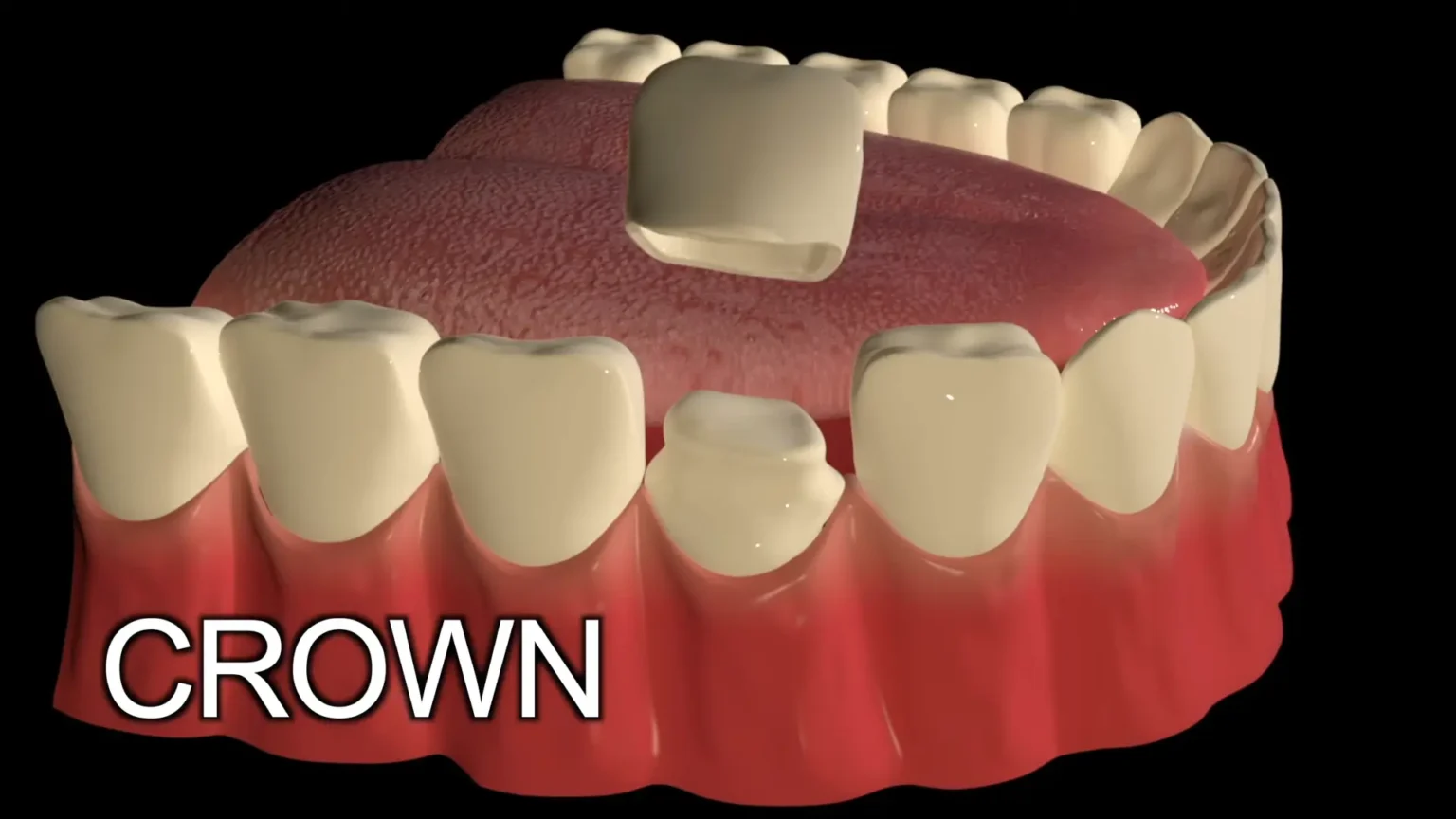

What is the downside of a tooth crown? While dental crowns are a popular and effective way to restore damaged teeth, it’s essential to be aware of the potential drawbacks and risks associated with the procedure. This comprehensive guide will explore the dental crowns disadvantages, potential tooth crown problems, and other considerations to help you make an informed decision about your dental health, especially when considering options like dental tourism in Albania.
Introduction: What is a Tooth Crown?
A dental crown, sometimes called a “cap,” is a custom-made restoration that covers the entire visible portion of a tooth. It’s used to protect, strengthen, and improve the appearance of a tooth that has been damaged by decay, injury, or other factors.
Crowns are typically recommended when a tooth is too weak or damaged to be repaired with a filling alone. They can also be used to cover discoloured or misshapen teeth, or to protect a tooth after a root canal. Understanding the benefits is key, but so is acknowledging the dental crowns disadvantages before moving forward.
Why Are Tooth Crowns Used?
- To protect a weak tooth from breaking or to hold together parts of a cracked tooth
- To restore a broken or severely worn-down tooth
- To cover and support a tooth with a large filling when there isn’t enough tooth remaining
- To hold a dental bridge in place
- To cover misshapen or severely discoloured teeth
- To cover a dental implant
- To make a cosmetic modification
Common Downsides of Tooth Crowns
While crowns offer numerous benefits, it’s crucial to consider the potential tooth crown problems and risks involved. These can be categorised into short-term and long-term issues. It’s also important to discuss any pre-existing conditions with your dentist to ensure a successful outcome.
Short-Term Risk Factors
- Sensitivity: Increased sensitivity to hot, cold, or pressure.
- Gum Irritation: Soreness or inflammation around the gum line.
- Allergic Reaction: Although rare, some individuals may experience an allergic reaction to the crown material.
Long-Term Risk Factors
- Dental Crown Failure: Cracking, chipping, or loosening of the crown.
- Decay Underneath: Potential for decay to develop if the crown doesn’t fit properly or oral hygiene is inadequate.
- Impact on Adjacent Teeth: Altered bite or alignment issues.
Typical Complications Described and Defined
Typical complications following crown placement can range from minor irritations to more significant issues. It’s important to understand these potential complications to be prepared and know when to seek professional help.
Risk of Tooth Sensitivity
Tooth sensitivity after crown placement is a common concern. Understanding why it occurs and how to manage it can ease your worries. This tooth sensitivity after crown can be a temporary inconvenience or a sign of a more significant problem.
Why Some Patients Experience Sensitivity
Sensitivity can arise from several factors:
- Nerve Irritation: The underlying tooth nerve may be temporarily irritated by the crown preparation process.
- Cementation: The cement used to secure the crown can sometimes cause sensitivity.
- Crown Height: If the crown is too high, it can cause pressure and sensitivity.
How Long It May Last, and Management Strategies
In most cases, sensitivity subsides within a few weeks. Management strategies include:
- Over-the-Counter Pain Relief: Medications like ibuprofen or paracetamol can help manage discomfort.
- Desensitising Toothpaste: Using toothpaste designed for sensitive teeth can reduce nerve irritation.
- Avoid Triggering Foods: Steer clear of extremely hot, cold, or sweet foods and drinks.
- Dental Check-up: If sensitivity persists or worsens, consult your dentist to rule out any underlying issues.
Why does my tooth hurt after a crown is fitted?
A tooth might hurt after a crown is fitted for several reasons, including:
- Inflammation of the Pulp: The pulp, which contains nerves and blood vessels, may become inflamed during the crown preparation process.
- High Bite: If the crown is slightly too high, it can cause excessive pressure when biting, leading to discomfort.
- Sensitivity: The tooth may be sensitive to temperature changes or sweets.
- Poor Fit: If the crown does not fit properly, it can irritate the surrounding gums and cause pain.
Possibility of Dental Crown Failure
Dental crown failure is a concern that patients should be aware of. While crowns are designed to be durable, they are not immune to damage or wear. Understanding the circumstances that can lead to failure can help you take preventive measures. Knowing what to do can increase the dental crown lifespan.
Circumstances That Can Cause a Crown to Break or Loosen
Several factors can contribute to crown failure:
- Poor Oral Hygiene: Inadequate brushing and flossing can lead to decay around the crown margins.
- Bruxism (Teeth Grinding): Grinding or clenching your teeth can put excessive force on the crown, causing it to crack or loosen.
- Trauma: A direct blow to the mouth can damage or dislodge the crown.
- Biting Hard Foods: Chewing on hard candies, ice, or other tough foods can cause the crown to fracture.
- Improper Fit: A poorly fitted crown is more susceptible to failure.
How Often This Happens, and Best Practices for Prevention
Crown failure rates vary depending on factors such as crown material, oral hygiene, and patient habits. Studies suggest that most crowns last between 5 and 15 years. Best practices for prevention include:
- Maintain Excellent Oral Hygiene: Brush twice daily and floss daily to remove plaque and bacteria.
- Wear a Nightguard: If you grind your teeth, wear a nightguard to protect your crown.
- Avoid Hard Foods: Be cautious when eating hard or sticky foods that can damage the crown.
- Regular Dental Check-ups: Visit your dentist regularly for check-ups and cleanings to detect and address any potential problems early on.
What happens if my dental crown breaks or falls off?
If your dental crown breaks or falls off, it’s important to take the following steps:
- Retrieve the Crown: If possible, carefully retrieve the crown and rinse it with water.
- Contact Your Dentist: Schedule an appointment with your dentist as soon as possible.
- Temporary Care: If you can’t see your dentist immediately, you can try to temporarily reattach the crown with dental adhesive from a pharmacy.
- Oral Hygiene: Continue to brush and floss around the area, being gentle to avoid further damage.
- Avoid Hard Foods: Avoid chewing on the side of your mouth where the crown is missing to prevent damage to the exposed tooth.
Potential for Gum Irritation and Allergic Reaction
Dental crown complications can sometimes extend to the surrounding gums or involve allergic reactions. These issues are relatively uncommon but important to be aware of.
Discuss Gum Soreness
Gum soreness around a newly placed crown is often temporary. It can be caused by:
- Irritation During Placement: The process of fitting the crown can sometimes irritate the gums.
- Poor Fit: An ill-fitting crown can impinge on the gum tissue.
- Inflammation: Inflammation in response to the cement or crown material.
Risk of Allergic Reaction to Crown Materials
Although rare, allergic reactions to crown materials are possible. Common symptoms include:
- Redness and Swelling: Around the gums and mouth.
- Itching: Or burning sensation in the mouth.
- Rash: On the skin surrounding the mouth.
If you suspect an allergic reaction, contact your dentist immediately. Alternative crown materials, such as zirconia or porcelain, may be considered.
Can a dental crown cause gum issues?
Yes, a dental crown can cause gum issues, such as:
- Inflammation: The edge of the crown can irritate the gums, leading to inflammation.
- Recession: Poorly fitted crowns can contribute to gum recession over time.
- Bleeding: Gums may bleed when brushing or flossing around the crown if they are irritated or inflamed.
- Infection: In rare cases, an infection can develop around the crown if bacteria accumulate in the space between the crown and the tooth.
Impact on Adjacent Teeth
The placement of a crown can sometimes affect adjacent teeth, leading to issues with biting and alignment. Being aware of these potential impacts can help you address them promptly. Another example of dental crowns disadvantages.
How Biting and Alignment Can Be Affected
- Altered Bite: A crown that is too high or too low can disrupt your natural bite, leading to discomfort or jaw pain.
- Contact with Adjacent Teeth: The crown can alter the way adjacent teeth come together, potentially causing wear or shifting.
- Difficulty Flossing: A poorly contoured crown can make it difficult to floss between the crowned tooth and its neighbours.
Your dentist will carefully evaluate your bite and alignment after crown placement to ensure proper function and prevent any adverse effects on adjacent teeth. Regular check-ups are essential for monitoring and addressing any changes.
Cost and Lifespan Concerns
Cost and lifespan are important factors to consider when choosing a dental crown. Understanding the dental crown lifespan, maintenance needs, and cost implications can help you make an informed decision.
Average Lifespan, Maintenance Needs, Cost Implications
The average lifespan of a dental crown ranges from 5 to 15 years. However, with proper care and maintenance, some crowns can last much longer. Regular maintenance includes:
- Excellent Oral Hygiene: Brushing and flossing daily.
- Regular Dental Check-ups: Visiting your dentist for check-ups and cleanings.
- Avoiding Harmful Habits: Such as teeth grinding and chewing on hard objects.
The cost of a dental crown varies depending on the material used, the complexity of the case, and the location of the dental practice. In the UK, the cost can range from £500 to £1200 per crown. If you’re seeking more affordable solutions, consider dental tourism in Albania.
Compare Lifespan and Cost with Alternatives
When comparing crowns with alternatives, consider the following:
- Fillings: Less expensive than crowns, but may not be suitable for large or severely damaged teeth.
- Veneers: Primarily used for cosmetic purposes and may not provide the same level of protection as crowns.
- Inlays/Onlays: More conservative than crowns, but may not be appropriate for teeth with extensive damage.
Each option has its own lifespan and cost considerations, so discuss the best choice for your specific needs with your dentist.
How long do tooth crowns usually last?
Tooth crowns typically last between 5 and 15 years, depending on factors such as:
- Oral Hygiene: Proper brushing and flossing can extend the life of a crown.
- Dietary Habits: Avoiding hard and sticky foods can prevent damage.
- Bruxism: Grinding or clenching teeth can shorten the lifespan of a crown.
- Material: The type of material used for the crown can affect its durability.
Alternatives to Tooth Crowns
If you’re hesitant about getting a crown, explore the alternatives to tooth crowns available. These options may be suitable depending on the extent of the damage and your individual needs.
Fillings, Veneers, Inlays, and Their Pros/Cons vs. Crowns
- Fillings:
- Pros: More conservative, less expensive.
- Cons: Not suitable for large areas of decay or damage, may not be as durable.
- Veneers:
- Pros: Primarily cosmetic, can improve the appearance of teeth.
- Cons: Not as strong as crowns, not suitable for severely damaged teeth.
- Inlays/Onlays:
- Pros: More conservative than crowns, can restore larger areas of decay than fillings.
- Cons: More expensive than fillings, may not be suitable for teeth with extensive damage.
Discuss the pros and cons of each alternative with your dentist to determine the best course of action for your specific situation.
Are there alternatives to getting a dental crown?
Yes, there are alternatives to getting a dental crown, depending on the condition of the tooth:
- Fillings: Suitable for small to medium-sized cavities.
- Inlays and Onlays: Used for larger cavities that do not require a full crown.
- Veneers: Primarily used for cosmetic issues, such as discoloration or minor chips.
- Dental Bonding: Can repair minor chips and cracks, as well as improve the appearance of teeth.
Who Might Not Be a Good Candidate for Crowns?
There are certain conditions or risk factors that make crowns less suitable for some individuals. Understanding these limitations can help you make an informed decision about your treatment options. Knowing the risks of getting a dental crown is key.
Specific Conditions or Risk Factors That Make Crowns Less Suitable
- Active Decay or Gum Disease: These issues need to be addressed before a crown can be placed.
- Insufficient Tooth Structure: If there isn’t enough tooth structure to support a crown, other options like dental implants may be more appropriate.
- Severe Bruxism: Uncontrolled teeth grinding can damage crowns, making them a less reliable option.
- Certain Medical Conditions: Some medical conditions, such as uncontrolled diabetes, can affect the success of crown placement.
Your dentist will evaluate your overall health and dental condition to determine if you are a good candidate for crowns.
Preventing and Managing Common Complications
Preventing and managing complications associated with dental crowns requires a collaborative effort between patients and dentists. Implementing best practices can help ensure the long-term success of your crown.
Best Practices for Patients and Dentists
For Patients:
- Maintain Excellent Oral Hygiene: Brush and floss daily.
- Follow Dietary Recommendations: Avoid hard or sticky foods.
- Wear a Nightguard: If you grind your teeth.
- Attend Regular Check-ups: For monitoring and professional cleaning.
- Report Any Issues: To your dentist promptly.
For Dentists:
- Proper Assessment: Evaluating the patient’s overall health and dental condition.
- Precise Crown Preparation: Ensuring adequate tooth structure for support.
- Accurate Crown Fit: Creating a crown that fits properly and doesn’t impinge on the gums.
- Patient Education: Providing instructions on proper oral hygiene and maintenance.
- Follow-up Care: Monitoring the crown and addressing any issues that arise.
What can be done if I experience sensitivity with my crown?
If you experience sensitivity with your crown, you can take the following steps:
- Use Desensitizing Toothpaste: Brush with toothpaste designed for sensitive teeth.
- Avoid Triggers: Limit exposure to hot, cold, and sweet foods and drinks.
- Over-the-Counter Pain Relief: Take pain relievers like ibuprofen or acetaminophen.
- Dental Check-Up: Consult your dentist to rule out issues such as a high bite or nerve irritation.
- Fluoride Treatment: Your dentist may apply fluoride to reduce sensitivity.
How can I tell if my crown is failing?
Signs that your crown may be failing include:
- Pain or Sensitivity: Persistent pain or sensitivity to pressure, heat, or cold.
- Visible Cracks or Chips: Obvious damage to the crown.
- Loose Crown: Feeling movement or instability of the crown.
- Gum Inflammation: Swelling, redness, or bleeding around the crown.
- Bad Taste or Odor: Indicating decay or infection beneath the crown.
Is there a risk of allergies with dental crowns?
While rare, there is a risk of allergies with dental crowns. Allergic reactions can occur due to the materials used in the crown, such as:
- Metals: Nickel, beryllium, or other metals in metal alloys.
- Acrylic: Used in temporary crowns.
- Porcelain or Ceramic: Although less common, some individuals may react to components in these materials.
Symptoms of an allergic reaction can include:
- Rash: Around the mouth or face.
- Itching: In the mouth or on the skin.
- Swelling: Of the gums, lips, or tongue.
Frequently Asked Questions
What problems can occur after getting a tooth crown?
Problems that can occur after getting a tooth crown include tooth sensitivity, dental crown failure, gum irritation, allergic reactions, impact on adjacent teeth, and cost and lifespan concerns.